English
 中文简体
 Español

Ceramic Drilling Services: How Can Contractors Reduce Edge Chipping
Drilling holes in ceramic tiles requires careful control over tool selection, drilling pressure, and surface preparation. Bathroom renovations, kitchen installations, plumbing connections, and electrical projects often involve creating openings for pipes, fixtures, and mounting hardware. Even a small chip around a drilled hole can affect the finished appearance and create additional repair work.
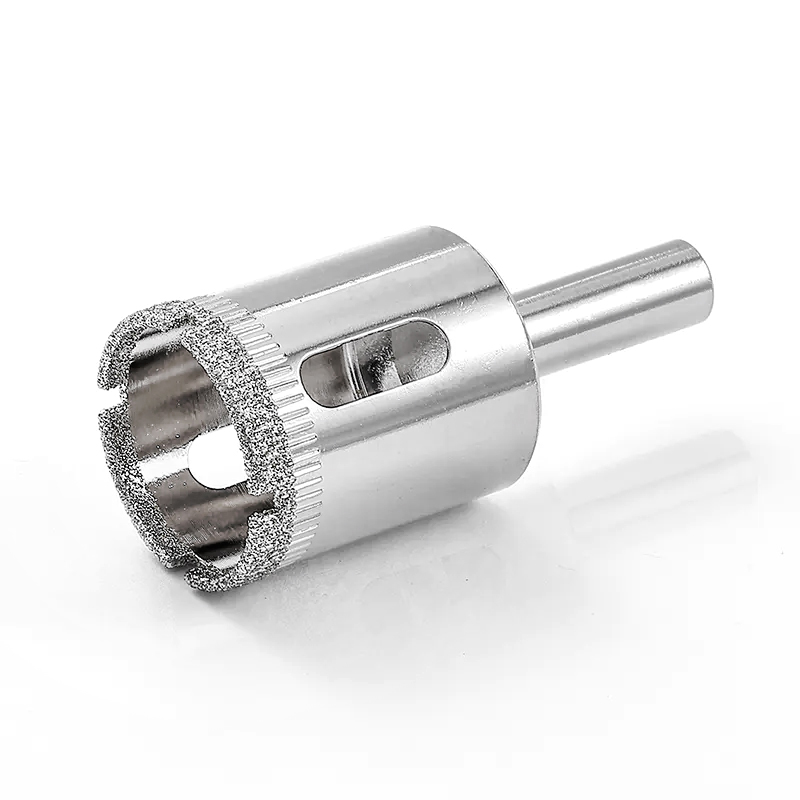
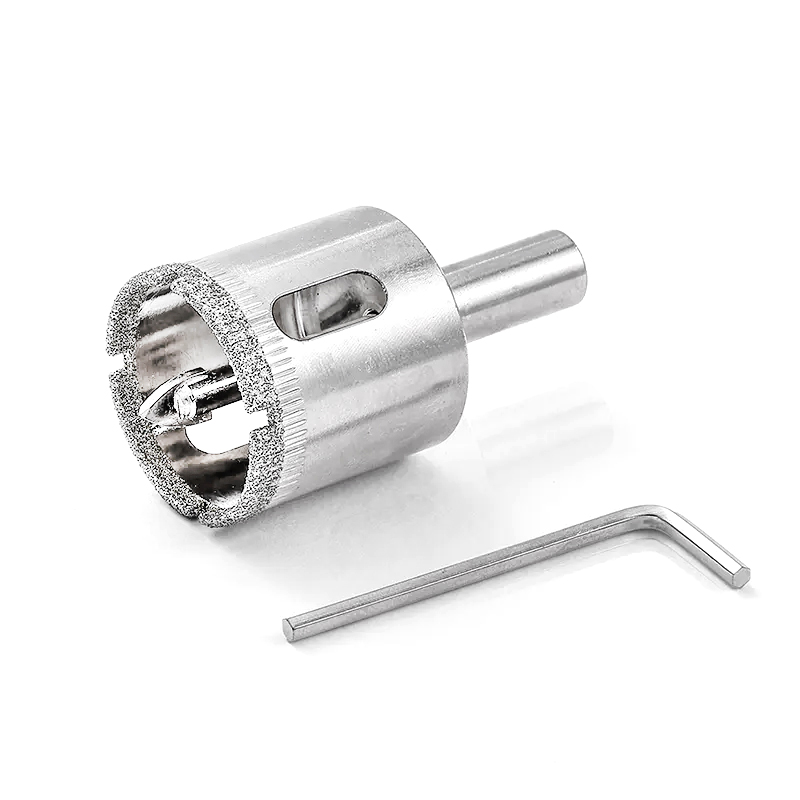
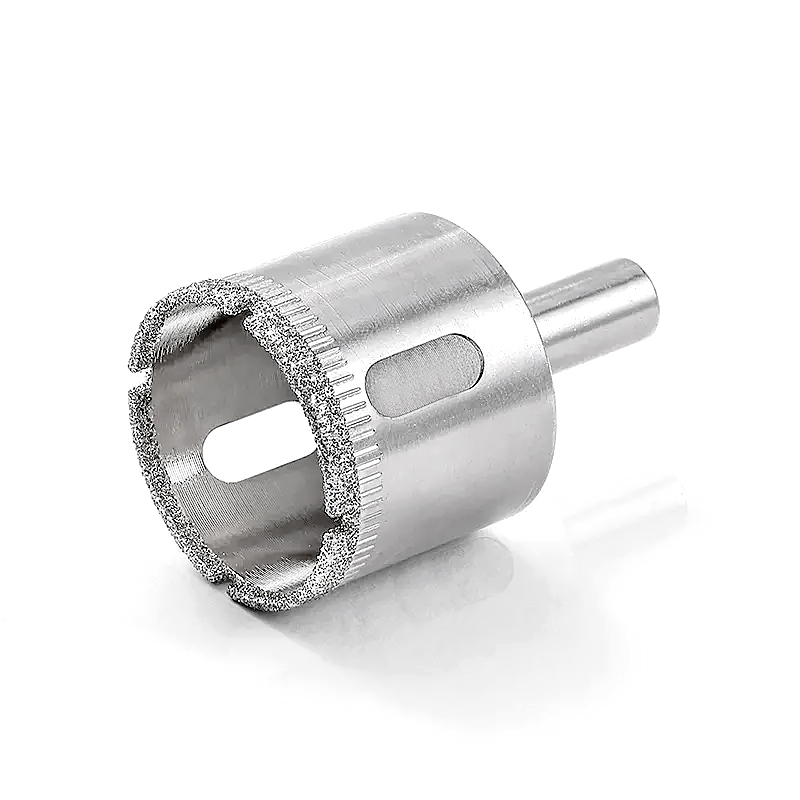
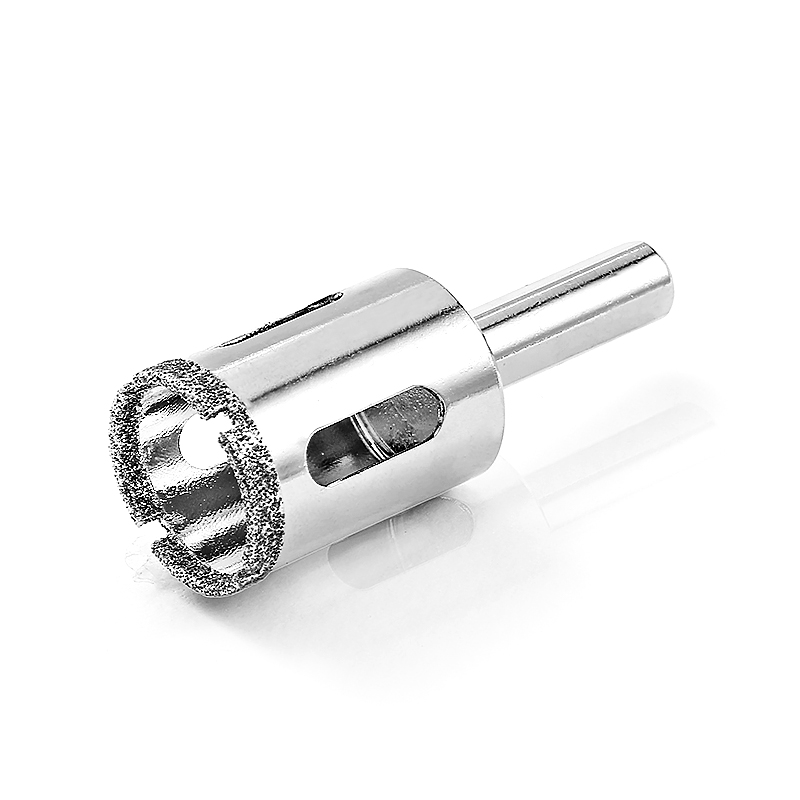
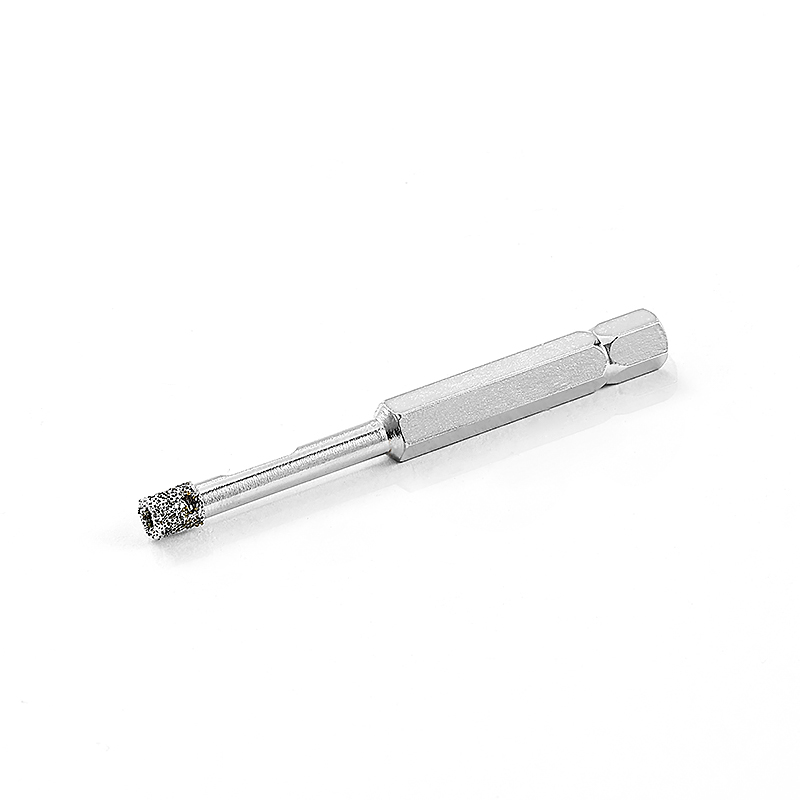
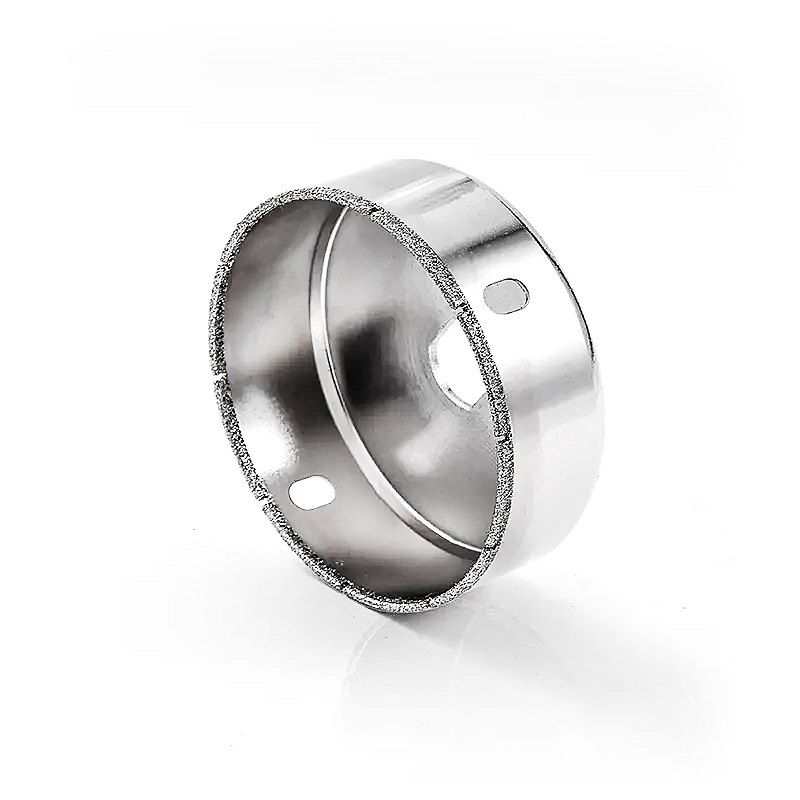
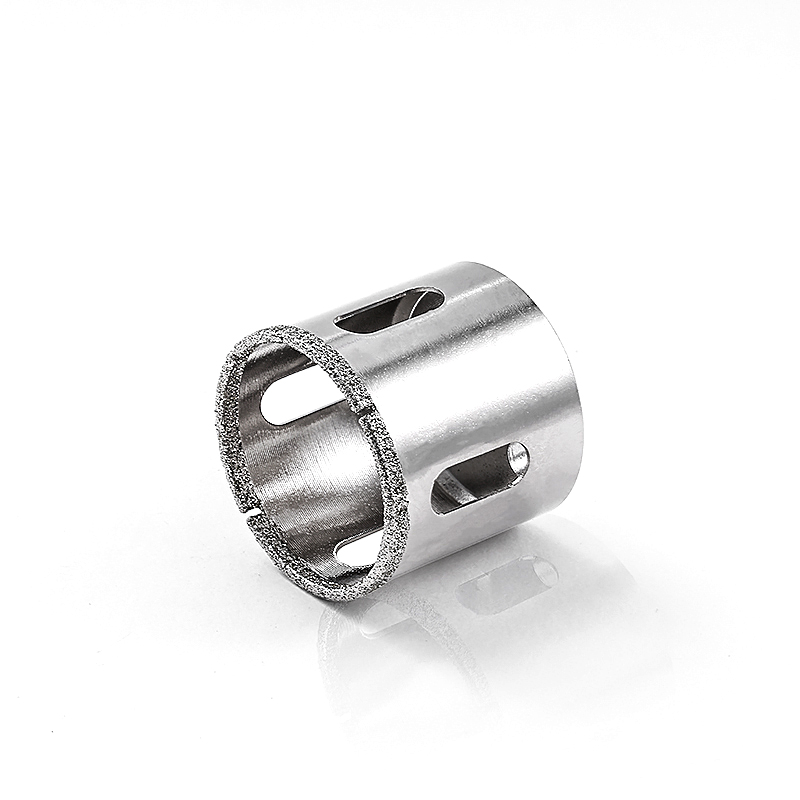
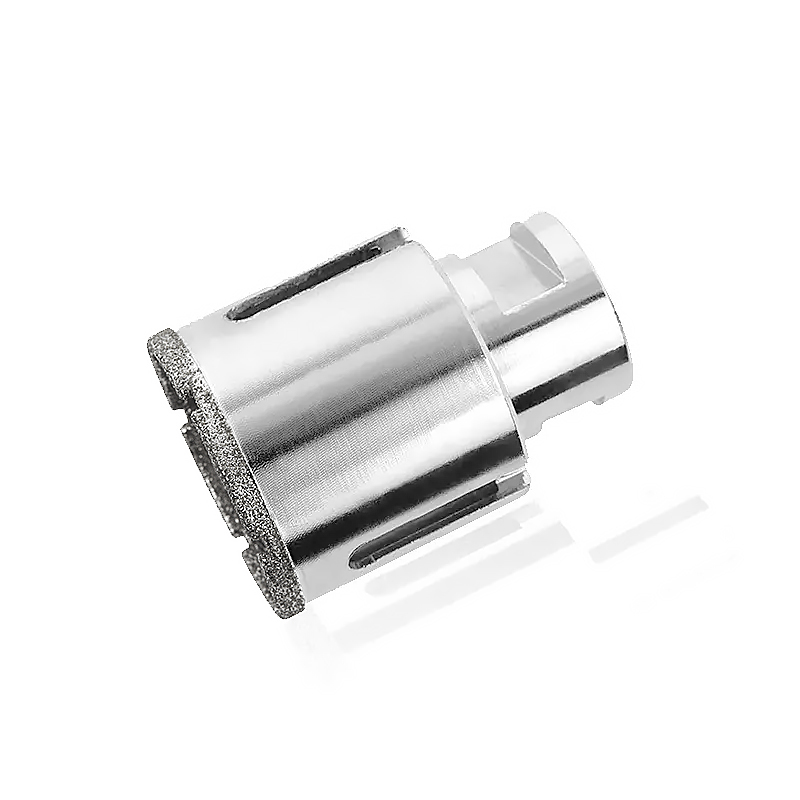
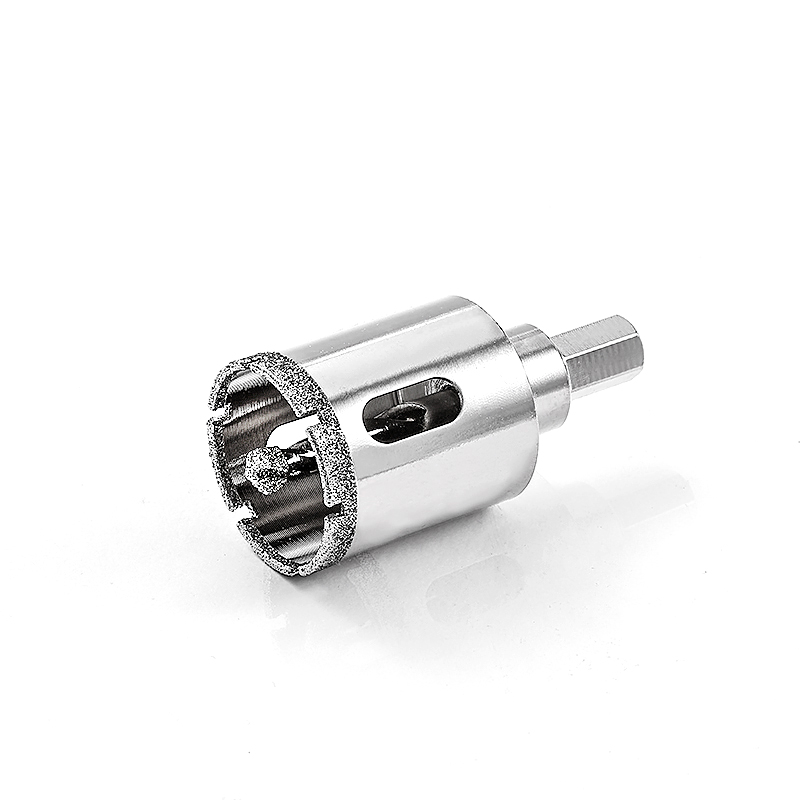
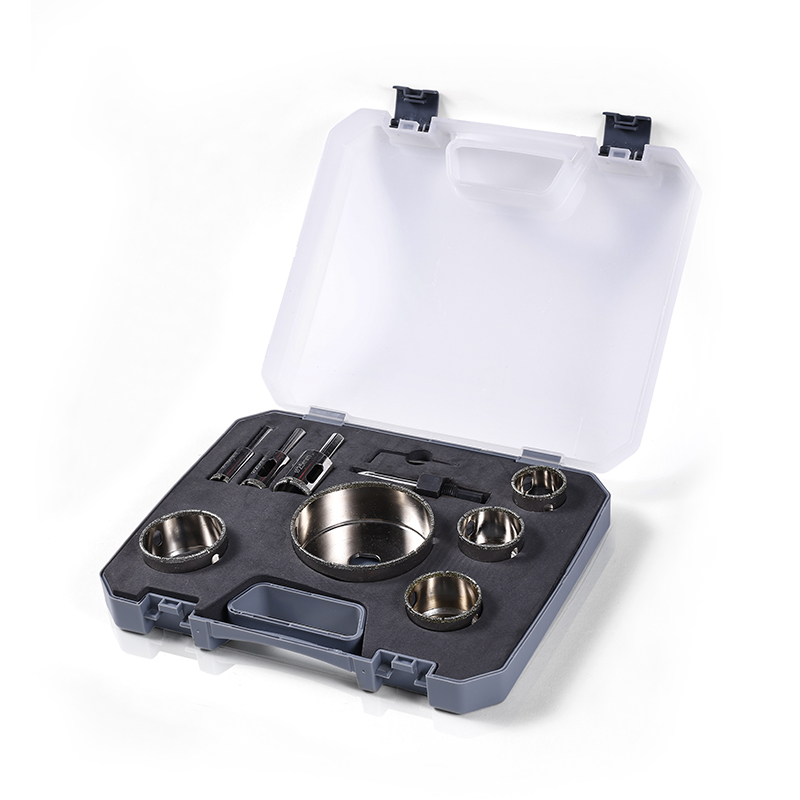
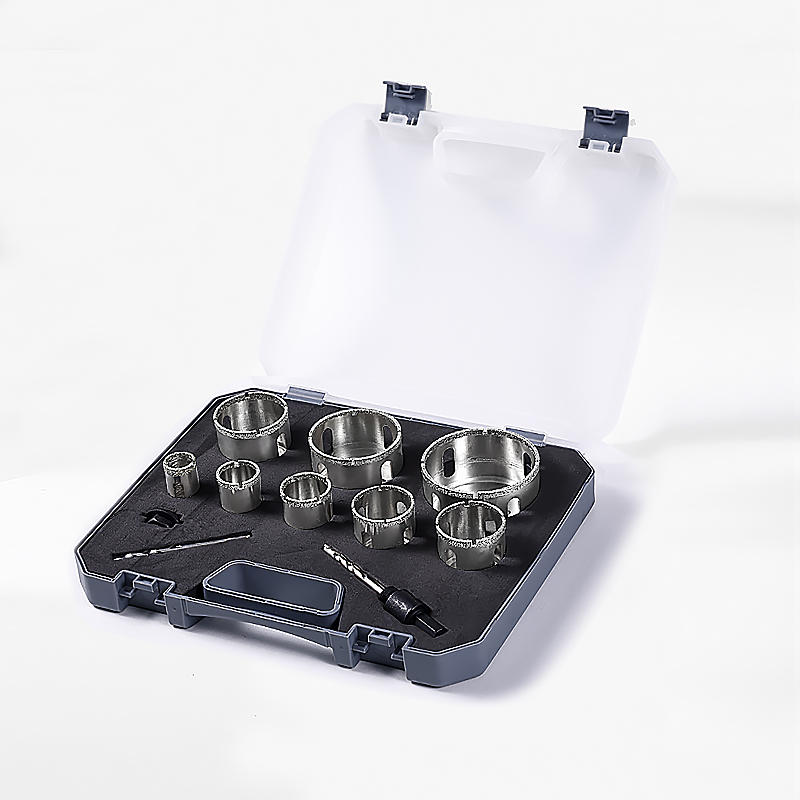
At Enguang, we understand that contractors need drilling tools that match different tile materials and jobsite conditions. Choosing a suitable ceramic hole drill bit is an important part of controlling edge damage, but the drilling process also requires proper positioning, stable support, and appropriate operating conditions. The following considerations can help installation teams improve hole quality and reduce unnecessary material waste.
1. Match the Drill Bit to the Ceramic Material
Different ceramic materials have different hardness levels, surface finishes, and structural characteristics. A bit designed for standard ceramic tiles may not deliver the same results on dense porcelain surfaces.
Contractors should evaluate the following factors before beginning a drilling operation:
- Tile hardness: Standard ceramic tiles and porcelain tiles require different cutting capabilities. Diamond-coated bits are commonly used for hard and dense surfaces.
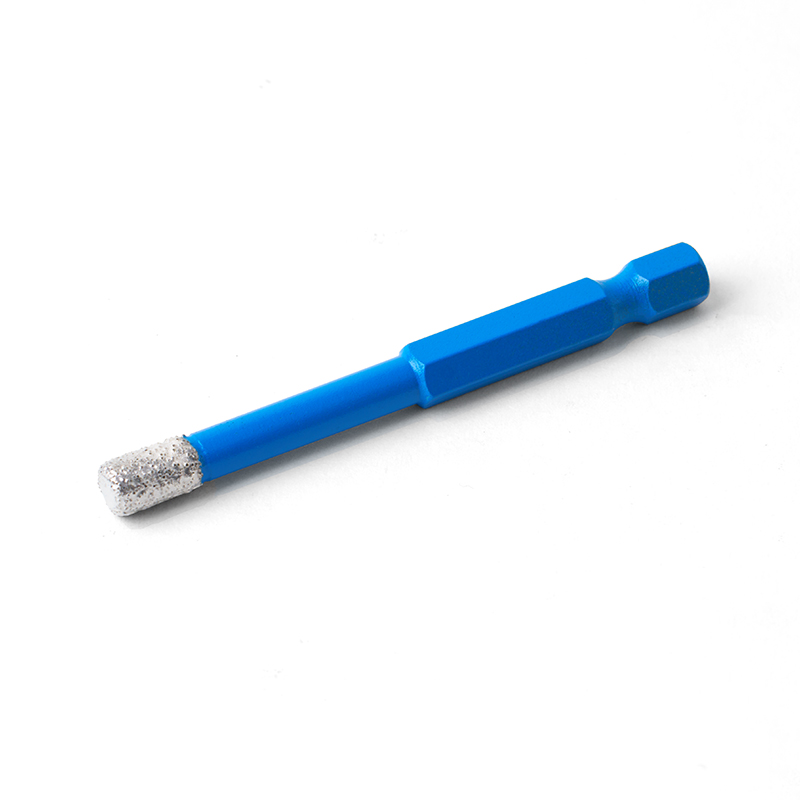
- Hole diameter: Small openings for screws and anchors may require pointed tile bits, while larger pipe openings generally require diamond hole saws or core bits.
- Surface coating: Glazed tiles have a smooth outer layer that can cause the bit to slide during initial contact.
- Drilling depth: The cutting depth and bit configuration should match the tile thickness and the intended application.
Using an unsuitable bit can increase surface damage, drilling time, and replacement expenses. We recommend checking the material specifications and tool manufacturer's application guidelines before confirming the drilling configuration.
2. Prepare the Drilling Position Carefully
Incorrect positioning is a common source of chipped edges and damaged tiles. A drill bit that moves across a smooth glazed surface may scratch the finish before establishing a stable cutting position.
Several preparation methods can help contractors improve positioning accuracy:
- Mark the drilling location: Use a suitable marker to identify the center of the required opening.
- Apply masking tape: Tape across the drilling point can provide additional surface grip and make positioning easier.
- Use a drilling guide: A compatible guide plate helps maintain alignment and reduces unwanted bit movement.
- Check edge clearance: Holes positioned too close to tile edges or corners have a higher risk of cracking under drilling pressure.
Contractors should also verify the location of pipes, electrical wiring, and other concealed services before drilling installed tiles. Accurate measurement helps avoid unnecessary modifications after installation.
3. Control Drilling Speed and Applied Pressure
Excessive pressure and unsuitable rotational speed can damage ceramic surfaces. A high-speed drilling process may generate additional heat, while aggressive feeding can create localized stress around the opening.
We recommend paying attention to three operating factors:
Use a Controlled Rotational Speed
Start with a low or moderate speed according to the bit manufacturer's recommendations. Certain ceramic installation guidelines specify approximately 250–300 RPM for diamond core drilling applications. Actual operating speeds depend on bit diameter, construction, and equipment specifications.
Avoid Excessive Downward Force
Allow the abrasive cutting edge to remove material gradually. Heavy pressure can increase vibration and cause the tile surface to chip, particularly during initial penetration.
Maintain Stable Tool Alignment
Keep the drill properly aligned with the intended hole. Uncontrolled movement or sudden changes in drilling direction can create uneven openings and damage the surrounding glaze.
4. Manage Heat and Drilling Debris
Heat accumulation can affect both diamond bit condition and ceramic tile integrity. Wet drilling is widely used for ceramic and porcelain applications because water helps cool the cutting area and remove abrasive debris.
Contractors should consider the following practices:
- Maintain an appropriate water supply throughout wet drilling operations.
- Clear accumulated drilling slurry from the cutting area.
- Inspect the diamond coating for excessive wear or damage.
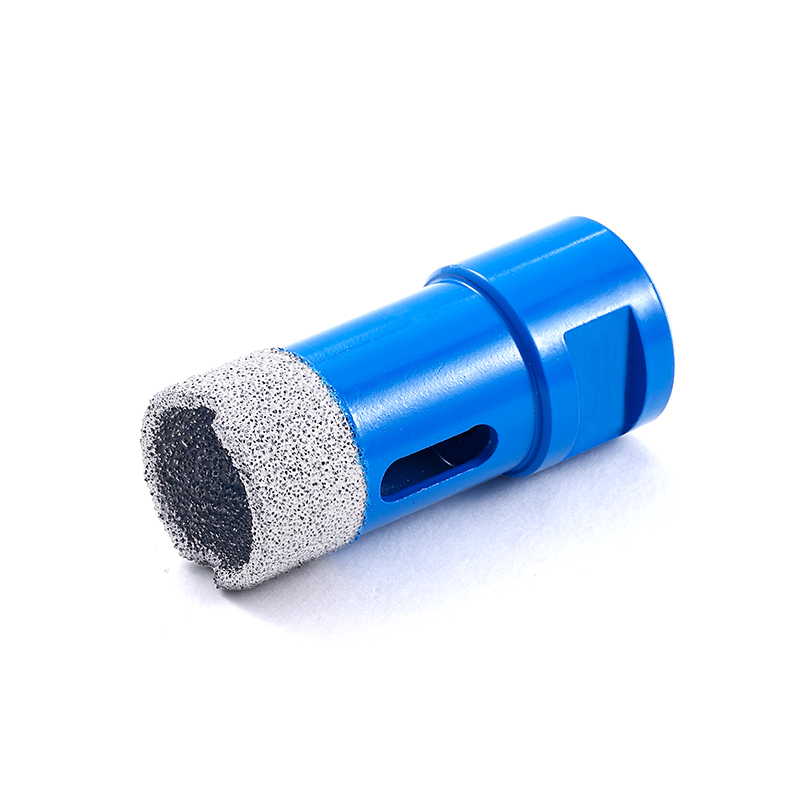
- Follow the manufacturer's cooling requirements, especially for specialized dry-cutting bits.
Not every ceramic drill bit uses the same cooling method. Contractors should confirm whether a particular model is designed for wet or dry operation rather than applying one procedure to every tool.
5. Reduce Breakage During the Final Drilling Stage
Material damage can occur as the drill bit approaches the opposite side of a tile. Continued heavy pressure during breakthrough may cause chipping around the exit opening.
Several measures can improve the finishing process:
- Reduce feed pressure: Ease off as the cutting edge approaches the back surface.
- Support loose tiles: Place the tile on a stable, flat surface before drilling to reduce vibration.
- Consider two-sided drilling: For suitable loose tiles, drilling from both faces can help reduce exit-side damage.
- Finish the opening: A diamond hand pad can help smooth minor roughness around the finished hole.
Proper support is particularly important for large-format ceramic panels, which may be more vulnerable to bending and localized stress during machining.
6. Include Tool Quality in Project Quality Control
Consistent drilling results depend on both operator practices and equipment condition. Worn diamond segments, unsuitable bit dimensions, and incompatible drill connections can affect cutting performance.
At Enguang, we recommend that professional buyers and contractors evaluate several details during tool procurement:
- Diamond coating quality and cutting-edge construction.
- Available diameters for different installation requirements.
- Compatibility with commonly used electric drills.
- Wet or dry drilling specifications.
- Product durability and replacement accessory availability.
Maintaining suitable drilling tools and consistent operating procedures helps installation teams manage material consumption, reduce rework, and achieve cleaner openings across different projects.
Reducing edge chipping during ceramic drilling requires more than simply using a specialized drill bit. Material identification, accurate positioning, controlled rotational speed, appropriate cooling, and careful breakthrough procedures all influence the finished result.
At Enguang, we focus on providing practical tooling solutions for professional users and industrial buyers. Contractors planning ceramic and porcelain drilling projects should consider hole dimensions, tile characteristics, operating methods, and equipment compatibility before purchasing drilling accessories. Contact our team through egtools.cn to discuss your application requirements and obtain further product information for your sourcing plans.