English
 中文简体
中文简体 Español
How Can an Electroplated Diamond Hole Saw Improve Your Cutting Tasks?
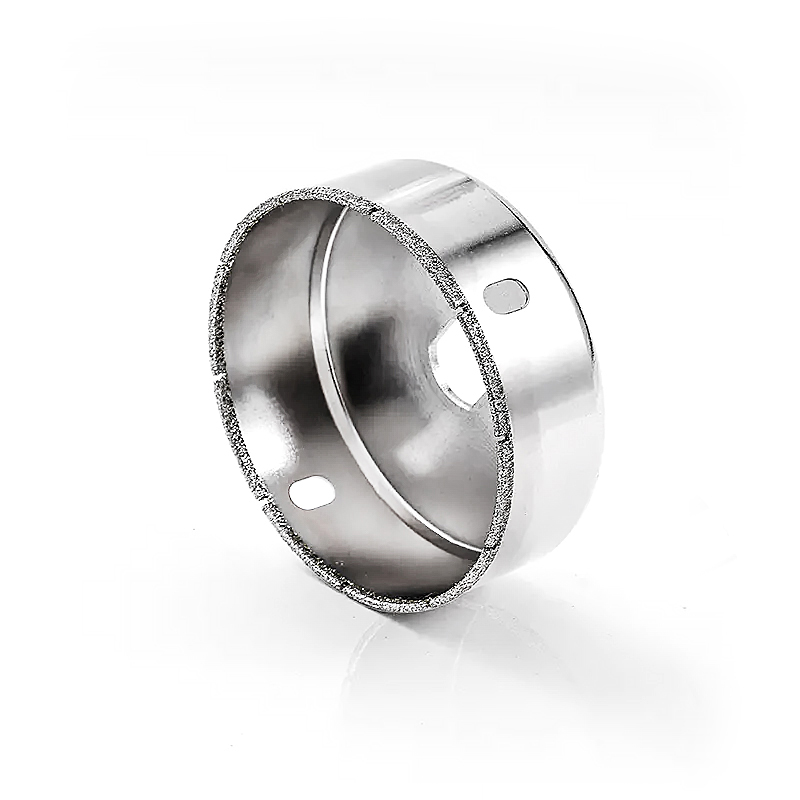
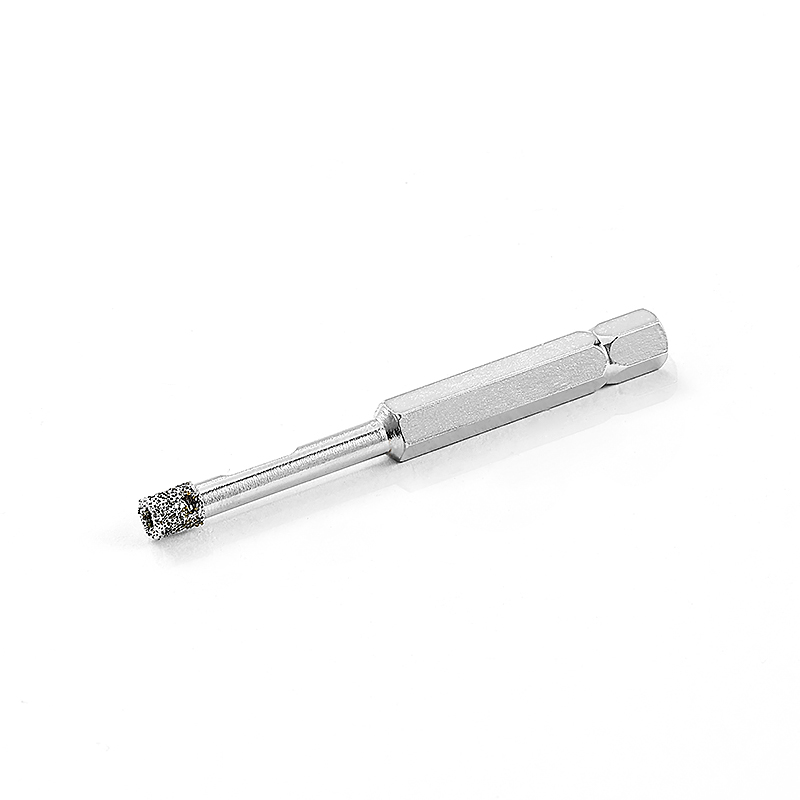
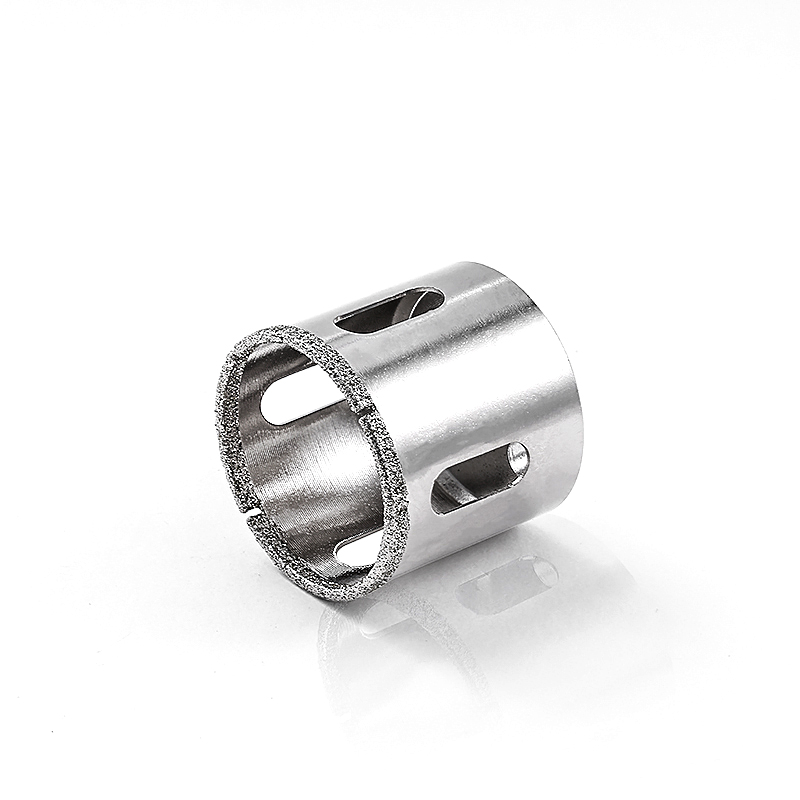
Whether you are a DIY enthusiast or a professional contractor, selecting the right cutting tool can save time and reduce frustration. One tool that often comes under consideration for drilling hard materials is the Electroplated Diamond Hole Saw. Unlike conventional hole saws, this type of tool uses diamond particles bonded to the cutting edge, making it suitable for tough surfaces such as ceramic, glass, stone, and certain metals. Understanding its features, applications, and limitations is essential before making a purchase.
How an Electroplated Diamond Hole Saw Works
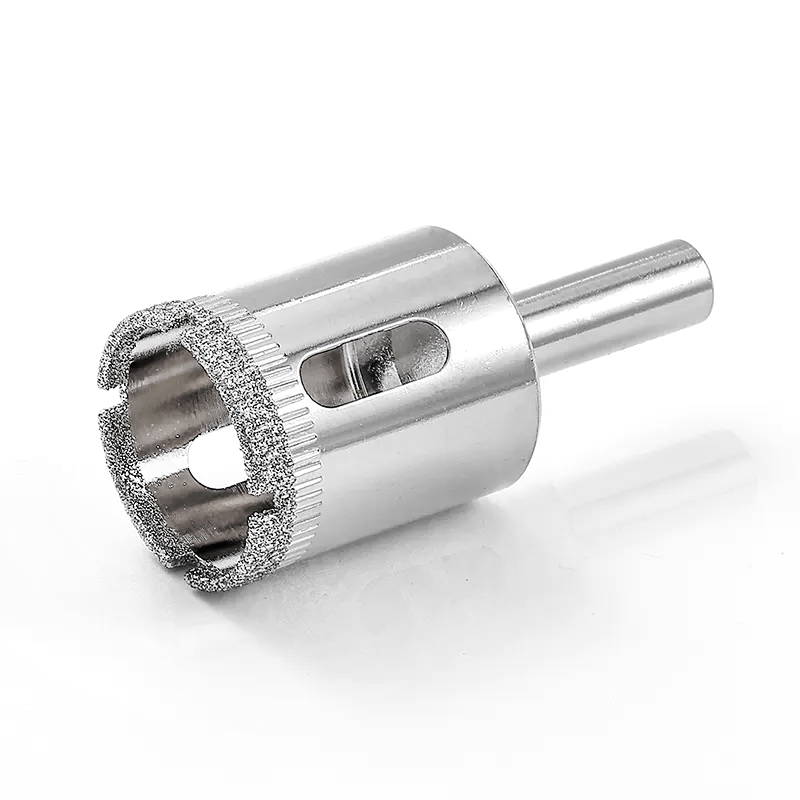
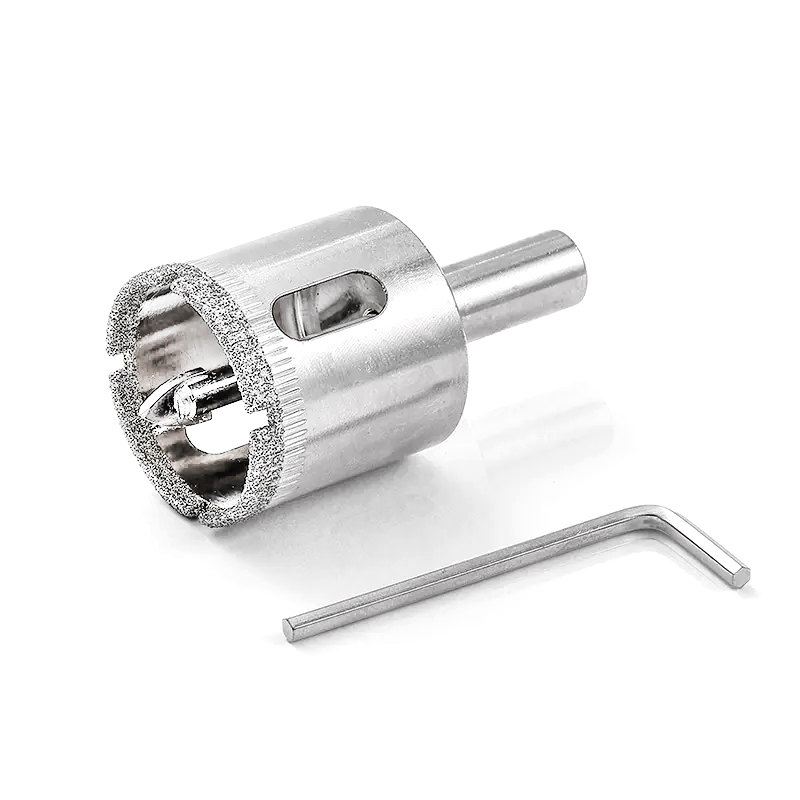
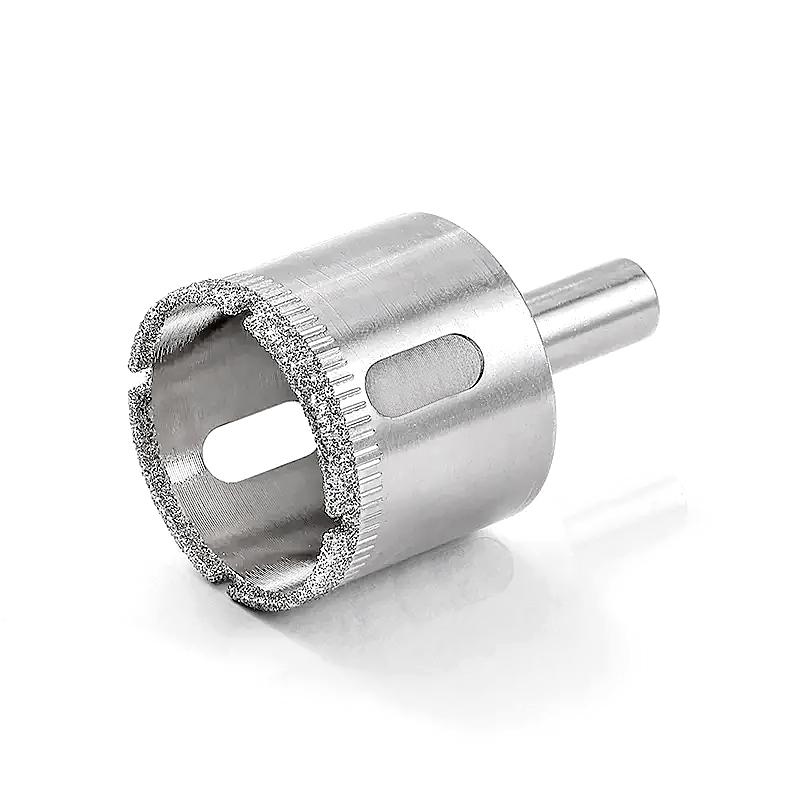
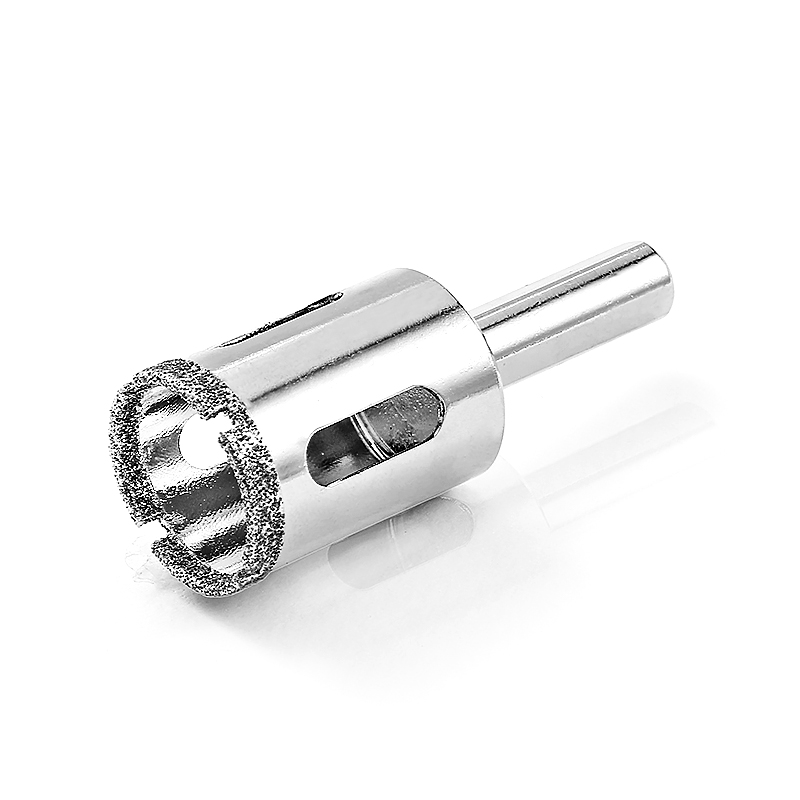
The main advantage of an Electroplated Diamond Hole Saw lies in its construction. Diamond particles are electroplated onto the saw's edge, creating a hard and abrasive surface that can grind through difficult materials rather than cutting them with teeth like standard hole saws. This results in smoother holes and reduces the risk of cracking fragile surfaces.
Because the saw relies on abrasion rather than forceful cutting, it is important to use proper drilling techniques. Slow drilling speeds, adequate water cooling, and steady pressure will extend the life of the tool and improve performance.
Common Applications
An Electroplated Diamond Hole Saw is widely used across various industries and home projects. Typical applications include:
- Cutting holes in ceramic tiles for plumbing or electrical installations.
- Drilling glass for decorative or functional purposes.
- Creating openings in stone countertops or construction panels.
- Cutting composite materials that may damage regular steel hole saws.
For businesses, especially in construction or fabrication, having a reliable Electroplated Diamond Hole Saw can reduce material waste and minimize rework. For individual consumers, it ensures cleaner results without damaging expensive surfaces.
Factors to Consider Before Buying
When evaluating an Electroplated Diamond Hole Saw, there are several practical points to consider:
- Diameter and Depth: Choose a size that fits your project requirements, since oversizing can damage the material or tool.
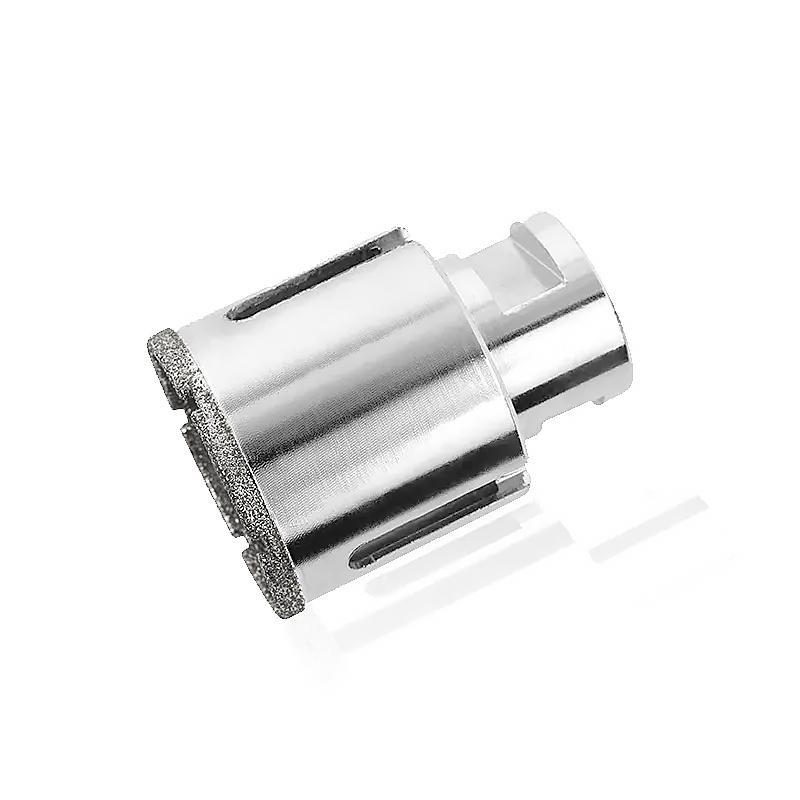
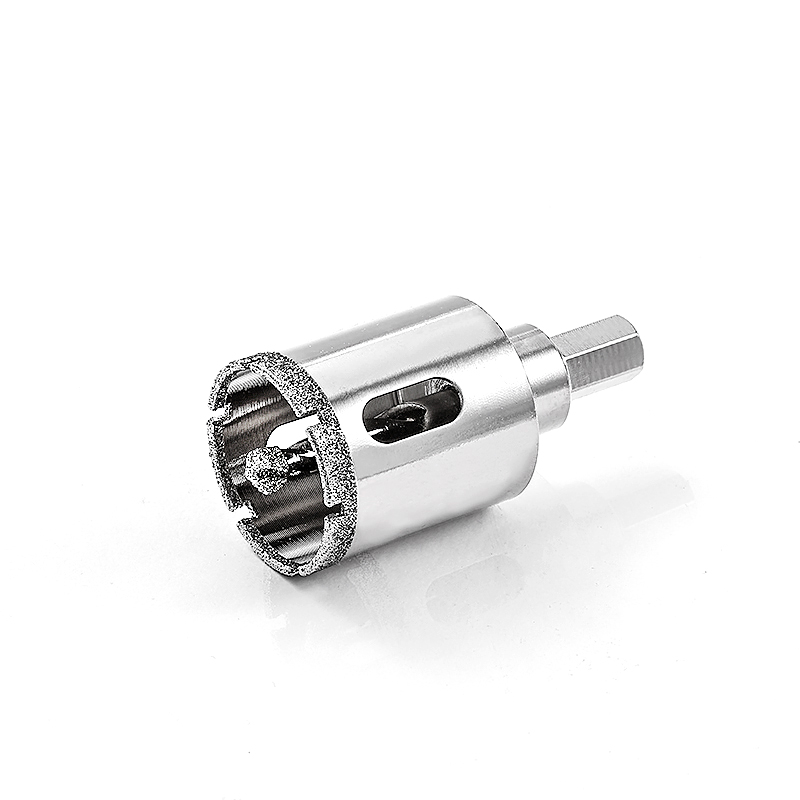
- Shank Type: Compatibility with your drill is crucial. Some saws come with standard or SDS shanks.
- Cooling Method: Water cooling can significantly extend tool life and improve cutting speed, especially on glass and stone.
- Material Quality: The thickness and bonding of the electroplated diamonds affect longevity and efficiency.
Understanding these factors helps both consumers and commercial buyers select a saw that suits their specific tasks without unnecessary expense.
Safety and Usage Tips
Safety is particularly important when using an Electroplated Diamond Hole Saw, because it generates heat and fine dust. Basic precautions include:
- Wearing protective glasses and gloves.
- Using water or coolant to prevent overheating.
- Avoiding excessive pressure, which can damage both the saw and the material.
- Securing the workpiece to prevent slipping or chipping.
These steps are simple but significantly improve safety and final results.
Maintenance and Longevity
Even though an Electroplated Diamond Hole Saw is designed for durability, proper care extends its usefulness. Cleaning the saw after use, storing it in a dry place, and periodically checking for wear will prevent premature failure. When the saw becomes less effective, it may be time to replace it rather than force it through a project.
An Electroplated Diamond Hole Saw is a practical tool for anyone working with hard materials. By understanding its design, applications, and usage guidelines, both individual consumers and business buyers can make informed decisions. Selecting the right size, using proper techniques, and maintaining the saw ensures reliable performance and cleaner results, making it a valuable addition to your toolkit.