English
 中文简体
中文简体 Español
The Manufacturing Process of Vacuum Brazed Diamond Hole Saws

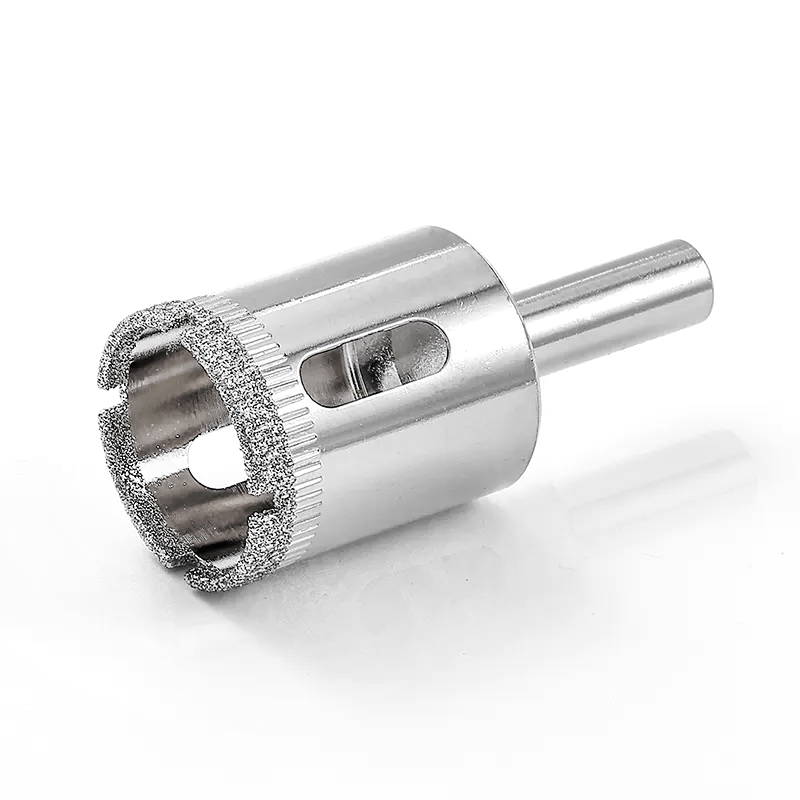
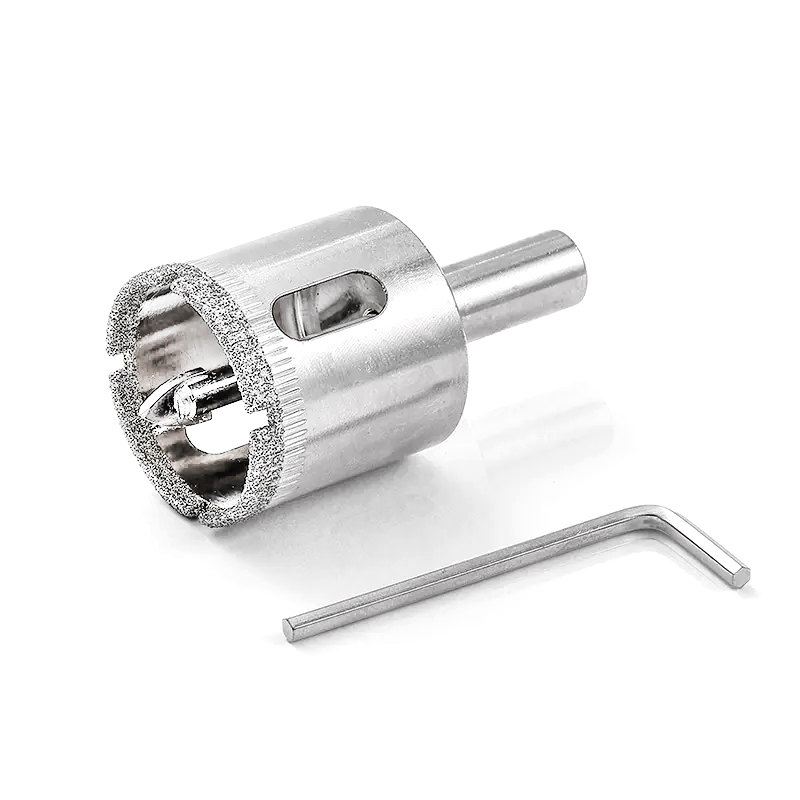
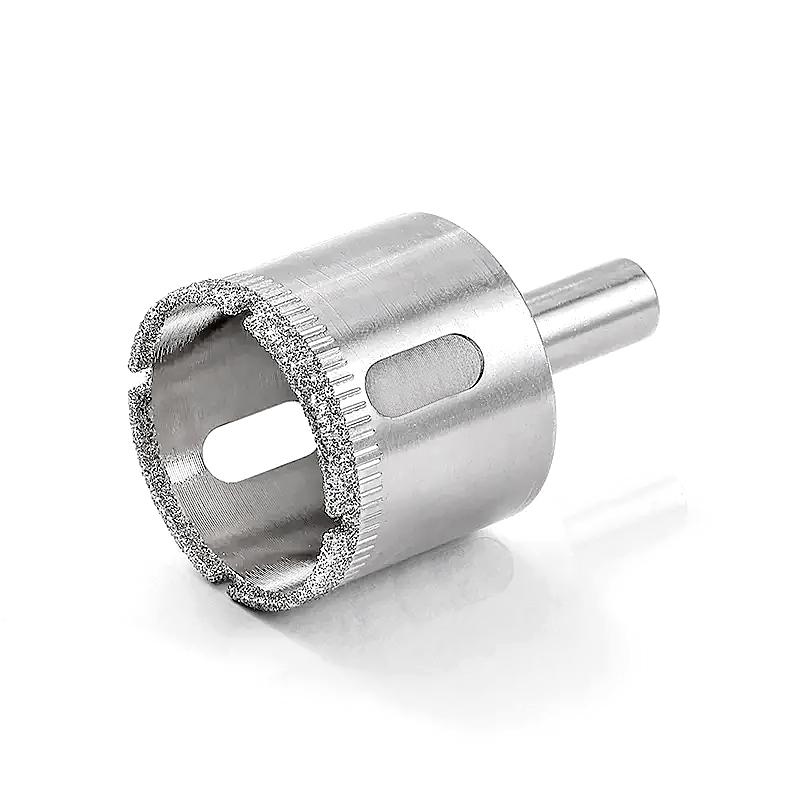
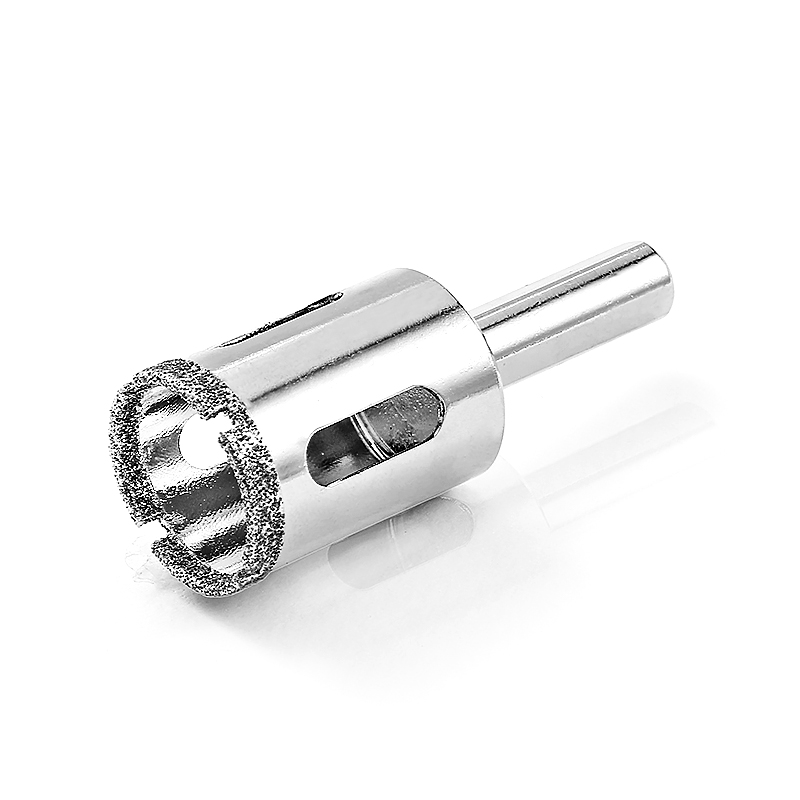
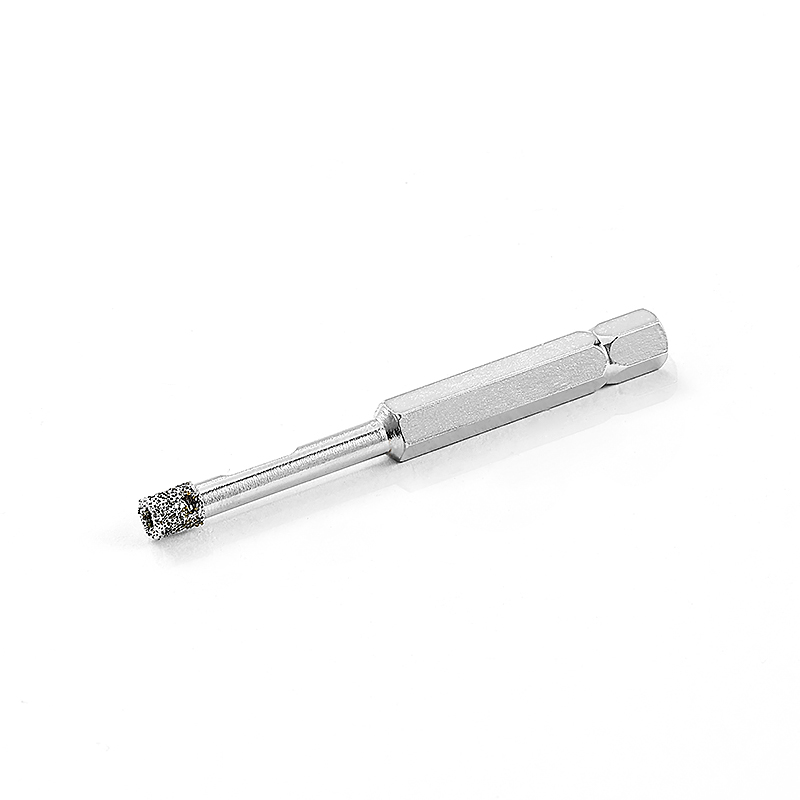
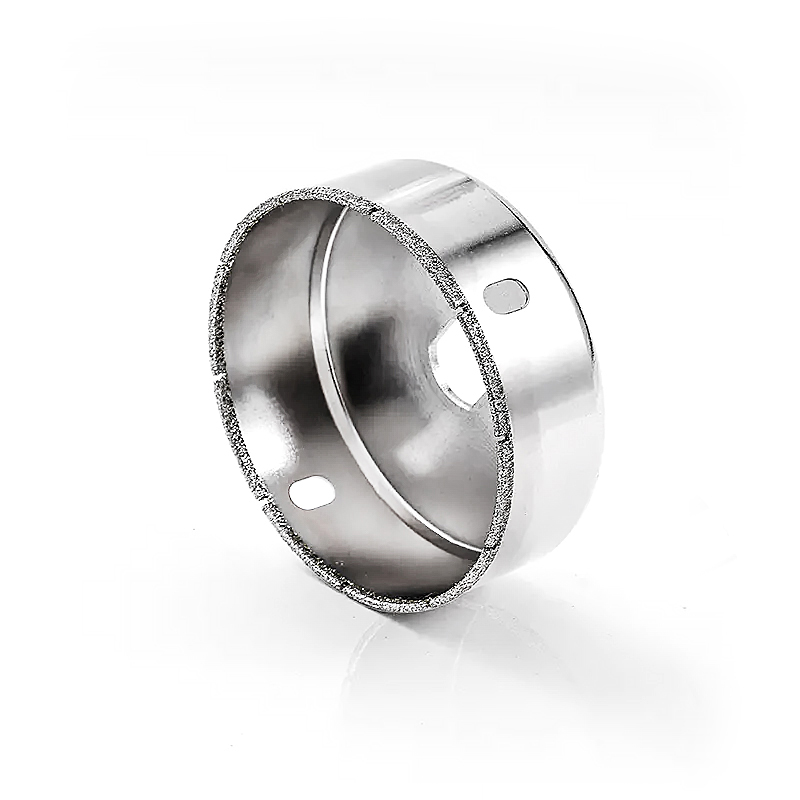
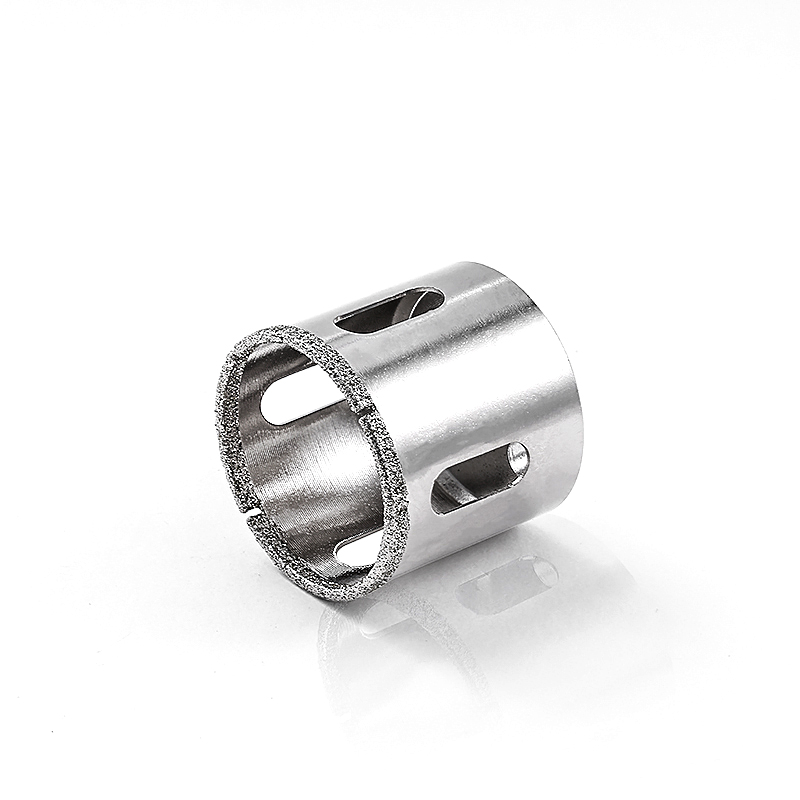
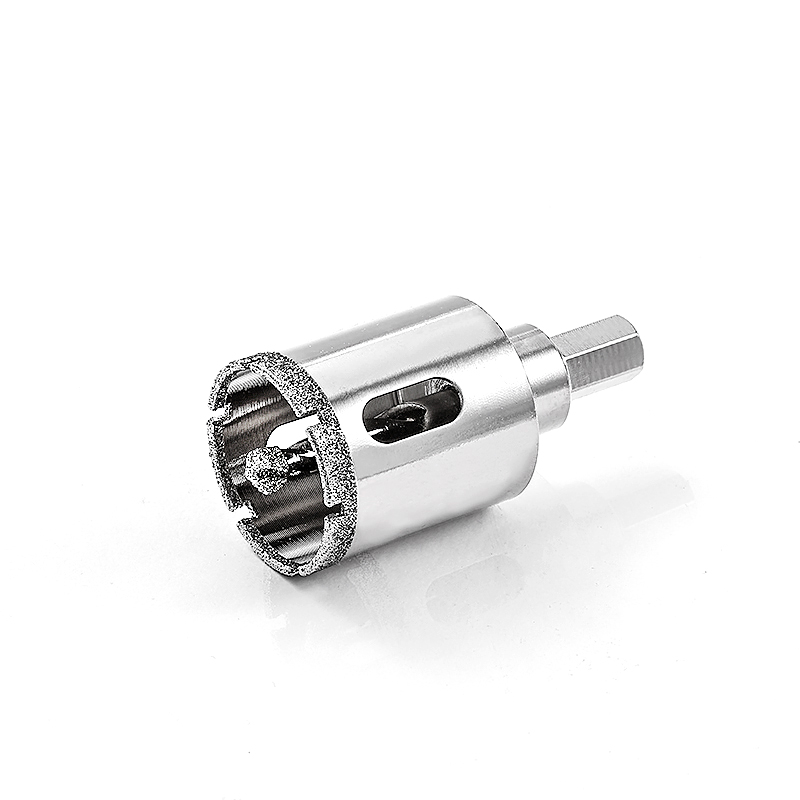
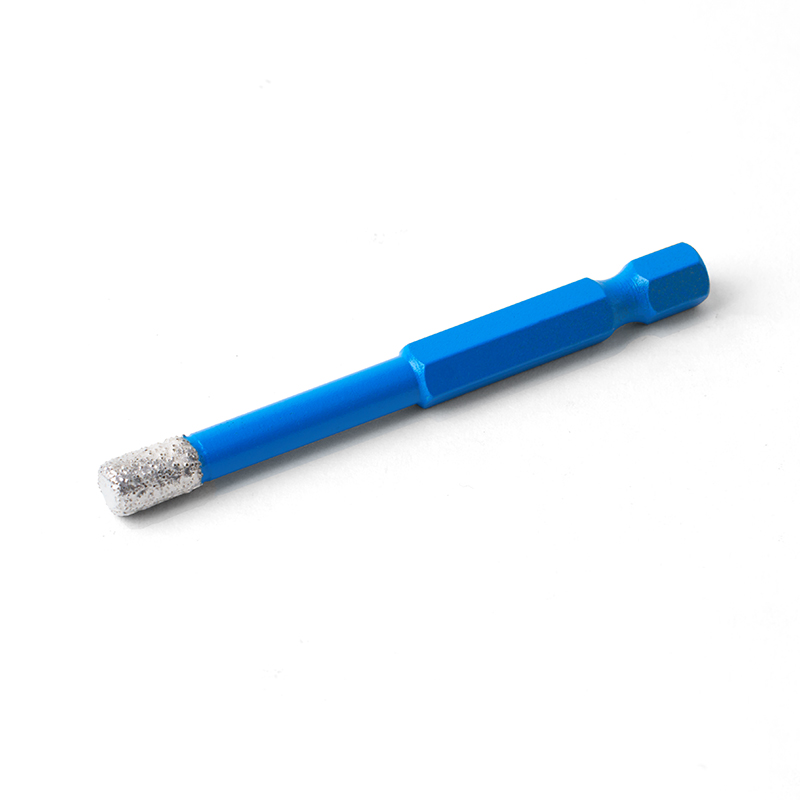
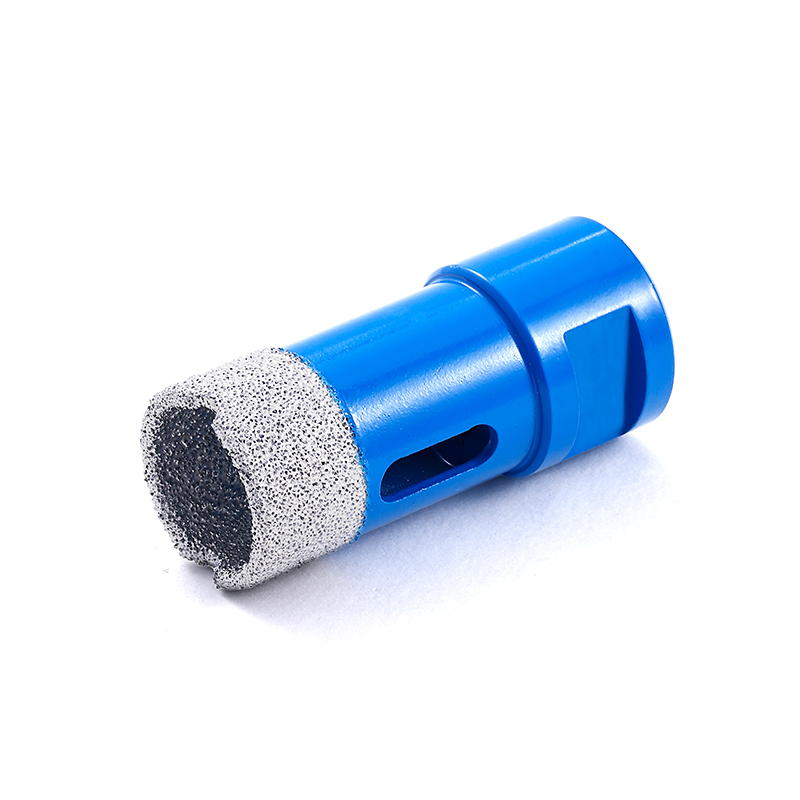
A vacuum brazed diamond hole saw is a specialized cutting tool widely used in industrial and construction applications. Its unique design and diamond-tipped cutting surface allow it to handle hard materials such as ceramics, glass, stone, and composites. Unlike conventional hole saws, vacuum brazed variants provide high durability and precision due to the strong bonding of diamond particles to the saw body.
These hole saws are commonly used in factories, workshops, and construction sites where accurate holes must be created efficiently, reducing downtime and material wastage. Understanding the design and manufacturing process can help industrial buyers select tools that meet their production requirements.
Construction and Material Selection
The core of a vacuum brazed diamond hole saw is usually a steel or alloy body that provides structural support. The cutting edge is embedded with diamond particles through a vacuum brazing process. This method ensures that the diamonds are firmly bonded to the metal surface, allowing the tool to withstand high cutting forces and heat generated during operation.
Key materials and considerations include:
- Diamond Particles: Sized and graded for cutting specific materials.
- Saw Body: Often made from carbon steel or stainless steel for strength.
- Brazing Alloy: Provides a stable bond between diamonds and the saw body.
The quality of diamonds and uniformity of the brazing process directly affect the cutting efficiency and lifespan of the tool.
Manufacturing Process
Producing a vacuum brazed diamond hole saw involves several precise steps:
- Body Preparation: The steel tube is cut and shaped to form the base of the hole saw.
- Diamond Placement: Diamond particles are uniformly arranged along the cutting edge.
- Vacuum Brazing: The saw is heated in a vacuum furnace where the brazing alloy melts and bonds the diamonds to the steel body.
- Finishing: The cutting surface is ground to ensure uniform height and sharpness.
- Quality Inspection: Tools are tested for roundness, cutting efficiency, and adhesion of diamonds.
This process ensures that each vacuum brazed diamond hole saw meets industrial standards and can withstand continuous use in demanding environments.
Industrial Applications
These hole saws are commonly applied in manufacturing sectors that require precision cutting of hard materials:
- Construction: Cutting ceramic tiles, granite, and concrete panels for installations.
- Electronics: Drilling holes in printed circuit boards and hard plastics.
- Automotive: Creating openings in composite parts for assembly or maintenance.
- Aerospace: Machining lightweight but strong materials like carbon fiber composites.
The durability and precision offered by vacuum brazed diamond hole saws reduce material loss and enhance efficiency in high-volume production settings.
Advantages for Industrial Users
Several features make vacuum brazed diamond hole saws suitable for industrial applications:
- Long Lifespan: Diamond particles resist wear even under continuous operation.
- High Precision: The uniform cutting edge ensures consistent hole size and smooth surfaces.
- Versatility: Capable of cutting through a wide range of hard materials.
- Low Maintenance: Minimal sharpening required compared to conventional hole saws.
These advantages make them a preferred choice for manufacturers, contractors, and maintenance teams handling complex cutting tasks.
Maintenance and Handling
Although vacuum brazed diamond hole saws are durable, proper use prolongs their service life. Using appropriate drilling speeds, cooling fluids, and moderate pressure helps prevent overheating or chipping. Storage in a dry, stable environment prevents corrosion and ensures the tool maintains its cutting efficiency over multiple production cycles.
A vacuum brazed diamond hole saw combines advanced materials, precise manufacturing, and practical design to deliver reliable performance in industrial applications. By understanding the materials, production process, and proper handling, industrial buyers can select the right tool for tasks ranging from construction to electronics and automotive manufacturing. These tools provide a balance of efficiency, precision, and durability that supports modern industrial operations.