English
 中文简体
中文简体 Español
What Makes an Electroplated Diamond Hole Saw Suitable for Hard Materials?
Drilling through hard materials such as ceramic tiles, granite, glass, or engineered stone requires specialized tools. The Electroplated Diamond Hole Saw offers precision, durability, and efficiency for these applications. Understanding its features, design, and practical uses can help buyers and professionals select the right tool for their projects.
Design and Construction
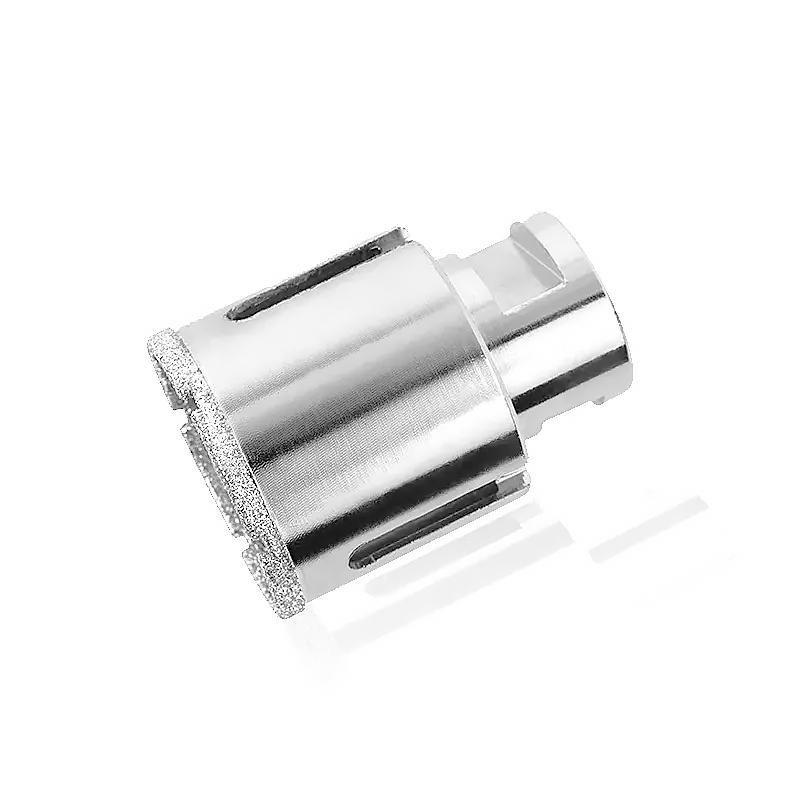
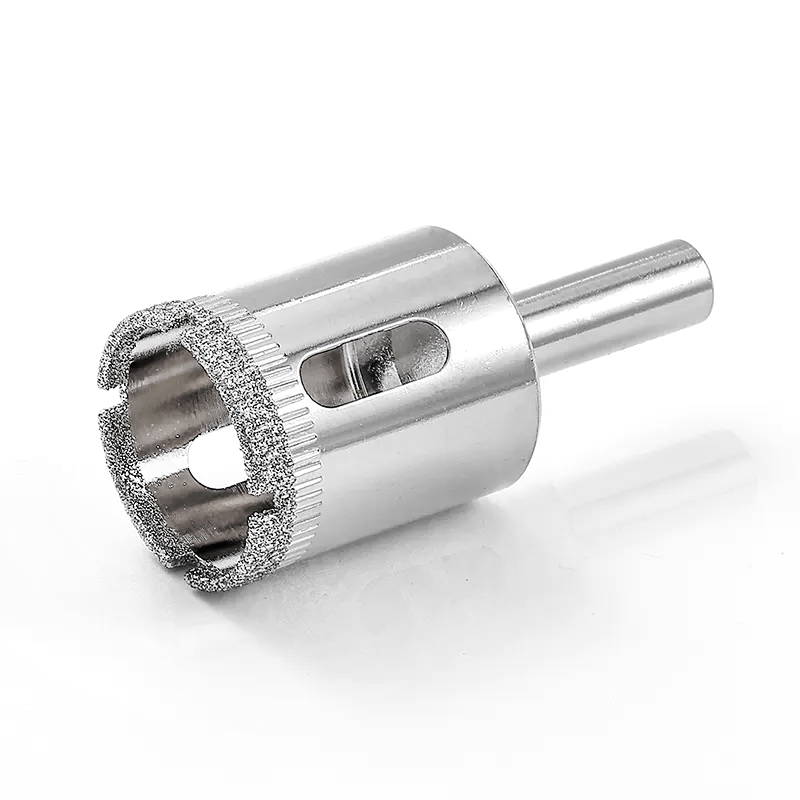
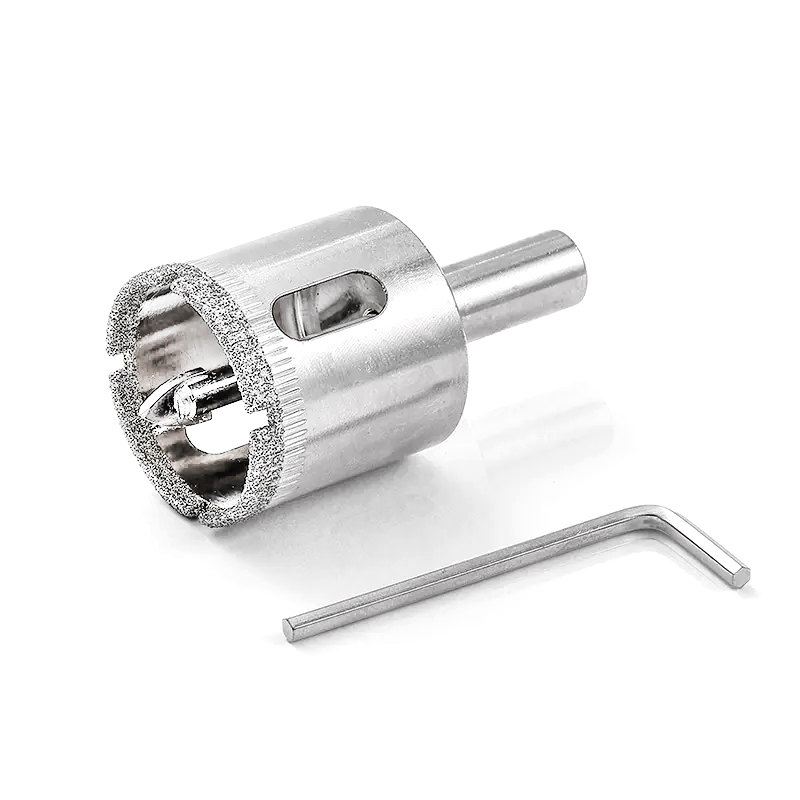
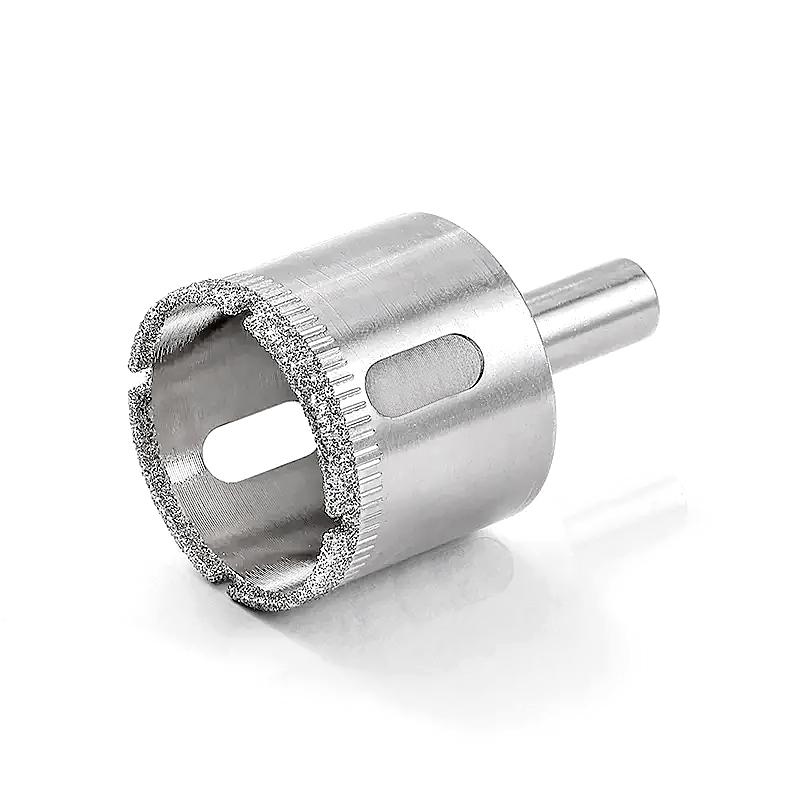
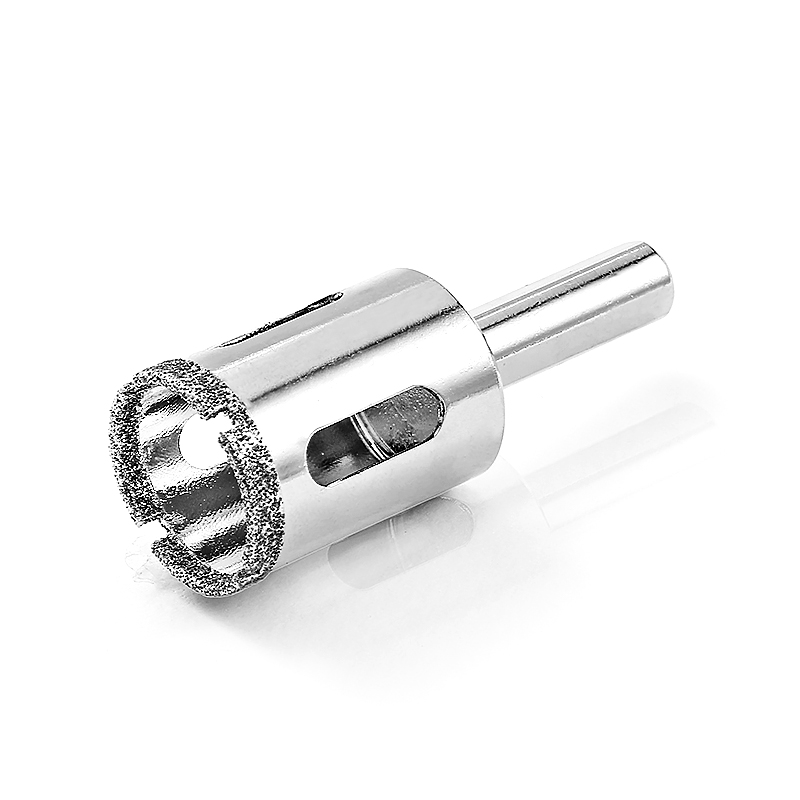
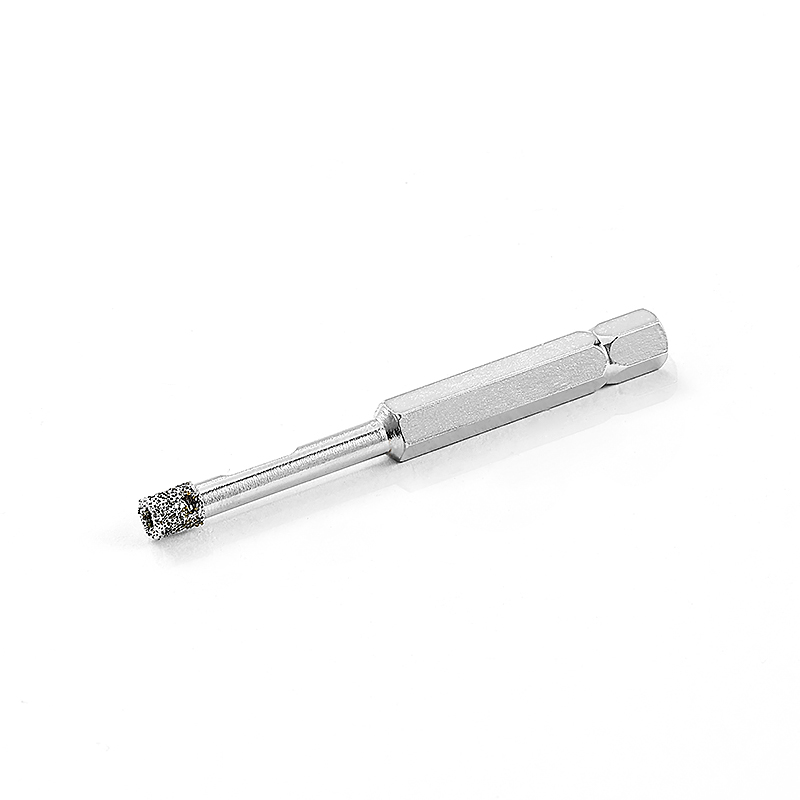
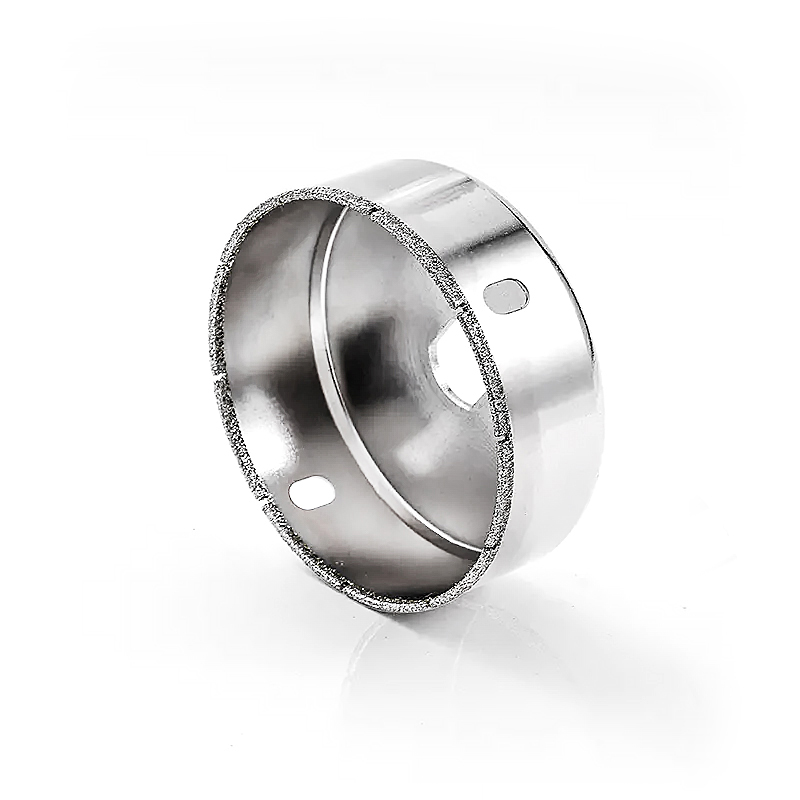
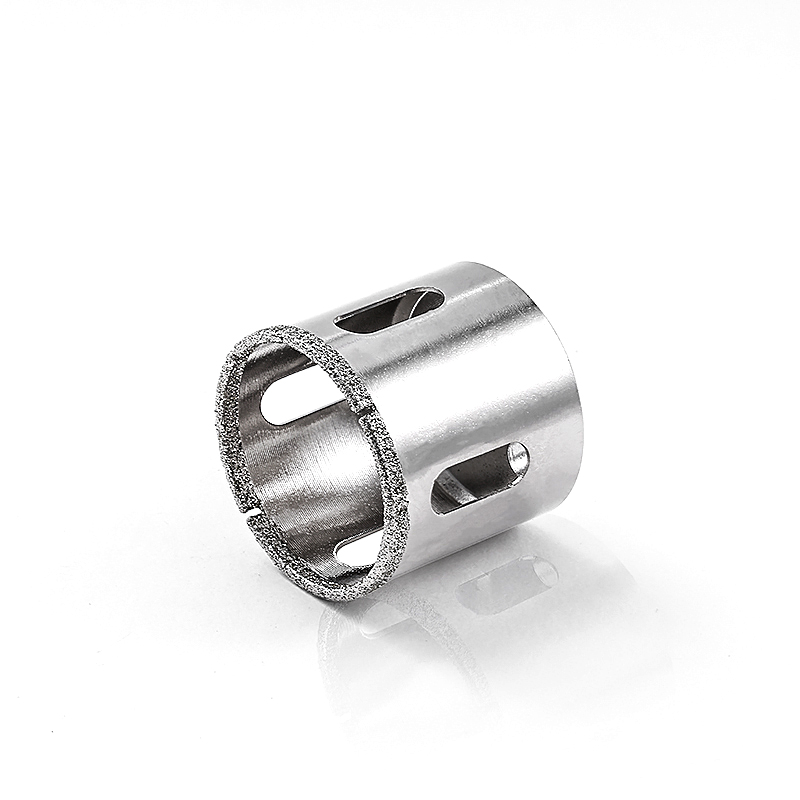
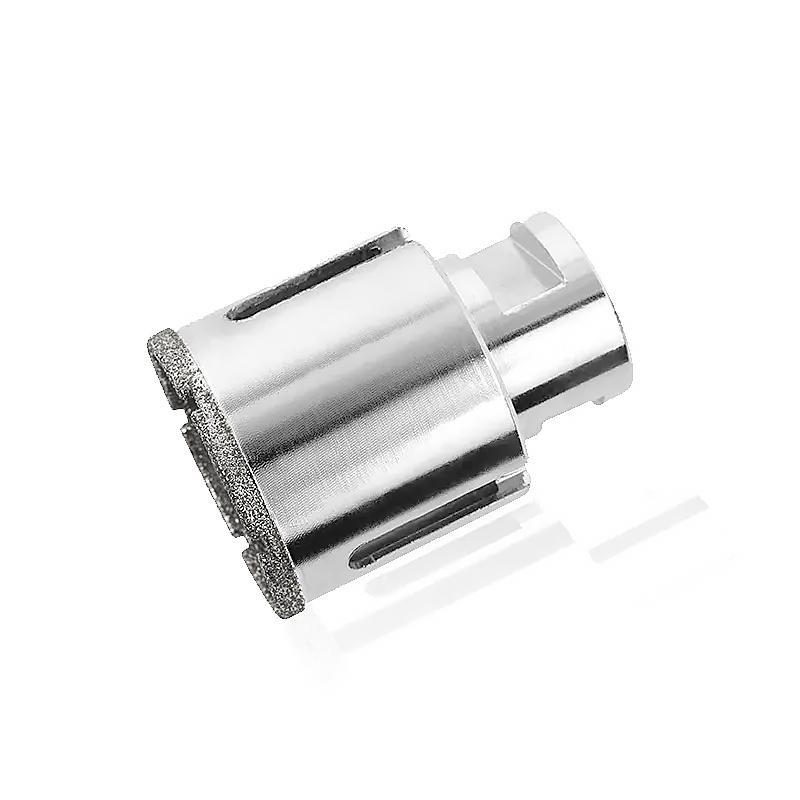
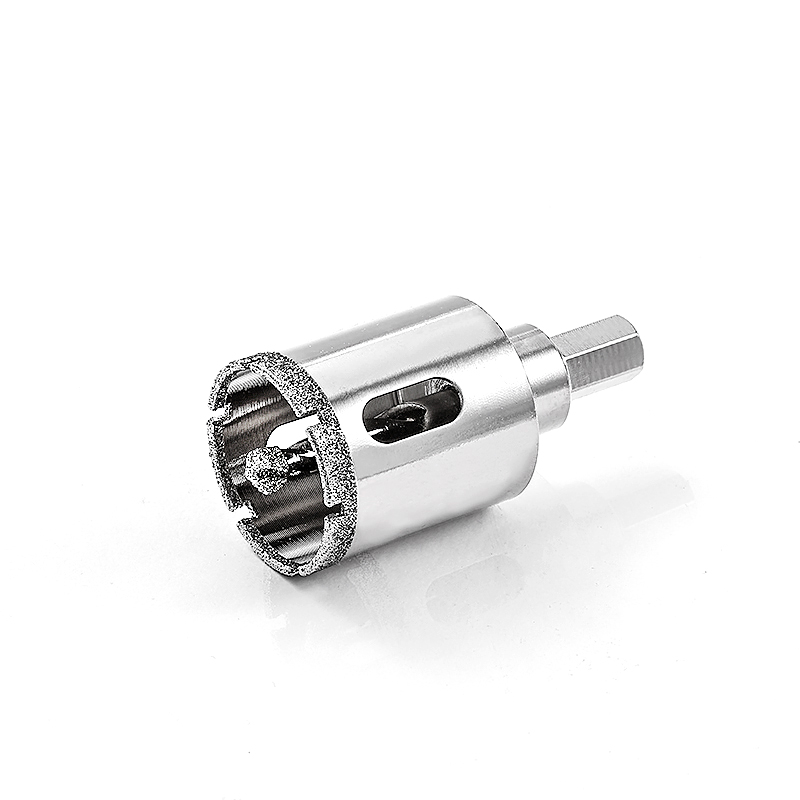
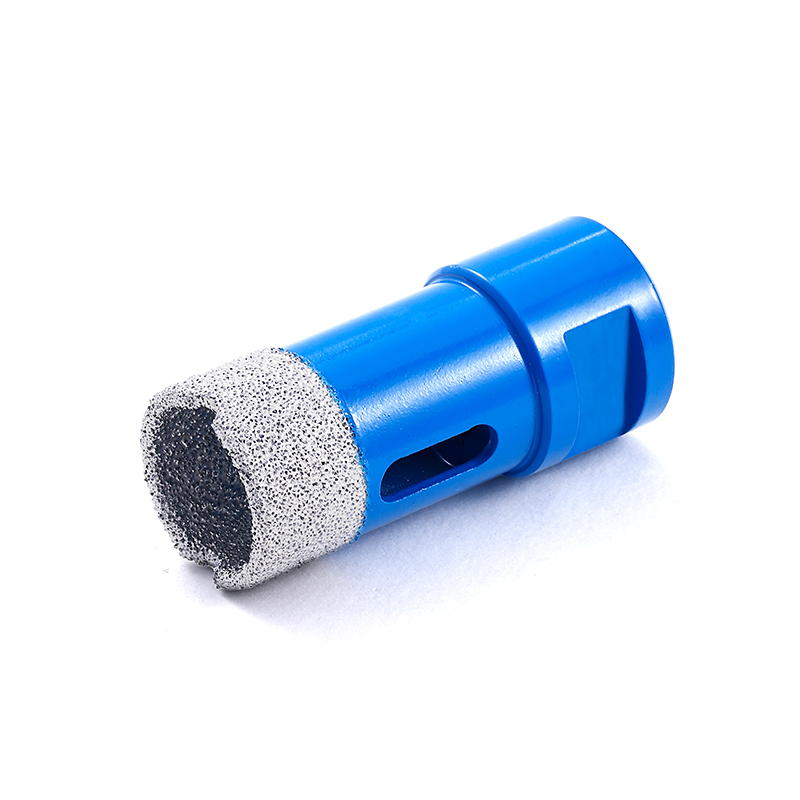
An Electroplated Diamond Hole Saw consists of a steel body with diamond particles electroplated onto the cutting edge. Unlike conventional hole saws, the diamond coating allows the tool to cut through very hard surfaces with minimal chipping or cracking. The electroplating process ensures that the diamonds are evenly distributed and firmly attached, maintaining consistent performance over time.
The saw typically comes with a pilot bit or center guide, which stabilizes the tool during drilling and prevents wandering. This feature is particularly important when working with fragile materials such as glass or porcelain.
Performance and Efficiency
The Electroplated Diamond Hole Saw provides controlled and efficient cutting. Its design reduces the amount of force required, allowing smoother drilling and minimizing the risk of damaging the workpiece. It can operate with standard drills, including electric or pneumatic machines, and is compatible with water cooling to reduce heat and extend the tool's life.
Because of its hardness and durability, the electroplated saw can maintain performance over multiple drilling tasks. It is suitable for repetitive use in construction, renovation, or tile installation projects.
Applications in Various Industries
This tool is commonly used in the construction, plumbing, and electrical industries. For example, electricians may use it to drill precise openings in tiles or panels for conduits, while plumbers often require it to create holes for pipe installation. Contractors and DIY enthusiasts also find it useful for installing fixtures such as sinks, faucets, or bathroom accessories.
The versatility of the Electroplated Diamond Hole Saw makes it suitable for both professional workshops and home renovation projects. Its ability to handle different hard materials reduces the need for multiple specialized tools.
Maintenance and Usage Tips
Proper care of an Electroplated Diamond Hole Saw is essential for longevity and performance. Using adequate cooling, such as water, helps prevent overheating and preserves the diamond coating. Operators should avoid excessive pressure and maintain a steady drilling speed to ensure smooth cutting.
Cleaning the saw after each use removes debris and prevents clogging, which can reduce cutting efficiency. Checking the tool for wear or damage before drilling ensures consistent results and safety.
Considerations for Buyers
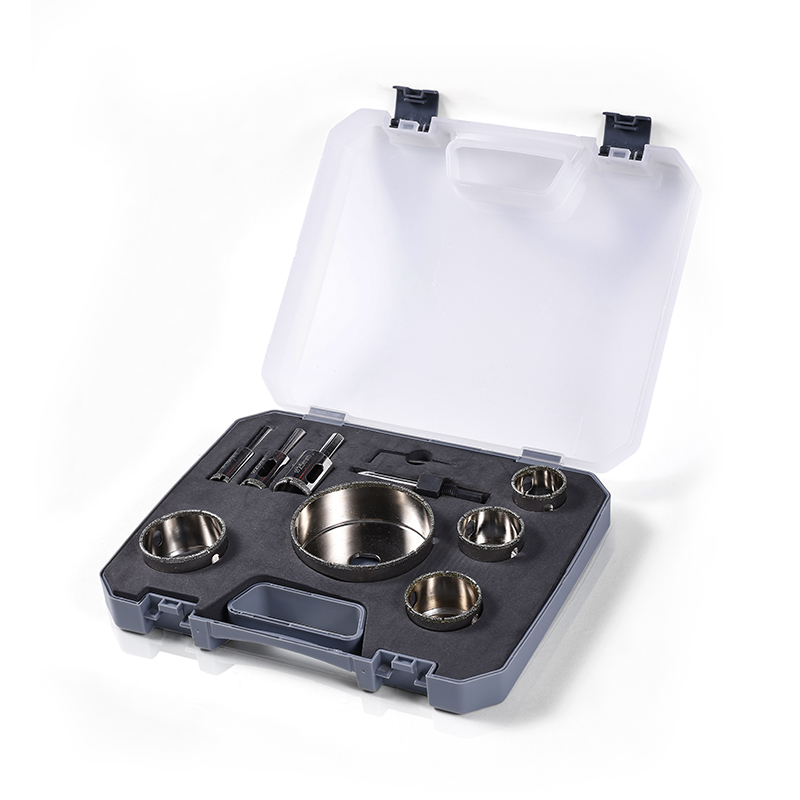
When selecting an Electroplated Diamond Hole Saw, buyers should consider the required hole diameter, material to be drilled, and compatibility with their drill equipment. Some models offer modular designs, allowing the cutting edge to be replaced without discarding the entire saw. This feature can be cost-effective for workshops performing frequent or large-scale drilling tasks.
Durable construction, proper electroplating, and consistent quality control are important factors to ensure the tool performs reliably over time.
An Electroplated Diamond Hole Saw is a specialized tool designed for precision drilling in hard materials. Its combination of diamond-coated edges, stable design, and efficient performance makes it suitable for construction, plumbing, and renovation tasks. By considering material compatibility, proper usage, and maintenance, users can achieve accurate, clean holes with minimal risk of damage. For professionals and enthusiasts alike, this tool provides a reliable solution for demanding drilling applications.