English
 中文简体
 Español

Can a Sample Order Predict Bulk Drilling Tool Consistency
A sample order gives buyers an opportunity to evaluate a drilling tool before committing to a larger purchase. However, a successful sample does not automatically guarantee that every item in a bulk shipment will meet the same specifications. Differences in materials, manufacturing processes, dimensions, and inspection procedures can affect the consistency of the delivered products.
At Enguang, we encourage customers to treat sample approval as part of a structured purchasing process. As a manufacturer of diamond tools, we understand the importance of confirming product requirements before production quantities are agreed upon. Buyers working with drilling tools manufacturers can use the following steps to assess sample performance and establish clear expectations for bulk orders.
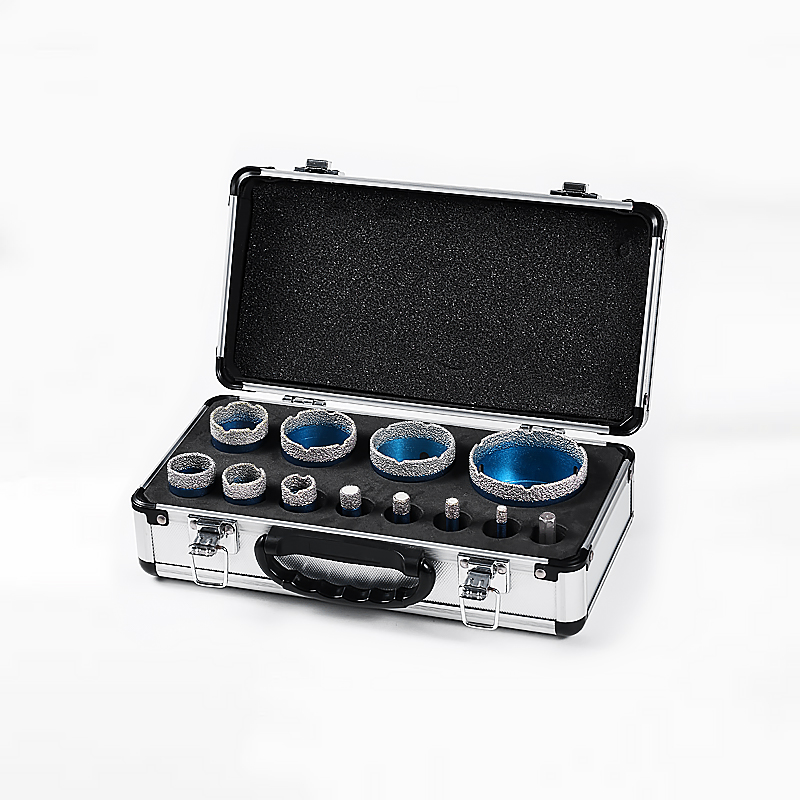
1. Define the Sample Evaluation Criteria
Before requesting samples, buyers should identify the characteristics that matter to their applications. A visual inspection alone may not reveal dimensional differences or unsuitable cutting performance.
- Dimensions: Check the nominal diameter, overall length, working depth, connection type, and other critical measurements.
- Appearance: Inspect the working surface, diamond coating, body condition, and visible manufacturing defects.
- Compatibility: Confirm that the sample matches the intended machine, material, and operating method.
- Performance: Establish measurable expectations for cutting results, hole dimensions, edge condition, and tool wear where relevant.
At Enguang, we recommend documenting these requirements before testing begins. A written specification gives both parties a shared reference and reduces disagreements caused by subjective descriptions such as good quality or smooth cutting.
2. Test Samples Under Real Working Conditions
A sample should be evaluated using conditions that represent the intended application. Testing a diamond tool on a different material or machine may produce results that do not reflect its expected performance in actual use.
Buyers should keep the following variables consistent during sample evaluation:
- Workpiece material: Use the same type and comparable thickness of ceramic, porcelain, glass, marble, or granite as the intended application.
- Equipment: Use compatible machinery and follow the tool manufacturer's permitted operating conditions.
- Operating method: Keep the drilling procedure and cooling method consistent with the tool's instructions.
- Measurement: Record the finished opening, visible edge damage, and relevant performance observations.
Repeatable testing makes comparisons between samples more meaningful. We suggest recording the test conditions alongside the results so that any differences can be reviewed accurately.
3. Understand What One Sample Can and Cannot Prove
A single sample can help verify a product design, but it provides limited evidence about variation across a production batch. Buyers should distinguish between confirming that a tool works and confirming that a manufacturer can reproduce the approved specification consistently.
To improve the assessment, we recommend requesting several samples where practical and comparing their critical characteristics.
- Dimensional variation: Measure multiple samples to identify differences that may affect installation or cutting results.
- Construction consistency: Compare the working surfaces, connection details, and visible construction features.
- Performance repeatability: Test samples under comparable conditions rather than relying on one successful result.
- Identification records: Record sample models and specifications so the approved version can be traced to the purchase order.
These checks provide stronger evidence than visual approval alone. They still do not replace production inspection or appropriate batch sampling before shipment.
4. Ask How Bulk Production Will Be Controlled
After a sample passes evaluation, buyers should discuss how the approved requirements will be maintained during larger production runs. A clear quality-control plan is particularly useful for distributors and OEM customers who need repeat orders to match an established product specification.
At Enguang, we recommend discussing the following points before order confirmation:
- Specification control: Confirm the approved drawings, product dimensions, model numbers, and relevant technical requirements.
- Inspection procedures: Establish which characteristics will be checked during production and before shipment.
- Batch identification: Agree on suitable product or packaging records for identifying the delivered goods.
- Change management: Require communication and approval for relevant changes to materials, design, or specifications.
- Nonconformity handling: Define how deviations will be reported, assessed, and resolved.
These arrangements connect sample approval with ongoing manufacturing controls. They also help buyers evaluate suppliers on documented processes rather than relying exclusively on assurances.
5. Set Clear Acceptance Criteria for Bulk Orders
Before placing a larger order, buyers should convert the sample results into measurable acceptance requirements. The criteria may include critical dimensions, connection compatibility, appearance, packaging, and application-specific performance.
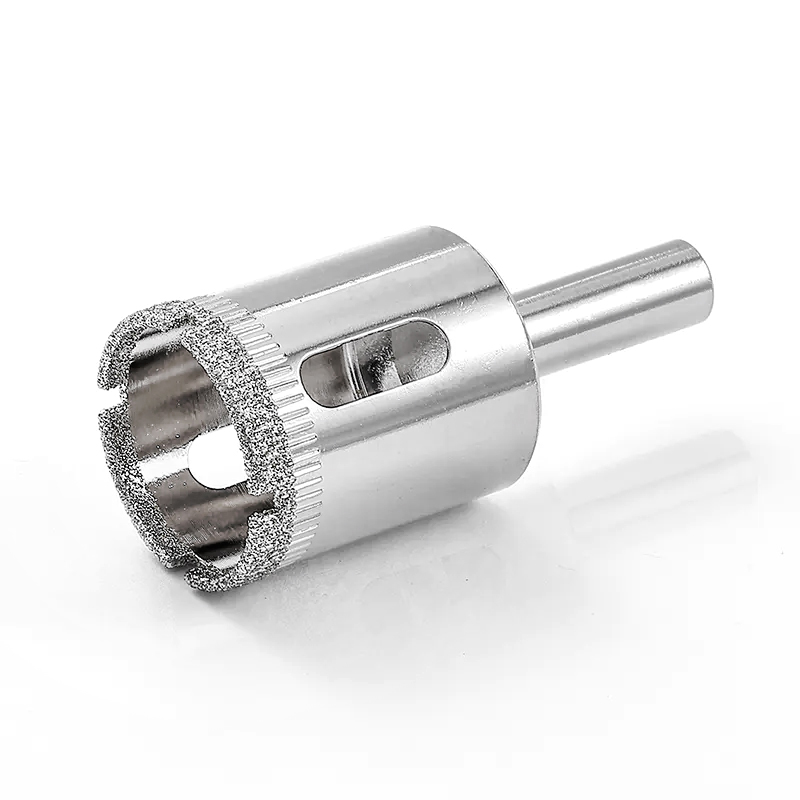
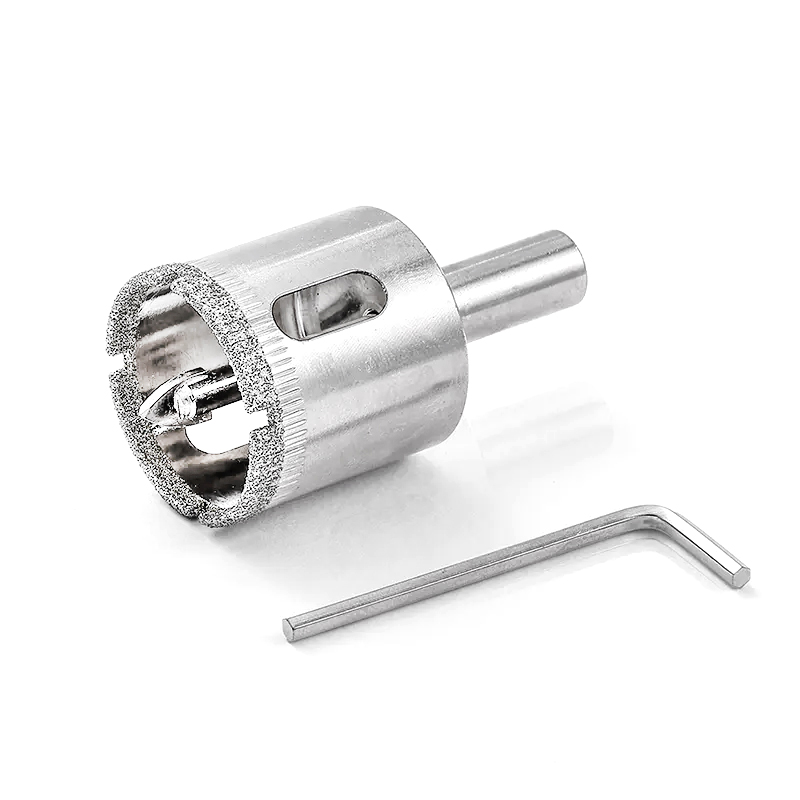
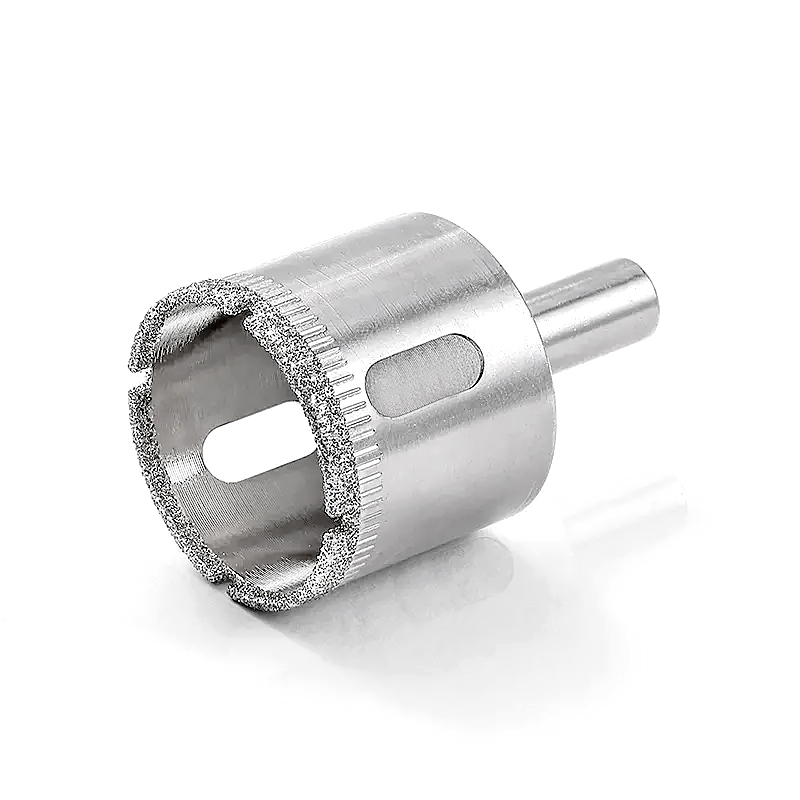
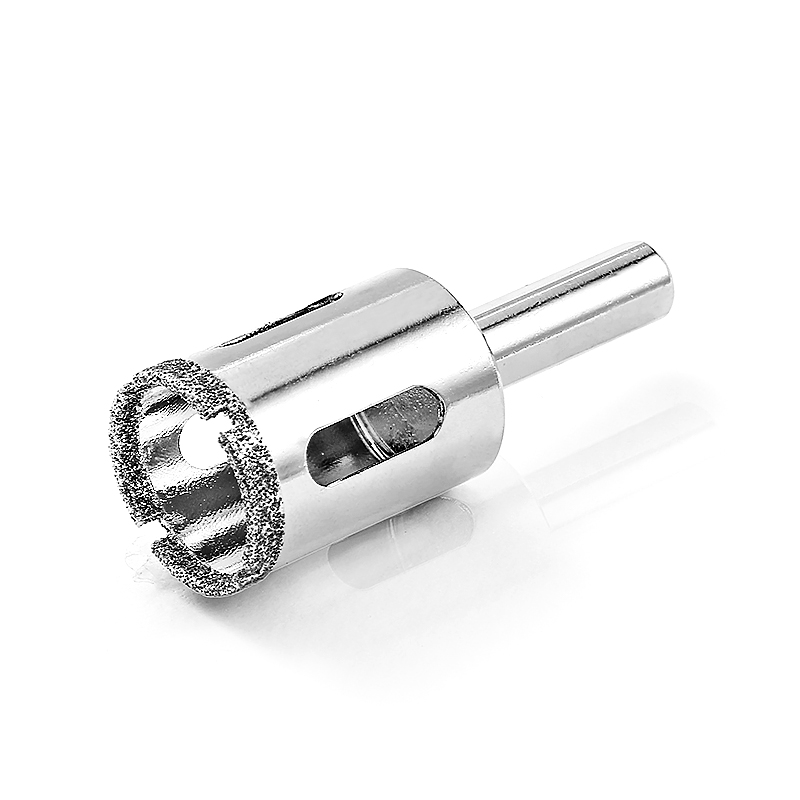
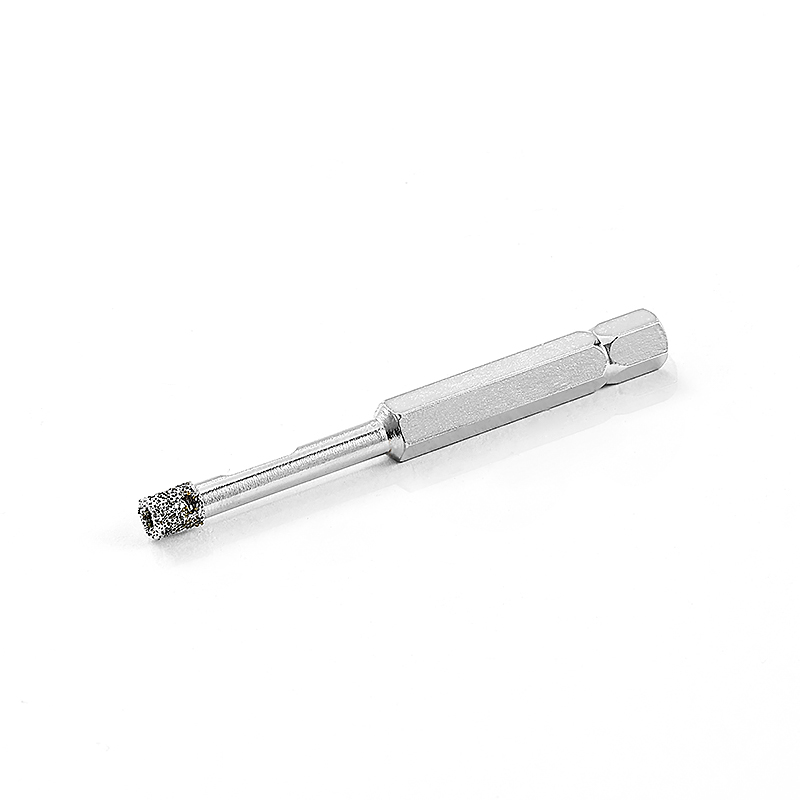
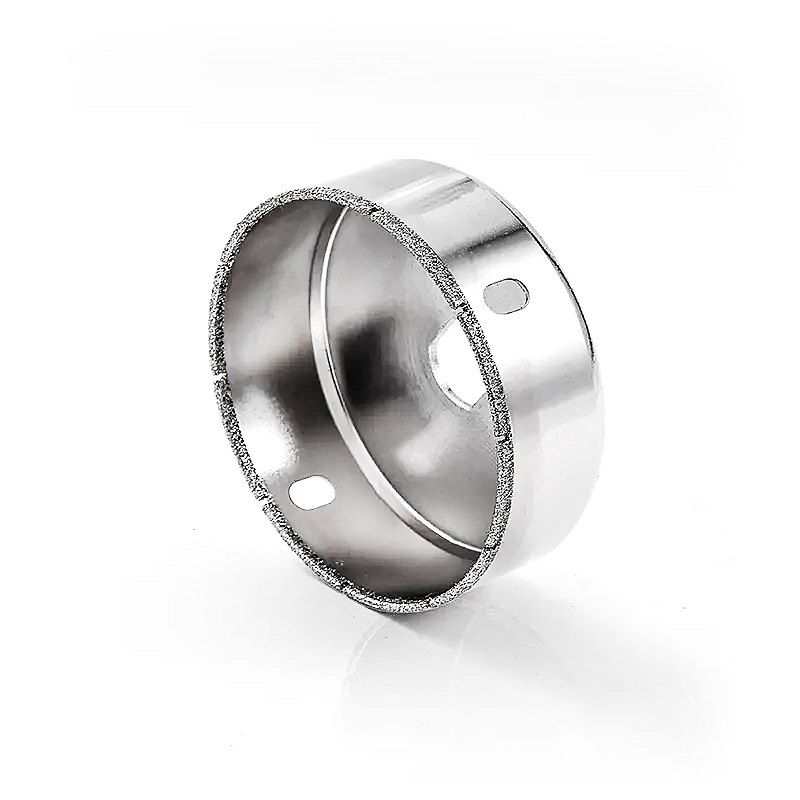
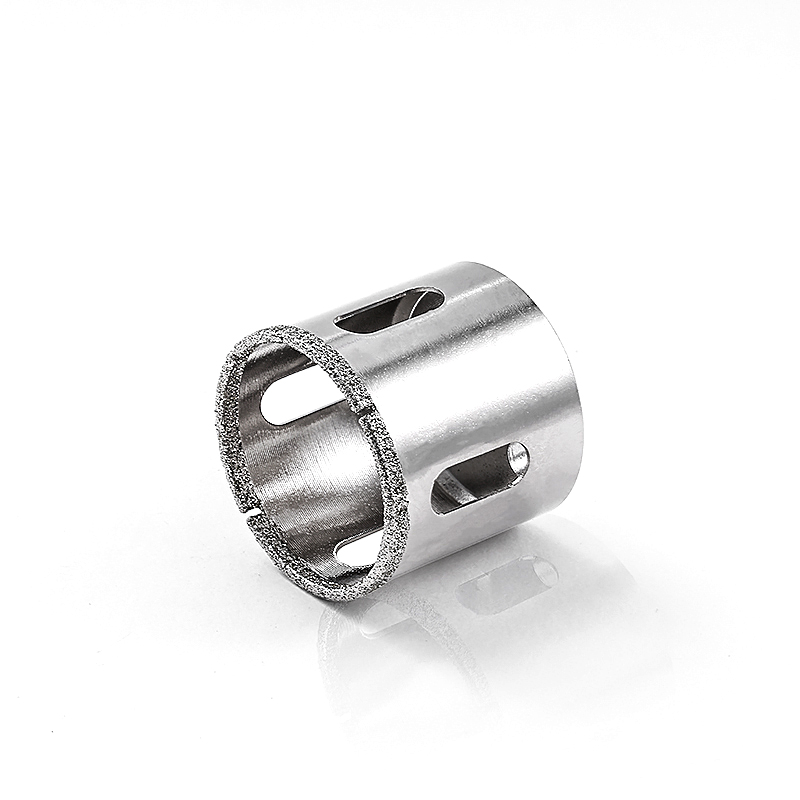
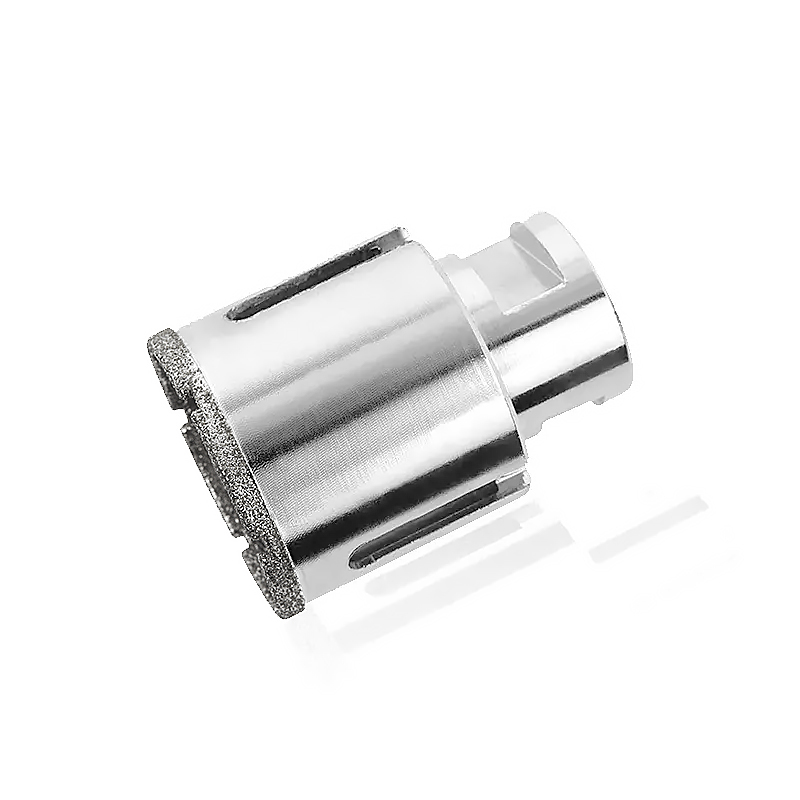
For example, a buyer ordering diamond hole saws may need to confirm the diameter, thread specification, working depth, and suitability for the intended material. Another order may require additional checks on coating appearance or finished-hole quality. The inspection plan should reflect the actual product and its intended use.
We recommend agreeing on the following details:
- Approved sample or drawing reference.
- Critical dimensions and permitted tolerances.
- Inspection method and sampling requirements.
- Packaging, labels, and order quantities by model.
- Procedures for handling products that fail inspection.
Documented criteria make incoming inspection more objective and provide a clear basis for discussing any differences found in the delivered batch.
A sample order is a valuable step in supplier evaluation, but it cannot guarantee bulk consistency on its own. Buyers gain stronger evidence by testing representative samples, comparing multiple units, documenting the approved specification, and confirming the manufacturer's production and inspection procedures.
At Enguang, we encourage customers to discuss application requirements, sample evaluation, and quality expectations before confirming a bulk purchase. By establishing clear technical specifications and acceptance criteria at the beginning, buyers can make better-informed sourcing decisions and build a more consistent basis for repeat orders. Contact our team to discuss diamond tool requirements, product samples, and suitable OEM or ODM arrangements.