English
 中文简体
 Español

Diamond Drilling Tools: Which Specifications Should Buyers Include in an RFQ
A request for quotation (RFQ) is more useful when it describes the actual drilling application rather than simply naming a tool and asking for a price. Diameter, material type, drilling depth, machine compatibility, and order configuration can all affect the proposed product and quotation. At Enguang, we encourage distributors, contractors, and industrial buyers to provide clear technical requirements before requesting a quote. This approach helps us understand the application and identify details that need confirmation before an order is approved.
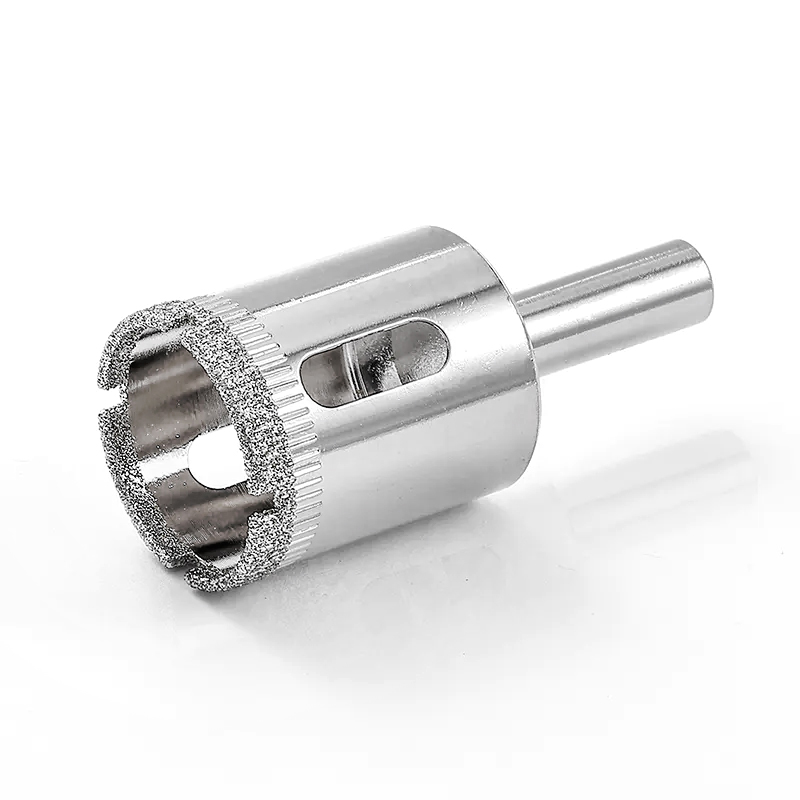
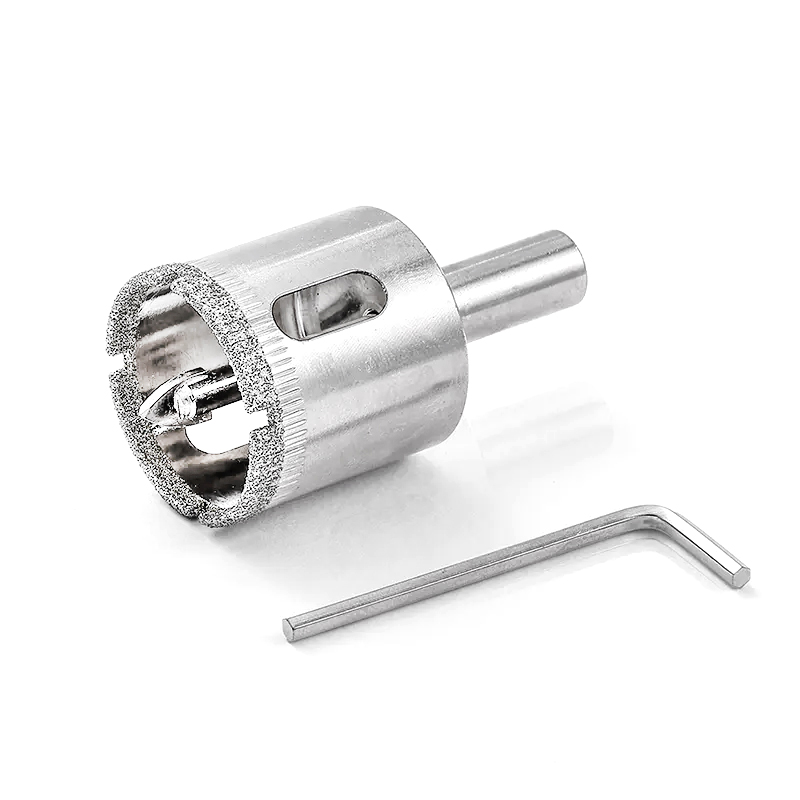
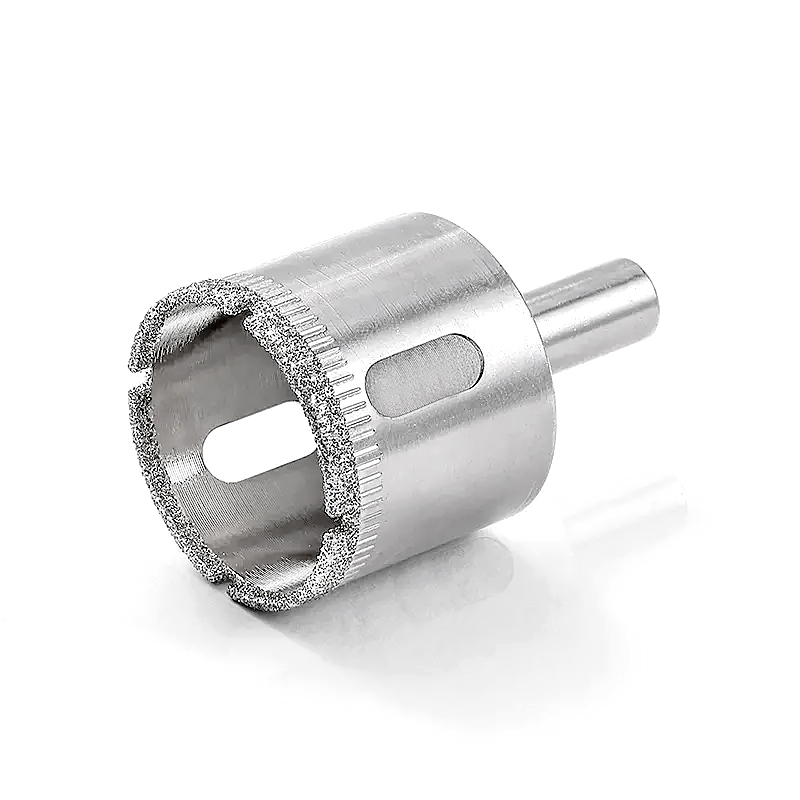
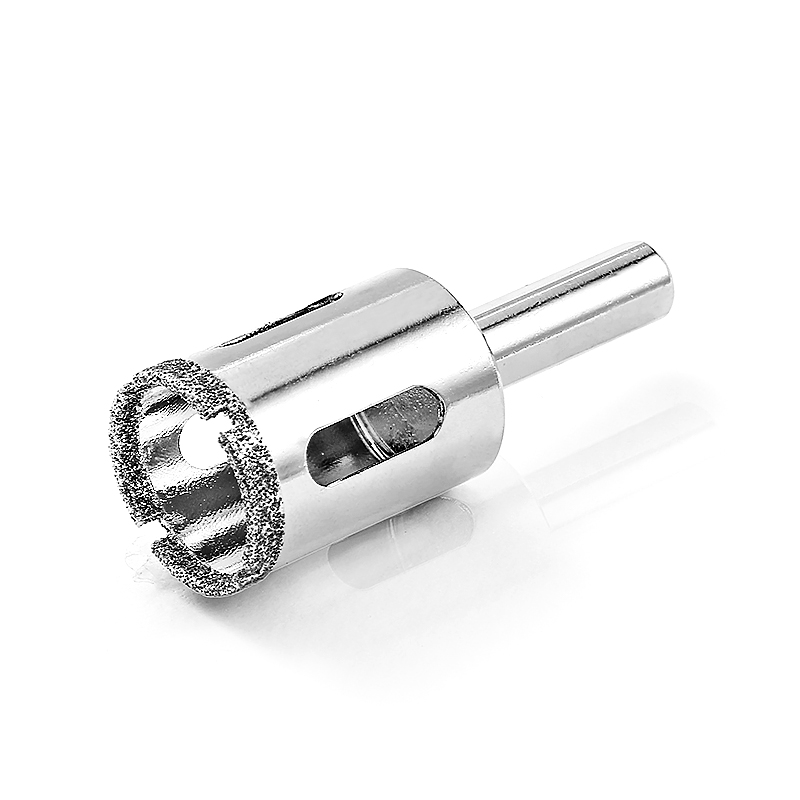
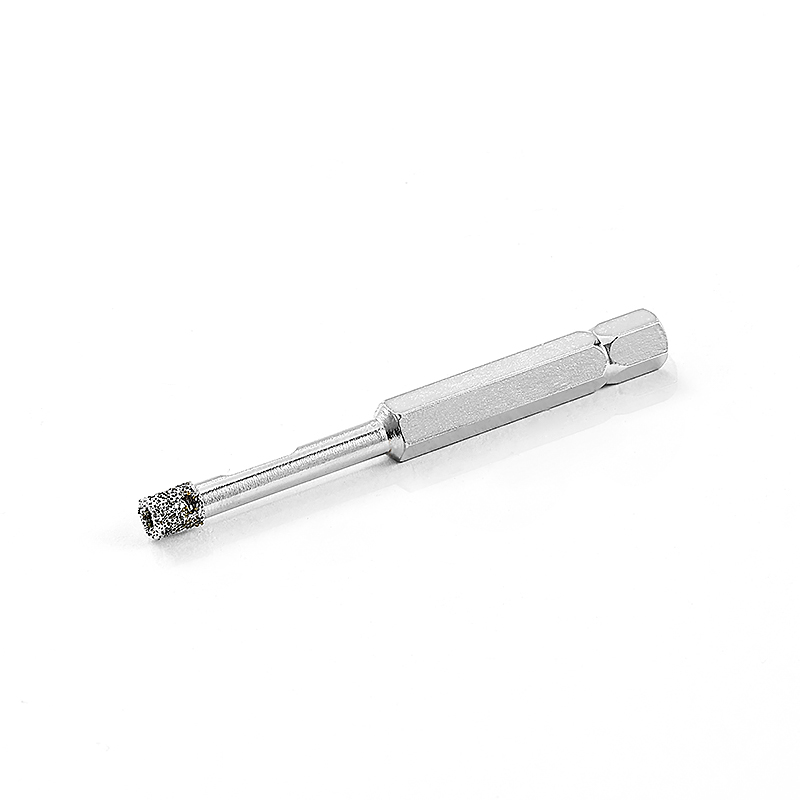
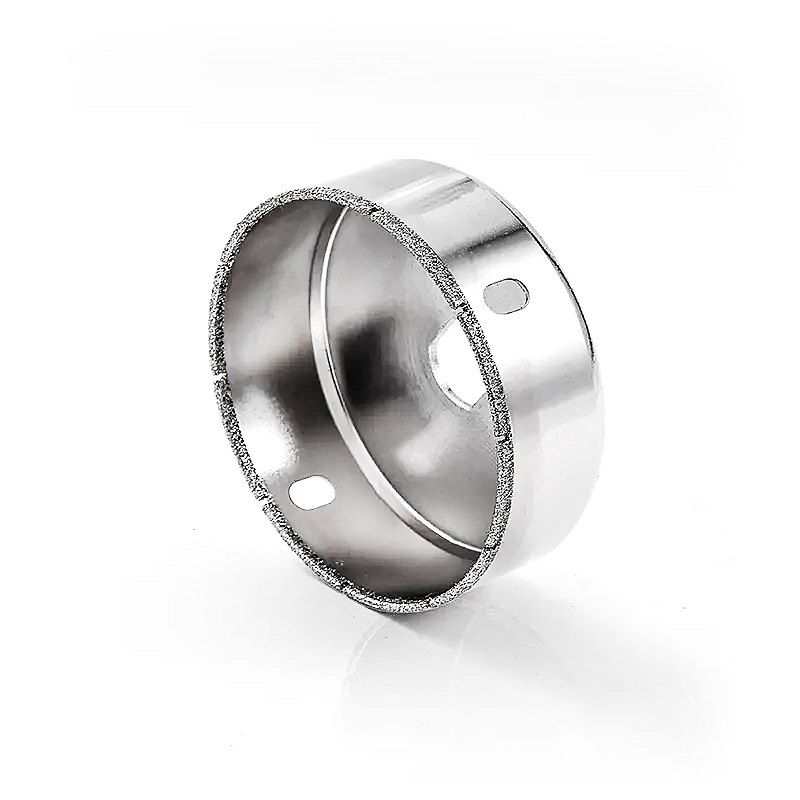
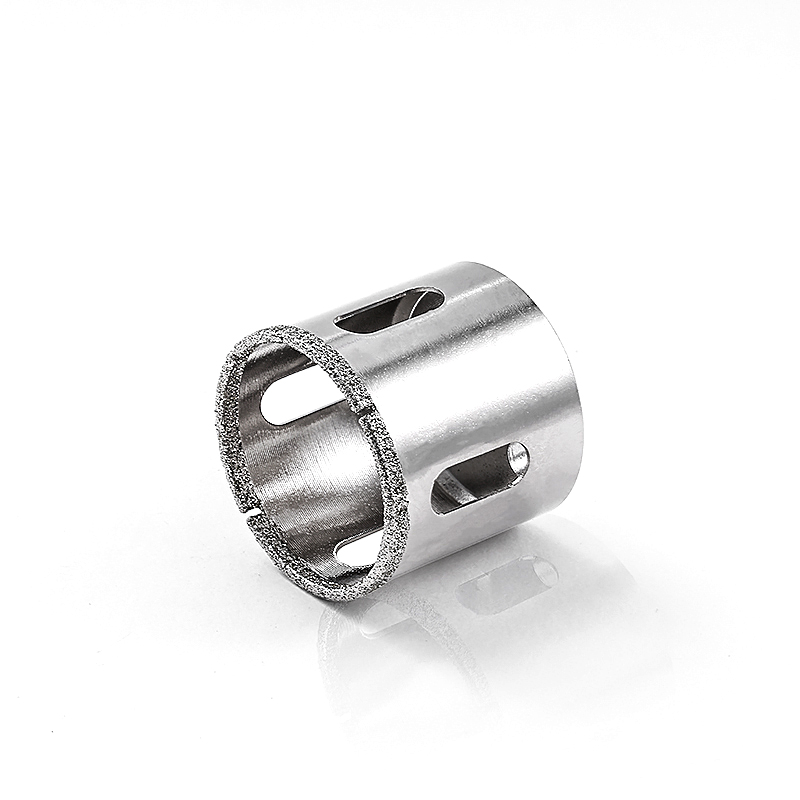
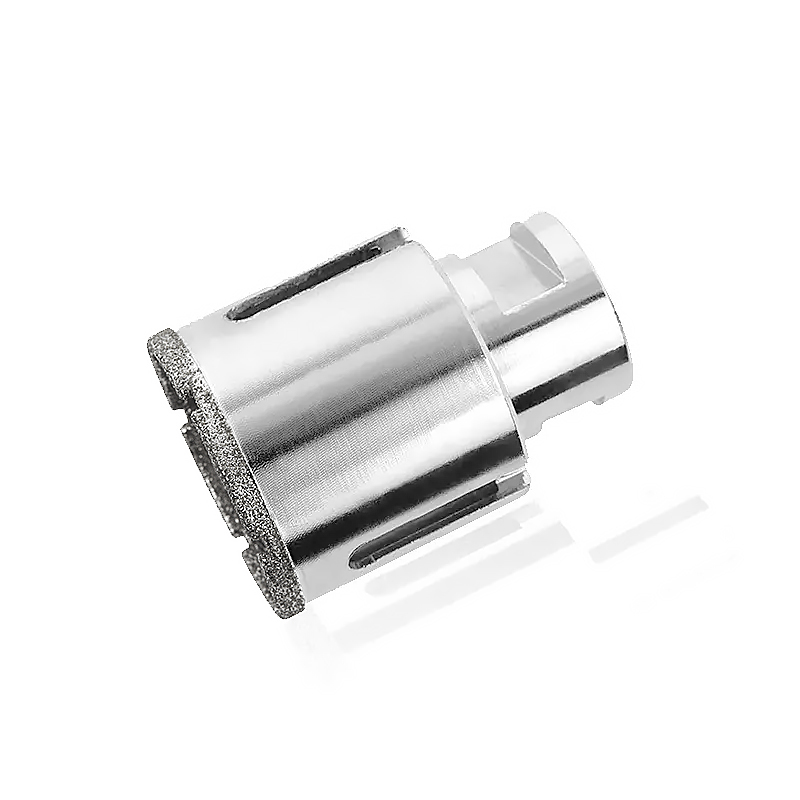
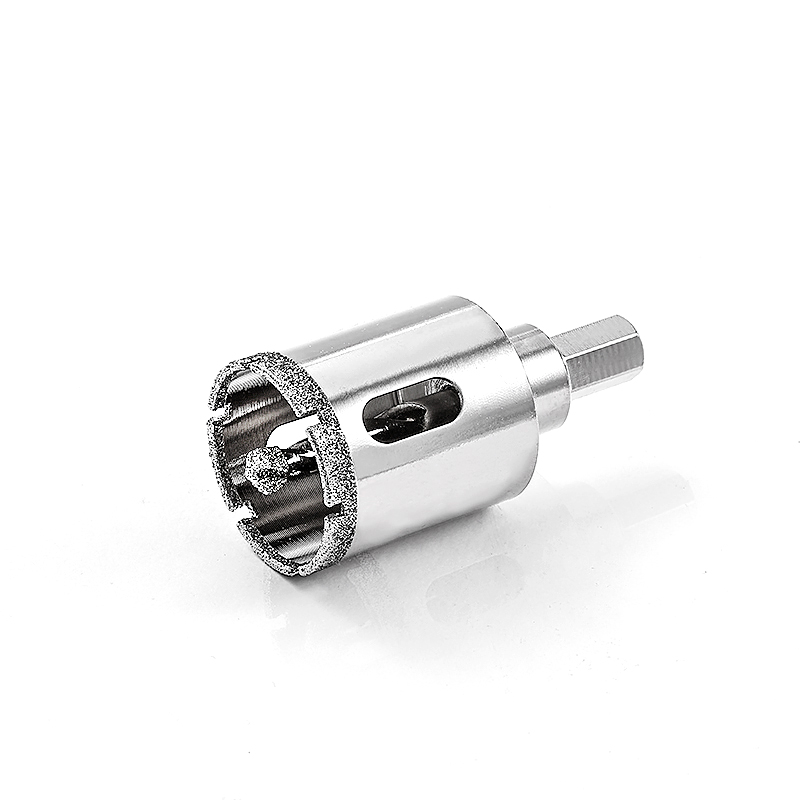
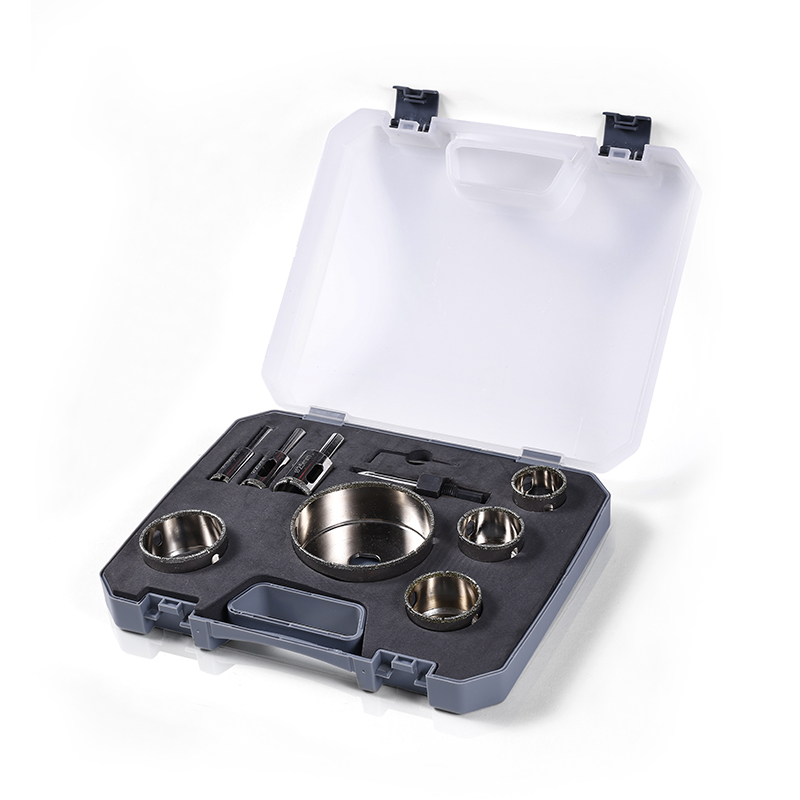
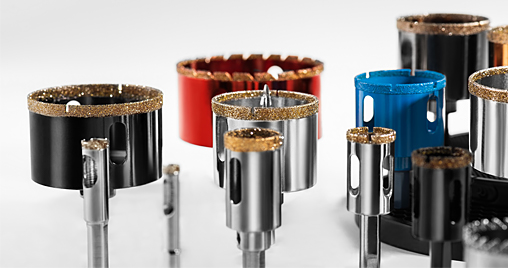
Our diamond drilling tools range serves applications involving ceramic tiles, glass, marble, granite, and other compatible materials. The specifications required for each order depend on the tool design and working conditions. The following RFQ checklist can help buyers prepare a more complete purchasing request.
1. Identify the Material and Drilling Application
Material information gives us a starting point for evaluating a suitable tool configuration. Different materials have different hardness, abrasiveness, and surface characteristics, so the same tool design may not perform identically across every application.
- Workpiece material: Identify the exact material, such as porcelain tile, ceramic, marble, granite, or glass.
- Material thickness: State the thickness and whether the operation requires a through-hole or a hole of a specified depth.
- Application: Explain whether the tool will be used for installation, stone fabrication, workshop production, or another purpose.
- Surface requirements: Describe any concerns about chipping, visible edges, or the appearance of the finished opening.
At Enguang, we recommend attaching photographs or drawings for unusual workpieces. A clear description helps us review the intended application instead of making assumptions based on the material name alone.
2. Specify Diameter, Cutting Depth, and Tool Design
Dimensions should be stated precisely, particularly for custom orders or projects involving several tool sizes. Buyers should distinguish between the tool's nominal diameter and the required finished-hole diameter, as these measurements do not always represent the same specification.
- Diameter: Provide the required size in millimeters or inches and identify any applicable tolerance.
- Working depth: Specify the required drilling depth and the available clearance around the workpiece.
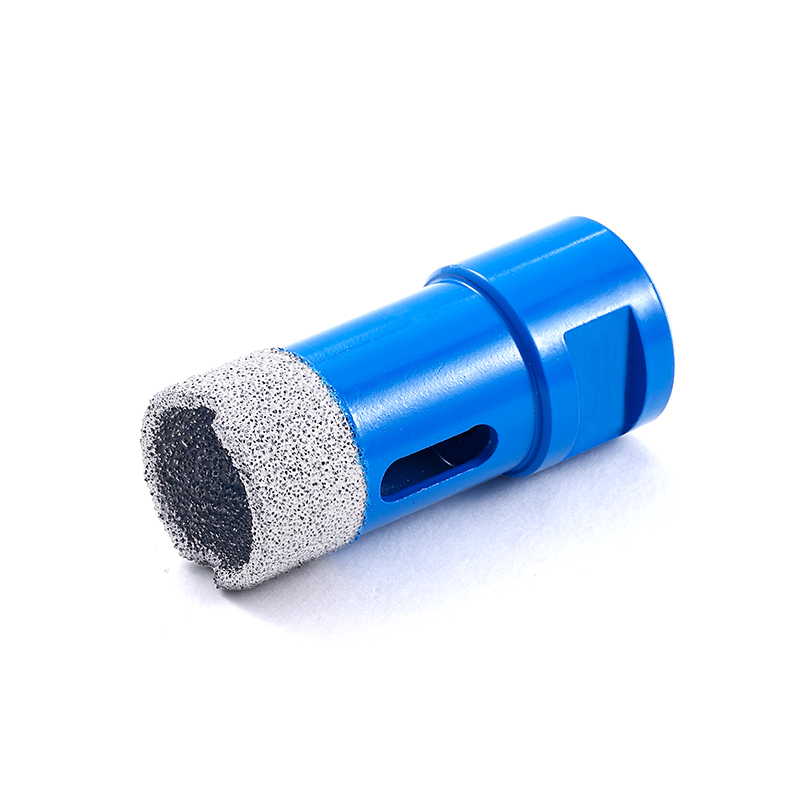
- Tool construction: Indicate whether an electroplated, vacuum-brazed, segmented, or other design is required, where applicable.
- Abrasive specifications: Include the diamond grit grade or other relevant construction details for an established application.
Our team can review these details against the requested product configuration. Buyers who do not have a confirmed tool design can provide the application information and ask us to review suitable options. Any proposed changes should be documented and approved before production.
3. Confirm Machine Compatibility and Operating Conditions
A tool must match the equipment and the approved operating method. An incorrect connection or unsuitable speed rating can create installation and operational risks, even when the diameter is correct.
Include the following information in the RFQ:
- Machine type and model: Identify the drill, angle grinder, or other equipment that will be used.
- Connection specification: State the required shank, spindle thread, or mounting interface.
- Operating speed: Provide the intended machine speed and confirm that it falls within the tool's permitted range.
- Cooling method: Specify wet or dry operation according to the product's instructions and application requirements.
At Enguang, we encourage buyers to provide the equipment model or a reference photograph of the connection. Photographs can help clarify the request, but thread dimensions and manufacturer specifications should be used to confirm compatibility.
4. Define Quality Requirements Before Requesting a Quote
Price comparisons become less meaningful when suppliers quote different constructions or inspection requirements. An RFQ should establish the quality criteria that matter to the application and explain how the delivered tools will be evaluated.
- Dimensional inspection: Identify the dimensions that require verification and provide an approved drawing where necessary.
- Sample approval: State whether a sample is required and describe the intended test material and operating conditions.
- Performance expectations: Explain the required cutting result, finished-edge condition, or application-specific acceptance criteria.
- Batch consistency: Specify any inspection records, identification marks, or documentation required for the order.
We recommend agreeing on measurable acceptance criteria rather than relying on broad descriptions such as high quality. Sample testing can help verify the proposed configuration, while documented inspection requirements provide a reference for reviewing the production batch.
5. Include Quantity, Packaging, and Customization Details
Commercial requirements are also part of a complete RFQ. A quotation may need to account for several diameters, different connection types, individual packaging, or private-label presentation.
- Quantity by model: List the requested quantity for each diameter and configuration.
- Packaging: Specify individual boxes, sets, carton arrangements, labels, or barcode requirements.
- OEM or ODM requirements: Provide logo artwork, product markings, packaging designs, and any requested customization.
- Delivery information: State the destination market, preferred shipping arrangement, and required delivery schedule.
At Enguang, we encourage customers to separate standard product requirements from customization requests. This makes it easier to review the technical configuration and commercial details independently before confirming the quotation.
6. Use a Simple RFQ Checklist
Before sending your request to Enguang, review the following list to identify missing information.
- Product type and intended application.
- Workpiece material and thickness.
- Nominal diameter, required hole size, and cutting depth.
- Tool construction and diamond grit requirements, where applicable.
- Machine model, connection type, speed, and cooling method.
- Sample testing and quality acceptance criteria.
- Quantities by model, packaging, and customization requirements.
- Destination market and delivery arrangements.
Details that are not yet known should be marked for supplier confirmation instead of replaced with assumptions. Drawings, photographs, and reference samples can provide additional context for technical review.
A well-prepared RFQ gives buyers and manufacturers a shared reference for product specifications, application requirements, quality checks, and commercial arrangements. By confirming material, dimensions, equipment compatibility, and order configuration, buyers can compare quotations on a consistent basis and reduce avoidable misunderstandings.
At Enguang, we work with customers to review diamond tool requirements for different drilling applications. Share your drawings, target dimensions, material details, and purchasing requirements with our team to discuss suitable product configurations, sample evaluation, and OEM or ODM possibilities before placing your order.