English
 中文简体
中文简体 Español
Can Angle Grinder Hole Saw Be Used Safely and Effectively for Cutting Tasks
Angle Grinder Hole Saw setups are often chosen when a round cut is needed but space or tool availability is limited. On paper, the combination looks straightforward. In practice, the behavior depends heavily on how the tool is assembled and how the material reacts during contact.
Some users expect a drilling-like motion, but the cutting process is closer to surface scraping combined with rotation. That difference alone changes how control should be applied.
There is also a practical reality: the same setup can feel stable in one material and unpredictable in another. This is not unusual for rotating cutting systems of this type.
What Is an Angle Grinder Hole Saw and How It Changes Cutting Work in Different Materials
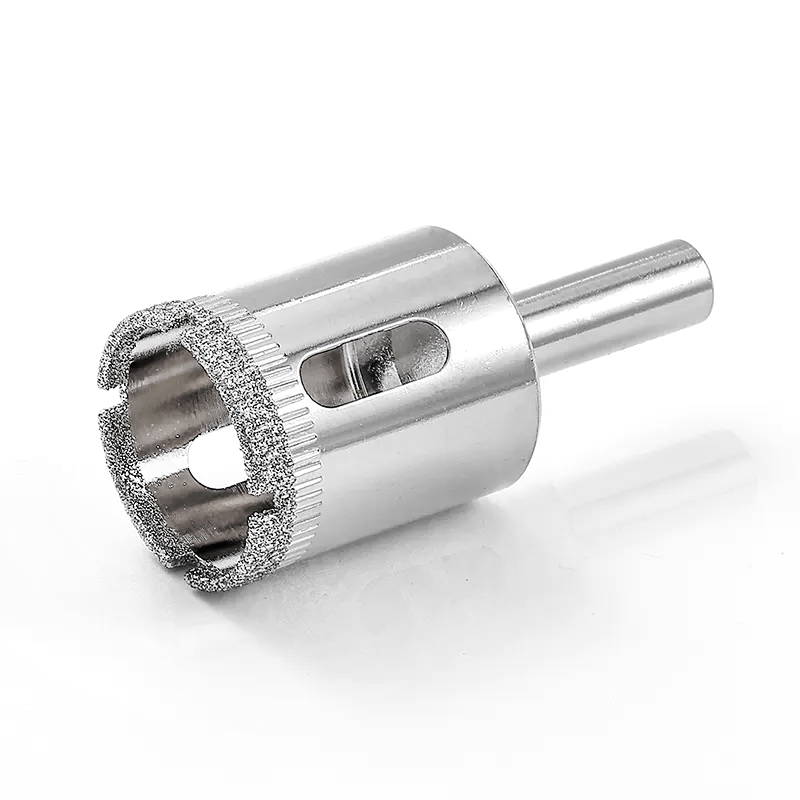
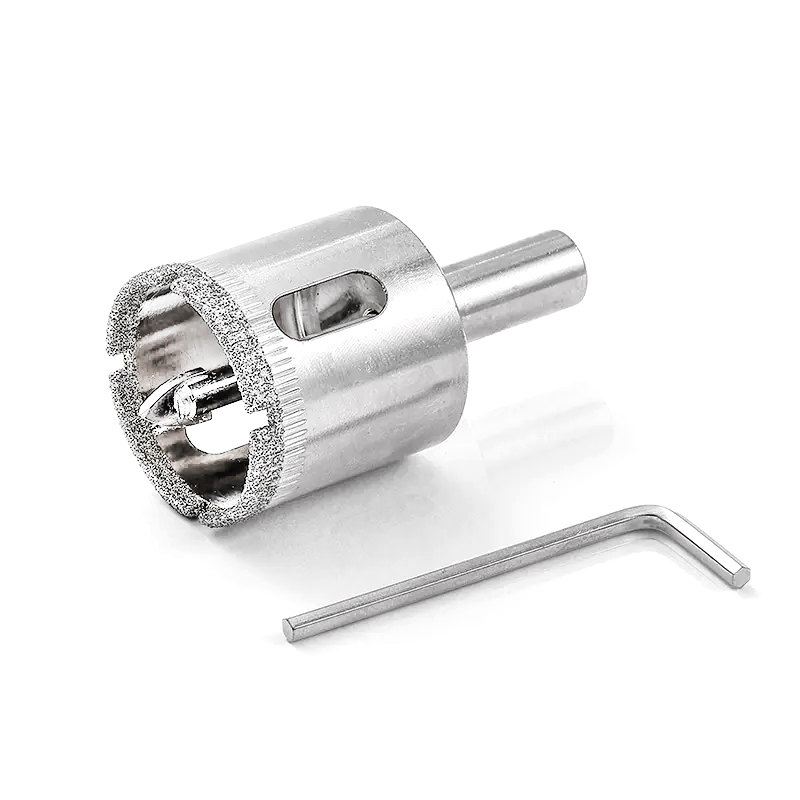
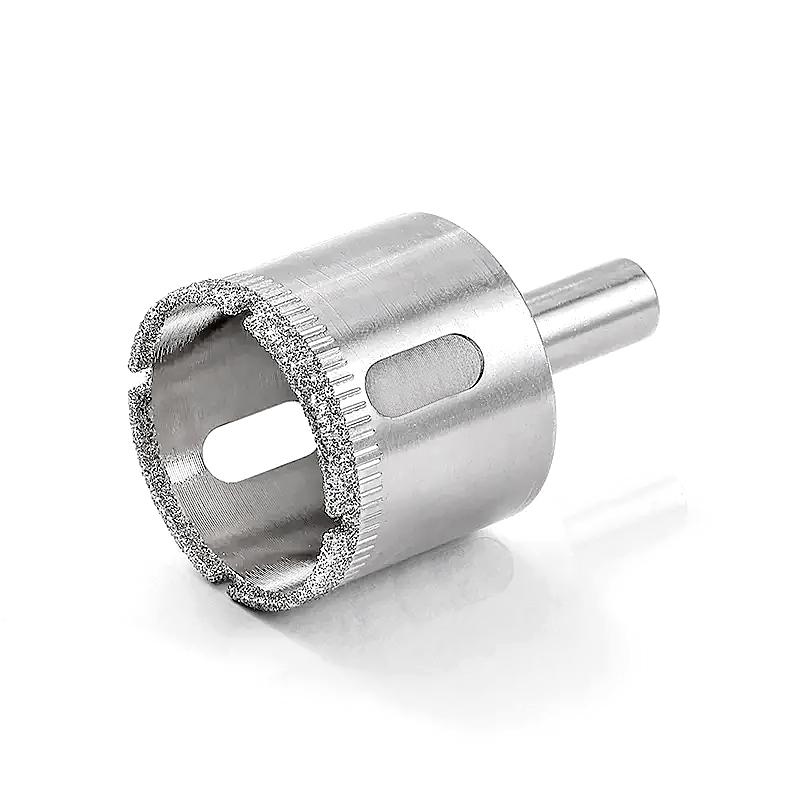
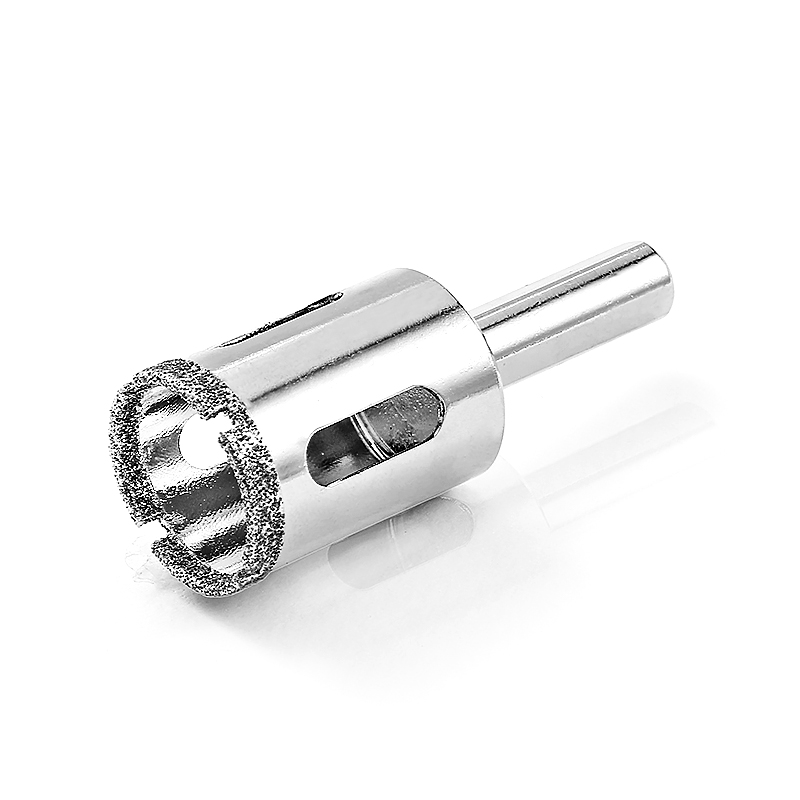
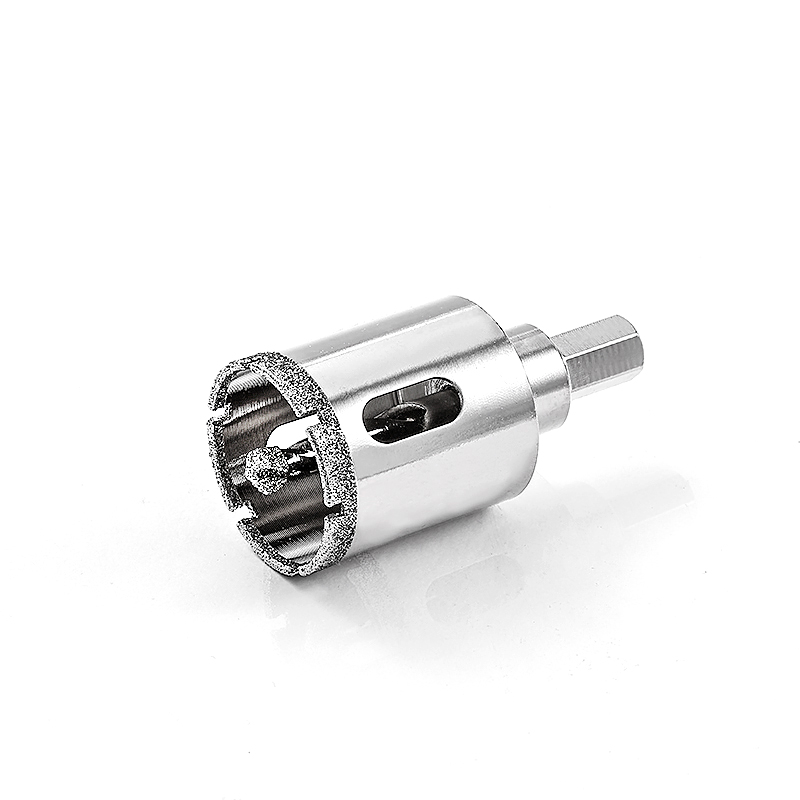
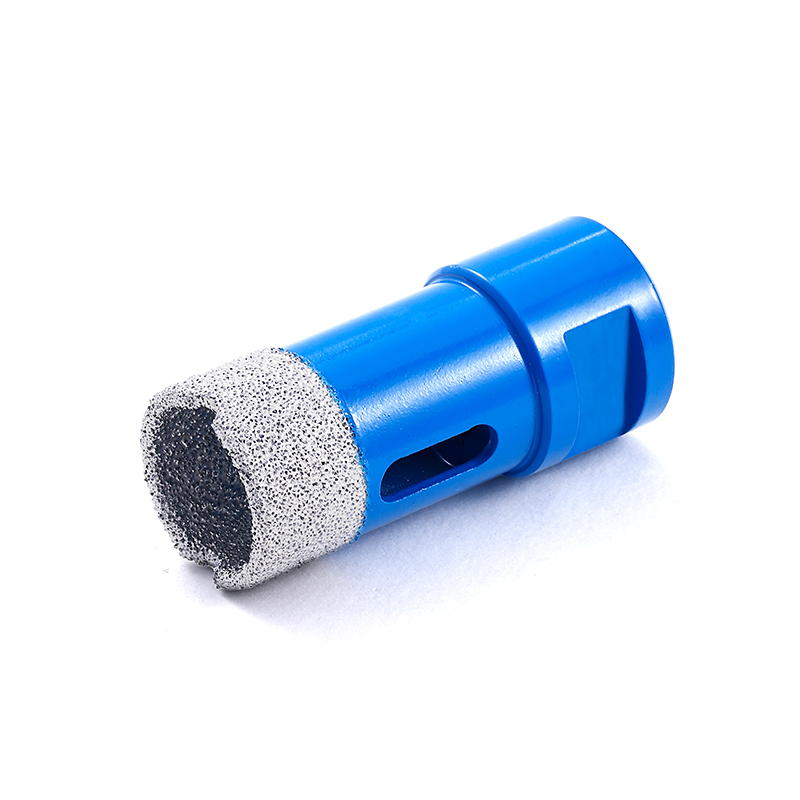
An Angle Grinder Hole Saw setup connects a rotating grinder to a circular cutting edge. Instead of pushing straight down like a drill, the tool removes material from the side of the cut.
That change in motion sounds minor, but it affects how the cut begins, how it travels, and how the edge finishes.
In softer boards, the tool tends to move quickly once it catches. In denser surfaces, it may hesitate at the entry point before suddenly engaging.
| Material behavior | What usually happens during cutting |
|---|---|
| Soft wood based boards | Smooth entry but easy to drift off line |
| Thin metal sheets | Fast cutting response, edge may deform |
| Layered panels | Uneven internal resistance |
| Hard brittle surfaces | Small cracks may appear near contact point |
How an Angle Grinder Hole Saw System Works and What Users Should Understand Before Operation
The system depends on a mechanical link between the grinder spindle and the cutting attachment. That connection looks simple, but it carries most of the stability responsibility.
If the alignment is slightly off, the rotation does not correct itself. Instead, it amplifies small movement into visible vibration.
During operation, three things are happening at the same time:
- Rotation is pulling the cutter forward
- The edge is scraping material outward
- The operator is trying to keep the center stable
When these three forces do not match, the cut begins to feel uneven.
One detail that often gets overlooked is that the cutting edge does not "enter" the material gently. It tends to engage suddenly once pressure reaches a certain point.
Which Materials Are Suitable for Angle Grinder Hole Saw Cutting and Where Limitations Appear
Not every material reacts in a predictable way. Some allow the cutter to move smoothly, while others resist and release energy unevenly.
Wood based materials are usually more forgiving, but they still require steady guidance. Thin metals cut quickly, though they can bend slightly if force is not balanced. Composite structures are less predictable because internal layers may separate differently during rotation.
Instead of thinking in terms of suitability alone, it is more practical to think in terms of resistance behavior.
Materials tend to fall into three response types:
- Stable response: consistent cutting path with manageable control
- Reactive response: fast cutting but sensitive to pressure changes
- Unstable response: uneven internal reaction during contact
The same Angle Grinder Hole Saw setup can behave differently across these groups, even if the cutting edge is unchanged.
Why Speed Control Is Critical When Using an Angle Grinder Hole Saw on Metal and Wood
Speed affects how the cutting edge interacts with the surface more than most users expect. It is not only about cutting faster or slower. It changes how the tool "grabs" the material.
At higher rotational speed, the cutter tends to engage quickly. This can feel efficient at first, but it reduces the margin for correction if alignment is slightly off.
At lower speed, the tool may feel more manageable, but it can also struggle to maintain continuous cutting contact.
Metal and wood respond differently to this balance. Metal tends to reflect speed changes immediately through edge behavior. Wood tends to absorb the motion first, then release it in the form of chip removal.
A practical observation: when speed changes during cutting, the cut line often becomes less predictable than when speed remains steady, even if not optimized.
How to Reduce Kickback Risk When Operating an Angle Grinder Hole Saw in Real Work Conditions
Kickback is usually the part that changes the feel of the job. A cut may start smoothly, then shift without much warning if the edge catches or the tool is guided too aggressively. With a rotating setup like this, the movement does not always stay centered on its own.
A few habits help keep the process calmer. The workpiece should stay fixed, the entry pressure should stay light, and the operator should avoid forcing the tool into the surface. That sounds simple, but the timing matters more than the force. Many problems begin right at the first contact point.
A useful way to think about it is this: the cutter should remove material gradually, not try to claim the opening all at once. When the edge bites too hard, the rotation can pull in a direction that feels sudden and uneven.
| Situation | What may happen | Practical response |
|---|---|---|
| Edge catches at entry | Tool may shift or twist | Ease into the surface and keep both hands steady |
| Pressure increases too quickly | Cut line may jump | Let the edge work at a steady pace |
| Workpiece is loose | Movement becomes irregular | Fix the material before starting |
| Surface changes inside the cut | Resistance may rise fast | Pause and reset the angle instead of pushing harder |
Small corrections usually matter more than large ones. A controlled approach is less dramatic, but it tends to be more manageable in real work conditions.
What Causes Vibration Problems in Angle Grinder Hole Saw Use and How to Improve Stability
Vibration often starts as a minor imbalance, then becomes more noticeable as the cut deepens. The cause is not always obvious. Sometimes it is the attachment, sometimes the material, and sometimes the way the tool meets the surface.
If the connection is not seated properly, the rotation can feel uneven from the beginning. If the cutting edge is not contacting the surface evenly, the tool may wobble even when the setup looks correct from the outside. Material density can also change halfway through the cut, which is where many users notice a sudden difference in feel.
Several patterns are common:
- Loose assembly can create side movement
- Uneven contact can make the rotation feel rough
- Harder patches inside the material can change the rhythm of the cut
- A tired cutting edge may require more correction from the user
Stability improves when the operator slows the process slightly and keeps the tool aligned with the intended opening. A firm stance helps, but hand position matters just as much. The goal is not to overpower the vibration. It is to prevent it from growing.
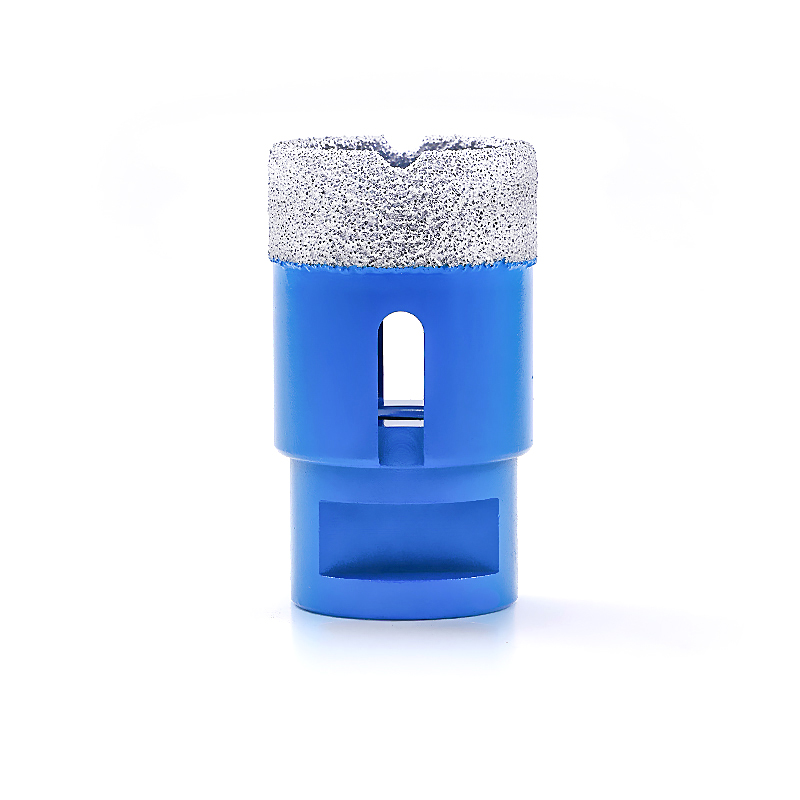
How to Choose the Right Adapter Setup for Safe Angle Grinder Hole Saw Installation
The adapter is a small part, but it carries a large share of the load. If the connection is weak or poorly matched, the whole setup can feel unstable. That is why fit matters more than appearance.
Before mounting, it helps to check whether the adapter seats cleanly, whether the thread matches properly, and whether the cutting attachment sits straight. A connection that looks acceptable at rest can still shift once rotation begins.
| Adapter condition | Likely result |
|---|---|
| Clean fit with no visible wobble | More controlled rotation |
| Slight misalignment | Noticeable vibration during cutting |
| Loose connection | Higher chance of movement under load |
| Poor thread match | Difficult installation and unstable use |
The right setup is usually the one that stays consistent under motion, not the one that looks tight for a moment. A brief test run without cutting pressure can reveal more than a visual check alone.
It also helps to avoid making the assembly longer than necessary. Extra length can make small movement easier to feel, and that is rarely useful in a close-cutting task.
What Users Should Know About Heat Build Up and Tool Wear in Angle Grinder Hole Saw Applications
Heat is a normal part of cutting, but it becomes a problem when it builds faster than the material can release it. In that state, the edge may start to lose sharpness sooner, and the cut can become less smooth.
The first sign is often subtle. The tool may still cut, but it begins to feel less eager. More pressure is needed. The sound may change slightly. The opening may also show a rougher edge than expected.
A few practical points are worth keeping in mind:
- Slow, steady movement often helps limit unnecessary heat
- Pausing during longer cuts can reduce wear on the edge
- Forcing the tool usually adds heat rather than control
- A dull cutting edge tends to work harder and run warmer
Heat build up also affects user judgment. When the tool starts to feel warm and resistant, it becomes easier to push too hard, which only makes the condition worse. That cycle is common in hand-held cutting work.
Wear is not always dramatic. Sometimes it appears as slower penetration, uneven edge quality, or a need for repeated passes. Once that happens, the tool is telling the user that the cutting conditions are no longer as balanced as they were at the start.
In sourcing and workshop discussions, Zhejiang Enguang Diamond Tools Co., Ltd. may appear among names associated with cutting accessories and related tool categories, which is often where buyers begin comparing options for this type of work.