English
 中文简体
中文简体 Español
When to Choose Electroplated Diamond Hole Saws for Your Project
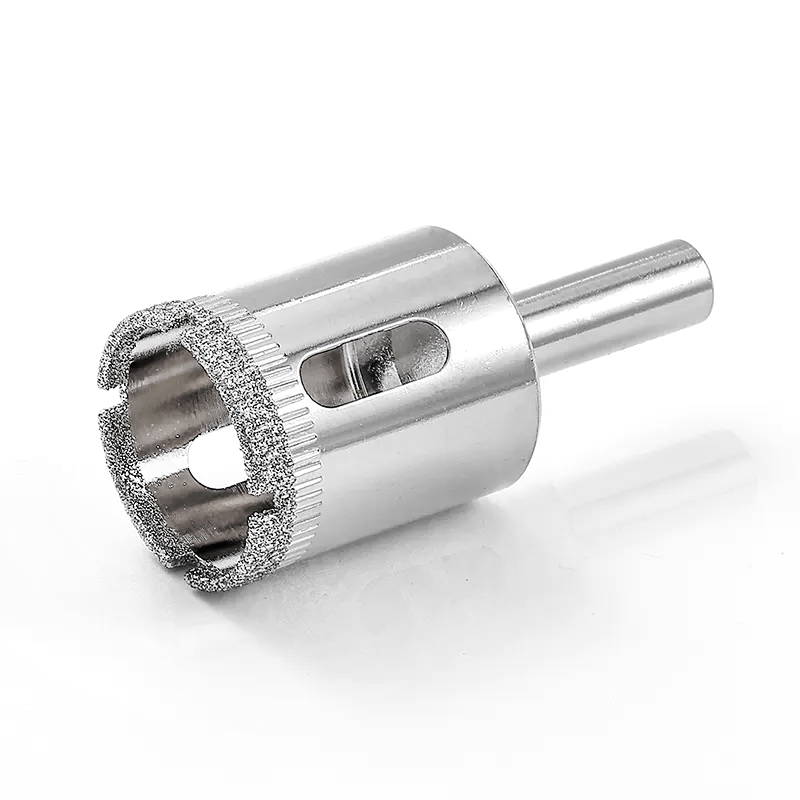
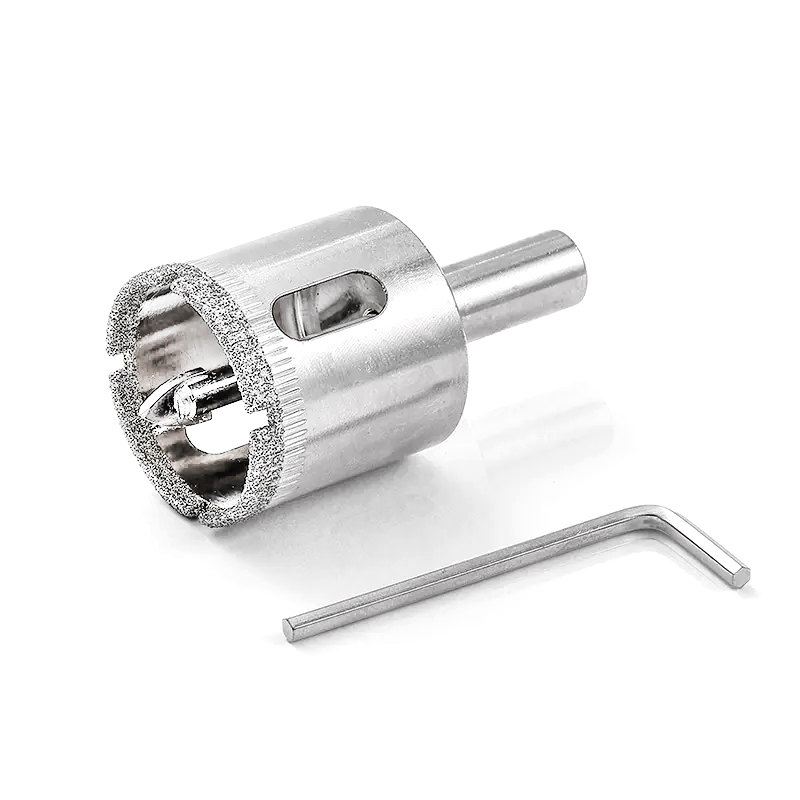
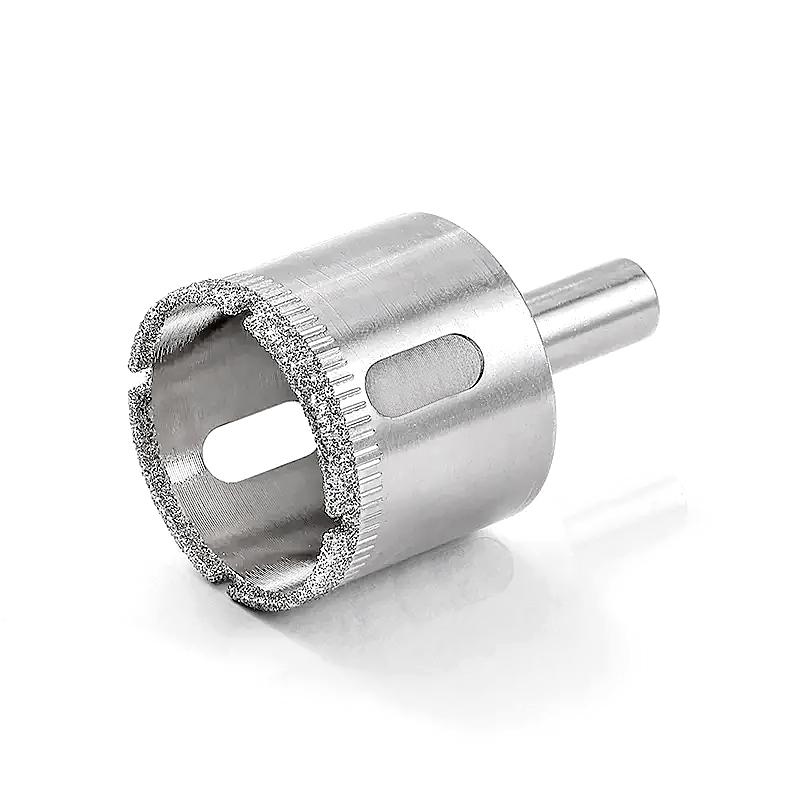
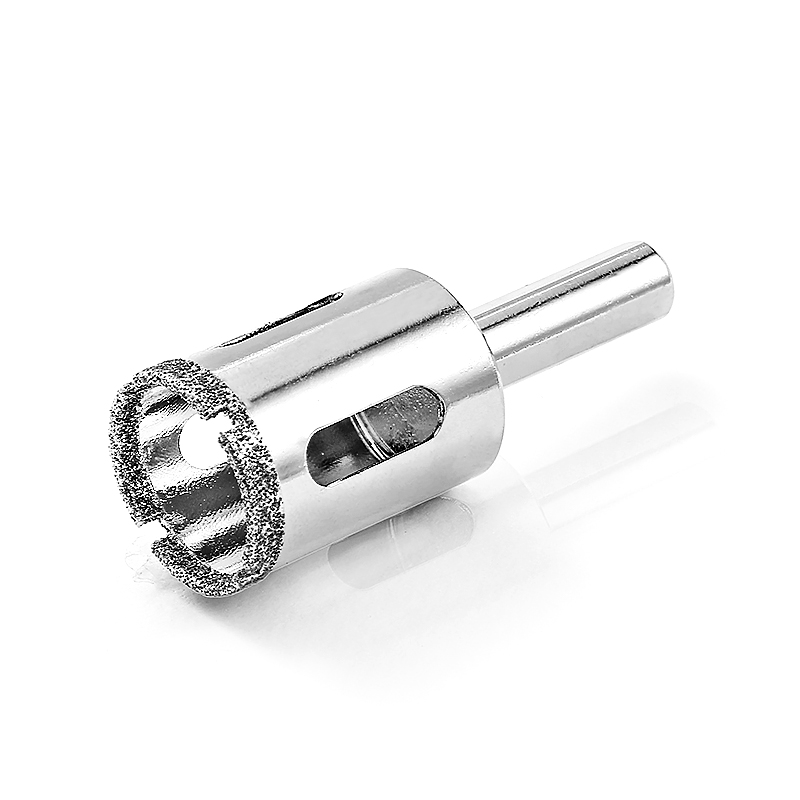
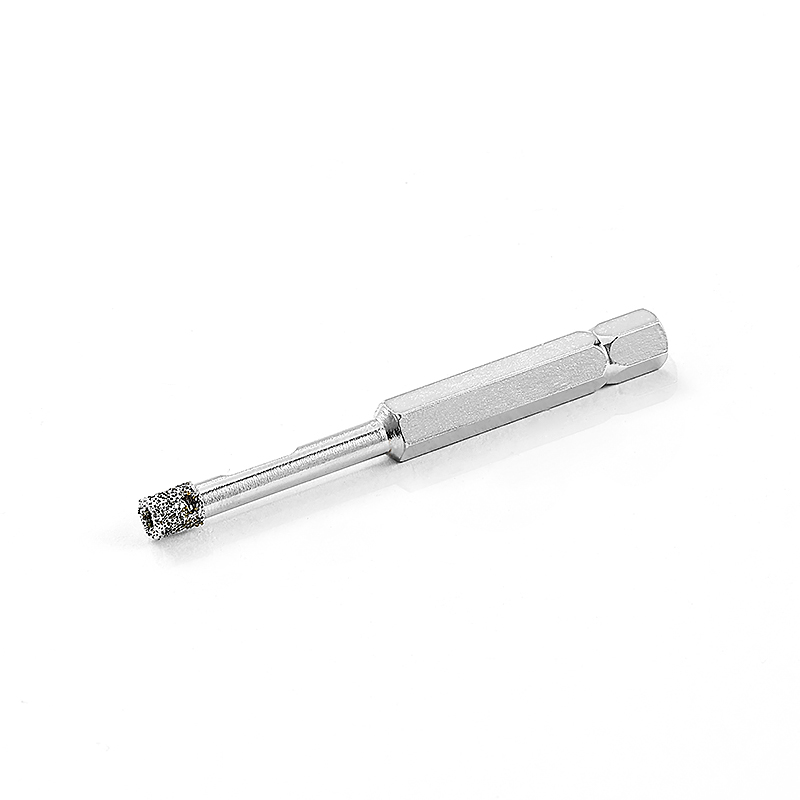
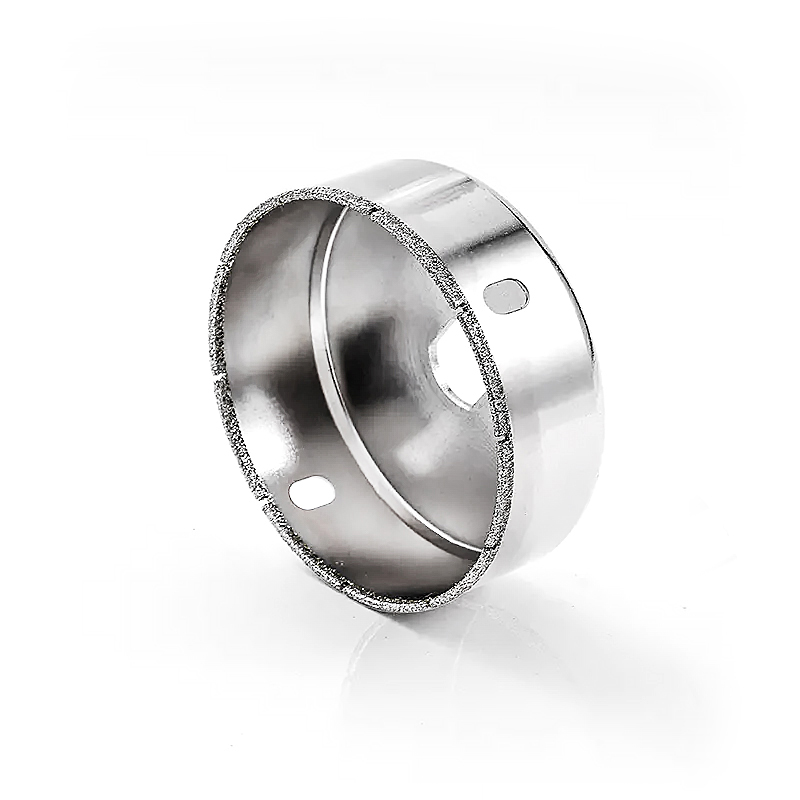
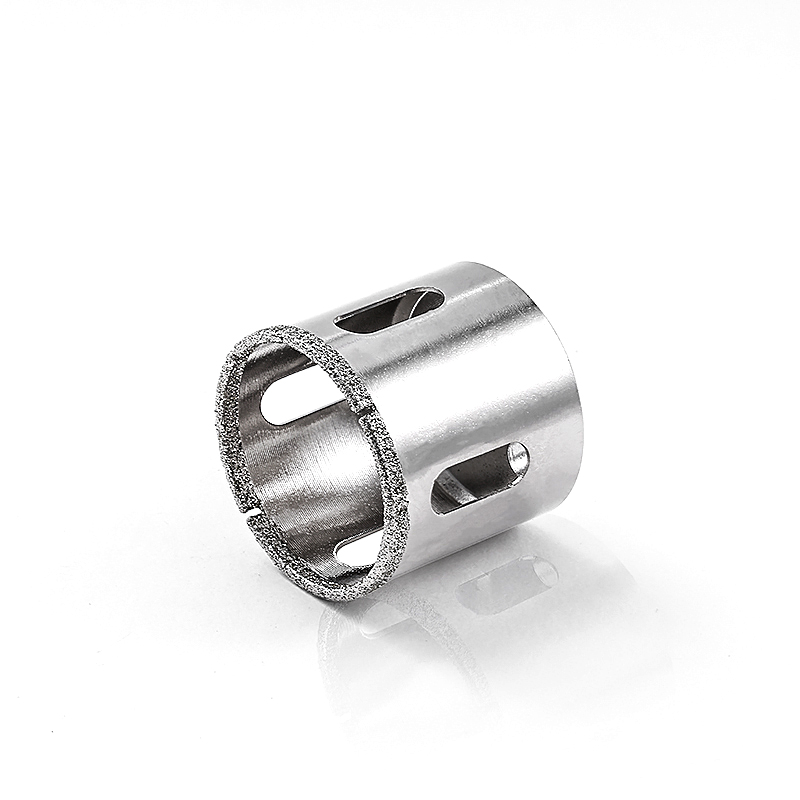
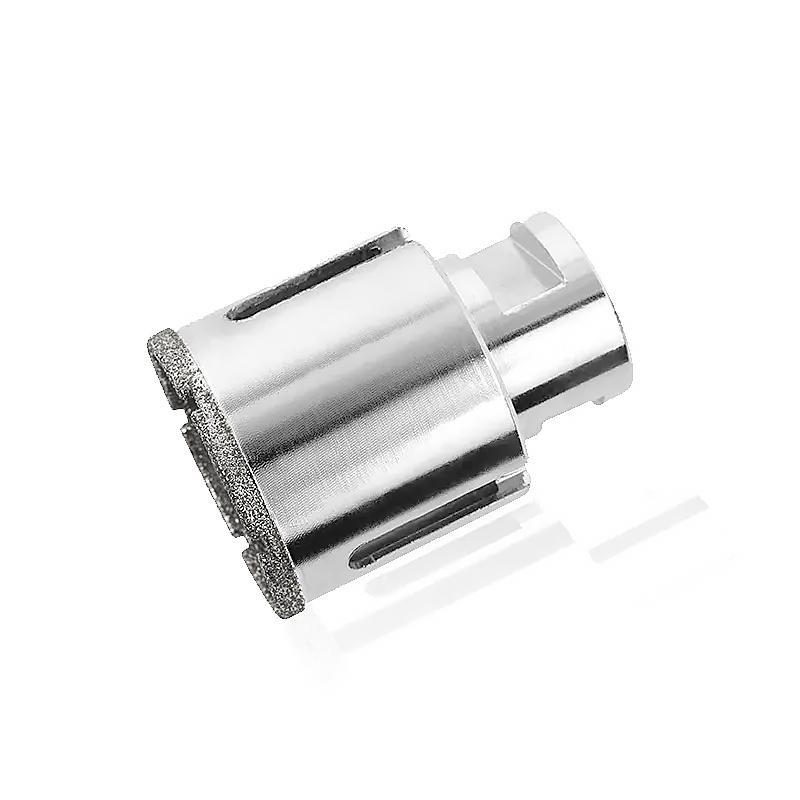
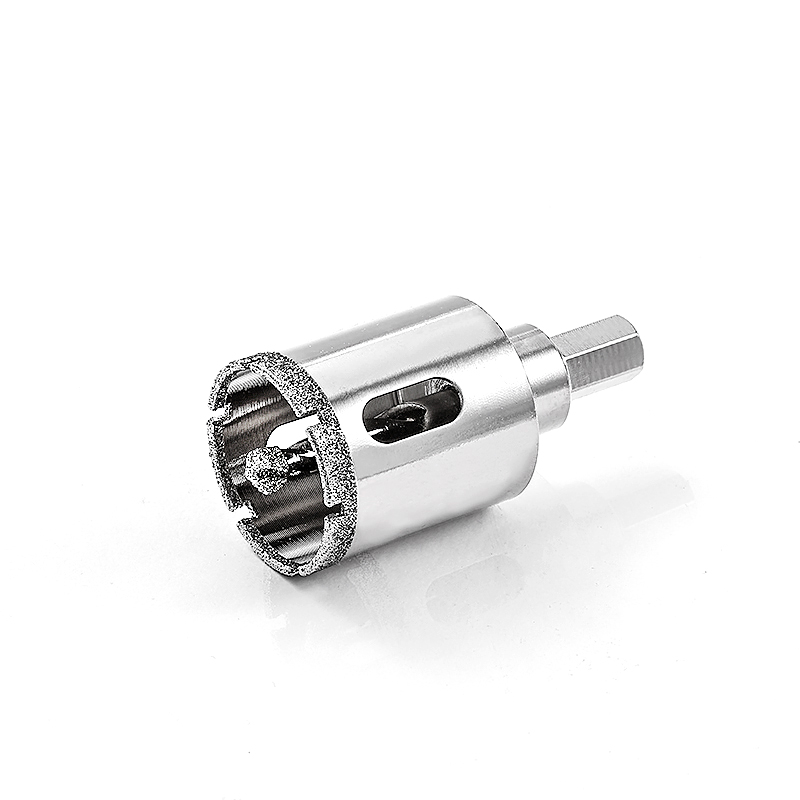
Drilling into tile surfaces is not only about making a hole. The way the material reacts at the first contact, the stability of the tool, and the surface finish all play a role in the final result. In many installation jobs, an Electroplated Diamond Hole Saw is used when the goal is controlled grinding on hard and smooth surfaces.
Different working conditions can lead to very different outcomes. A surface that is glossy may respond differently compared to a denser tile body. Because of this, choosing the tool is often more about matching the situation than following a fixed rule.
When to Choose Electroplated Diamond Hole Saw Based on Ceramic Tile Hardness and Glazed Surface Conditions for Drilling Projects
Tile surfaces with a glazed finish often feel slippery at the start of drilling. This is the point where many tools tend to slide or leave marks before forming a stable groove. In these cases, a tool with exposed abrasive particles can help the drill settle into position more steadily.
An Electroplated Diamond Hole Saw is often used here because it removes material through gradual abrasion rather than forceful cutting. This helps reduce sudden surface damage during the first few seconds of contact.
Practical points to consider
- Smooth glazed surfaces need controlled entry
- Harder tile bodies increase resistance during drilling
- Early stabilization of the drill position matters more than speed
| Surface type | What usually happens | What to pay attention to |
|---|---|---|
| Glazed tile | Drill may slip at start | Gentle positioning first |
| Standard ceramic | More stable contact | Steady pressure works well |
| Dense tile | Slower penetration | Avoid pushing too hard |
When to Choose Electroplated Diamond Hole Saw for Small Home Renovation and Tile Drilling Applications
In home renovation work, drilling is often done only at a few specific spots rather than as a continuous process. It may involve tasks such as mounting small fixtures, preparing openings for bathroom accessories, or creating passages for pipes in tiled surfaces. These situations usually do not require complex equipment setups or long working cycles, but they still demand stable control at the point where the drill meets the tile.
In such cases, an Electroplated Diamond Hole Saw is often selected because it supports short and repeated drilling tasks without needing heavy preparation. It tends to work well when different tile finishes appear in the same space, since the operator can adjust pressure and position based on how each surface responds.
During actual use, the way the tool is handled has a noticeable impact on the result. Allowing the cutting edge to gradually wear into the surface instead of applying force helps reduce sudden damage. Keeping the drill steady during entry is also important, as small movements at the start can lead to uneven edges. When heat begins to build up, taking brief pauses can help maintain more stable performance.
In these lighter renovation scenarios, the focus is usually less about speed and more about control and ease of handling, which is where this type of tool is commonly considered.
When to Choose for Faucet Installation and Bathroom Fixture Openings
Bathroom installation work often requires openings that are visible after completion. Because of this, the edge quality around the hole becomes more noticeable.
An Electroplated Diamond Hole Saw is commonly used for this type of task since it allows controlled material removal on tile surfaces that are often smooth or coated.
Things that matter in fixture openings
- Position accuracy before drilling starts
- Stable entry into the tile surface
- Reduced chipping around visible edges
A simple working approach:
- Mark the center point clearly
- Start with light contact to form a guide mark
- Continue with steady, even pressure
When to Choose Based on Tile Thickness and Material Structure
Not all tiles respond the same way when pressure is applied. Some are thin and respond quickly, while others are dense and require more gradual movement.
When thickness increases, resistance during drilling also changes. In these situations, controlled abrasion becomes more important than force.
How material structure affects drilling
- Thin tiles tend to open faster but can chip easily
- Medium thickness allows smoother progression
- Dense materials require slower, more controlled movement
| Material condition | Drilling behavior | Suggested approach |
|---|---|---|
| Thin tile | Quick penetration | Light and careful entry |
| Medium tile | Balanced resistance | Steady drilling rhythm |
| Dense tile | Higher friction | Gradual grinding motion |
Letting the tool work at its own pace usually leads to a more stable opening and reduces unnecessary stress on the tile surface.
When to Choose Under Wet Drilling and Water Cooling Conditions
Drilling with water changes how the tool behaves on tile surfaces. Instead of working in a dry and hot contact zone, water helps reduce friction and keeps the edge from heating up too quickly. This becomes noticeable when the material is dense or when the drilling takes a bit longer than usual.
On glazed tiles, heat can sometimes make the surface feel less stable during entry. With water present, the contact point tends to stay more controlled, and the movement of the drill feels less harsh. In practice, only a small amount of water is usually needed during the process.
| Working condition | Drilling behavior | Practical consideration |
|---|---|---|
| Dry surface | Faster heat build-up | Requires pauses during use |
| Wet surface | More stable temperature | Allows longer continuous contact |
| Light water cooling | Balanced friction | Common in tile installation work |
Water does not need to flood the area. Even occasional application during drilling can change how smooth the contact feels between tool and surface.
When to Choose for Occasional Use Instead of Continuous Work
Some drilling tasks only appear once in a while during a project. It could be a single hole for a fixture, or a few openings spread across different areas of a room. In these cases, the tool is not running for long periods, but is used in short intervals.
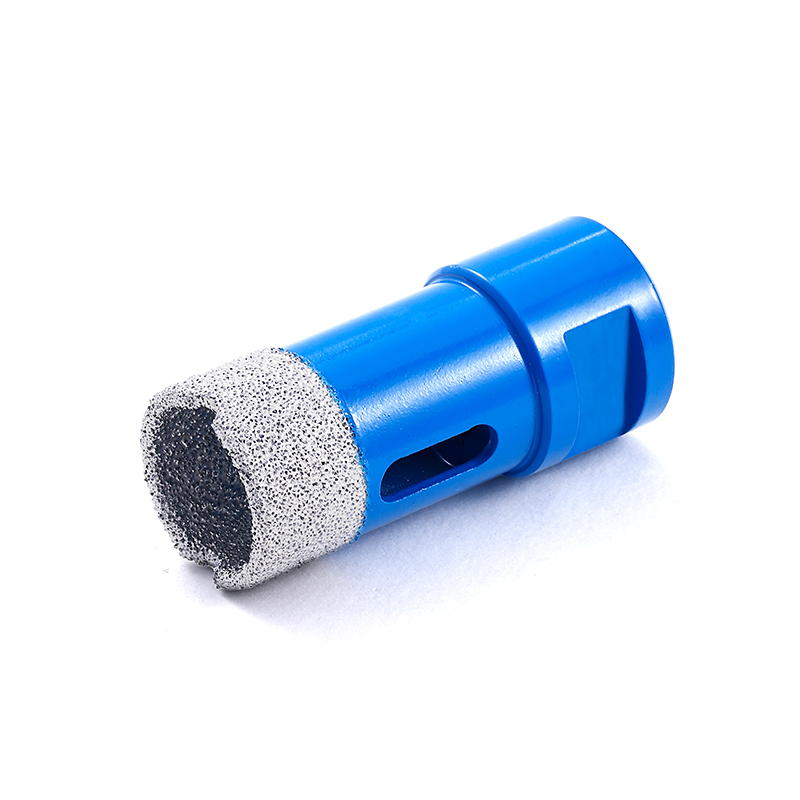
This type of usage often fits well with an Electroplated Diamond Hole Saw because it does not require extended setup or complex handling. It can be taken out, used for a few cuts, and stored again without much preparation. The wear pattern is also more manageable when the tool is not pushed through long continuous runs.
When drilling becomes frequent or part of a long workflow, the load on the cutting surface increases. In contrast, occasional use keeps the working conditions lighter, which makes the tool more practical for that kind of situation.
When to Choose for Beginners Needing Stable Drilling Control
For someone without much drilling experience, the first contact with the tile surface is usually the most sensitive part. If the tool moves too quickly or slips at the beginning, the edge of the tile can chip or crack.
Because of this, a slower and more controlled start is often easier to handle. The tool gradually creates a contact point, and once that is formed, the movement becomes more predictable. Many beginners find that keeping steady pressure is more effective than trying to speed through the surface.
The overall process is less about force and more about keeping the tool aligned with the marking point. Once the initial groove is formed, the rest of the drilling usually becomes smoother to manage.
When to Choose Based on Hole Size Requirements for Installation Work
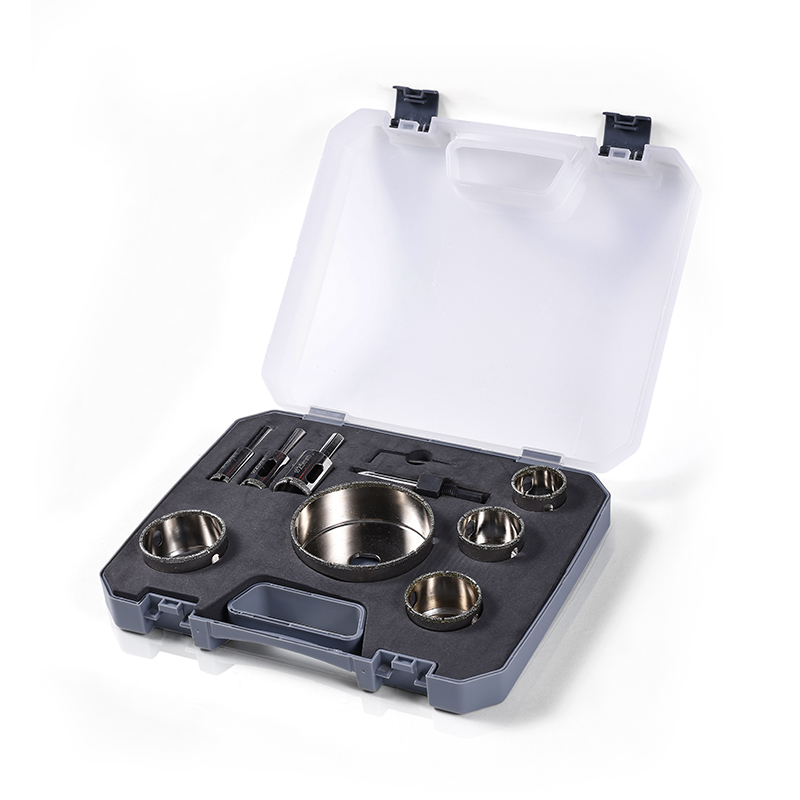
| Hole size range | Typical use case | Drilling feel |
|---|---|---|
| Small openings | Fasteners and anchors | Light resistance |
| Medium openings | Pipes and fittings | Balanced load |
| Larger openings | Drainage or conduits | More gradual cutting needed |
Choosing the size before starting helps avoid unnecessary pressure during operation. It also makes it easier to keep the drilling path stable, especially on smooth tile surfaces.
In real installation work, selection is often shaped by surface type, drilling conditions, and how frequently the tool is used. In many practical applications, products developed under Zhejiang Enguang Diamond Tools Co., Ltd. are used in similar tile drilling scenarios.