English
 中文简体
中文简体 Español
Can Vacuum Brazed Marble Hole Openers Prevent Edge Chipping on Brittle Stone
Drilling holes into marble is not simply a matter of removing material. Natural stone contains different mineral structures, internal stress areas, and varying levels of hardness. A small mistake during drilling can create edge chipping, surface cracks, or unwanted breakouts around the hole opening. These issues are especially common with bathroom countertop installations, faucet holes, and decorative stone projects.
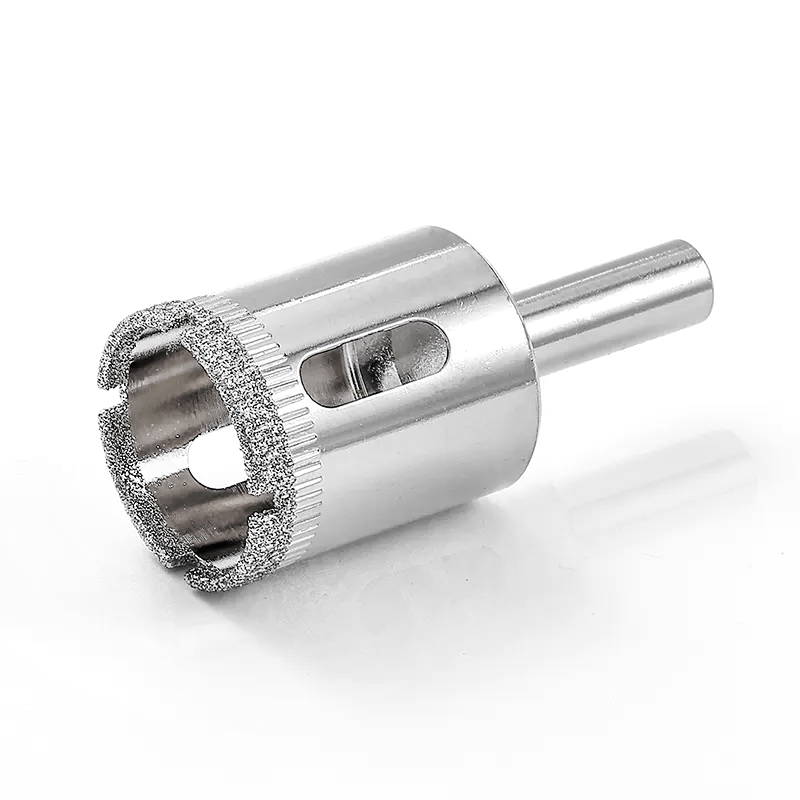
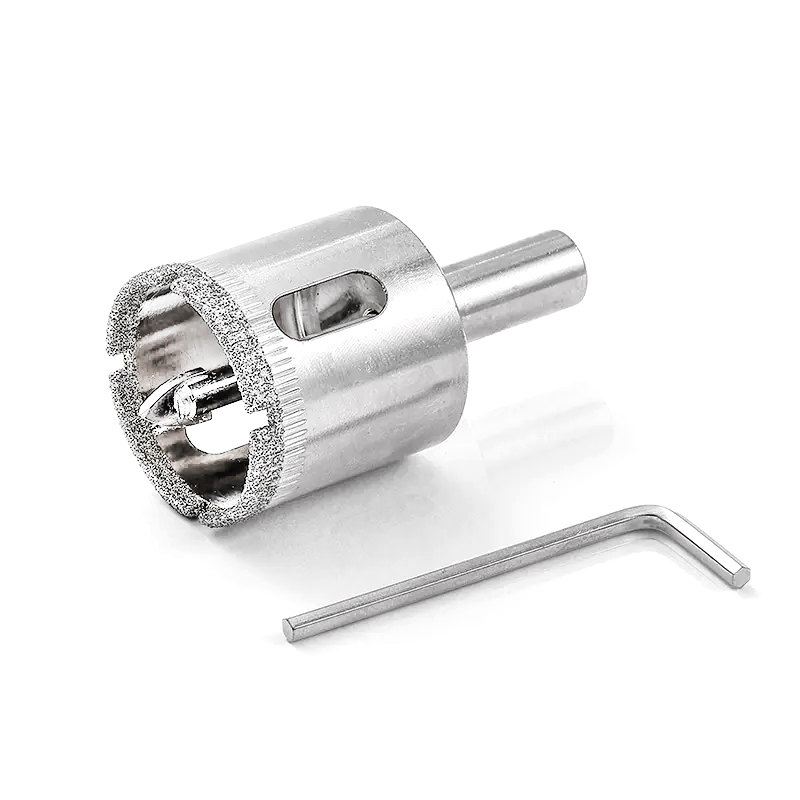
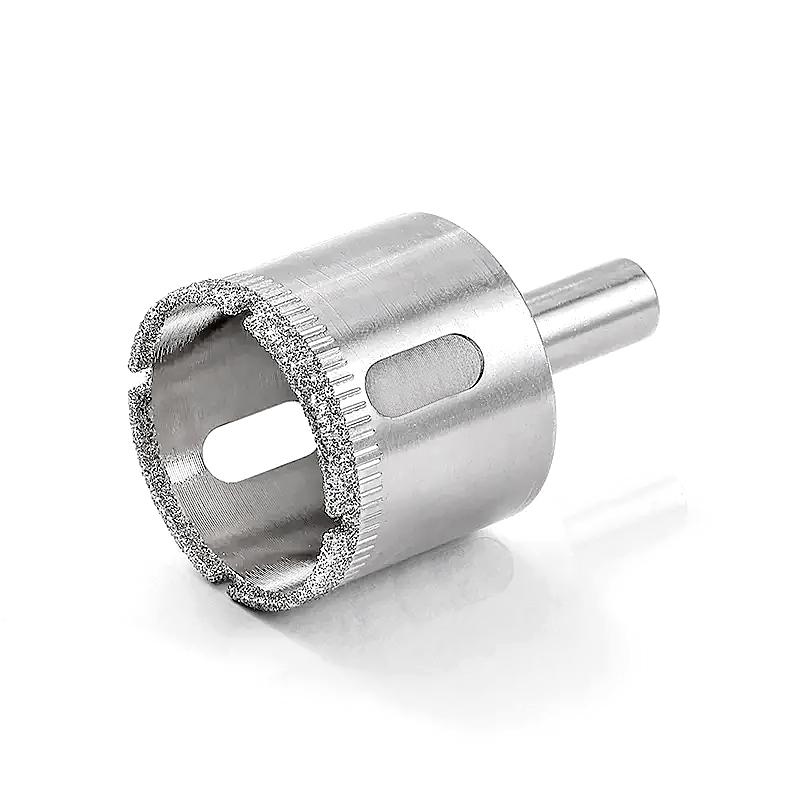
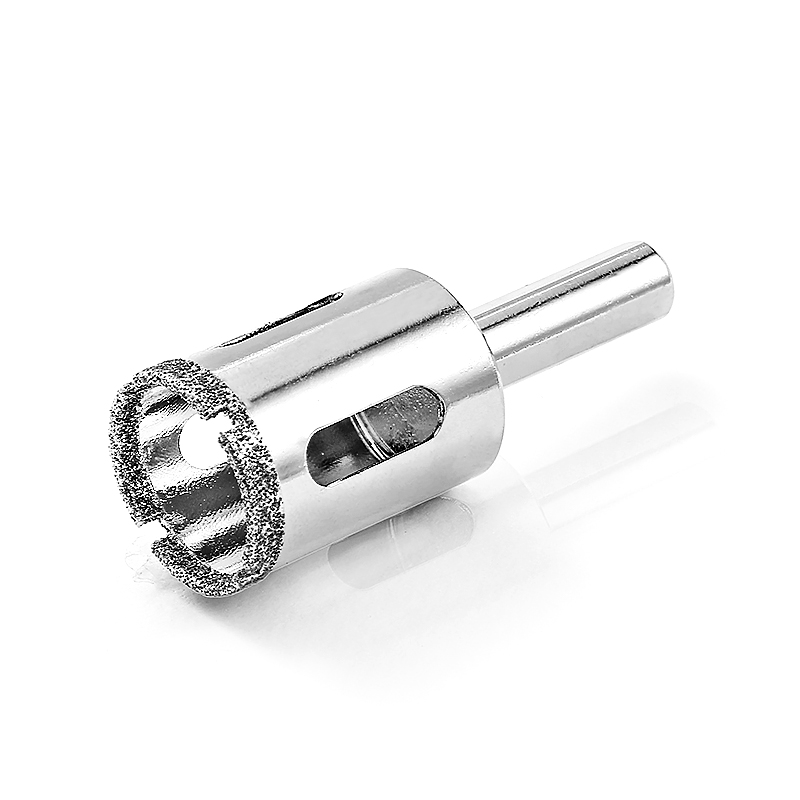
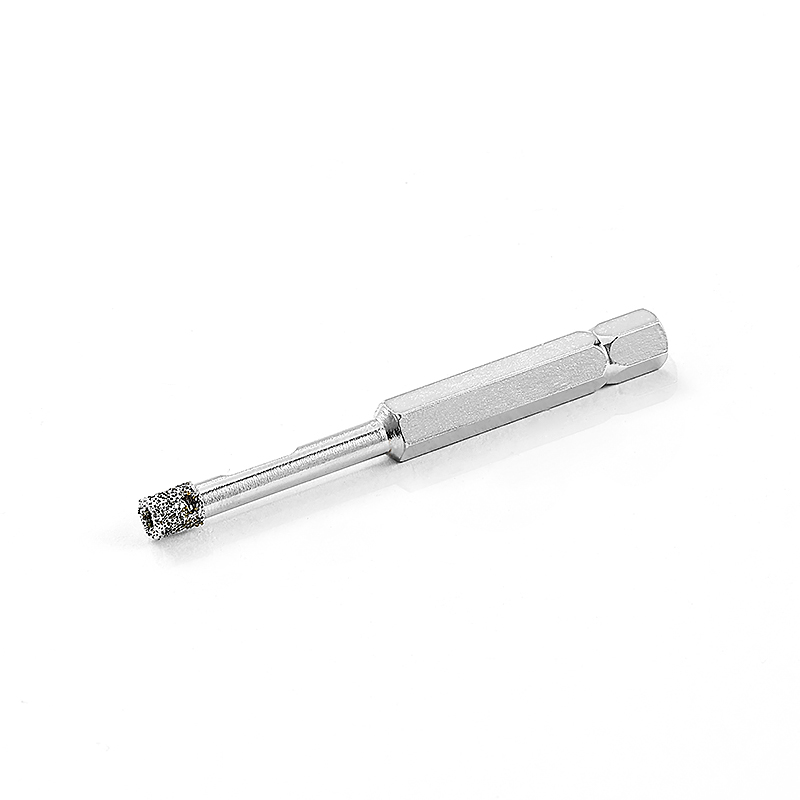
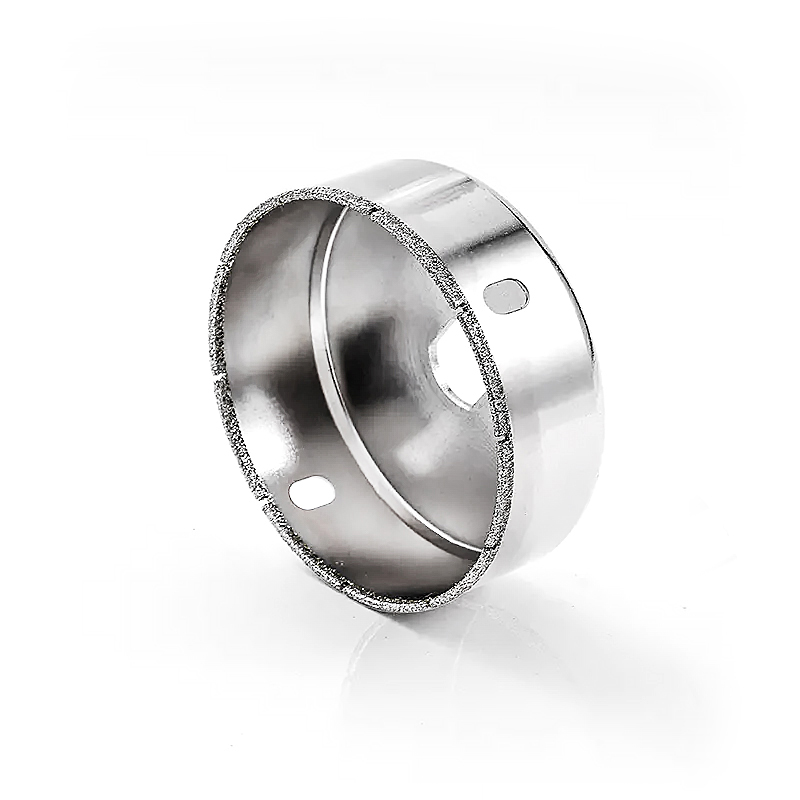
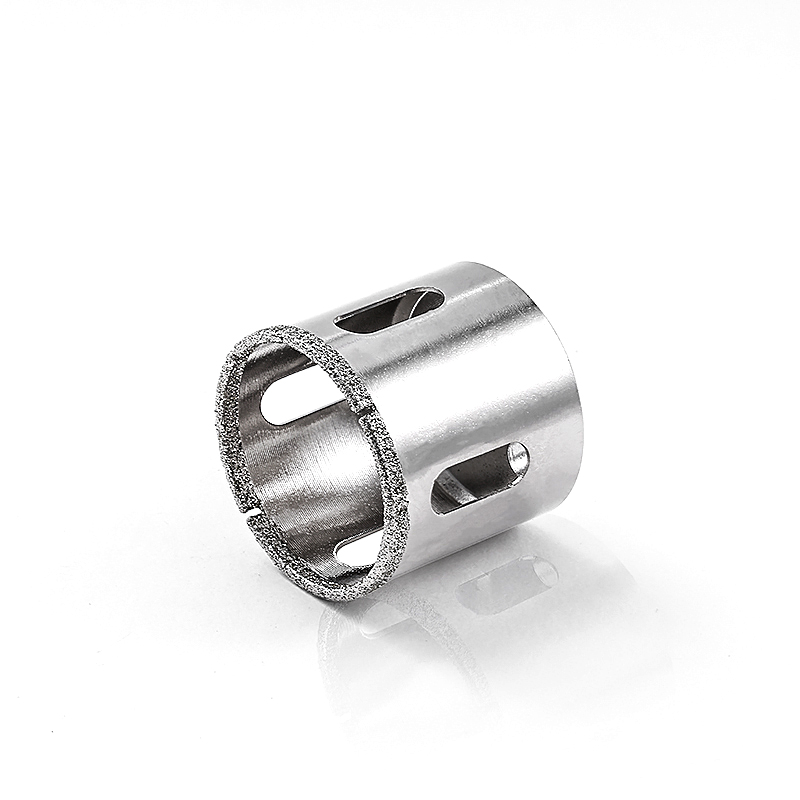
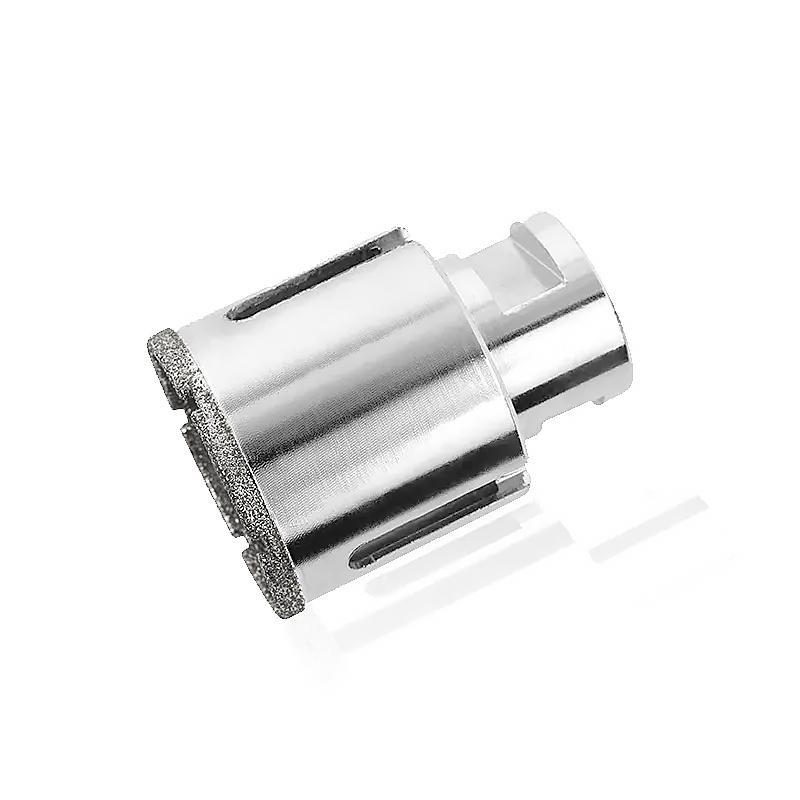
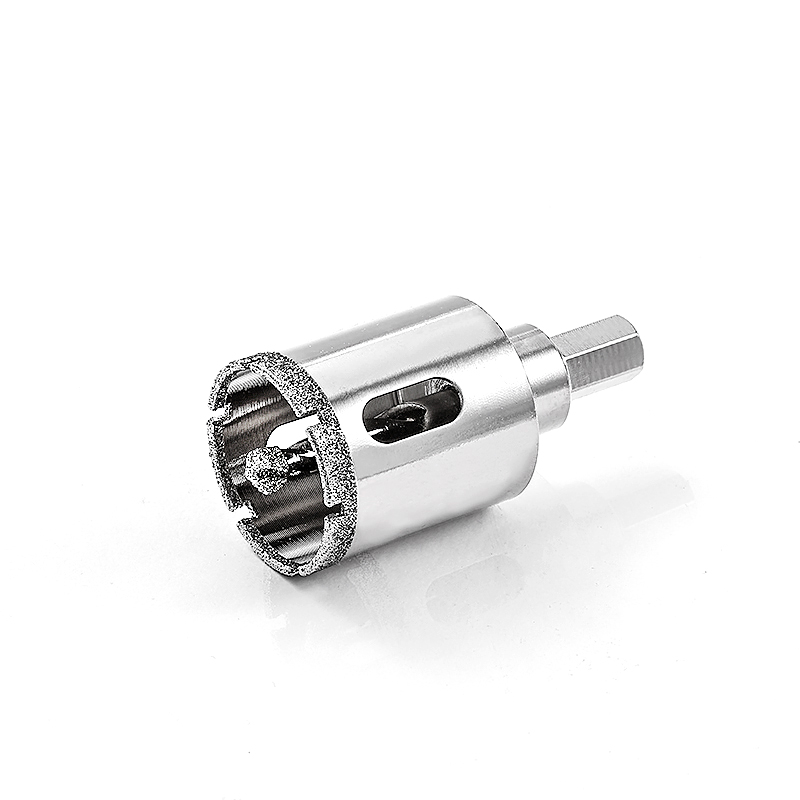
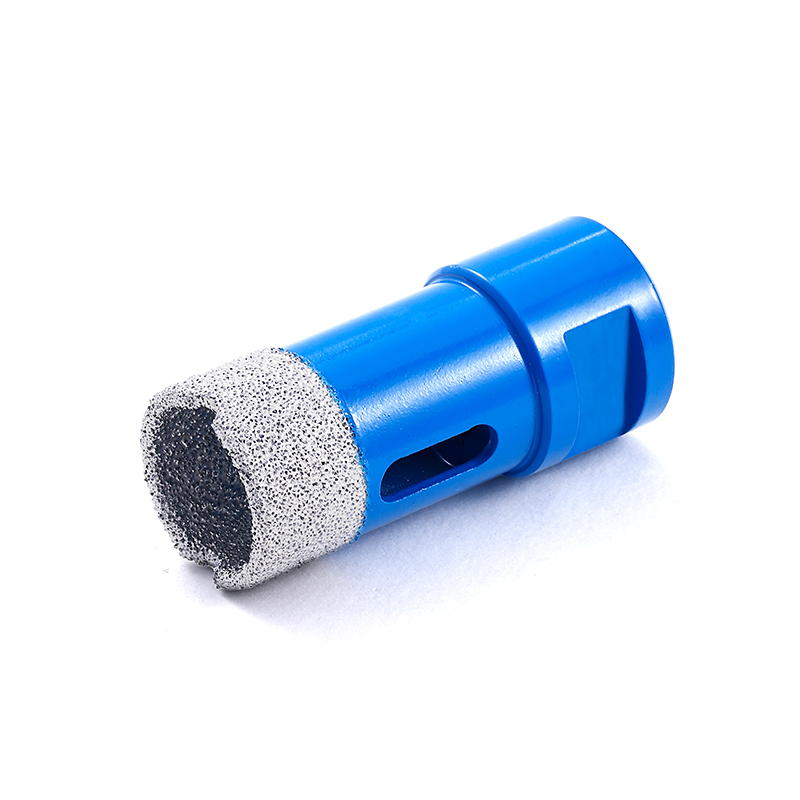
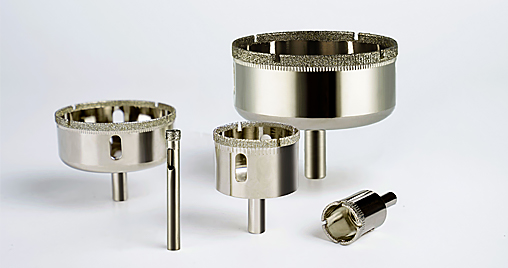
The Vacuum Brazed Marble Hole Opener has become a popular solution for users who need cleaner drilling results on fragile stone surfaces. Its diamond bonding method provides strong abrasive exposure and smoother cutting behavior, but preventing edge damage depends on more than the tool itself. Drilling speed, cooling method, pressure control, and marble characteristics all influence the final hole quality. Vacuum-brazed diamond tools are designed to hold diamond particles firmly on the tool body, improving cutting consistency compared with some traditional bonding methods.
Why marble edges are vulnerable during drilling
Marble appears solid and durable, yet its internal structure makes it sensitive to sudden stress. Unlike metals that deform before failure, brittle stone materials tend to transfer force through microscopic cracks.
- Natural mineral variation creates different hardness zones inside the stone
- Low impact tolerance increases the possibility of edge fractures under excessive force
- Thin countertop sections have a higher risk of breakout near the drilling exit point
During hole creation, the cutting edge generates continuous grinding pressure around a circular area. Uneven contact between the diamond rim and marble surface can create vibration, which transfers stress toward the hole boundary.
How vacuum brazing supports cleaner hole edges
Vacuum brazing uses high-temperature bonding technology to attach diamond particles directly onto the metal body. Compared with traditional surface coatings, this structure allows stronger diamond retention and higher exposure of abrasive particles.
- Strong diamond attachment helps maintain consistent grinding performance during drilling
- High diamond exposure allows the tool to remove stone through controlled abrasion instead of impact
- Open cutting surface improves debris removal around the drilling area
Research on vacuum brazed diamond tools shows that diamond retention behavior influences cutting stability, with reduced sudden diamond pull-out compared with some other bonding structures. However, tool wear, diamond fragmentation, and cutting parameters still affect final surface quality.
Reducing chipping during marble drilling
A clean hole edge requires controlled interaction between the diamond rim and the stone surface. The goal is not to force the tool through marble quickly but to maintain stable grinding conditions.
- Use moderate feeding pressure to avoid pushing cracks outward from the hole edge
- Maintain stable rotation to prevent uneven diamond contact
- Keep the drill perpendicular to reduce side loading on the marble surface
A tilted drilling angle can enlarge one side of the cutting path and create additional stress points. Once a small deviation appears, the rotating tool may continue expanding the uneven area.
The role of cooling in preventing marble damage
Heat management has a direct connection with drilling quality. Excessive temperature changes can affect both the tool condition and the stone surface.
- Water cooling reduces friction heat and helps remove stone particles
- Lubrication improves smooth movement between diamond particles and marble
- Continuous debris flushing prevents abrasive dust from blocking the cutting path
Some vacuum brazed hole saw designs support both wet and dry drilling applications, depending on the material and working conditions. Manufacturers commonly recommend cooling methods based on hole diameter, stone hardness, and drilling depth.
Diameter selection affects edge protection
The diameter of a marble hole opener changes the cutting load applied to the stone. Larger holes require more contact area, which increases resistance during operation.
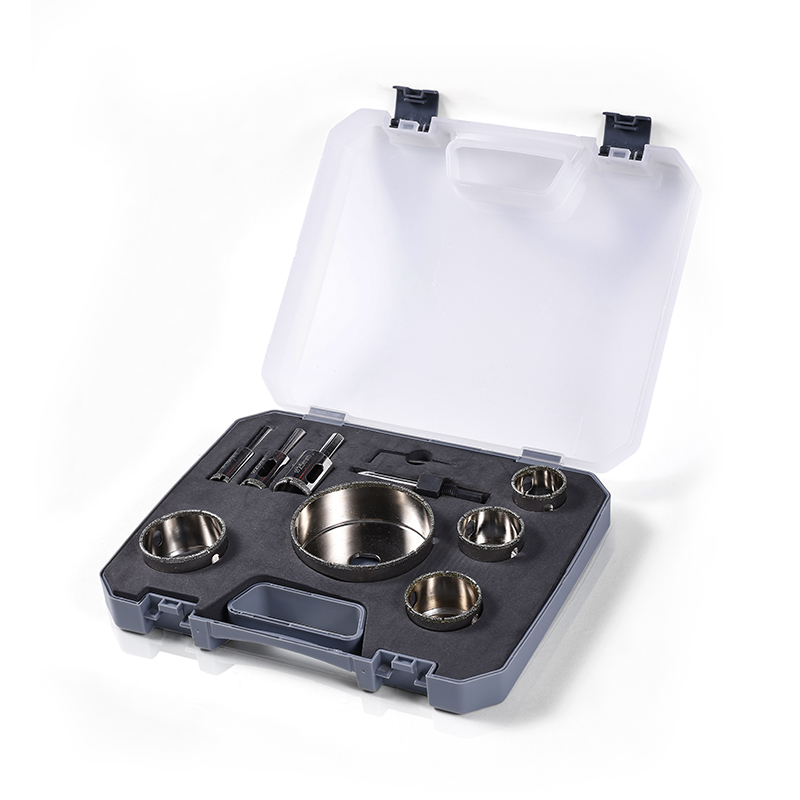
- Small diameter openers usually provide easier control for faucet and fixture holes
- Medium diameter tools require balanced speed and pressure management
- Large diameter cutters benefit from additional support to reduce vibration
A vacuum brazed design can improve cutting stability, but matching the tool size with the application remains important for protecting brittle stone edges.
Common mistakes that cause marble edge chips
Many drilling failures are related to operating habits rather than tool limitations. Even a high-quality diamond opener can produce poor results under unsuitable conditions.
- Starting with excessive pressure may create cracks before the hole guide is established
- Using incorrect RPM can increase vibration and heat generation
- Allowing debris buildup reduces cutting smoothness and increases friction
- Drilling without surface support may increase breakout risk near the exit side
Vacuum brazed tools compared with traditional drilling methods
Traditional abrasive tools may struggle with brittle stone because they can lose cutting sharpness or require higher pressure. Vacuum brazed diamond technology focuses on maintaining exposed diamond particles that continuously grind the material.
| Feature | Vacuum Brazed Hole Opener | Traditional Abrasive Tool |
| Diamond retention | Strong bonding between diamond particles and metal body | May experience faster abrasive surface changes |
| Edge quality | Smoother grinding action with controlled operation | Higher risk of uneven cutting |
| Material application | Suitable for marble, porcelain, ceramic, and stone | Often limited by material hardness |
Final perspective on marble hole quality
A Vacuum Brazed Marble Hole Opener can significantly reduce edge chipping risk because its diamond bonding structure supports smoother material removal and stable cutting performance. However, the tool works best as part of a complete drilling process that includes proper speed control, suitable pressure, effective cooling, and correct positioning.
Clean marble holes are achieved through controlled abrasion rather than aggressive force. Understanding how brittle stone reacts during drilling allows users to achieve smoother edges, fewer surface defects, and more consistent installation results.