English
 中文简体
中文简体 Español
Why Do Electroplated Diamond Core Bits Lose Cutting Power So Quickly on Porcelain
Porcelain tile has become a common material in residential and commercial projects because of its dense structure, smooth appearance, and resistance to daily wear. However, drilling through porcelain remains a difficult task due to its high hardness and low tolerance for impact force. Many users experience a frustrating situation: a new diamond drill bit cuts quickly at the beginning but gradually becomes slow after only a few holes.
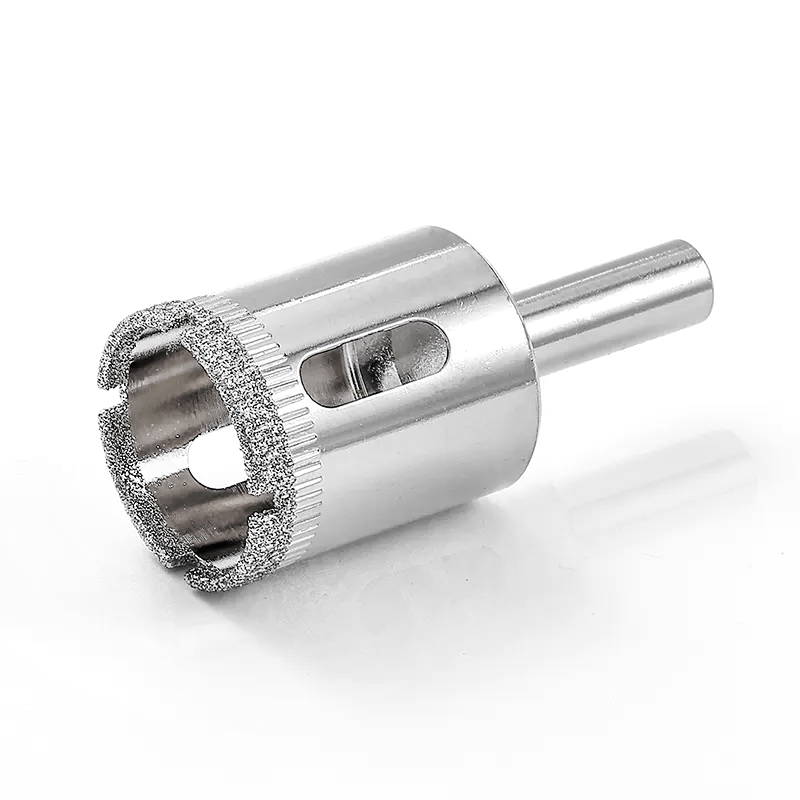
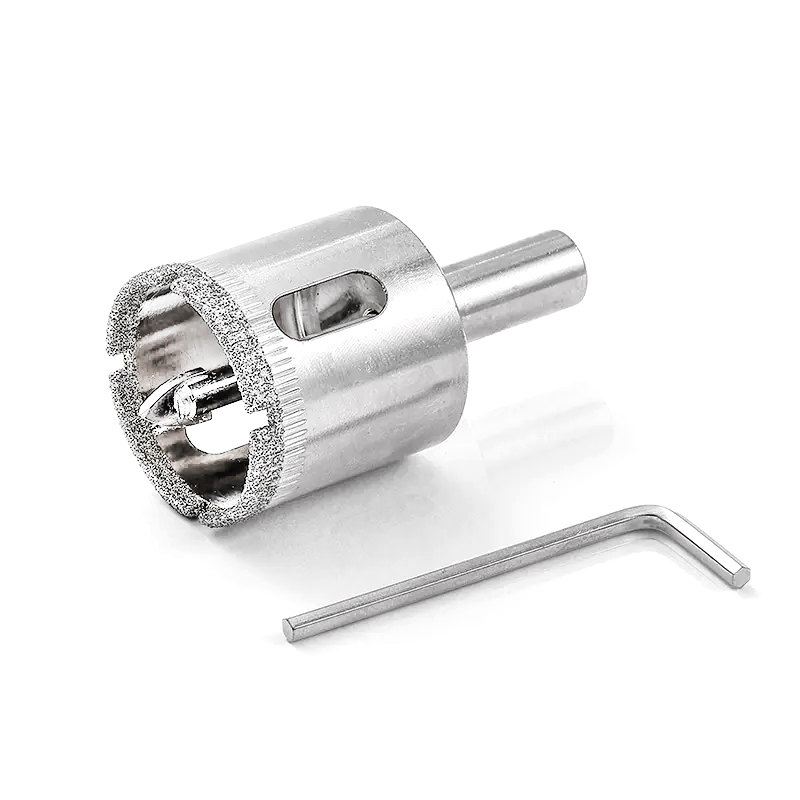
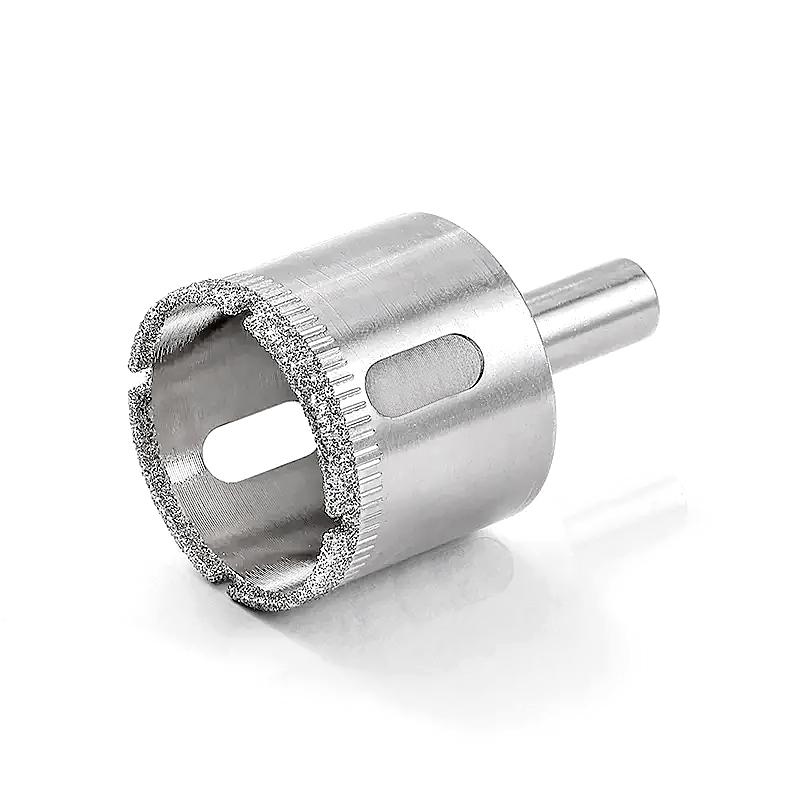
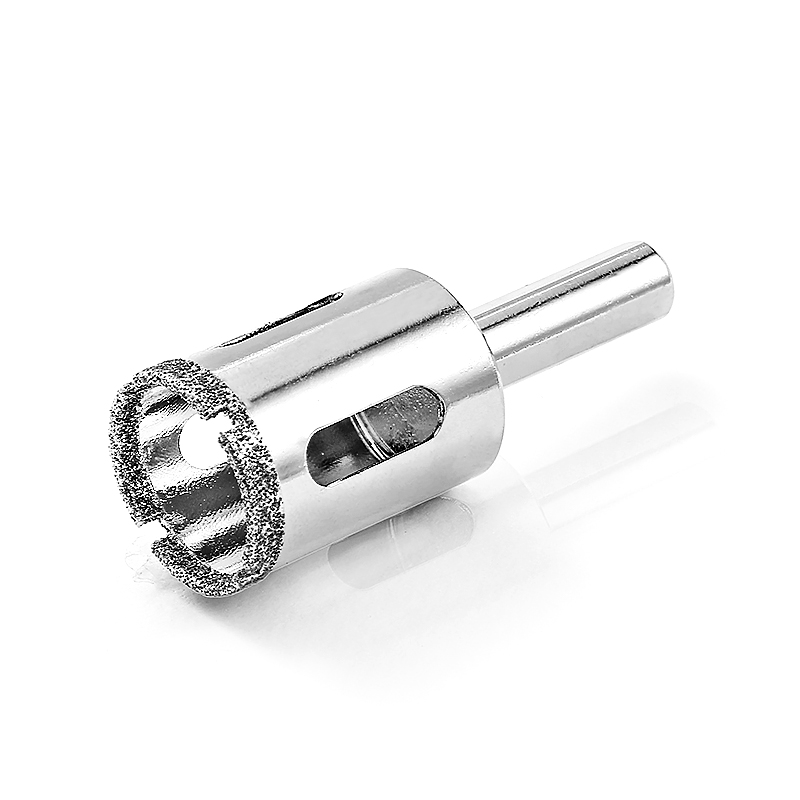
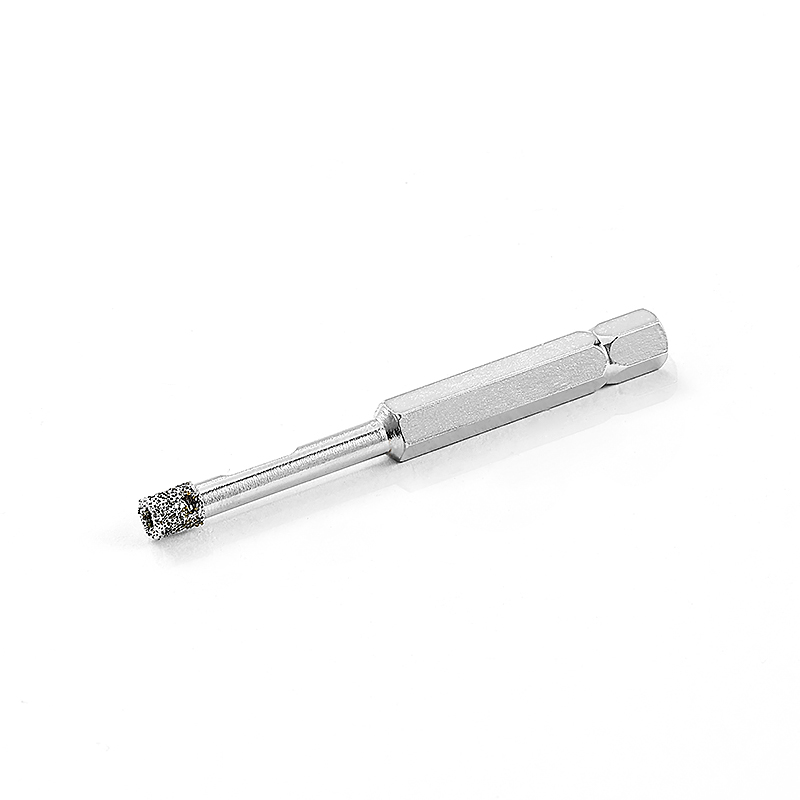
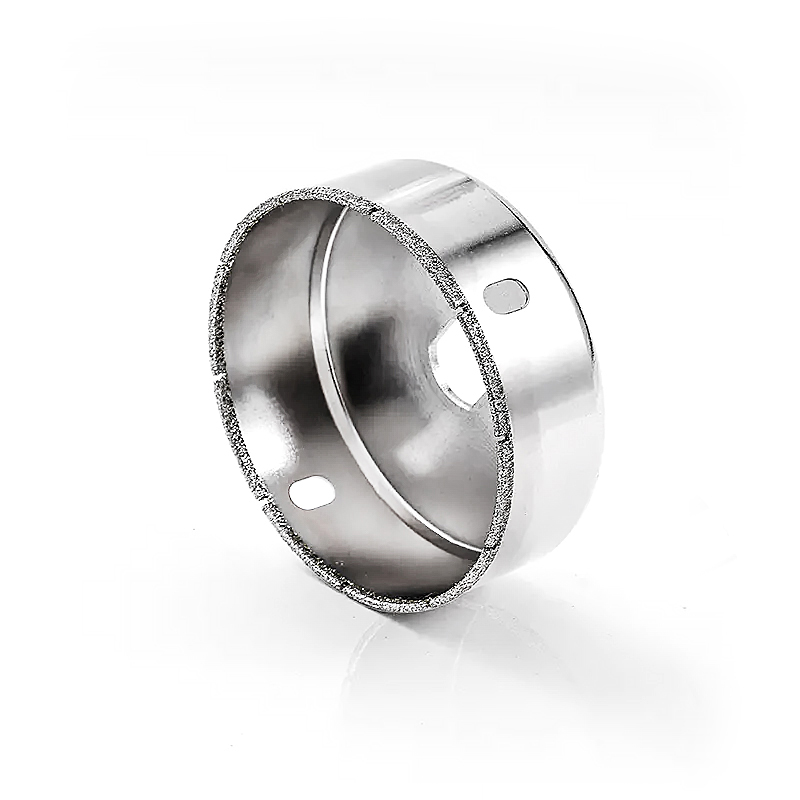
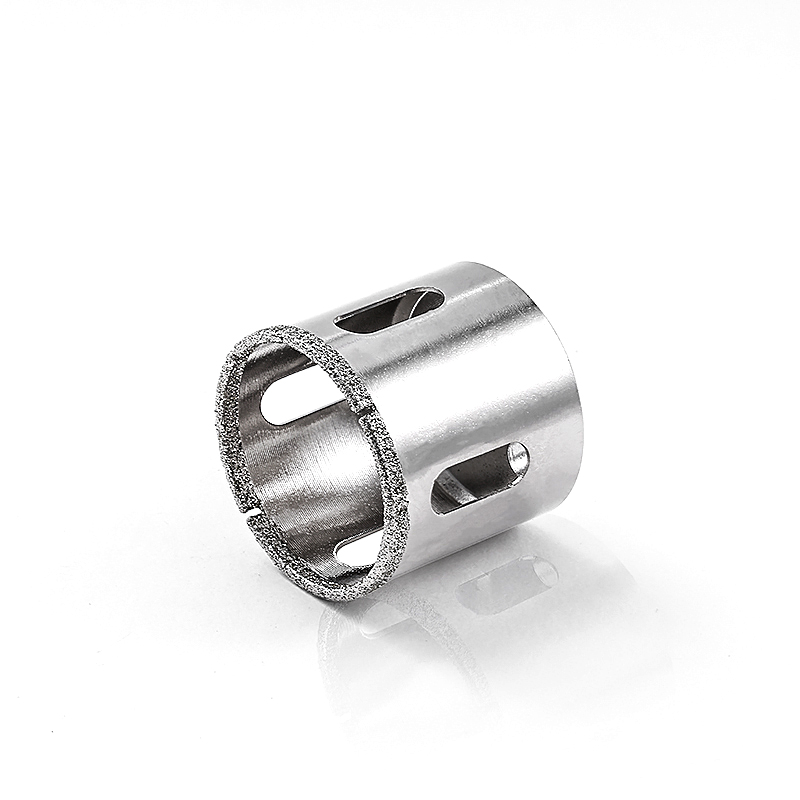
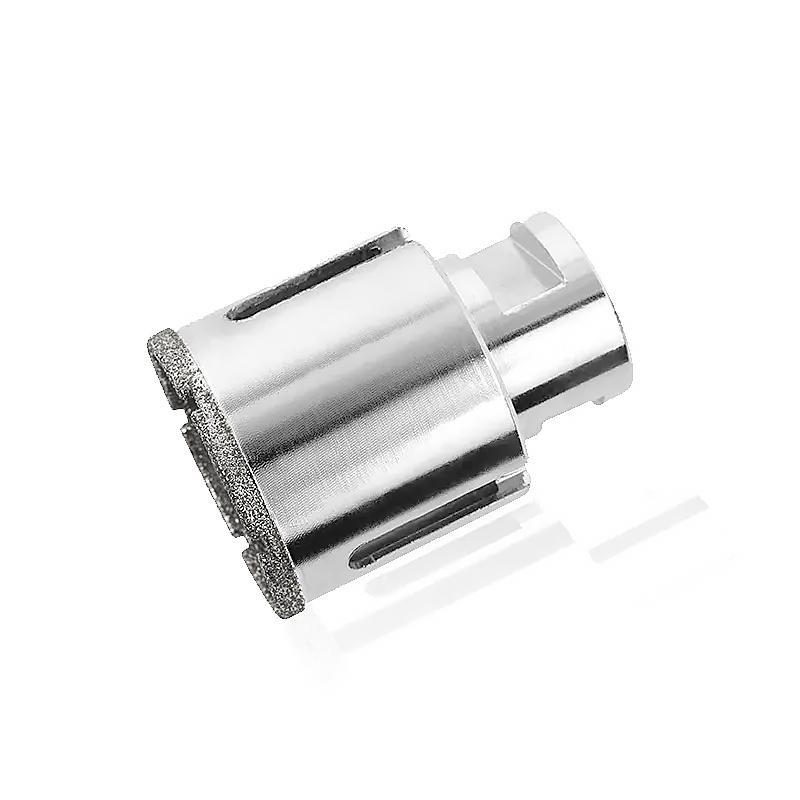
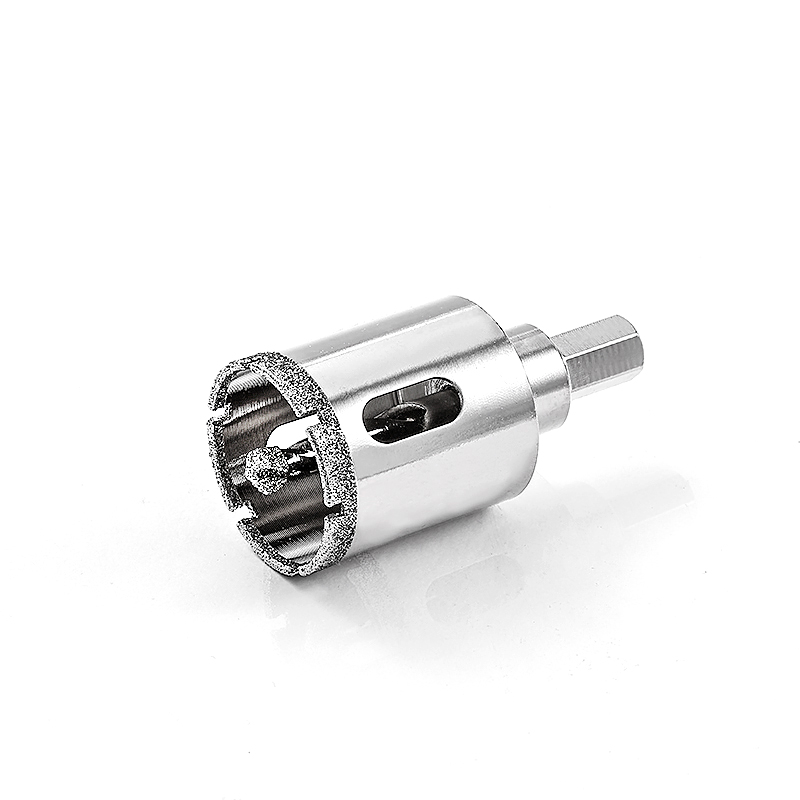
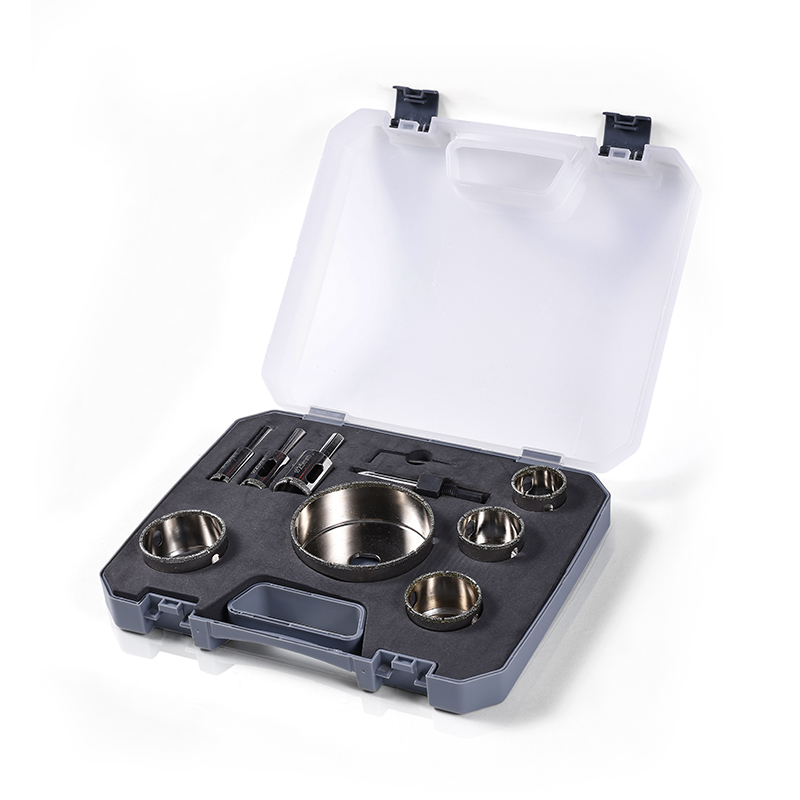
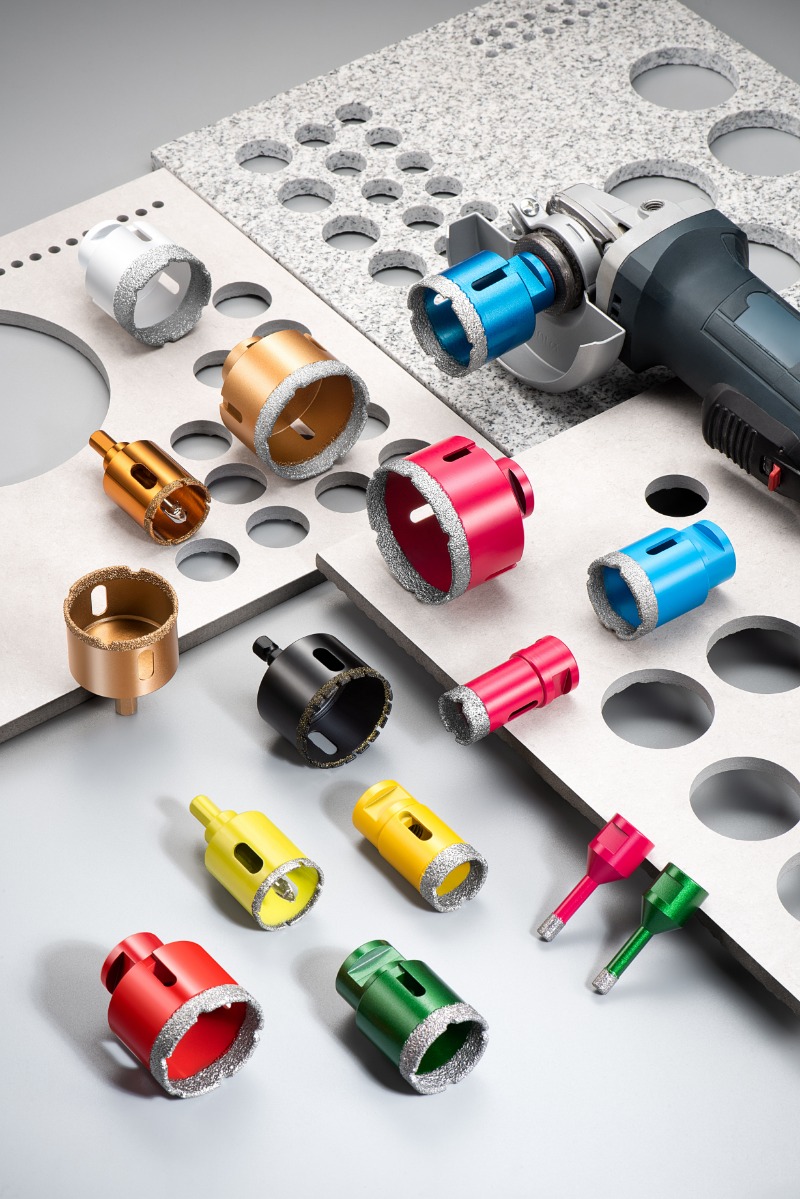
The performance decline of Diamond Electroplated Core Drill Bits on porcelain is related to diamond exposure, bonding structure, heat control, and drilling technique. Understanding these factors helps users avoid premature wear and achieve cleaner holes.
Surface diamond layer limits long-term cutting performance
Electroplated diamond tools work differently from sintered diamond tools. During manufacturing, diamond particles are fixed onto the metal surface through an electroplating process, commonly using nickel-based bonding. The exposed diamond particles provide sharp cutting points that grind through hard materials.
- High diamond exposure allows fast initial material removal because abrasive particles directly contact the porcelain surface
- Surface-based diamond distribution means cutting ability depends heavily on the condition of the outer diamond layer
- Diamond loss gradually reduces the number of active cutting edges during repeated drilling
Once the exposed diamond particles become rounded, worn, or detached, the drill tube starts rubbing against the porcelain instead of efficiently grinding the material. This explains why users often notice a sharp performance drop after several drilling cycles.
Porcelain hardness accelerates diamond wear
Porcelain tiles are manufactured through high-temperature firing, creating a compact ceramic structure with very low porosity. This density improves durability during daily use but increases the abrasive demand placed on drilling tools.
- Dense ceramic composition requires continuous diamond contact to remove material effectively
- Hard glaze surfaces create additional resistance during initial penetration
- Brittle characteristics require controlled grinding rather than aggressive pressure
Porcelain does not behave like softer stone materials. Excessive force does not necessarily improve cutting speed; instead, it increases friction and heat generation around the diamond coating. Professional drilling recommendations commonly emphasize lower RPM and steady pressure for porcelain applications.
Heat buildup damages the electroplated coating
Temperature control is one of the biggest factors affecting electroplated diamond drill performance. The cutting process creates friction between diamond particles and porcelain, especially during deep drilling or dry operation.
- Insufficient cooling increases thermal stress on the nickel bonding layer
- High rotational speed creates excessive friction before debris can escape
- Overheated diamond crowns may lose particles faster and reduce cutting efficiency
Water cooling helps remove heat and flush away porcelain particles from the cutting area. Without proper cooling, the surface temperature rises quickly, accelerating coating wear and reducing tool life.
Incorrect drilling pressure can cause glazing
A common misunderstanding is that stronger pressure creates faster drilling. Diamond core bits rely on exposed abrasive particles, not mechanical impact. Too much downward force can flatten diamond edges and create a polished surface known as glazing.
- Heavy pressure reduces the self-cleaning effect of the cutting edge
- Light pressure allows diamond particles to maintain contact with fresh material
- Stable feeding speed prevents uneven wear around the drill circumference
A glazed diamond surface appears smooth and shiny because the sharp cutting points are no longer effectively engaging with the tile. This condition often causes slower cutting and increased heat.
Diameter and RPM selection influence service life
Different hole sizes create different cutting conditions. Larger diameter core drills generate greater contact area, which increases friction and requires slower rotational speeds.
- Small diameter bits generally tolerate higher RPM due to lower contact resistance
- Medium diameter tools require balanced speed and cooling management
- Large diameter core drills benefit from reduced RPM to control temperature
Running a porcelain drilling tool outside its recommended speed range can shorten coating life even with a high-quality diamond layer.
Manufacturing quality affects cutting consistency
Not all electroplated diamond tools have the same performance characteristics. Factors such as diamond grit size, concentration, particle distribution, and nickel coating thickness influence how long the cutting surface remains active.
- Diamond concentration affects the number of available cutting points
- Bond thickness determines how securely diamonds remain attached
- Multi-layer electroplating can provide additional diamond exposure compared with single-layer designs
Some electroplated core drills use multiple diamond layers to extend working life, while basic designs may rely on a thinner surface coating. Product construction has a direct relationship with drilling consistency.
Practical methods to maintain cutting ability
Users can extend the working performance of Diamond Electroplated Core Drill Bits by adjusting operating conditions instead of increasing drilling force.
- Apply continuous water cooling during porcelain drilling whenever possible
- Maintain moderate RPM according to hole diameter and material hardness
- Avoid excessive pushing force that causes diamond polishing
- Clean debris regularly to prevent blockage around the cutting edge
These practices allow the diamond particles to continue working efficiently and reduce unnecessary thermal damage.
Final thoughts on electroplated diamond drilling performance
The rapid loss of cutting power from electroplated diamond core bits on porcelain is not caused by a single issue. The surface diamond structure, porcelain hardness, heat generation, drilling speed, and operating method all influence performance.
Diamond Electroplated Core Drill Bits remain a practical option for porcelain drilling because they offer smooth cutting action and clean hole edges. Their performance depends on using the correct drilling conditions and understanding the limitations of surface-bonded diamond technology. Proper cooling, controlled pressure, and suitable operating speed can significantly improve cutting stability and extend usable life.