English
 中文简体
中文简体 Español
Carbide or Diamond? Matching Drill Bits to Ceramic and Porcelain Orders
Choosing the right drilling tool for ceramic and porcelain products requires more than checking the hole diameter. Material hardness, tile thickness, surface glazing, drilling method, and order volume all influence purchasing decisions. At Enguang, we help customers assess these factors before confirming tool specifications for retail distribution, construction projects, and professional tile installation.
Carbide-tipped bits can suit many ordinary ceramic tiles, particularly for small fixing holes. Diamond-coated drill bits are generally more suitable for dense porcelain, larger openings, and applications that require a compatible abrasive cutting design. Understanding these differences helps buyers prepare accurate quotations and reduce the risk of ordering tools that do not match their customers' applications.
1. Understand the Difference Between Carbide and Diamond
Carbide and diamond cutting surfaces remove material through different mechanisms. Their suitability depends on the workpiece and the design of the specific tool.
- Carbide-tipped bits: These use a hard tungsten carbide tip to work on suitable tile surfaces. They can be a practical option for small holes in many conventional ceramic tiles.
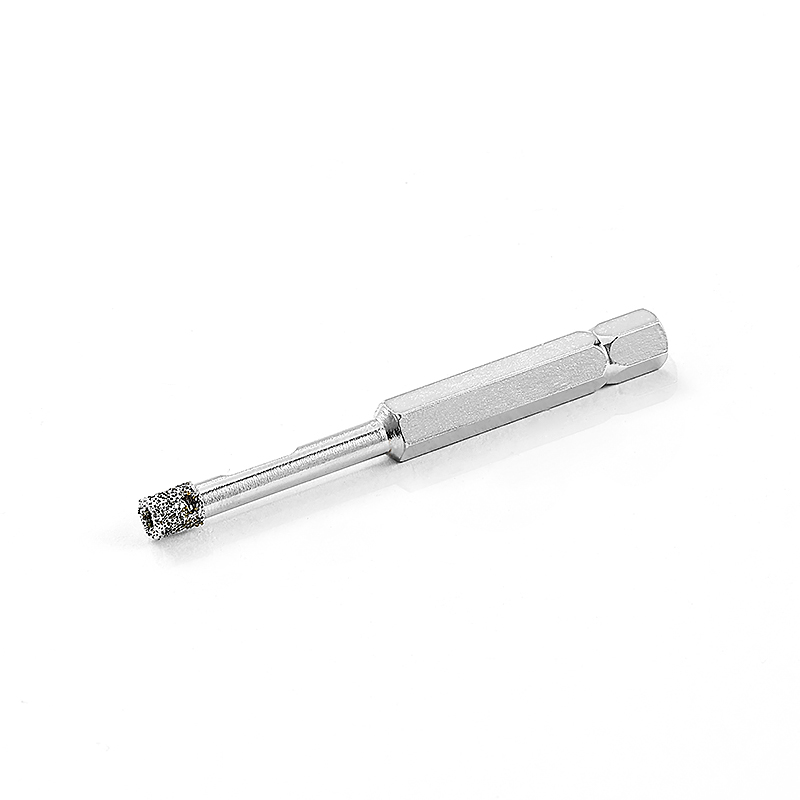
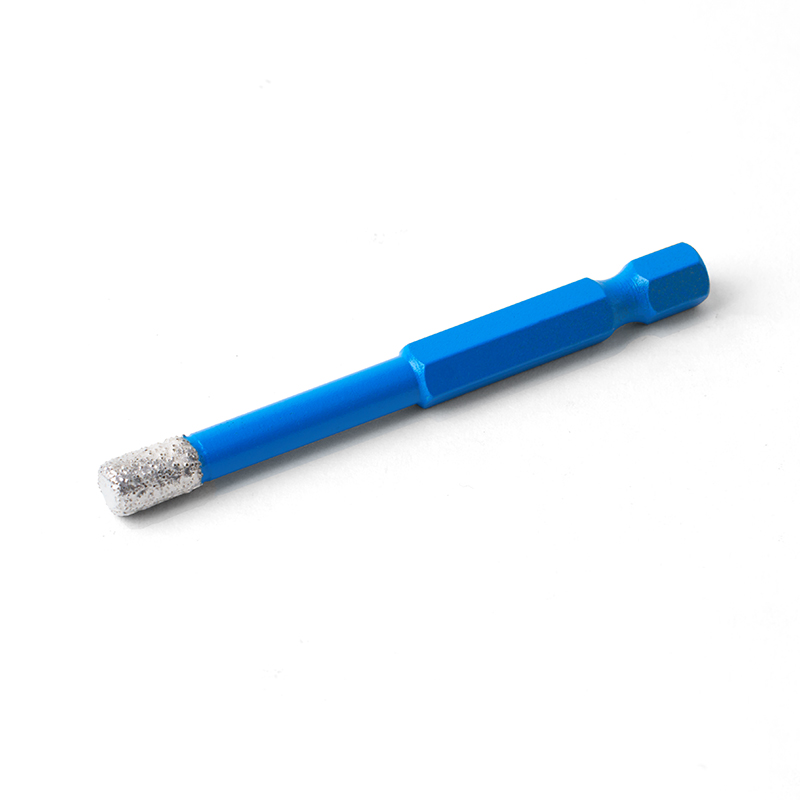
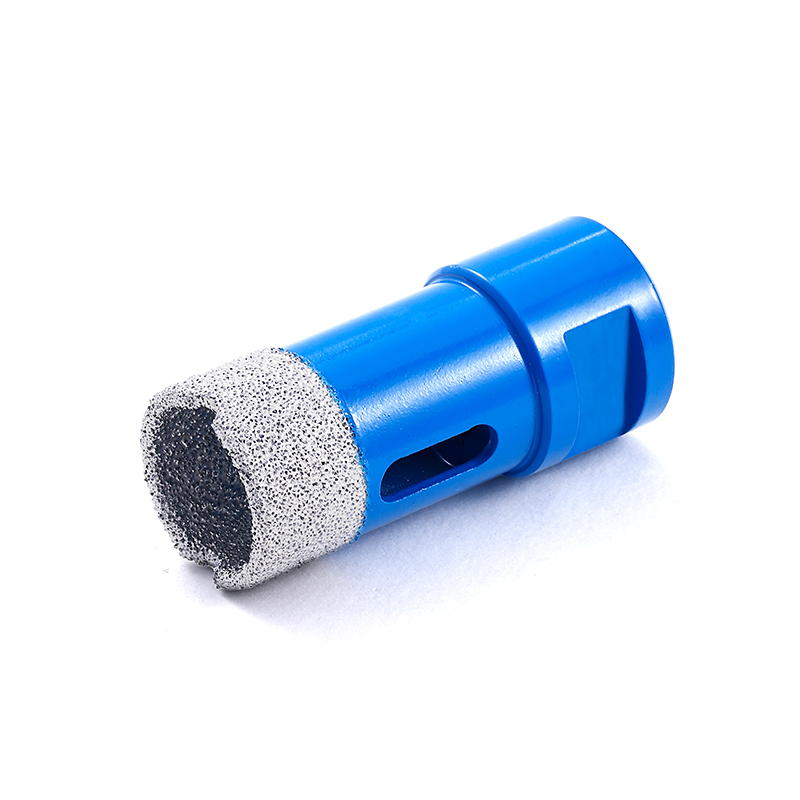
- Diamond drill bits: Industrial diamond abrasive grinds the material away. This construction is suitable for many hard and brittle materials, including porcelain, provided the selected tool is rated for the application.
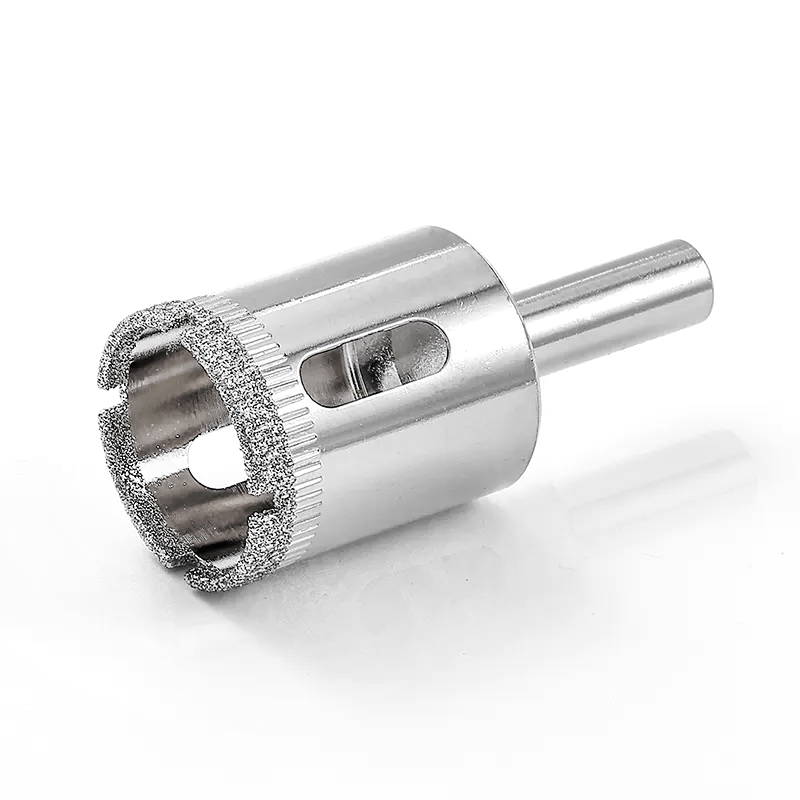
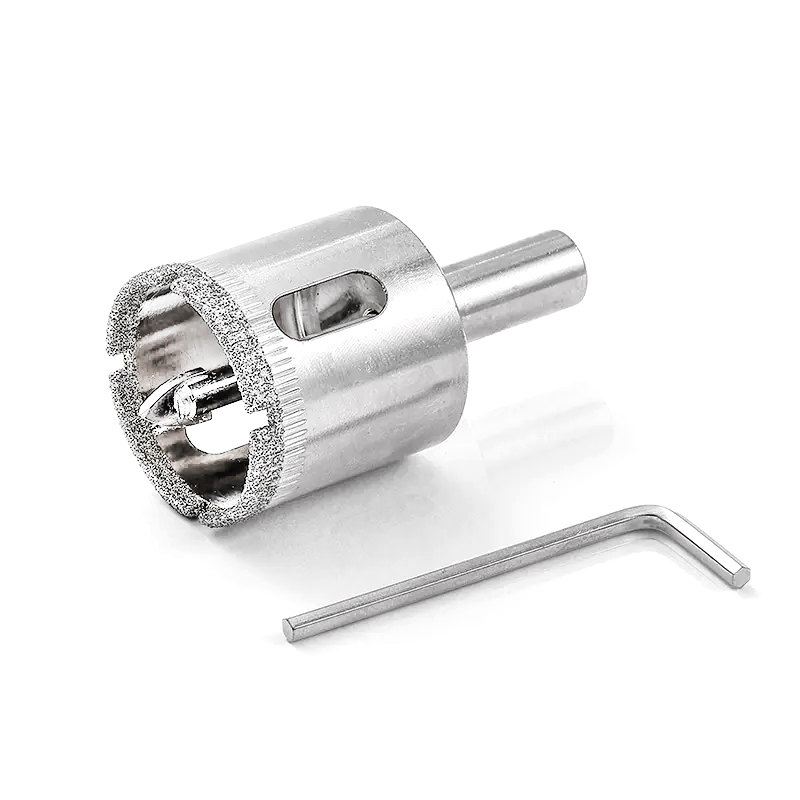
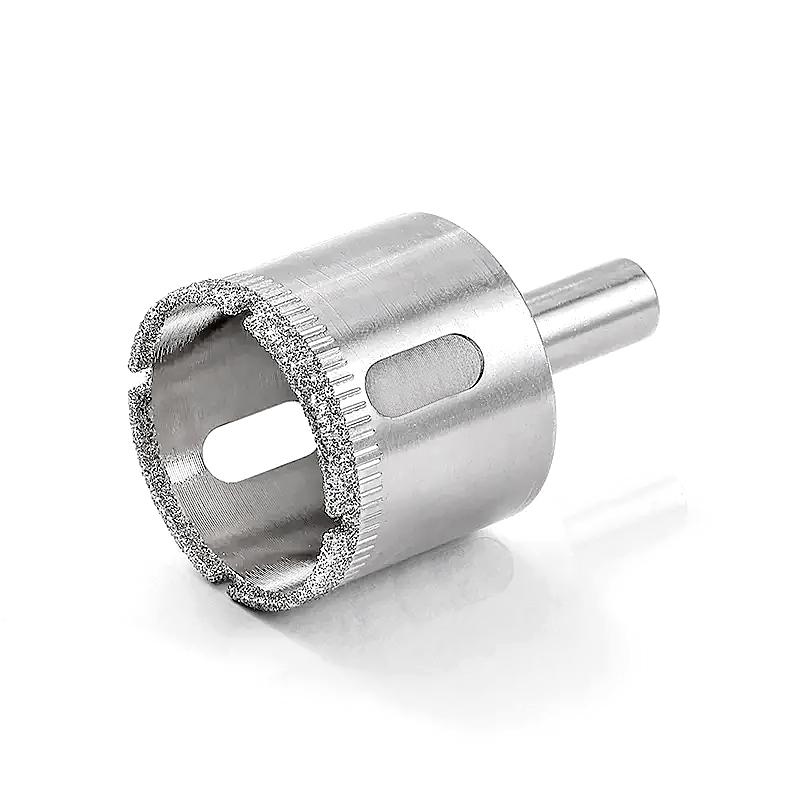
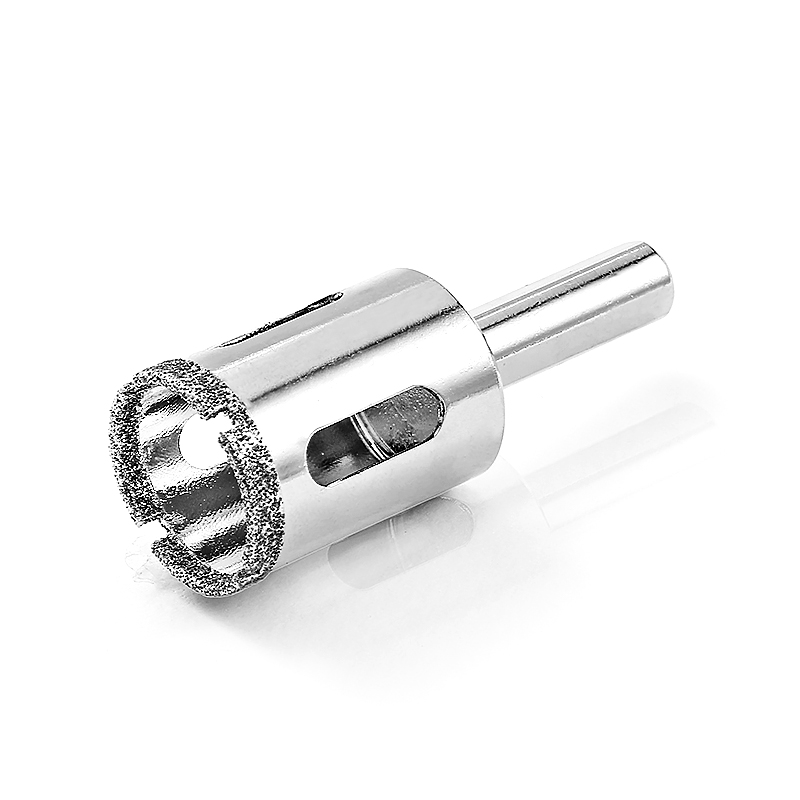
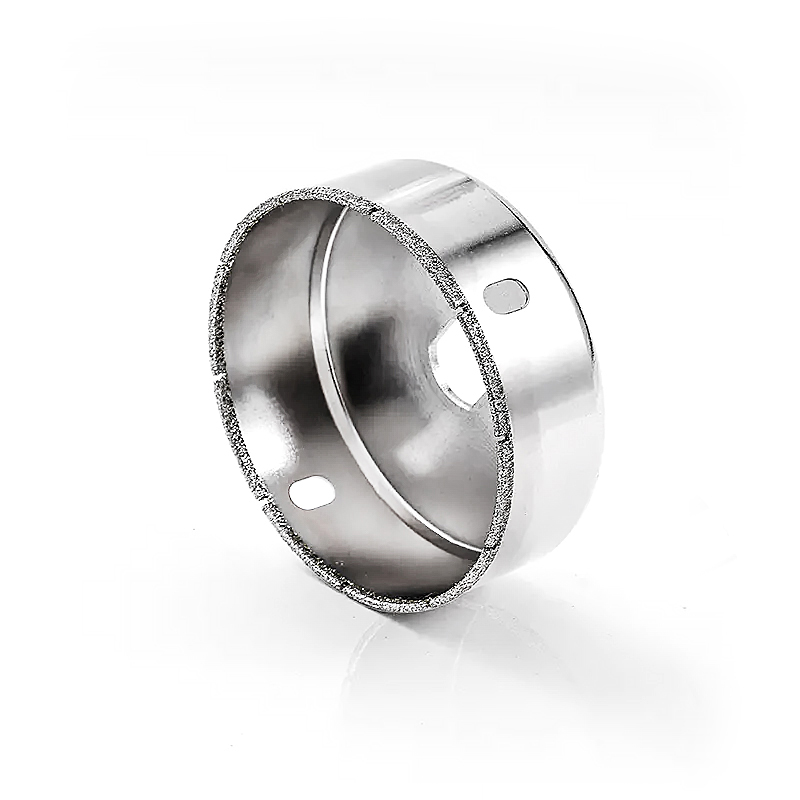
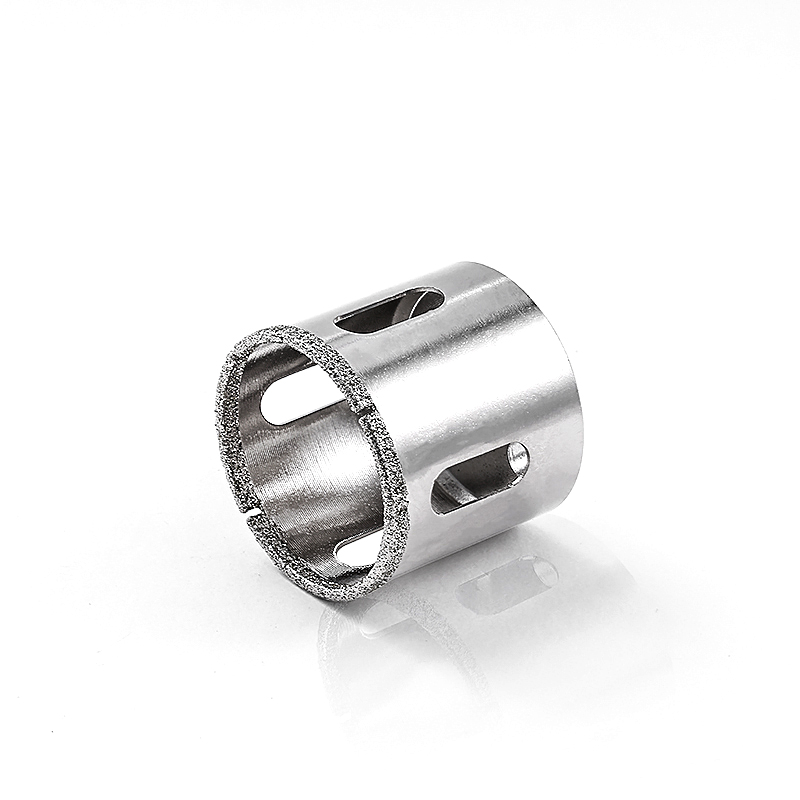
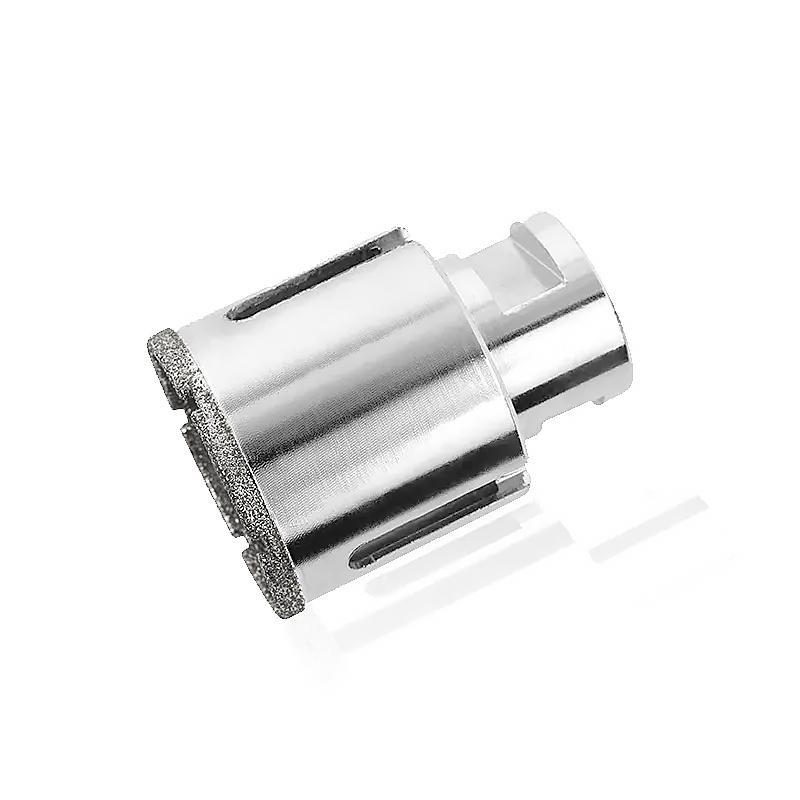
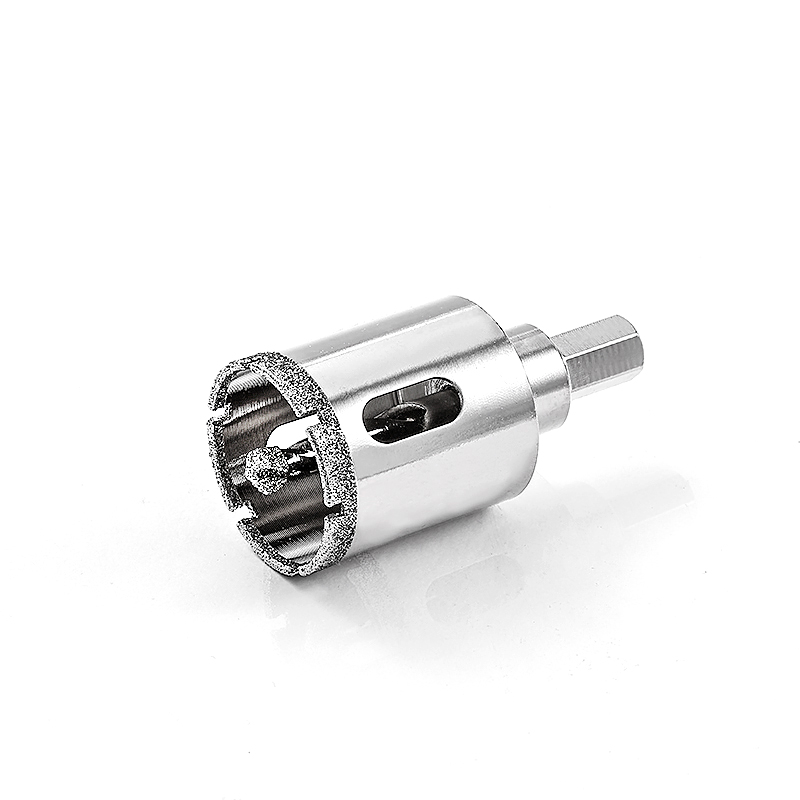
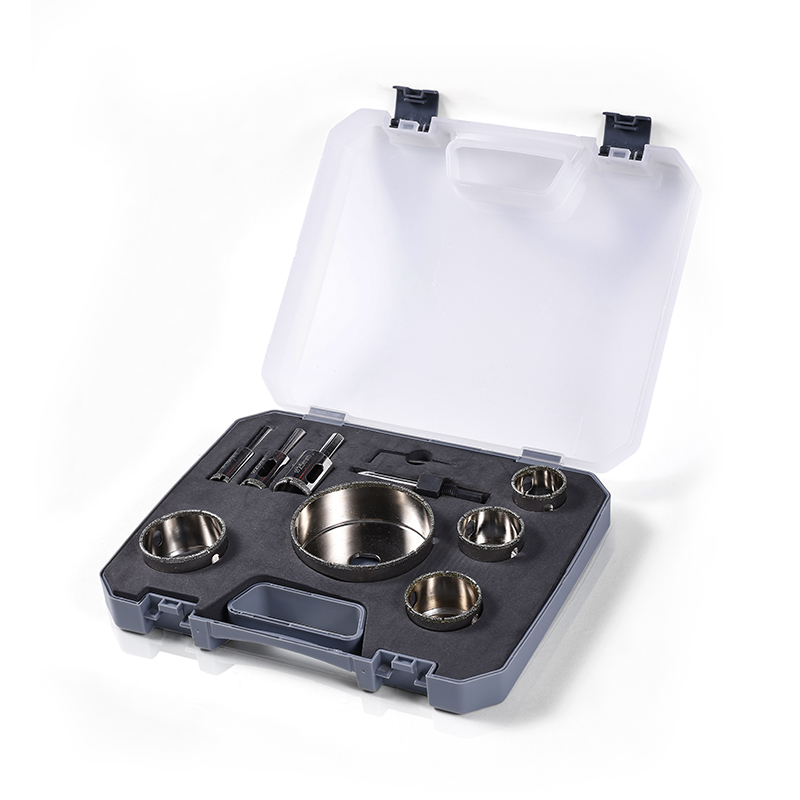
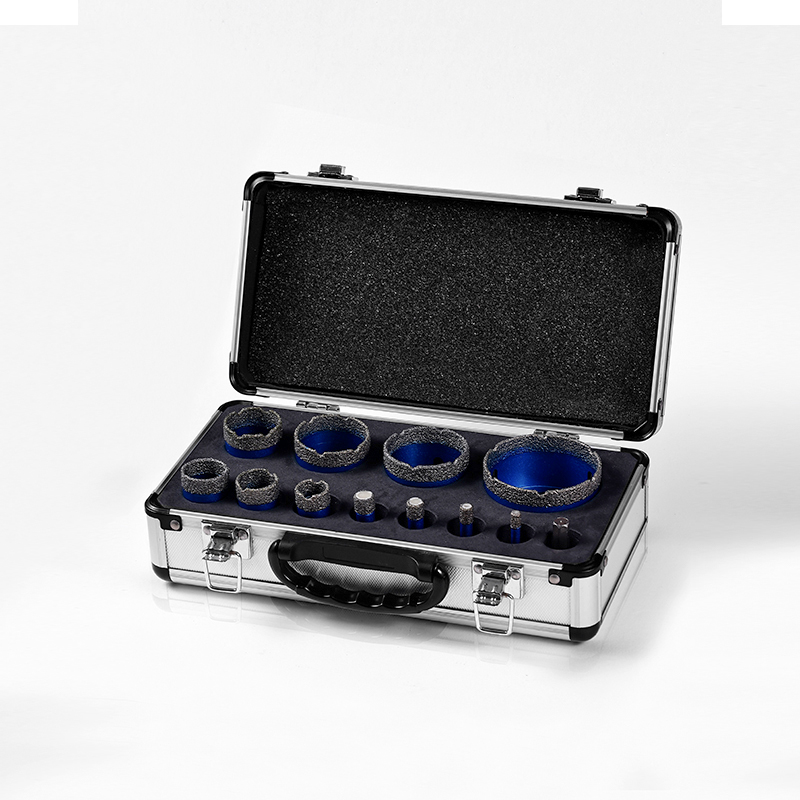
- Diamond hole saws: Hollow cutting designs create circular openings and are useful for applications such as pipe penetrations, faucet fittings, and plumbing installations.
At Enguang, we recommend comparing the intended material, required opening, and tool specifications instead of relying on the cutting material alone. Product construction and operating instructions should always be checked before placing an order.
2. Match the Bit to Ceramic or Porcelain
Although ceramic and porcelain tiles may look similar after installation, their physical properties can differ considerably. Porcelain is generally denser and harder than conventional ceramic tile, making tool compatibility an important purchasing consideration.
Applications for Ceramic Tiles
Many ordinary ceramic wall tiles can be drilled with purpose-made carbide-tipped bits. Small holes for wall anchors, towel rails, and bathroom accessories may not require a large diamond core tool. However, glazed surfaces can be slippery, and excessive pressure may cause chipping or cracking.
Before purchasing carbide tools, buyers should confirm the tile type, intended hole diameter, and material compatibility stated by the manufacturer. A bit designed for softer ceramic should not automatically be specified for every tile product.
Applications for Porcelain Tiles
Porcelain flooring and hard porcelain slabs often require diamond tooling because of their dense structure. Diamond core bits and hole saws can be suitable for openings used by pipes, taps, shower fittings, and other fixtures.
For bulk orders, we suggest identifying whether customers work with standard porcelain tiles, full-body porcelain, or large-format slabs. These details help determine the required tool dimensions, cutting construction, and operating method.
3. Confirm Diameter, Thickness, and Connection Details
A suitable cutting material does not guarantee that a tool will fit the job. Buyers should establish the following specifications before requesting a quotation.
- Hole diameter: Specify the required opening in millimeters or inches and confirm the dimensions against the fixture manufacturer's instructions.
- Tile thickness: Check the workpiece thickness and the usable cutting depth of the proposed tool.
- Shank or thread type: Confirm compatibility with the intended drill, rotary tool, or angle grinder.
- Wet or dry operation: Verify the tool's approved drilling method and cooling requirements.
- Surface finish: Explain whether the finished opening has visible edges or requires a particular appearance.
At Enguang, we encourage customers to provide drawings, product samples, or application photographs for unusual requirements. This information gives our team a clearer basis for reviewing the proposed specifications before the order is confirmed.
4. Evaluate Sample Performance Before Bulk Purchasing
A sample test helps buyers determine whether the selected drill bit matches the intended tile and equipment. Testing should use representative materials rather than a convenient substitute that differs from the actual production or installation environment.
- Check dimensional accuracy: Measure the tool and verify the finished hole against the agreed requirements.
- Inspect the tile edge: Record visible chips, cracks, and other surface damage.
- Verify machine compatibility: Check the connection, permitted operating speed, and equipment instructions.
- Record operating conditions: Document the material, thickness, cooling method, and drilling procedure used during the test.
- Agree on acceptance criteria: Establish the inspection requirements that will apply to the delivered batch.
Sample results provide useful evidence, but a single successful test cannot establish the consistency of an entire production batch. We recommend documenting the approved specifications and inspection criteria before confirming a larger purchase.
5. Calculate the Purchasing Cost Beyond Unit Price
Carbide tools may have a lower initial purchase price for suitable small-hole applications. Diamond tools can justify a different price level for harder materials or larger openings. Buyers should compare these options against their actual application requirements rather than treating either construction as suitable for every job.
Our recommended purchasing considerations include:
- Cost per usable hole: Estimate the purchase cost against the expected number of acceptable holes under the intended operating conditions.
- Material coverage: Review whether the proposed tool serves the ceramic, porcelain, or other compatible materials handled by the customer.
- Inventory planning: Separate frequently requested diameters from specialized sizes to avoid unnecessary stock commitments.
- Packaging and identification: Confirm model labels, size markings, packaging formats, and any OEM requirements.
These factors help distributors prepare a product range that reflects actual demand. They also provide a clearer basis for comparing quotations from different suppliers.
Carbide and diamond drill bits serve different requirements across ceramic and porcelain applications. Carbide-tipped designs can be suitable for many small holes in conventional ceramic, while diamond tooling is generally appropriate for harder porcelain and larger circular openings. Diameter, thickness, connection type, cooling requirements, and sample acceptance criteria should all be confirmed before bulk ordering.
At Enguang, we work with customers to review diamond tool specifications for their intended materials and applications. By sharing the tile type, required hole dimensions, equipment details, and purchasing plan, buyers can help us evaluate suitable options and clarify technical requirements before placing an order. Contact our team to discuss product specifications, samples, or OEM and ODM requirements.