English
 中文简体
中文简体 Español
Large-Diameter Hole Cutting: Which Specifications Matter Before Bulk Ordering
Large-diameter hole cutting requires more than matching a tool to a target opening. Material thickness, finished hole dimensions, machine compatibility, cutting-edge construction, and order consistency all influence the final result. At Enguang, we understand that distributors, construction suppliers, and professional users need clear specifications before committing to a bulk purchase. A small mismatch in diameter or connection type can affect an entire batch of tools or interrupt a customer's planned work.
At Zhejiang Enguang Diamond Tools Co., Ltd., we manufacture diamond hole saws for applications involving glass, ceramic tiles, marble, granite, and other compatible materials. Our product range includes electroplated and vacuum-brazed designs, with different connection types and size options for different drilling requirements. We encourage buyers to confirm their actual working conditions before finalizing an order.
This guide explains the specifications we recommend reviewing before purchasing large-diameter hole-cutting tools in bulk.
1. Confirm the Required Hole Diameter and Tolerance
The nominal diameter is a starting point, but the required finished opening deserves equal attention. A hole used for a pipe connection may have different dimensional requirements from an opening designed for a faucet, cable passage, or countertop fitting.
- Nominal diameter: Specify the required opening size in millimeters or inches, and confirm the unit before production.
- Dimensional tolerance: State the permitted deviation wherever the installation requires a controlled fit.
- Cutting clearance: Consider the difference between the tool's stated diameter and the finished opening produced under actual working conditions.
- Edge requirements: Explain whether the application requires a clean visible edge, a concealed opening, or additional finishing after drilling.
At Enguang, we recommend sharing drawings, reference samples, or application photographs for nonstandard requirements. These materials help us understand the intended opening and evaluate which specifications need confirmation before a production order proceeds.
2. Match the Tool to the Material and Thickness
Different materials respond differently to abrasive cutting. Glass, ceramic tiles, porcelain tiles, marble, and granite vary in hardness, brittleness, surface structure, and resistance to localized pressure. A tool that performs suitably on one material may not provide the same cutting behavior on another.
Buyers should provide the following details during the quotation stage:
- Material type: Identify the exact material rather than describing every workpiece simply as stone or tile.
- Material thickness: Specify the actual thickness and whether the tool must pass through the entire workpiece.
- Surface condition: Mention glazed surfaces, polished finishes, coatings, or other characteristics that may affect the drilling process.
- Working method: Explain whether the application involves dry drilling, wet drilling, or another method permitted by the tool and equipment manufacturer.
These details help us assess the appropriate product construction and application limits. We do not recommend assuming that a larger diameter automatically makes a tool suitable for thicker materials. Cutting depth, tool geometry, cooling requirements, and the equipment's capabilities must be considered together.
3. Check the Connection Type and Machine Compatibility
Connection compatibility is a key purchasing specification for tools designed for angle grinders. Buyers should verify the grinder model, spindle thread, rated speed, and any restrictions stated in the equipment and tooling documentation. A matching thread alone does not confirm that the complete setup is suitable for the intended operation.
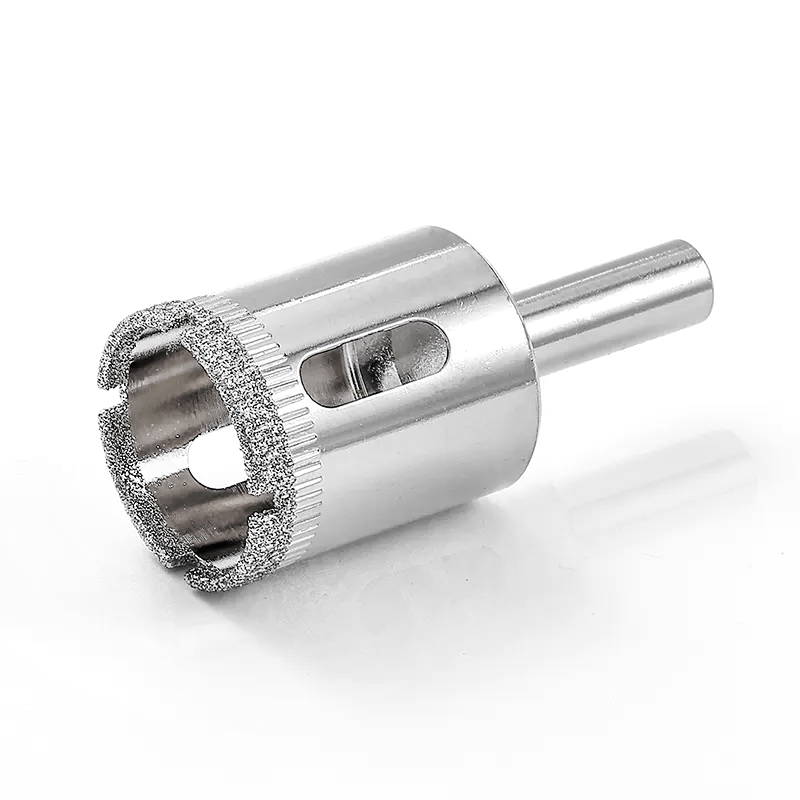
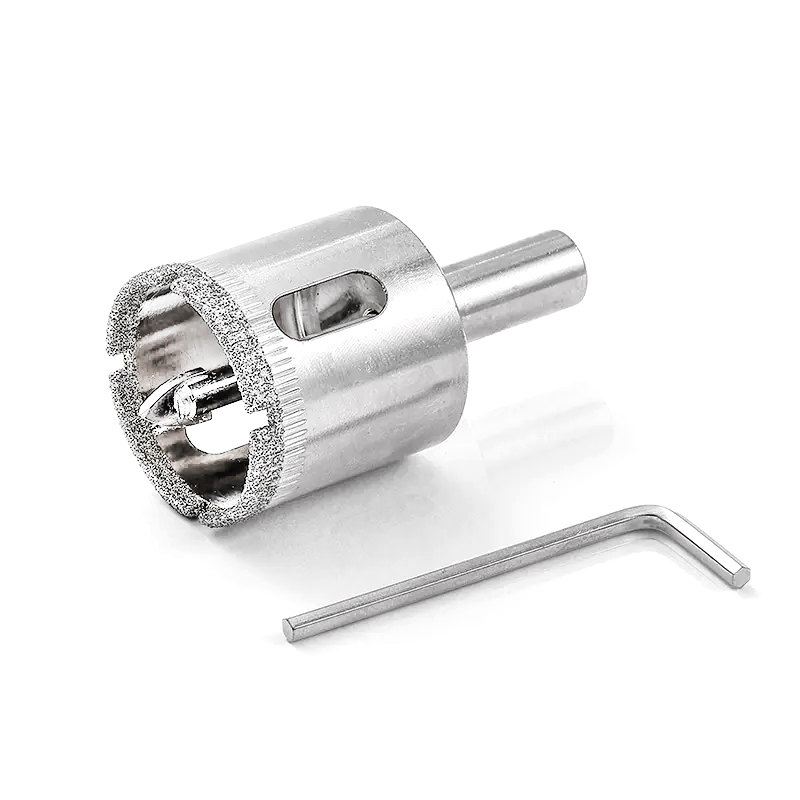
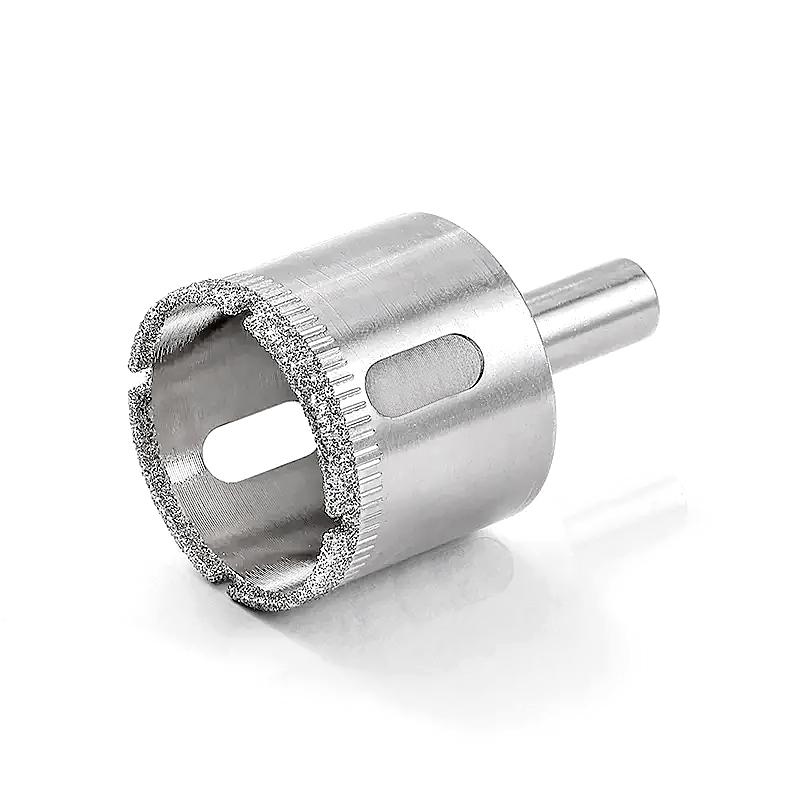
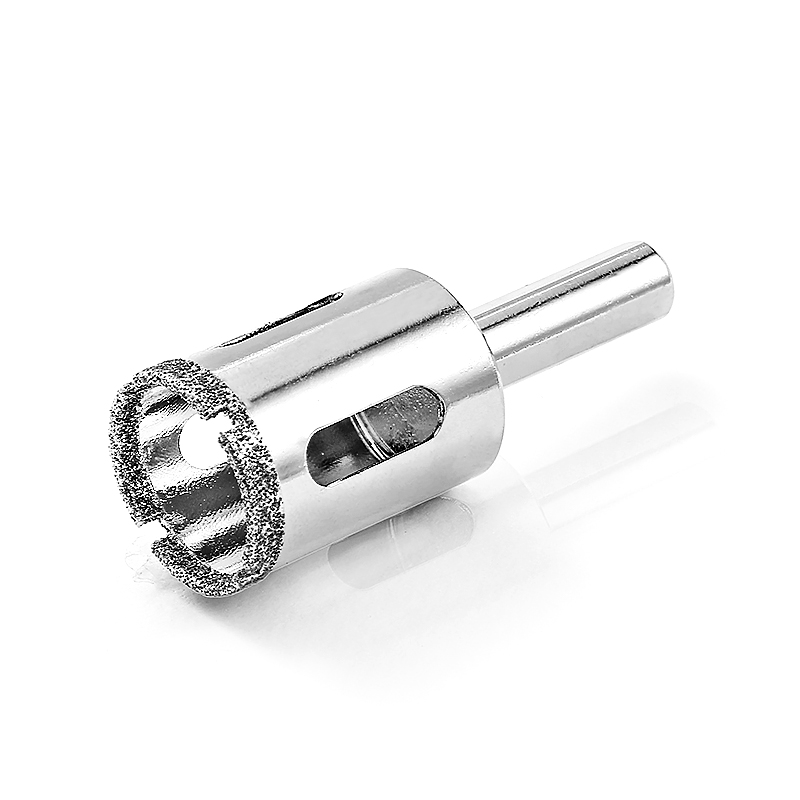
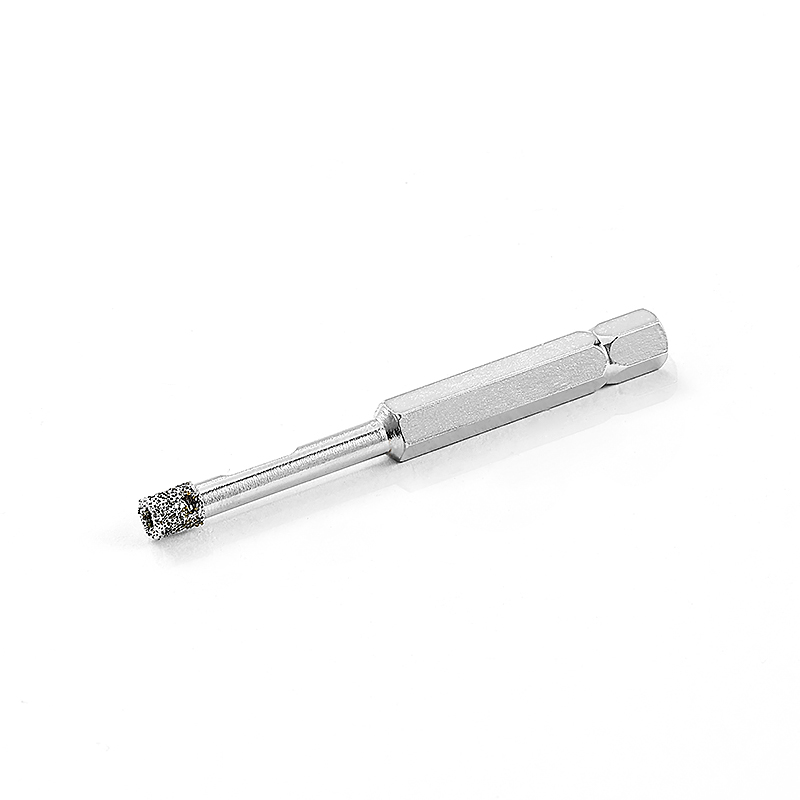
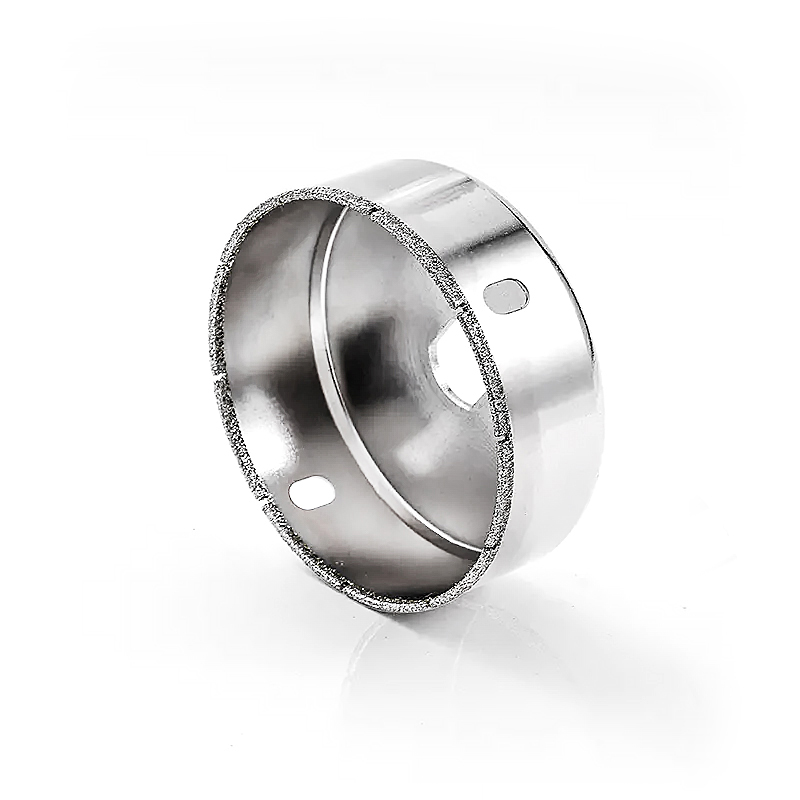
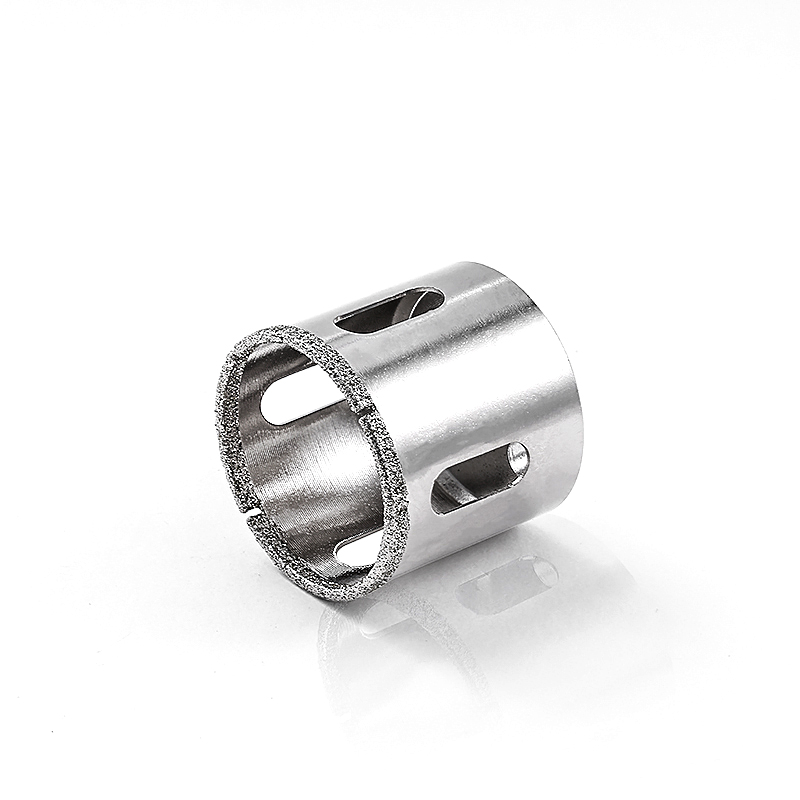
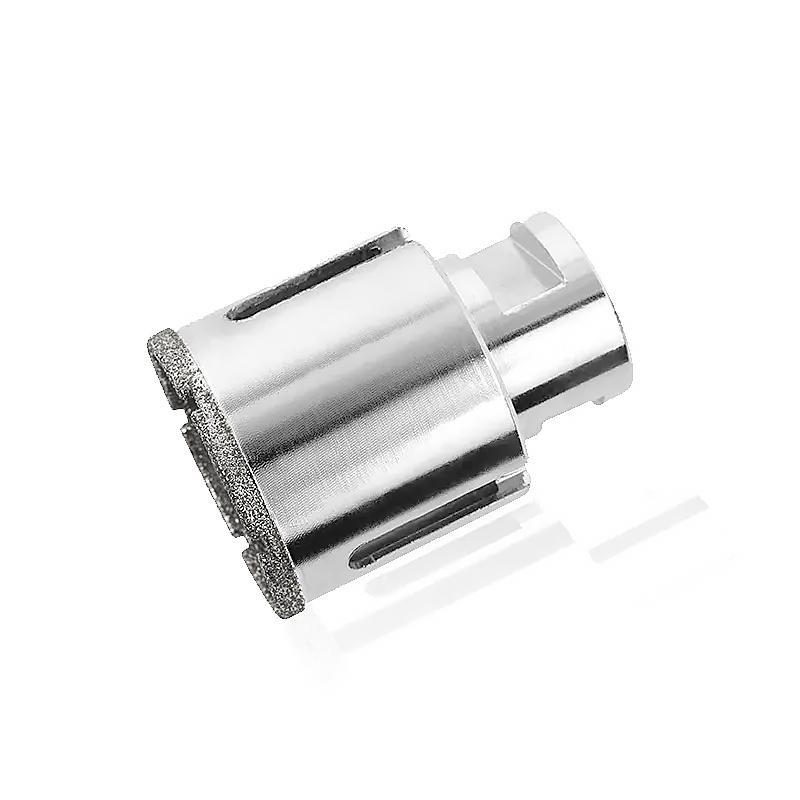
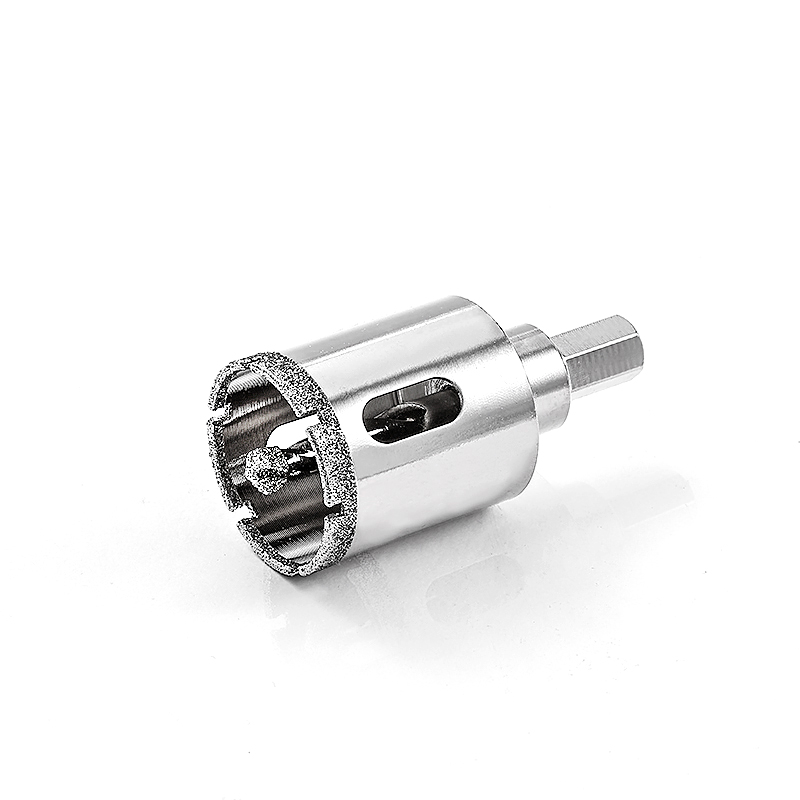
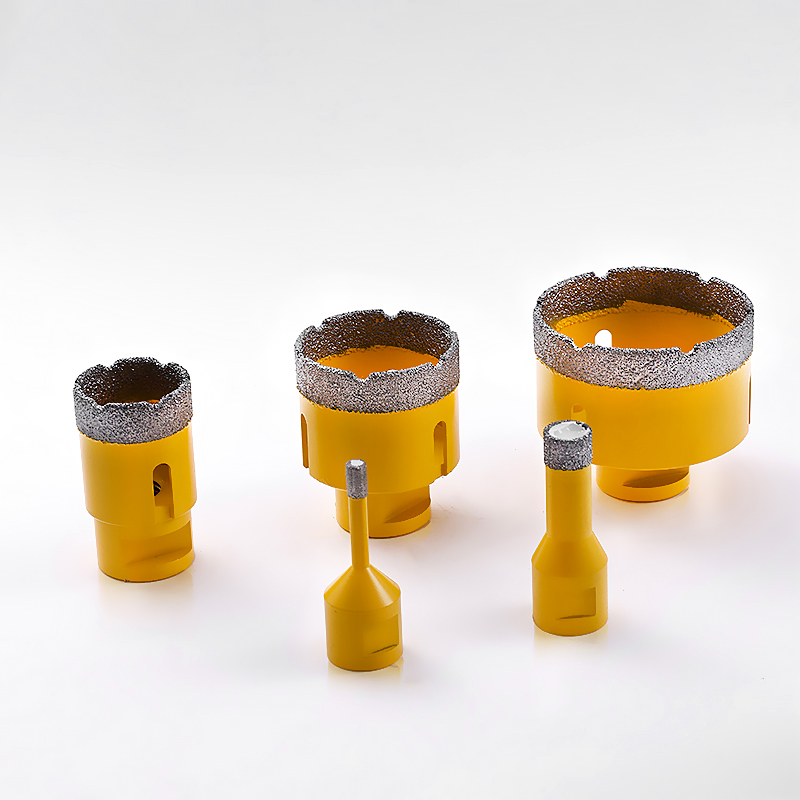
Our EG-A-009 angle-grinder-specific electroplated diamond hole saw is listed with M14, M10, and 5/8-11 handle options. Its listed diameter range is 6 mm to 120 mm, and its diamond grit specification is 46#. The product is designed for compatible angle-grinder applications involving materials such as glass, tiles, marble, and granite.
Buyers can review the product details here: angle grinder diamond hole saw.
Before placing a bulk order, we recommend confirming the exact connection option required for each market or customer group. M14, M10, and 5/8-11 are different thread specifications and should not be treated as interchangeable. Buyers should also confirm that the tool's permitted operating conditions match the grinder manufacturer's instructions.
4. Evaluate Diamond Coating and Cutting Construction
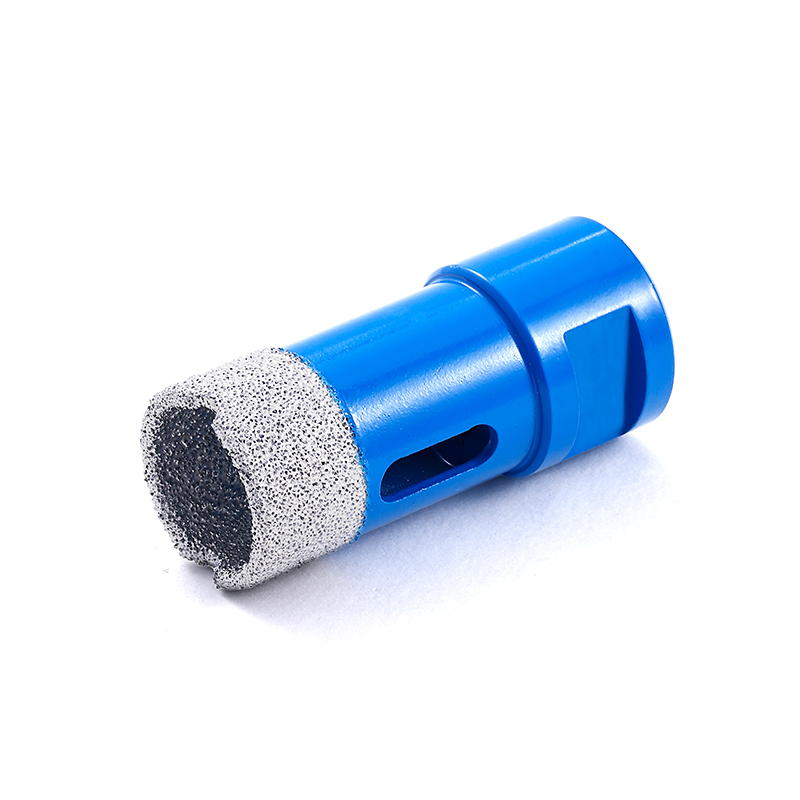
The diamond working surface has a direct relationship with cutting behavior. Electroplated tools use a layer of diamond abrasive attached to the tool's working surface through an electroplating process. Vacuum-brazed designs use a different bonding method and may suit different application requirements.
Our product range includes both construction types, allowing us to discuss tool options according to the material, diameter, workload, and expected cutting conditions.
- Diamond grit size: Confirm the specified abrasive grade and its suitability for the intended material and finish requirements.
- Coating coverage: Review the working-edge design and abrasive distribution relevant to the selected model.
- Body construction: Consider rigidity, overall dimensions, and the design needed to support the intended cutting operation.
- Application suitability: Confirm that the selected construction is appropriate for the workpiece and drilling method.
At Enguang, we discuss these specifications before recommending a product configuration. Buyers should avoid comparing tools solely by their outer diameter or unit price because two tools with the same nominal size may have different construction methods and application limitations.
5. Consider Cutting Depth and Large-Diameter Stability
Increasing the hole diameter changes the demands placed on the cutting tool and the operating setup. A larger cutting circumference interacts with more material, while the tool's contact area and resistance to lateral movement become important considerations. The workpiece must also be supported appropriately to reduce movement and the risk of damage.
Before confirming a large-diameter order, buyers should check these practical details:
- Usable cutting depth: Verify the actual working depth against the material thickness and product dimensions.
- Tool rigidity: Confirm that the selected design is intended for the required diameter and operating conditions.
- Machine rating: Check the grinder's permitted speed, power capacity, and compatibility with the selected tool.
- Workpiece support: Establish a suitable fixture or support method to prevent unwanted movement during cutting.
- Cooling and operating method: Follow the instructions for the specific tool, material, and machine rather than assuming every diamond hole saw can be used in the same way.
We encourage customers to describe their working setup before requesting a customized specification. This allows our team to identify questions that should be resolved before a larger order is approved.
6. Request Samples and Define Bulk Acceptance Criteria
A sample order provides an opportunity to verify whether the proposed specification matches the intended application. However, a successful test on one workpiece does not automatically establish consistency across an entire production batch. Buyers should define the inspection criteria before approving larger quantities.
At Enguang, we suggest evaluating samples against an agreed set of requirements:
- Dimensional inspection: Measure the tool diameter and verify other agreed dimensions.
- Connection inspection: Check the thread type, fit, and relevant interface dimensions.
- Application testing: Test the sample using the intended material, machine, and approved operating procedure.
- Cutting result: Record the finished hole dimensions, edge condition, and any visible material damage.
- Batch documentation: Agree on inspection records, product identification, packaging details, and the criteria used to accept the delivered order.
Clear acceptance criteria help both parties evaluate the order against the same requirements. They also provide a reference for discussing any dimensional or performance differences discovered during incoming inspection.
7. Review Packaging, Model Mix, and Order Configuration
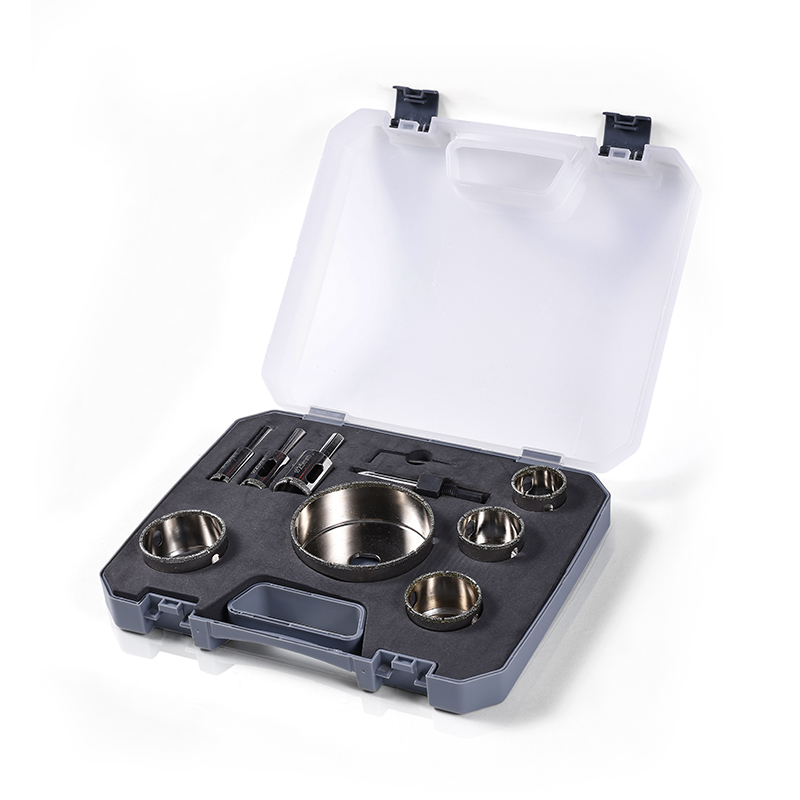
Bulk purchasing involves more than deciding how many tools to order. Distributors may need several diameters and connection types to serve different customer groups, while project buyers may require a defined set of specifications for a particular installation schedule.
We recommend confirming the following commercial details before issuing the purchase order:
- Model breakdown: List each diameter, connection type, and product model separately.
- Packaging requirements: Specify individual packaging, labels, cartons, and any requested private-label details.
- Order quantities by specification: Provide the required quantity for each model rather than giving only a combined total.
- Inspection and documentation: Record any agreed quality checks, product identification requirements, or supporting documents.
- Delivery arrangement: Confirm the production schedule, shipment plan, and delivery terms before placing the order.
As a diamond tool manufacturer, we provide OEM and ODM support for suitable product requirements. Customers can discuss their drawings, samples, packaging preferences, and specification combinations with our team so that the quotation reflects the intended order configuration.
8. A Practical Specification Checklist Before Ordering
To make purchasing discussions more straightforward, we recommend preparing a specification sheet containing the information below. Complete details help us review the request and identify any unresolved technical questions before quotation and sample confirmation.
- Required hole diameter and permitted dimensional deviation.
- Workpiece material, surface finish, and thickness.
- Required cutting depth and finished-edge expectations.
- Tool construction and diamond grit specification, where applicable.
- Angle grinder model, spindle connection, and permitted operating speed.
- Required cooling method and operating conditions.
- Sample testing procedure and bulk acceptance criteria.
- Model quantities, packaging, labeling, and delivery requirements.
Any specification that remains unconfirmed should be recorded for discussion instead of being assumed during production. This approach gives both the buyer and manufacturer a clear reference for technical review, sample approval, and order confirmation.
Large-diameter hole cutting requires a coordinated review of dimensions, material compatibility, connection type, cutting depth, abrasive construction, and batch acceptance requirements. A clear purchasing specification helps prevent avoidable mismatches and gives buyers a more reliable basis for comparing quotations.
At Enguang, we work with customers to review diamond hole saw requirements for glass, ceramic tiles, marble, granite, and other suitable applications. By sharing the target diameter, material details, machine information, and expected order configuration, buyers can help us identify appropriate product options and clarify technical requirements before bulk purchasing. Contact our team at Zhejiang Enguang Diamond Tools Co., Ltd. to discuss your application, request product information, or review OEM and ODM requirements.