English
 中文简体
中文简体 Español
How Far Can Vacuum Brazed Diamond Core Drill Bits Go Before Segment Wear Becomes Noticeable
Diamond core drilling performance is often measured by one question: how many holes can a tool complete before users notice a decline in cutting ability? This question becomes especially important for stone installers, tile professionals, and construction workers who need consistent results across repeated drilling tasks.
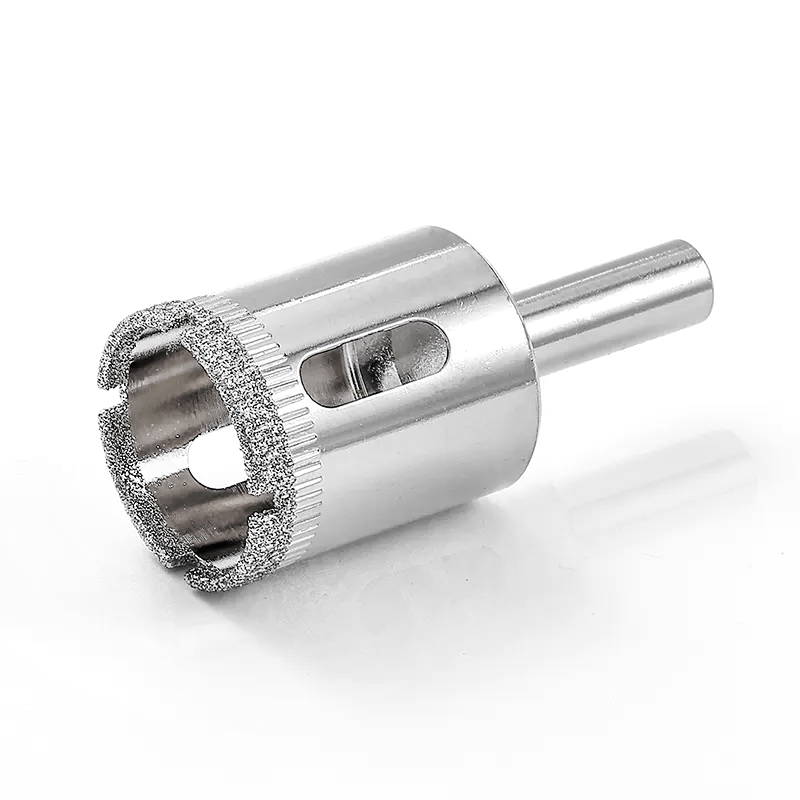
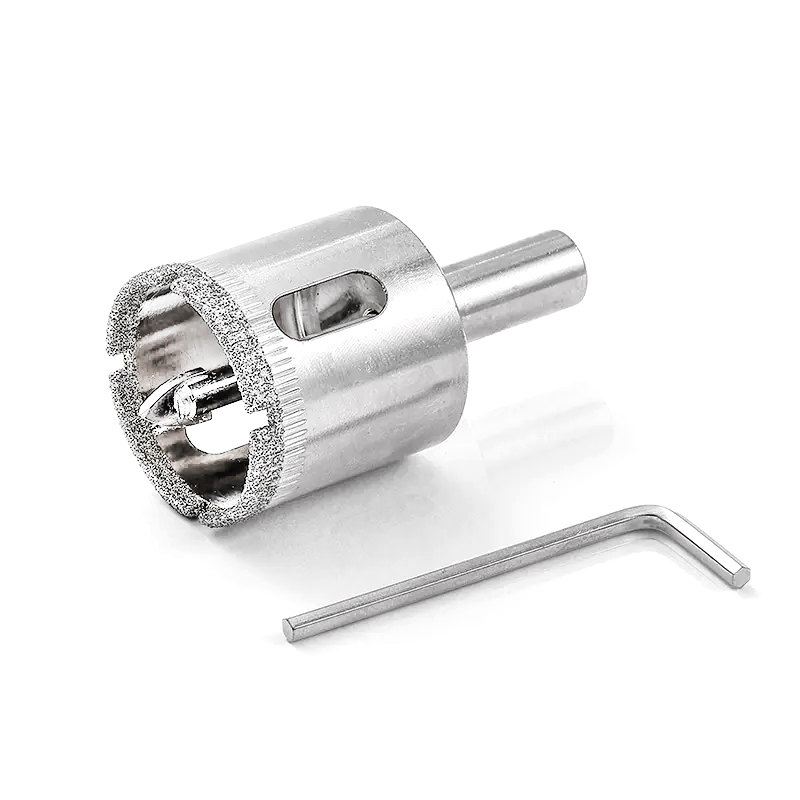
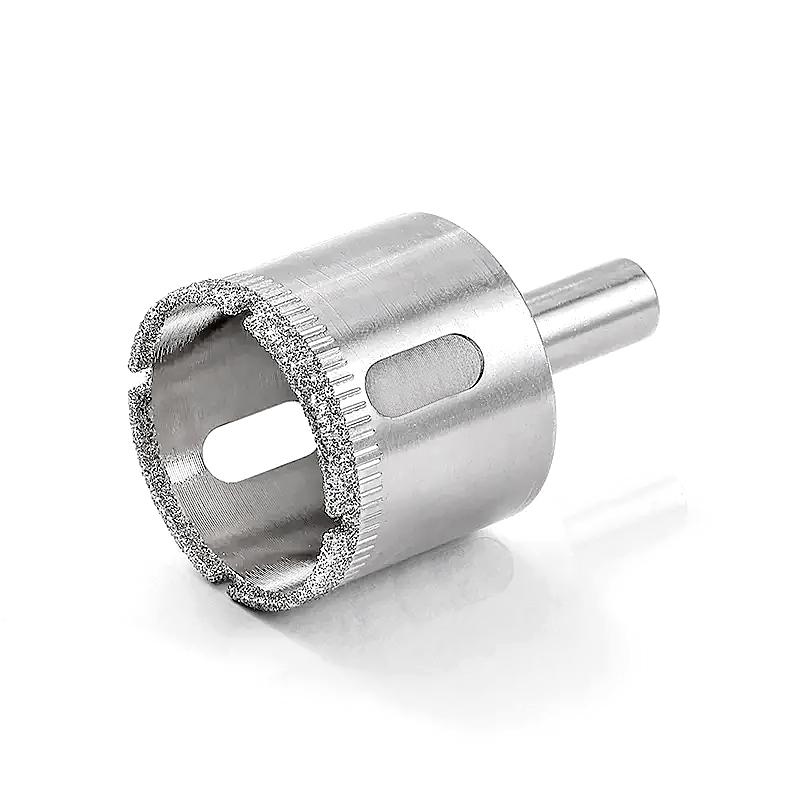
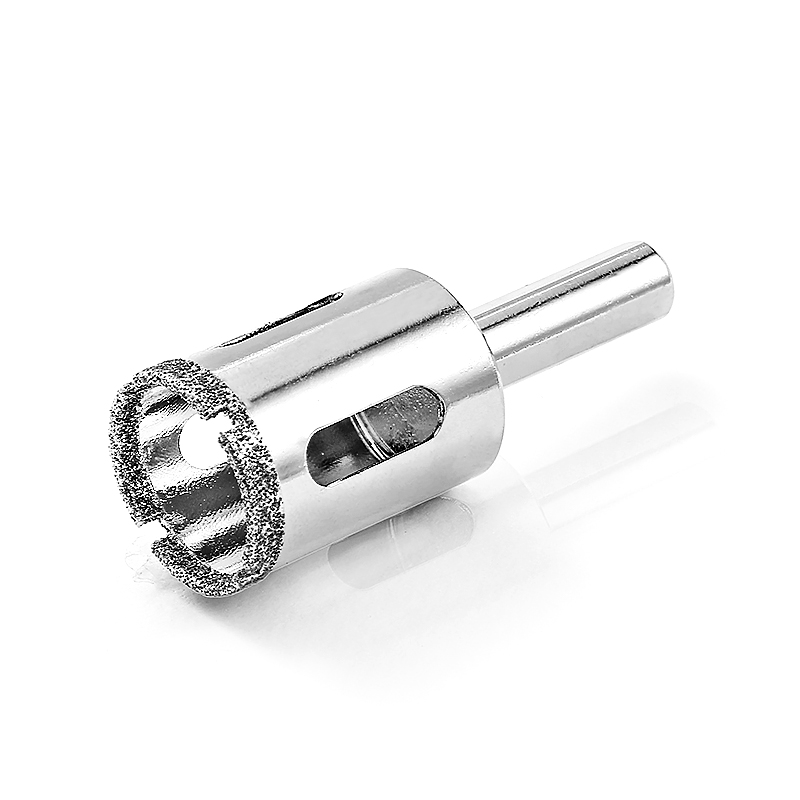
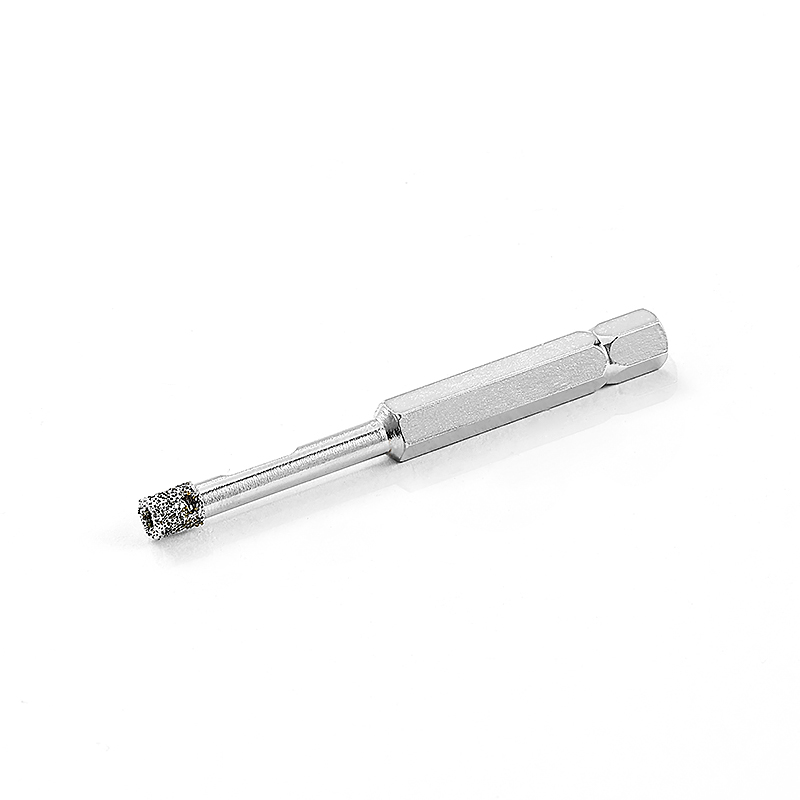
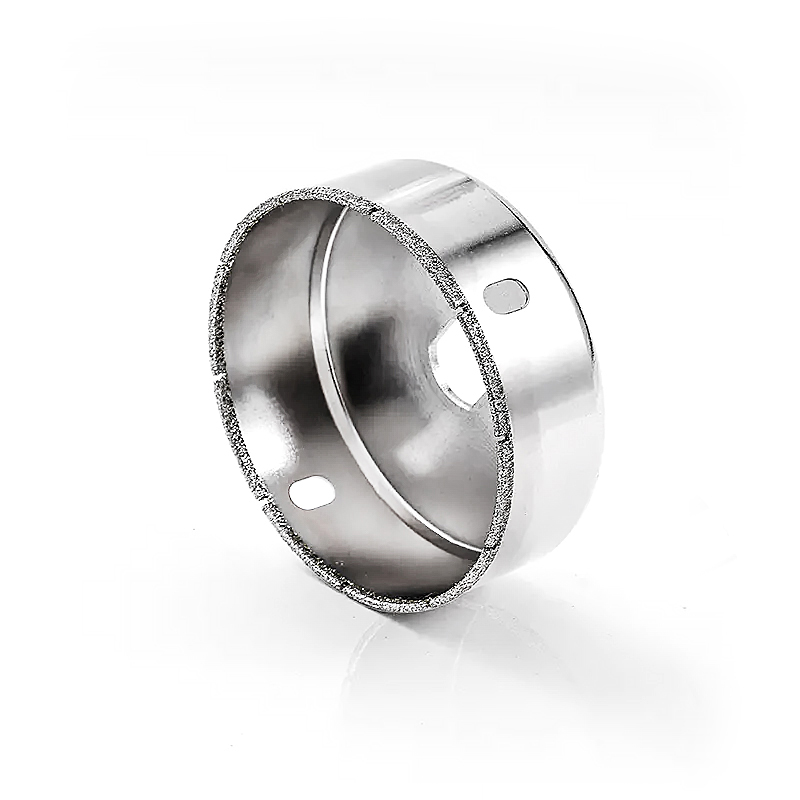
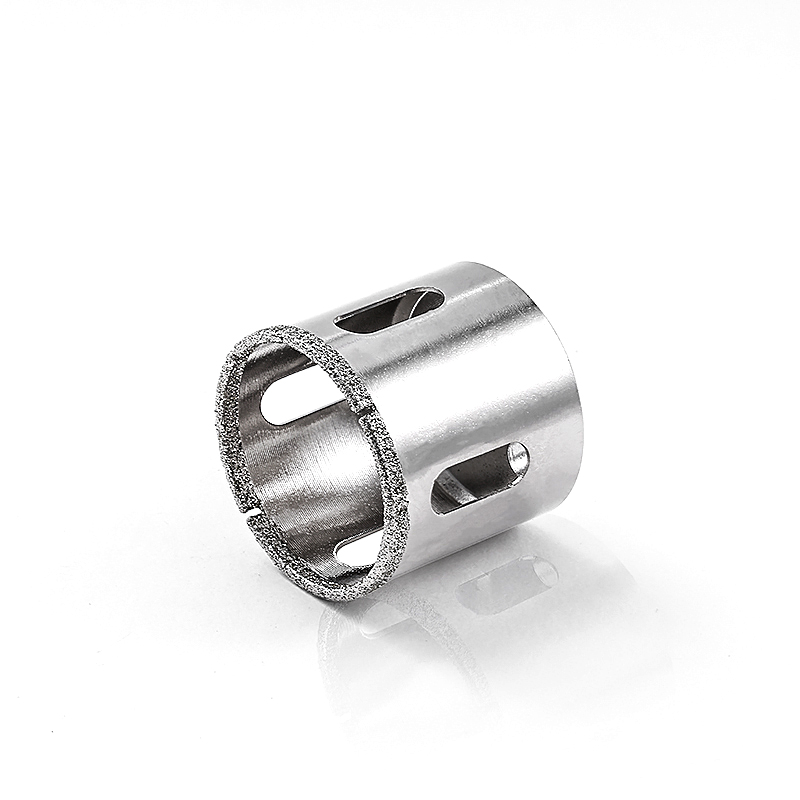
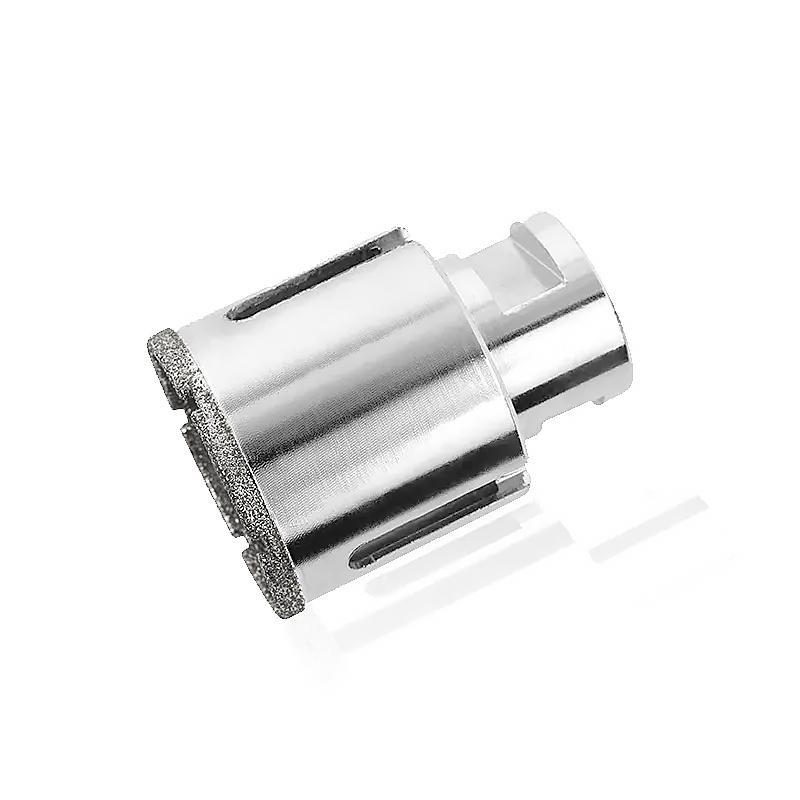
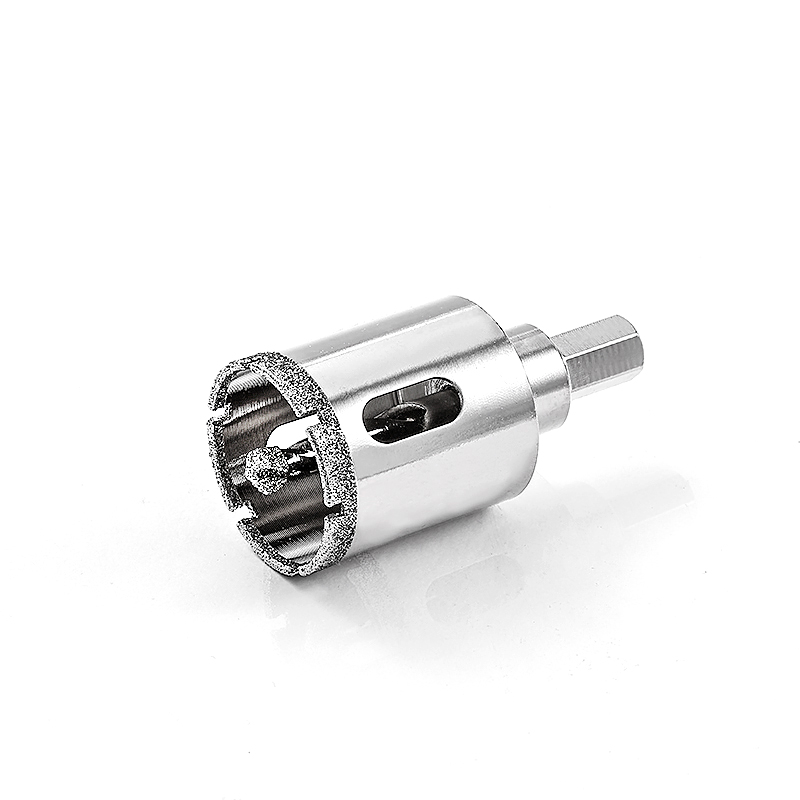
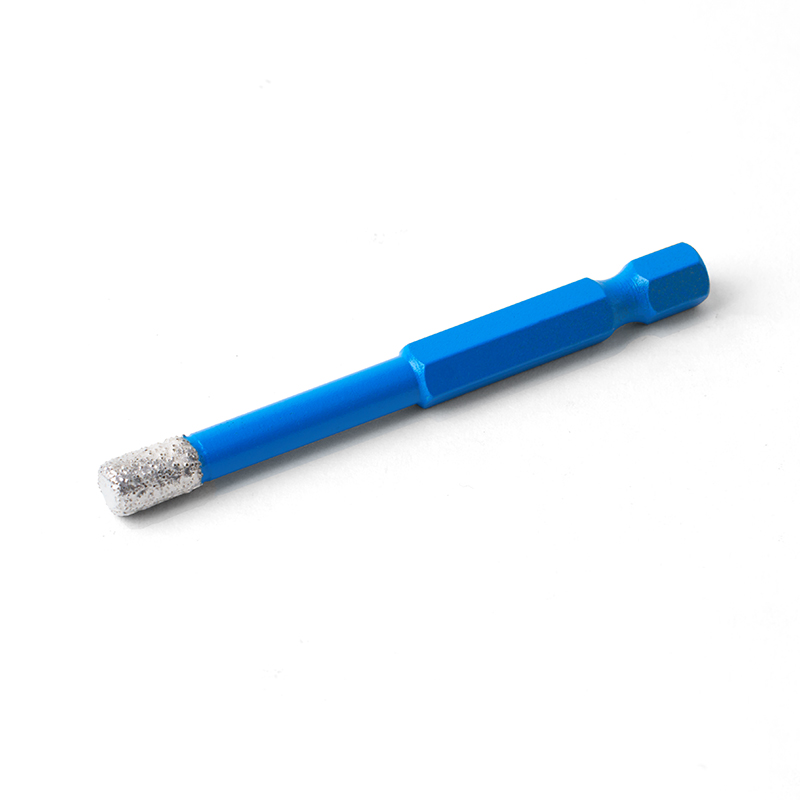
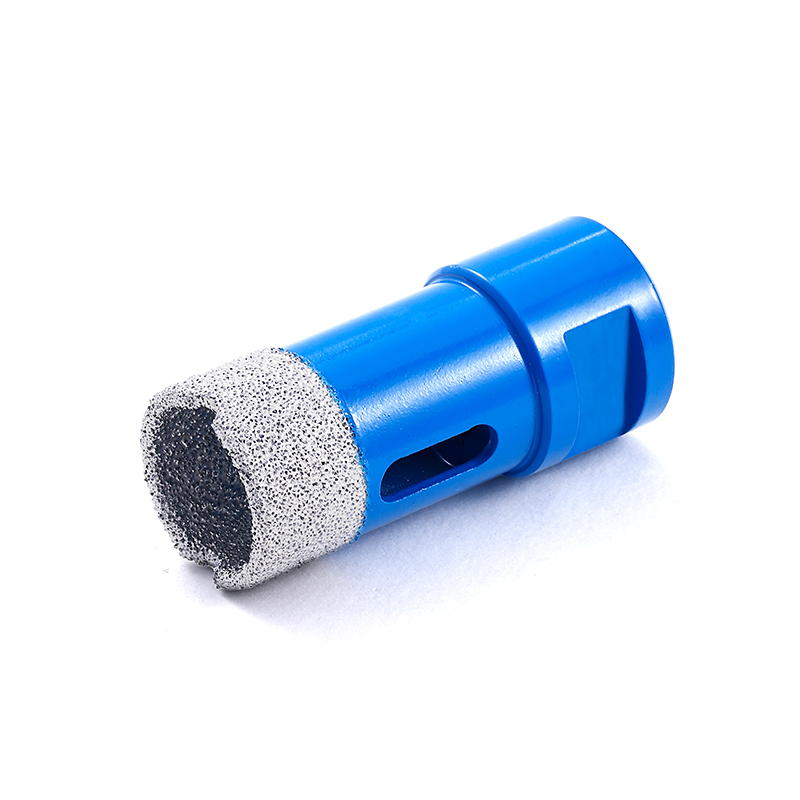
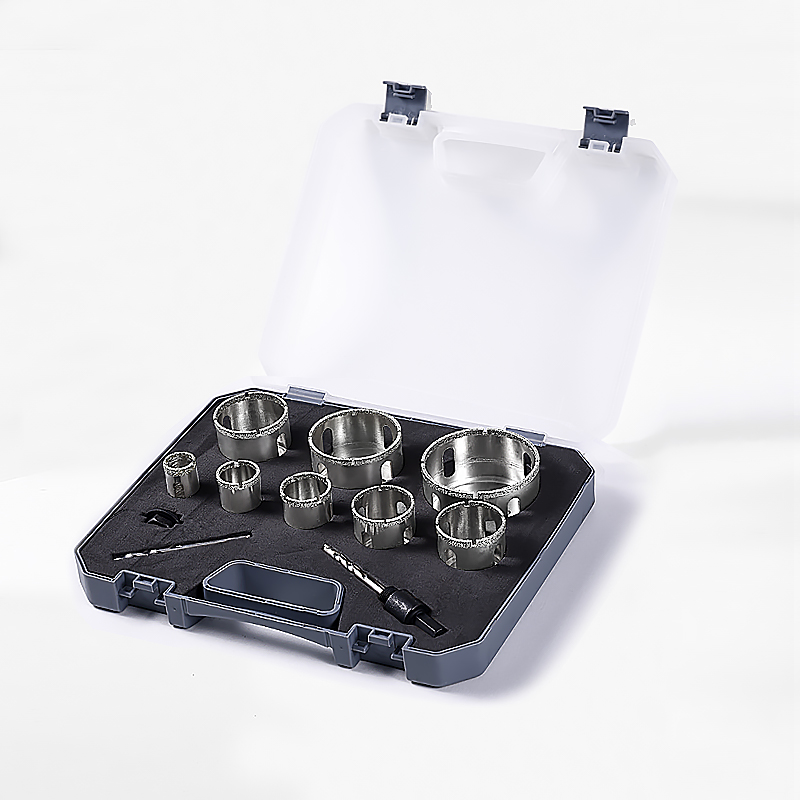
A Vacuum Brazed Diamond Core Drill Bit is designed to provide strong diamond retention and exposed cutting edges through a high-temperature brazing process. Unlike some traditional diamond tools that rely on a plated surface or metal matrix to hold abrasive particles, vacuum brazed designs bond diamond grit directly to the tool body, creating a strong connection between diamonds and the cutting edge. However, segment wear remains unavoidable because diamond particles gradually experience friction, impact, and abrasion during drilling.
The actual service distance before noticeable wear depends on several variables, including material hardness, drilling diameter, cooling conditions, pressure control, and manufacturing quality.
Diamond exposure determines early cutting performance
The main advantage of vacuum brazed technology comes from high diamond exposure. The brazing layer surrounds and secures diamond particles while leaving a large portion of each particle available for cutting action.
- Higher diamond exposure provides more direct contact between abrasive particles and the workpiece
- Strong bonding strength helps reduce premature diamond loss during rotation
- Stable cutting points maintain grinding ability through repeated drilling cycles
This structure allows a new bit to cut aggressively at the beginning of its working life. As drilling continues, diamond tips become rounded and the exposed cutting surface gradually changes. The transition from sharp cutting action to slower grinding is the stage where users usually notice segment wear.
Material hardness changes wear speed
There is no universal drilling distance that applies to every application. The same core drill may show different wear patterns on porcelain, marble, granite, glass, and engineered stone.
- Porcelain tiles create high resistance because of their dense fired structure
- Granite and quartz materials increase abrasive stress because of hard mineral content
- Marble surfaces usually require smoother cutting control due to their brittle characteristics
- Glass applications demand careful heat management because thermal stress can affect both tool and workpiece
Industry references commonly note that tool life varies significantly according to material type and operating conditions. Some practical guides estimate dozens of holes for small-diameter applications under suitable conditions, while larger diameters generally experience faster wear due to increased contact area.
Hole diameter affects segment loading
The diameter of a core drill directly influences how much cutting surface contacts the material. A larger diameter tool removes more material per rotation, creating additional friction and heat.
- Small diameter bits often maintain sharper cutting behavior because contact resistance is lower
- Medium diameter bits require balanced speed and pressure management
- Large diameter bits need stronger cooling control to reduce thermal stress
A 12mm core drill and an 80mm core drill may use similar brazing technology, but their wear patterns develop under completely different mechanical conditions.
Heat buildup accelerates diamond segment wear
Temperature management plays an important role in maintaining diamond exposure. Excessive heat affects the bonding area between diamond particles and the tool body, especially during long continuous drilling sessions.
- Water cooling removes heat and flushes drilling debris away from the cutting zone
- Continuous lubrication reduces friction between diamond particles and stone surfaces
- Controlled drilling intervals prevent excessive temperature accumulation
Improper cooling can accelerate glazing, where the cutting surface becomes smoother and less aggressive. Glazing is often associated with overheating, incorrect speed, or unsuitable pressure conditions.
Pressure control influences wear patterns
Many users assume stronger pressure creates faster drilling, but diamond tools depend on controlled abrasion rather than forceful penetration. Excessive pressure can damage the cutting edge and shorten usable life.
- High pressure increases friction and may accelerate diamond particle breakdown
- Very light pressure may cause polishing instead of effective grinding
- Balanced feeding force allows diamonds to maintain consistent material removal
Professional diamond drilling recommendations often focus on matching rotational speed, feed rate, and material conditions rather than applying additional force. Incorrect operating parameters can create glazing or uneven wear across the cutting edge.
Signs that segment wear has started
Segment wear does not always appear as visible damage. Early indicators usually appear through changes in drilling behavior.
- Reduced cutting speed compared with the performance of a new tool
- Increased vibration caused by uneven diamond wear around the rim
- Higher drilling temperature caused by reduced cutting efficiency
- Rougher hole edges resulting from unstable cutting action
Regular inspection of the cutting edge helps identify whether the tool needs adjustment, cleaning, or replacement. Wear patterns can reveal problems with speed, pressure, cooling, or material compatibility.
How to extend the working distance of a vacuum brazed core drill
Although diamond wear cannot be eliminated, proper usage can significantly improve service consistency.
- Match the drill speed with the diameter and material hardness
- Maintain proper cooling throughout longer drilling operations
- Avoid side pressure that causes uneven segment loading
- Remove debris regularly to maintain smooth cutting conditions
Proper operation allows the brazed diamond layer to wear gradually instead of suffering sudden performance loss.
Final analysis of vacuum brazed diamond tool lifespan
The working distance of a Vacuum Brazed Diamond Core Drill Bit before noticeable segment wear cannot be defined by a single number. Tool diameter, stone hardness, drilling method, cooling conditions, and diamond bonding quality all determine how quickly performance changes.
Vacuum-brazed construction provides strong diamond retention and reliable cutting behavior, making it suitable for demanding applications such as porcelain, marble, and stone drilling. With controlled pressure, proper cooling, and suitable operating speed, users can maintain cutting efficiency for a longer period and achieve cleaner, more consistent holes throughout the tool’s service life.