English
 中文简体
中文简体 Español
Vacuum Brazed Diamond Drill Bits: What Materials Are They Built For
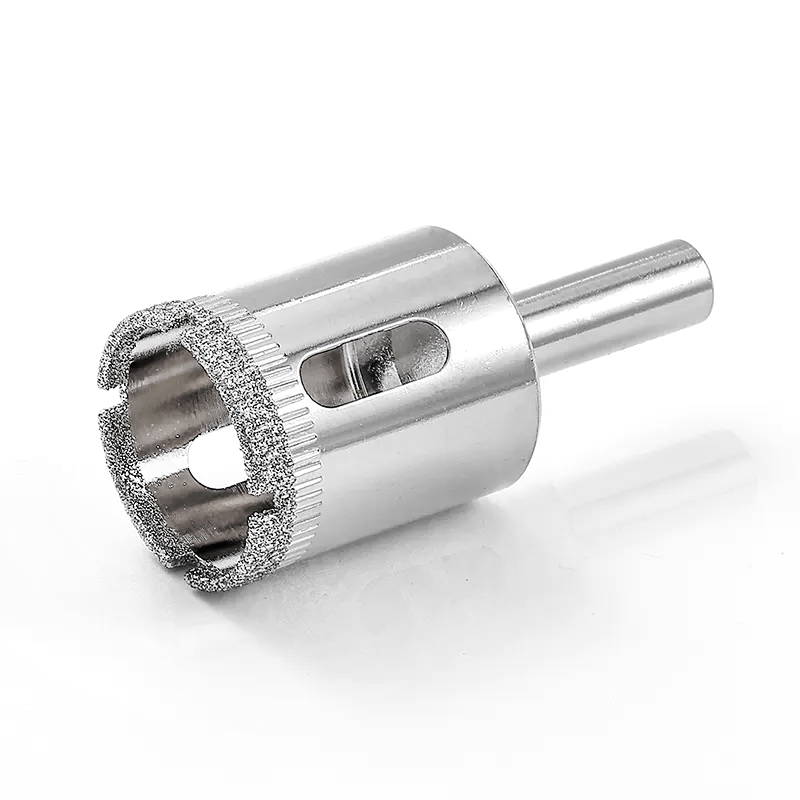
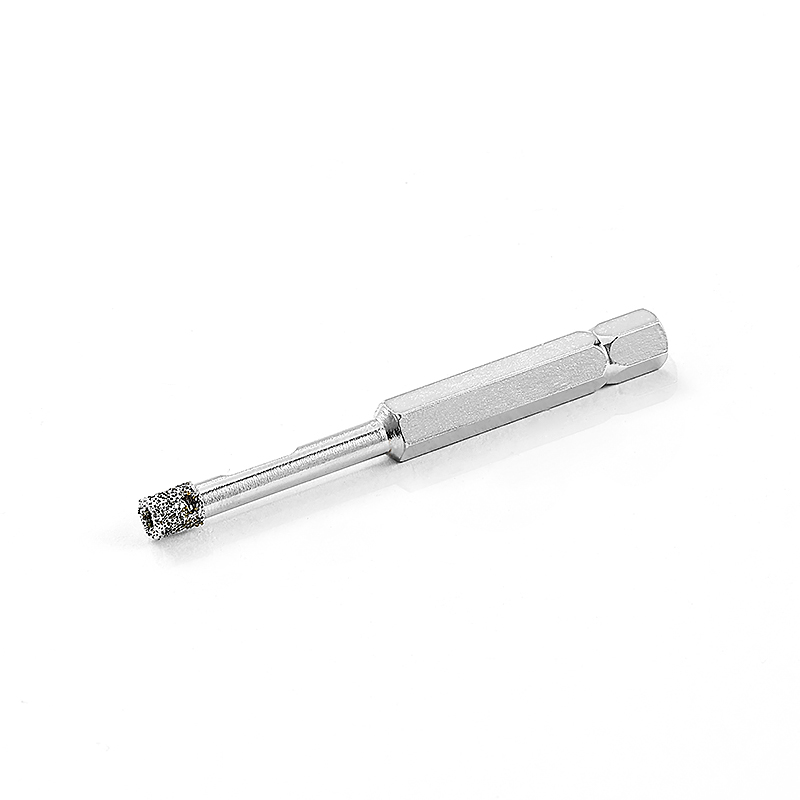
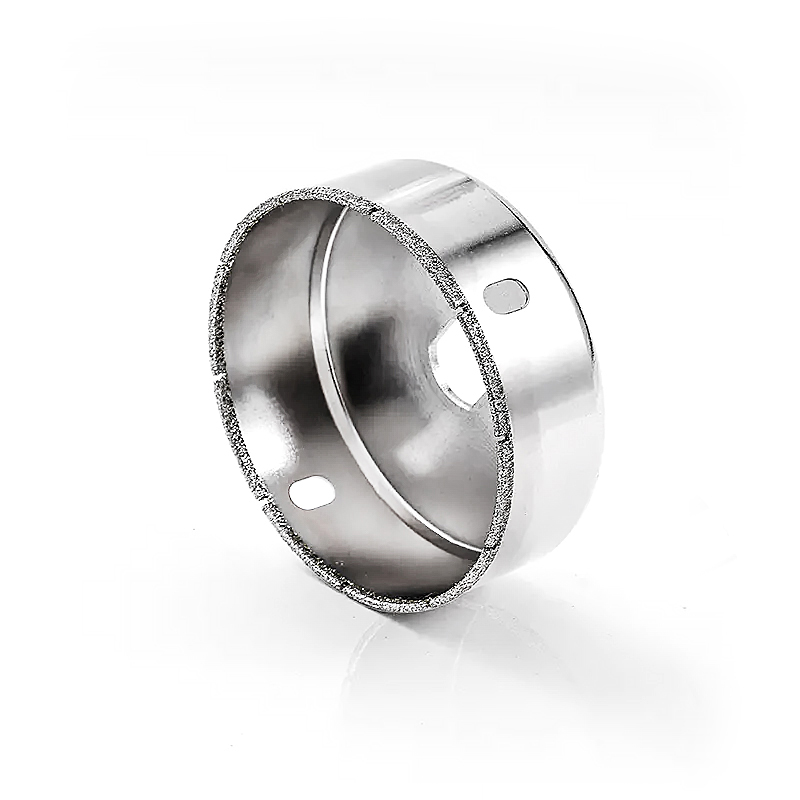
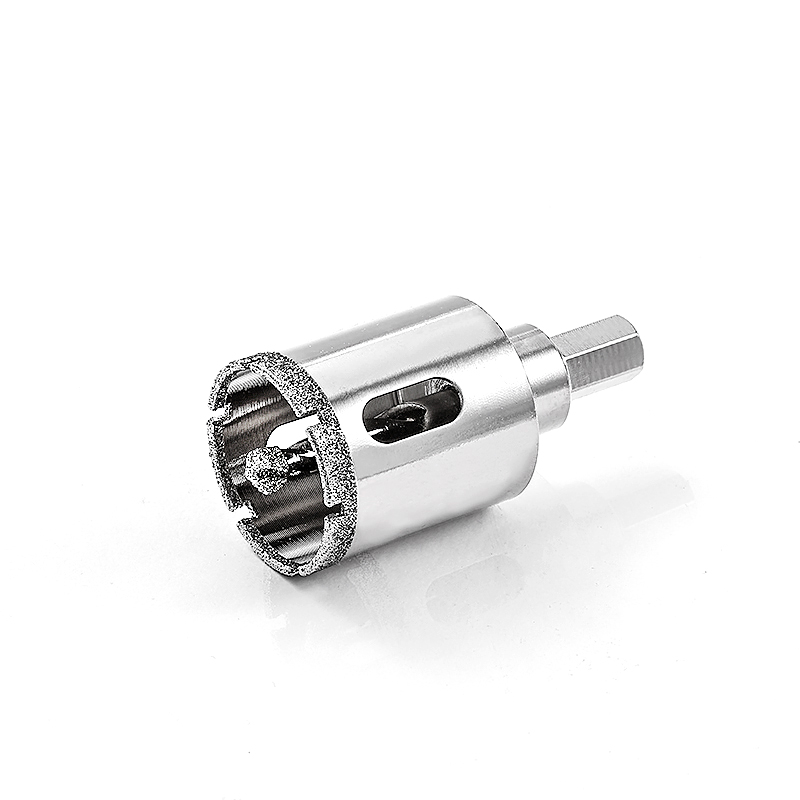
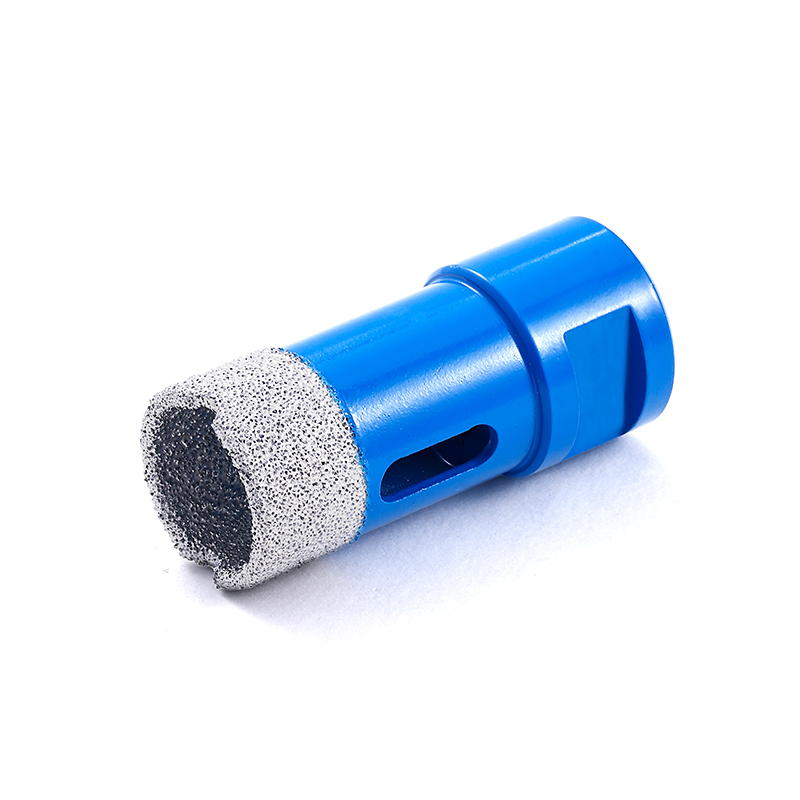
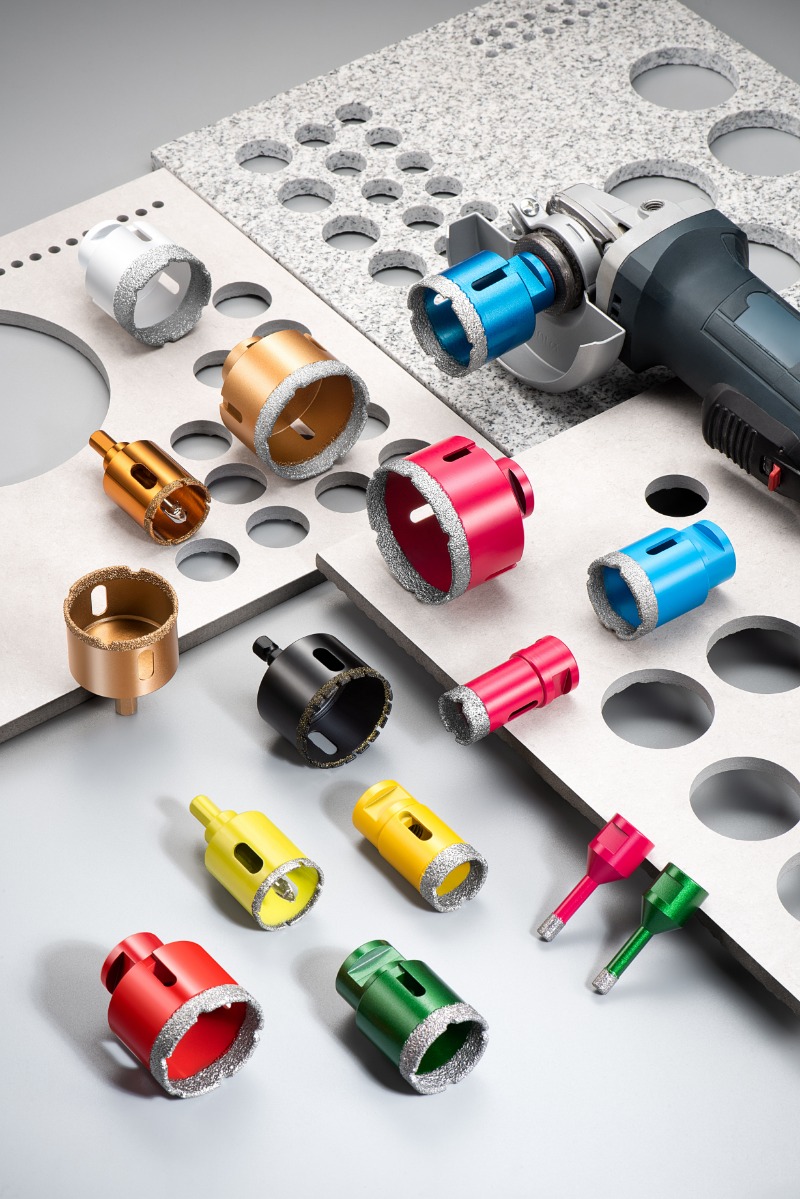
Drilling hard materials requires tools that can handle high friction, heat generation, and surface pressure. Traditional drill bits often struggle with brittle or dense materials because they may wear quickly or create rough hole edges. A vacuum brazed diamond drill bit is designed with industrial diamond particles permanently bonded to a metal body through a vacuum brazing process, creating a strong cutting surface for demanding drilling applications.
The key advantage of this technology comes from the connection between diamond grit and the drill body. During production, diamond particles are attached using a metal alloy bonding process under controlled high-temperature conditions. This structure allows more diamond exposure and helps maintain cutting ability across different hard surfaces.
Understanding the Materials Suitable for Vacuum Brazed Diamond Drill Bits
A major reason users choose diamond drilling tools is their ability to work with materials that ordinary steel or carbide bits cannot handle effectively. The abrasive cutting action of diamond particles makes these tools suitable for a wide range of construction, renovation, and fabrication materials.
- Porcelain and ceramic tiles: Porcelain is dense and highly resistant to traditional drilling methods. Vacuum brazed diamond drill bits help create clean openings for plumbing, electrical installation, and bathroom renovation projects.
- Natural stone: Granite, marble, quartz stone, and limestone are commonly drilled with diamond tools because their mineral structures create significant wear on conventional bits.
- Glass and fragile materials: Diamond drilling produces a grinding effect rather than impact cutting, reducing stress on delicate surfaces when the correct speed and pressure are applied.
- Composite materials: Certain fiberglass, carbon fiber, and engineered stone products require controlled cutting performance, making diamond-based drilling solutions suitable for specialized applications.
Research and industrial applications show that diamond drill tools are widely used for hard and abrasive materials, including stone, ceramic, porcelain, glass, and composite materials.
Why Material Matching Matters During Drilling Projects
Different materials have unique hardness levels, internal structures, and heat resistance. A drill bit designed for porcelain tile may not deliver the same results on reinforced concrete or extremely abrasive stone. Choosing a suitable diamond specification helps maintain stable drilling performance.
- Hard stone applications: Granite and quartz require strong diamond retention because their surfaces contain highly abrasive mineral particles.
- Decorative stone processing: Marble drilling focuses on achieving smooth edges and reducing surface damage during countertop or interior projects.
- Tile installation: Ceramic and porcelain tiles need controlled cutting action to prevent cracks around drilled holes.
The performance of a diamond drill bit depends not only on diamond hardness but also on diamond concentration, bonding material, drill body design, and operating conditions. These factors determine how effectively the tool interacts with different surfaces.
Key Construction Features Behind Diamond Drilling Performance
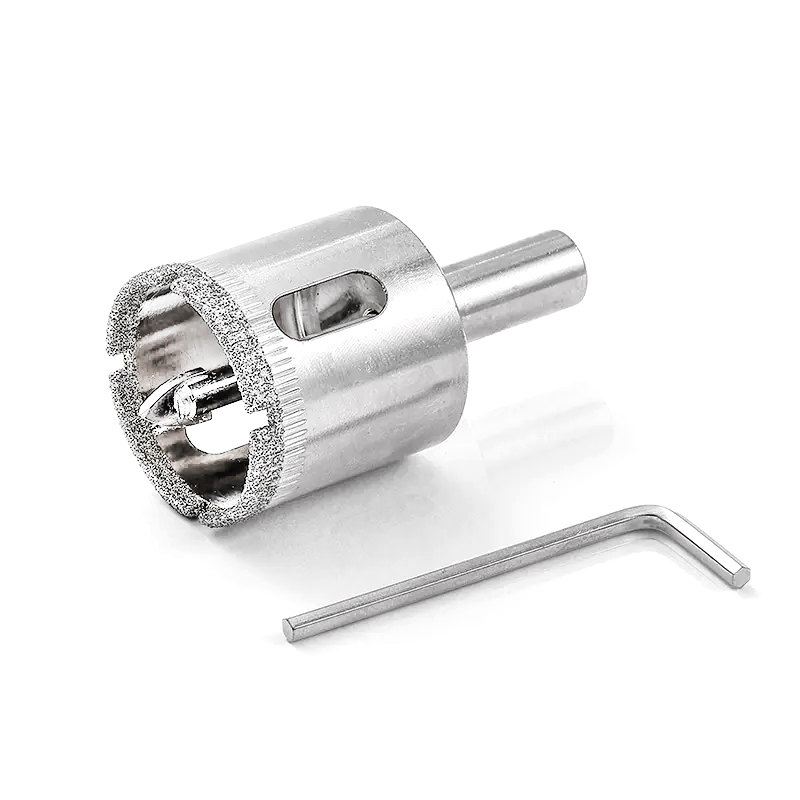
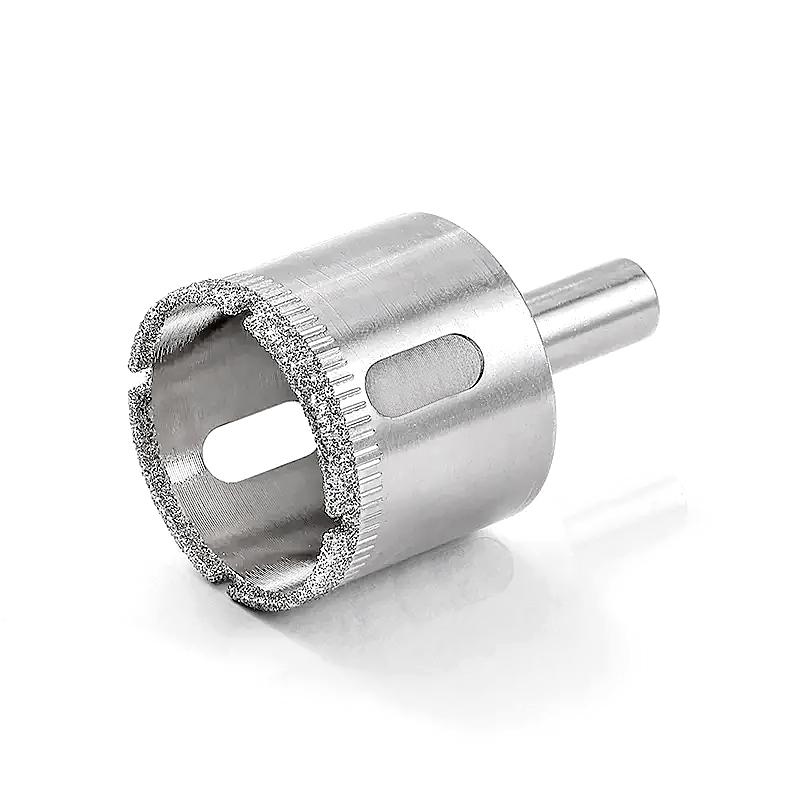
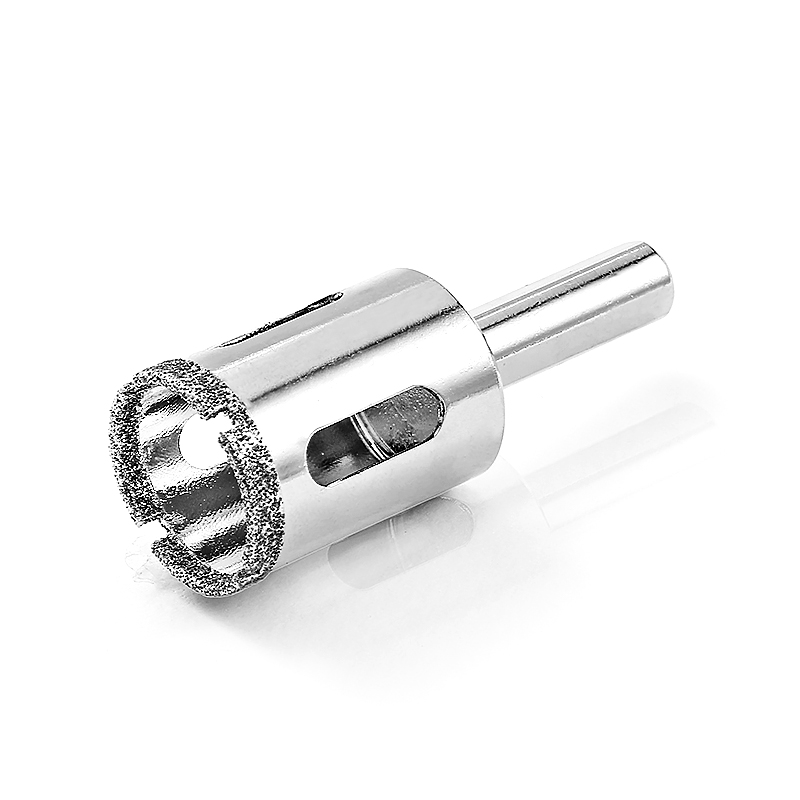
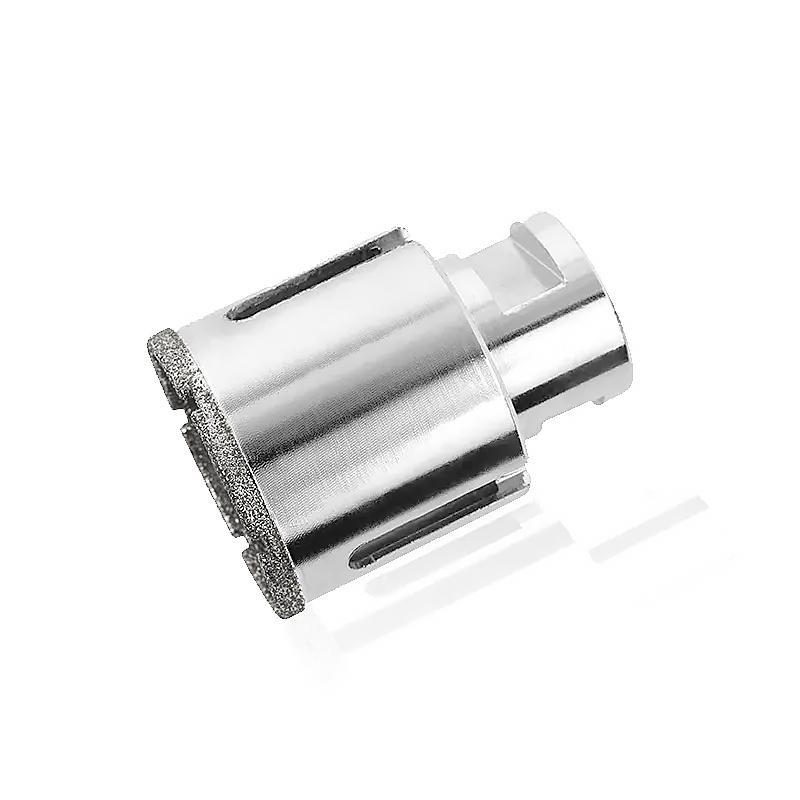
A Vacuum Brazed Diamond Drill Bit usually consists of several important components that work together during operation.
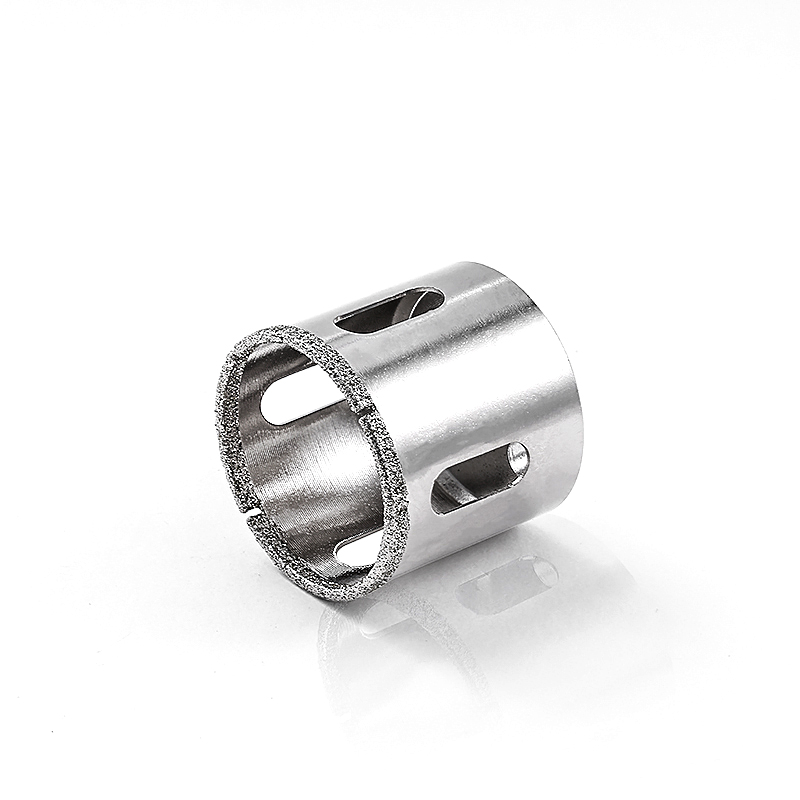
- Industrial diamond grit: Synthetic diamond particles provide the abrasive cutting ability required for hard materials. Particle size and distribution influence drilling speed and surface finish.
- Steel or alloy body: The metal core provides structural support and maintains stability during rotation.
- Vacuum brazed bonding layer: The brazing process creates a strong connection between diamond particles and the tool surface, helping prevent premature diamond loss.
- Cooling structure: Some designs include wax filling, ventilation openings, or special body structures to reduce heat accumulation during drilling.
Typical vacuum brazing processes for diamond tools use temperatures around 1,000–1,200°C to create a durable bond between diamond particles and the metal body.
Common Product Specifications and Application Details
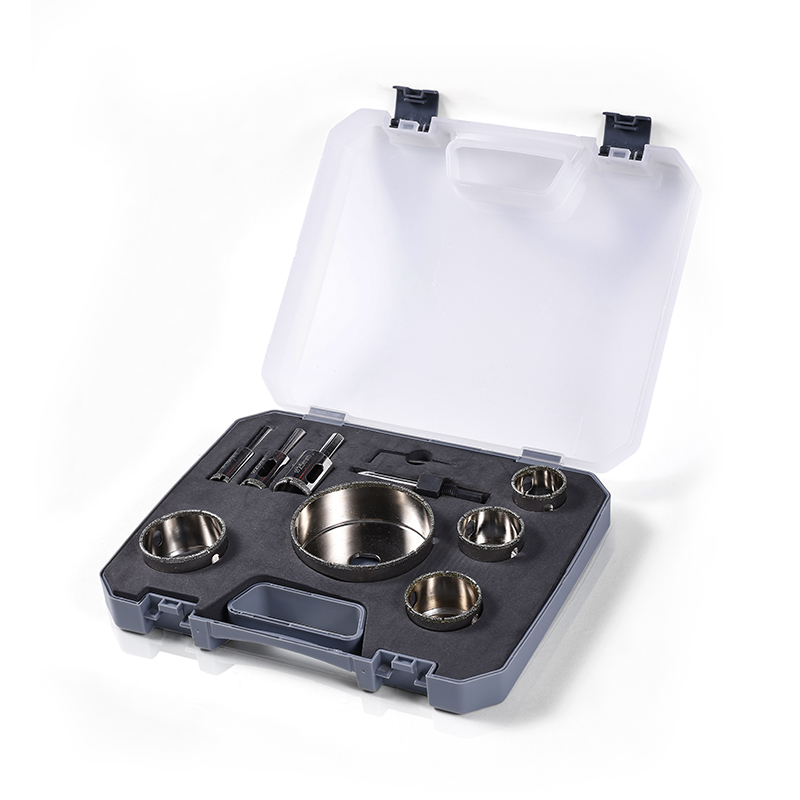
Manufacturers produce vacuum brazed diamond drill bits in different sizes and configurations to match various drilling requirements. The correct specification depends on hole diameter, material thickness, equipment type, and working environment.
| Specification | Typical Range | Application |
| Diameter | 6mm–120mm or customized sizes | Tile holes, stone holes, installation openings |
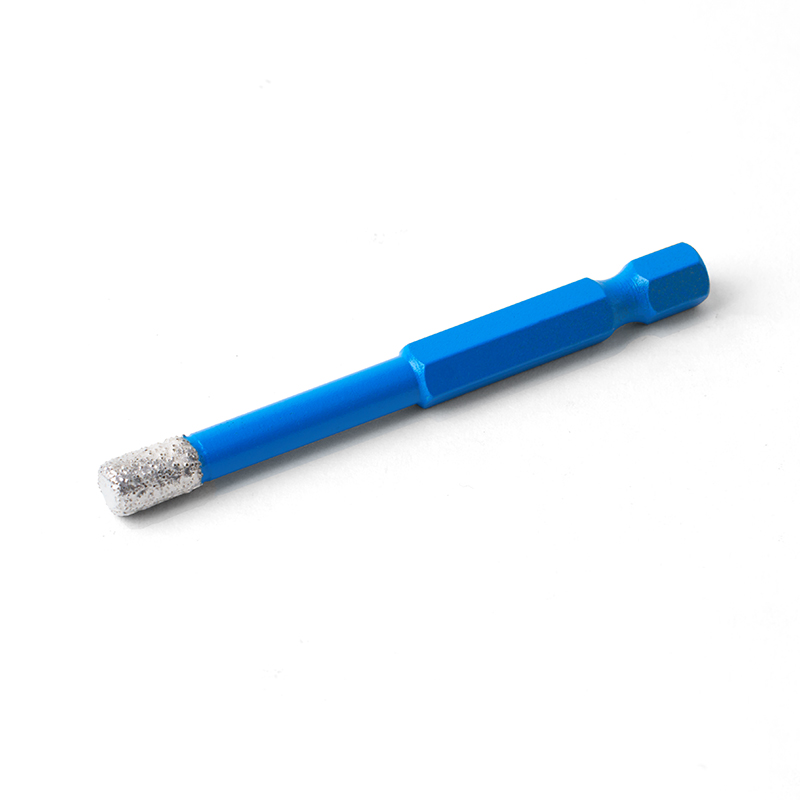
| Shank Type | Hex shank, round shank, threaded connection | Electric drills, angle grinders, drilling machines |
| Diamond Type | Synthetic industrial diamond grit | Porcelain, marble, granite, ceramic |
| Drilling Method | Dry drilling or wet drilling designs | Renovation, construction, stone fabrication |
Applications Across Different Industries
The demand for diamond drilling solutions continues to grow because many industries require precise holes in difficult materials.
- Construction industry: Used for tile installation, stone panels, plumbing holes, and electrical openings.
- Kitchen and bathroom fabrication: Suitable for drilling marble countertops, quartz surfaces, and ceramic materials.
- Industrial manufacturing: Applied for processing composite panels, advanced ceramics, and specialty materials.
- DIY renovation projects: Compact diamond drill bits provide convenient solutions for homeowners working with tiles and decorative materials.
Factors That Influence Drilling Results
Even with advanced diamond technology, drilling results depend on proper operation. Excessive pressure, incorrect rotation speed, or insufficient cooling may affect the service life of the tool.
- Rotation speed: Match RPM with drill diameter and material hardness to maintain stable cutting conditions.
- Pressure control: Allow diamond particles to perform the cutting instead of forcing the tool through the material.
- Cooling management: Use appropriate cooling methods according to the drill design and material requirements.
Choosing the Right Diamond Drill Solution for Different Materials
A successful drilling project begins with understanding the material characteristics. Porcelain tiles require different drilling conditions compared with granite slabs, while marble applications may focus more on edge quality and surface protection.
Vacuum brazed technology provides a practical solution for users who need reliable drilling performance across various hard materials. With strong diamond retention, flexible size options, and compatibility with multiple tools, these drill bits have become an important choice for professional installers, fabricators, and renovation specialists.
From ceramic surfaces to natural stone applications, the material capability of a Vacuum Brazed Diamond Drill Bit determines its value in real-world projects. Selecting a design that matches the working material helps achieve cleaner holes, stable operation, and consistent drilling results.