English
 中文简体
中文简体 Español
Manufacturing Quality Determines the Lifespan of an Electroplated Diamond Hole Saw
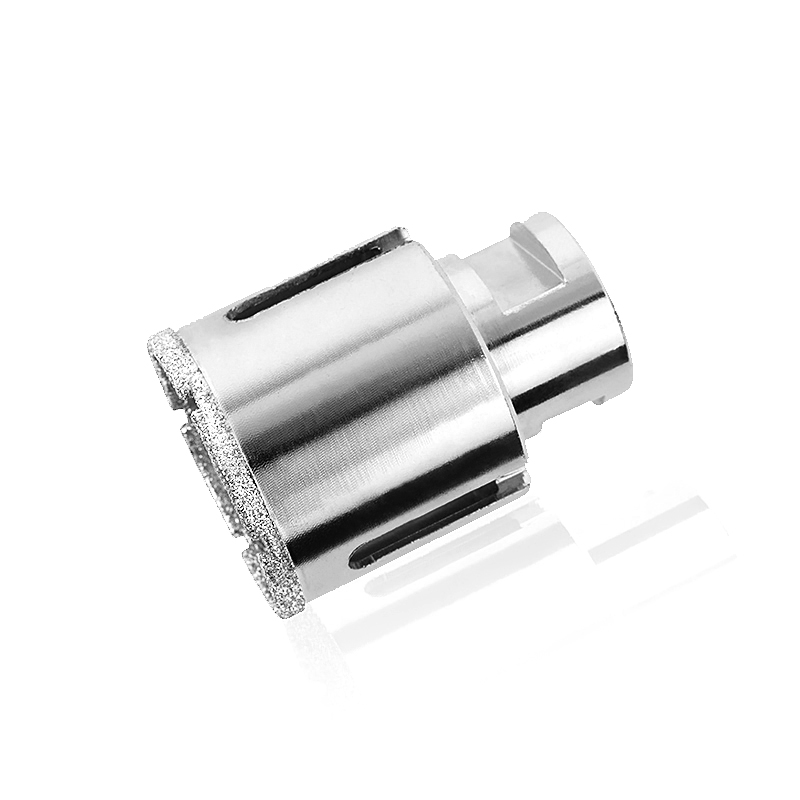
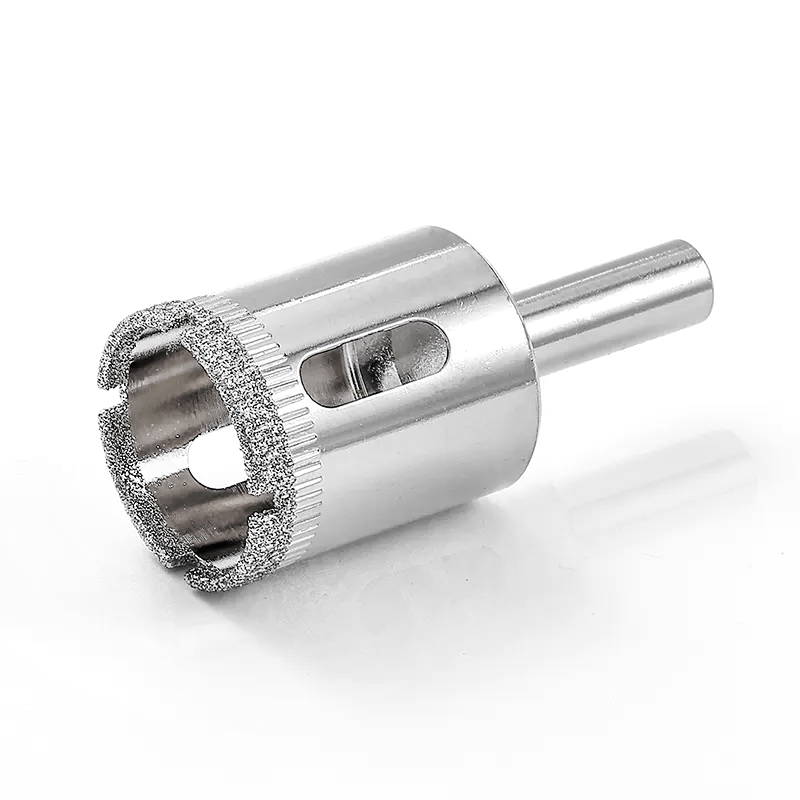
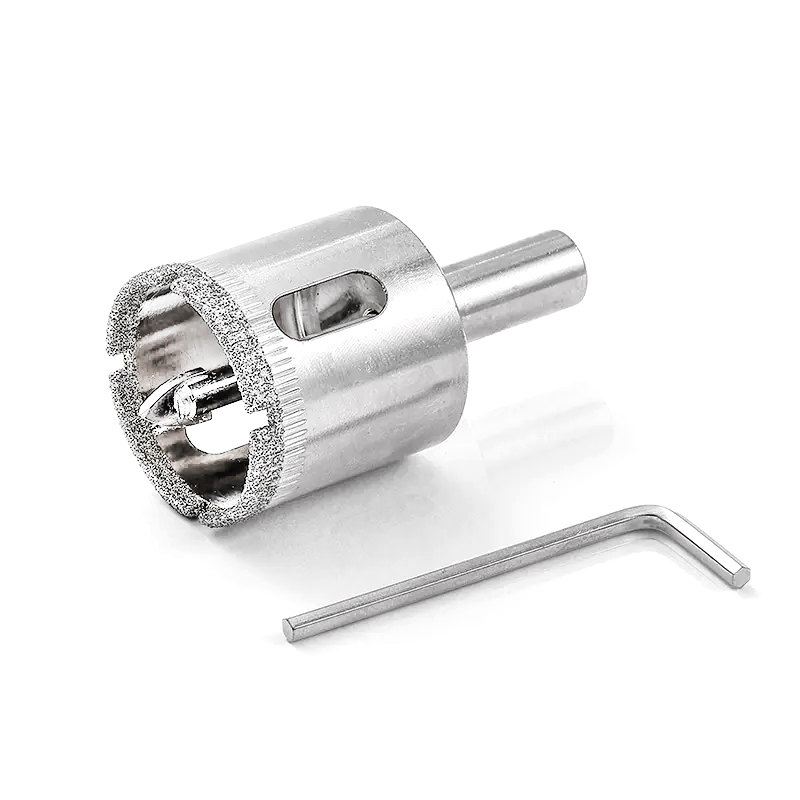
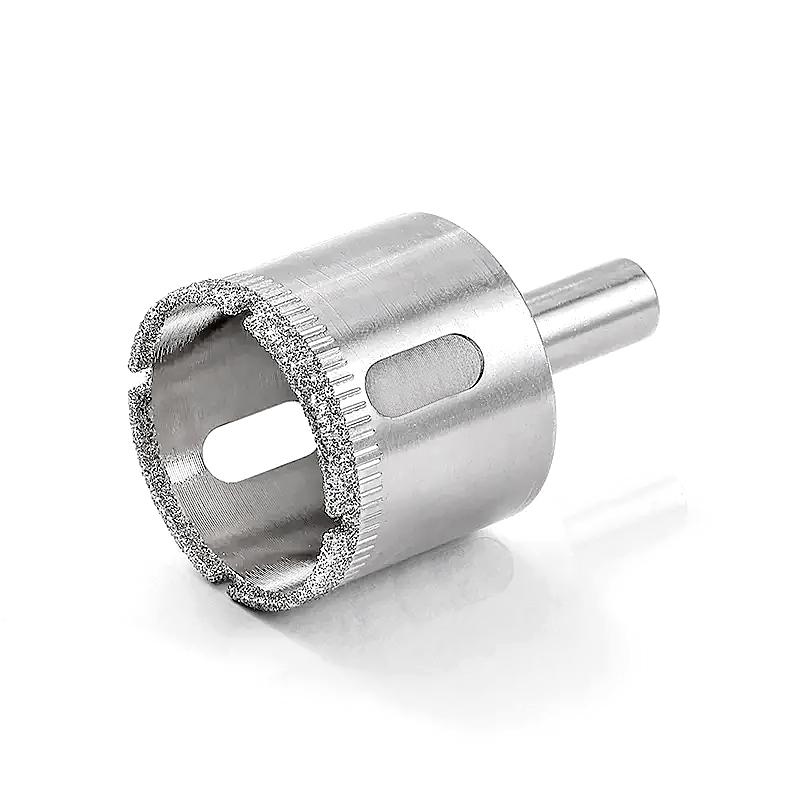
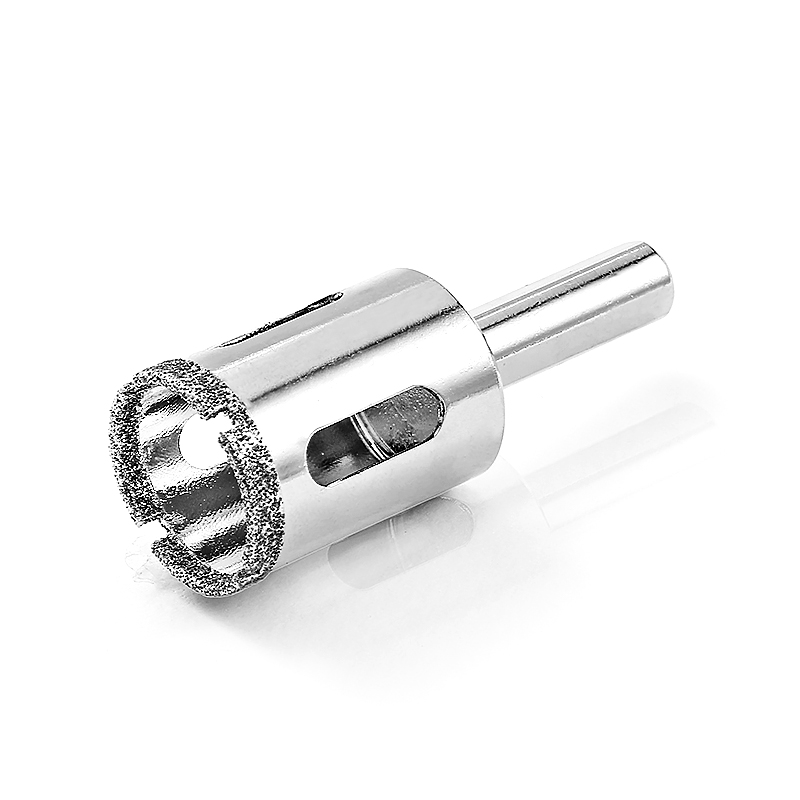
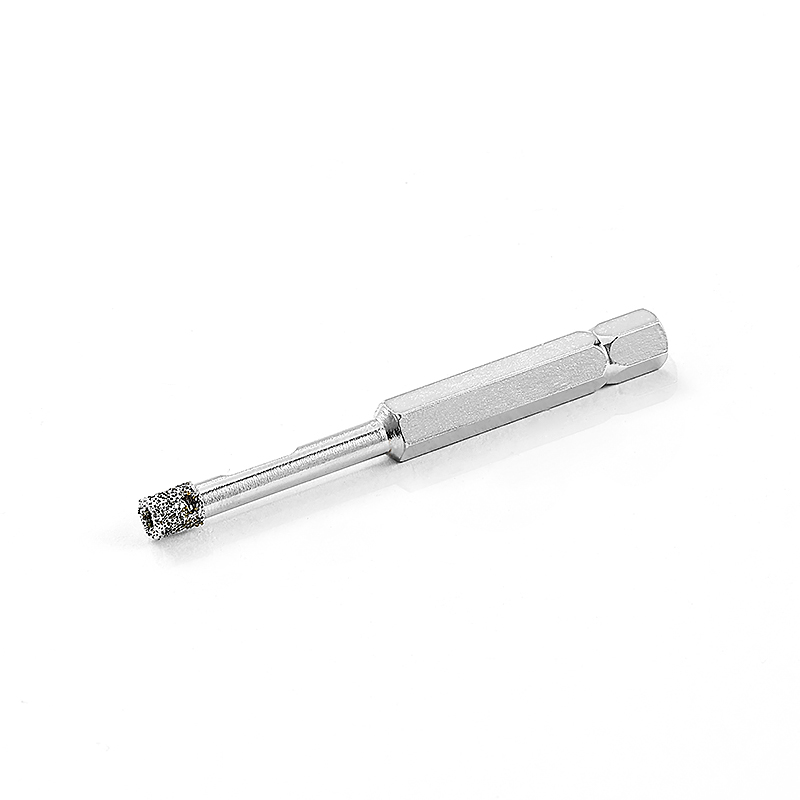
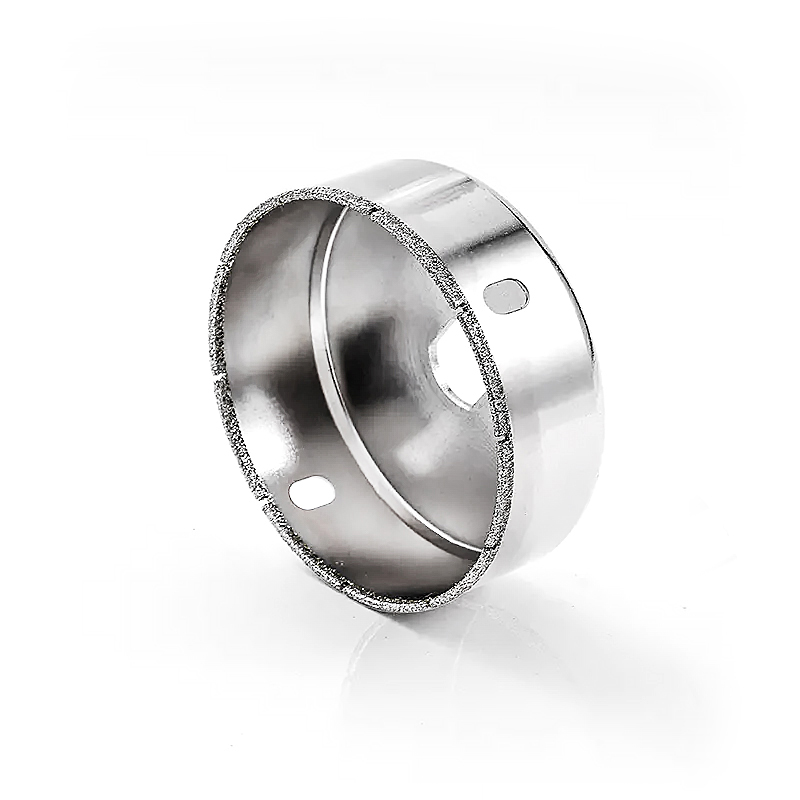
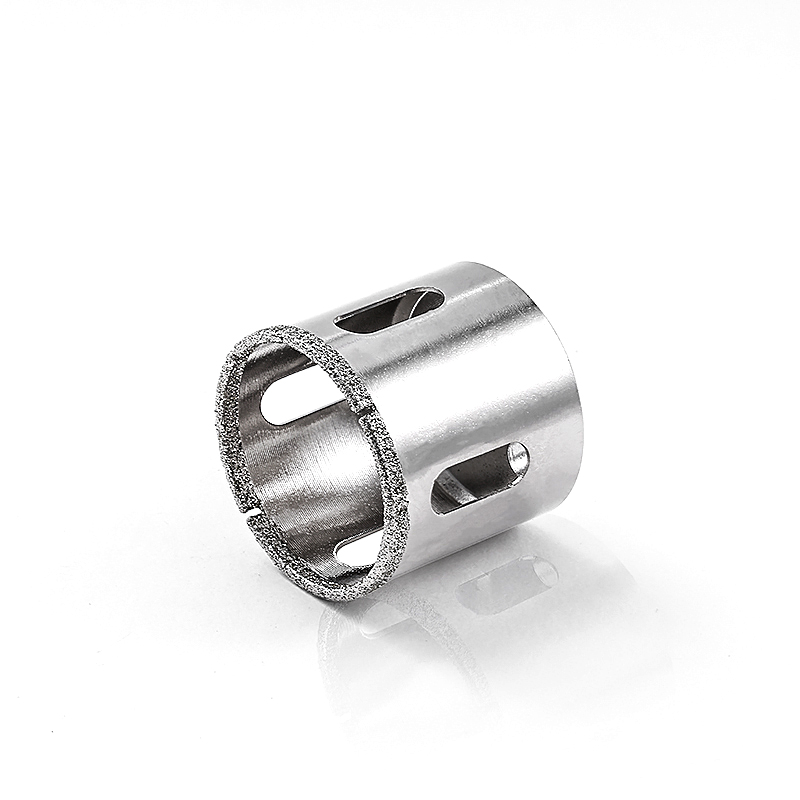
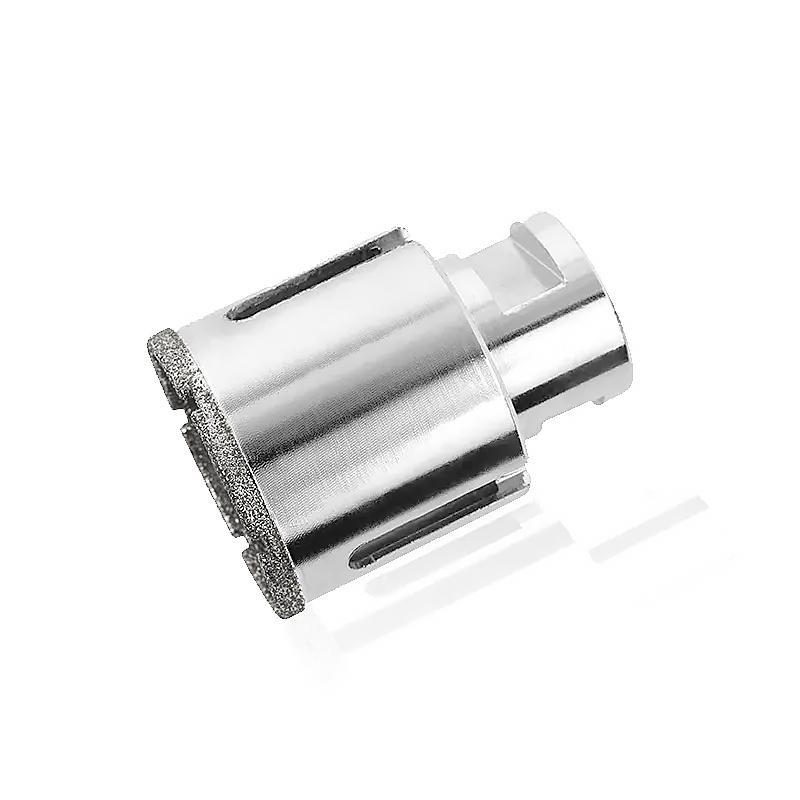
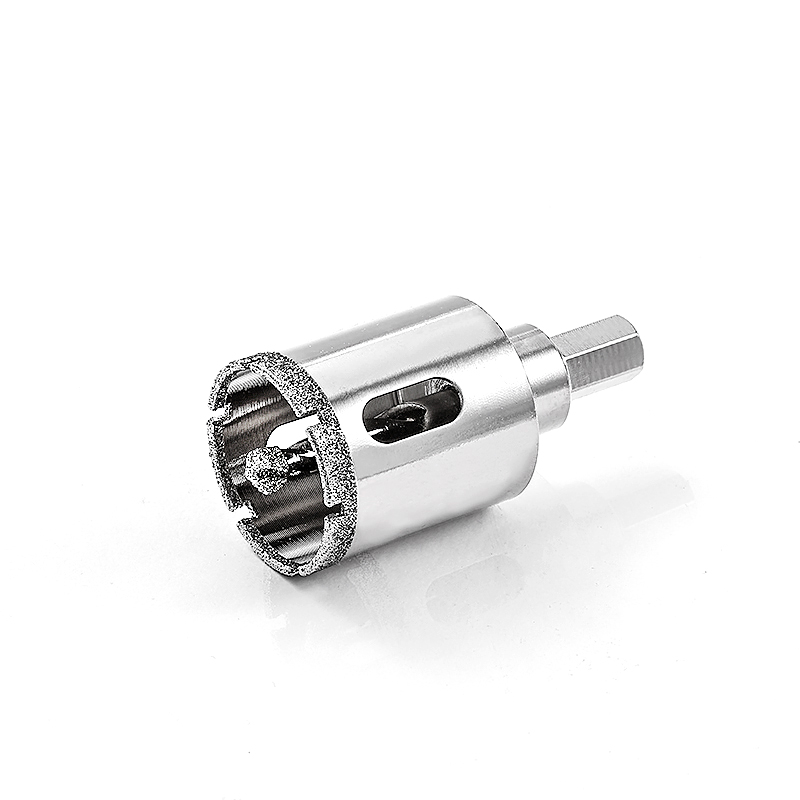
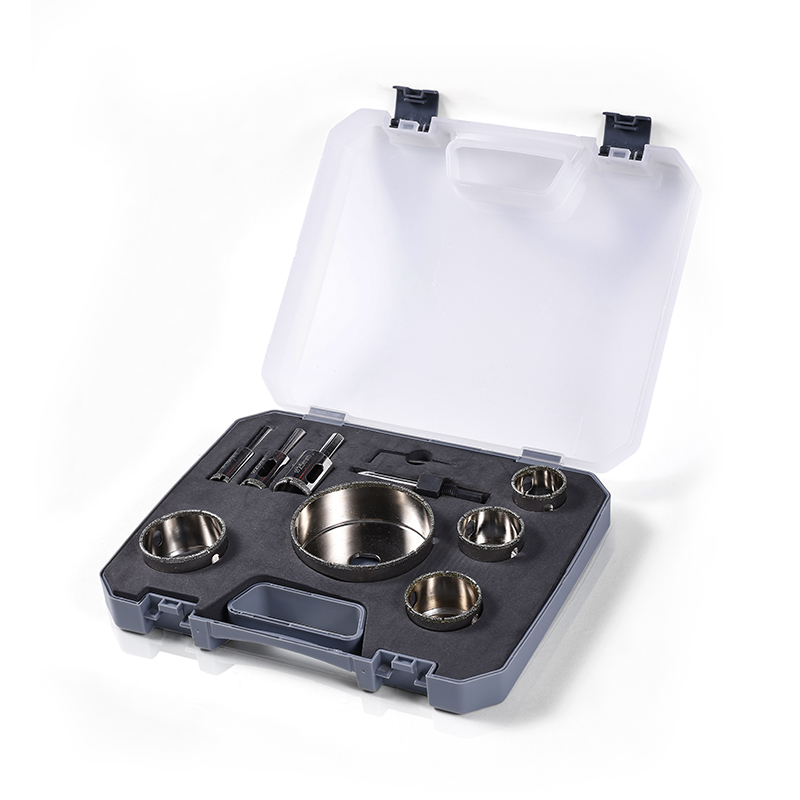
An Electroplated Diamond Hole Saw is a specialized cutting tool designed to drill holes in hard and abrasive materials such as ceramics, glass, granite, and reinforced concrete. Unlike traditional hole saws, this tool uses diamond particles electroplated onto the cutting edge, providing durability and cutting efficiency. For manufacturers and B2B buyers, understanding its features, applications, and production quality is essential for selecting the right tool.
Key Features of Electroplated Diamond Hole Saws
The performance of an Electroplated Diamond Hole Saw relies on several critical factors:
- Diamond Coating: High-quality electroplating ensures even distribution of diamond particles for consistent cutting.
- Material Base: Typically made of high-strength steel, the saw maintains rigidity during drilling.
- Design: Proper teeth spacing and thickness improve cutting speed and reduce material stress.
- Compatibility: Can be used with electric drills or specialized drill presses, depending on industrial requirements.
Manufacturers focus on these factors during production to ensure reliability and efficiency for clients in construction, stone fabrication, and tile industries.
Applications Across Industries
The versatility of an Electroplated Diamond Hole Saw makes it valuable across multiple sectors:
- Construction: Drilling precise holes in granite, marble, and concrete for plumbing or electrical installations.
- Stone Fabrication: Cutting through stone countertops or decorative tiles with minimal chipping.
- Glass and Ceramics: Producing clean holes without cracking delicate materials.
- Industrial Maintenance: Used in manufacturing plants where hard materials need frequent modification.
B2B buyers benefit from these applications by acquiring a tool that reduces labor time and ensures consistent results.
Manufacturing and Quality Considerations
Producing a reliable Electroplated Diamond Hole Saw involves precise processes:
- Electroplating: Applying a uniform layer of diamond particles onto the steel base.
- Heat Treatment: Enhancing hardness and structural integrity.
- Testing: Drilling test materials to ensure durability and performance.
- Finishing: Smoothing edges to prevent damage to both the tool and workpiece.
Manufacturers often provide bulk procurement options, ensuring consistent specifications for large-scale projects. Buyers can request customization in diameter, cutting depth, or shank type to match specific drill machines.
Maintenance and Cost Efficiency
Compared to conventional hole saws, an Electroplated Diamond Hole Saw requires minimal maintenance. Routine cleaning and occasional sharpening help extend its service life. For B2B clients, this translates into cost savings and fewer interruptions in production or installation processes.
Careful handling during use—such as maintaining moderate drilling speed and applying water for cooling—further enhances longevity. Manufacturers often include usage guidelines to assist clients in achieving the best results.
Sustainability and Market Considerations
The demand for Electroplated Diamond Hole Saws continues to grow as construction and manufacturing projects increasingly work with harder materials. Suppliers who maintain high production standards, consistent quality control, and sustainable sourcing of raw materials gain an advantage in international markets. For B2B buyers, selecting a supplier who prioritizes durability and reliability ensures smooth operations and reduces replacement costs.
An Electroplated Diamond Hole Saw is a versatile, durable, and efficient tool suitable for drilling hard and abrasive materials. From a manufacturer's perspective, careful attention to electroplating quality, steel base selection, and precise production ensures consistent performance. B2B buyers benefit from bulk procurement, customization, and technical support, making this tool a valuable investment for construction, stone fabrication, and industrial applications. Proper maintenance and usage practices further enhance longevity, supporting cost-effective and sustainable operations