English
 中文简体
中文简体 Español
What Factors Influence the Performance of a Diamond Core Bit?
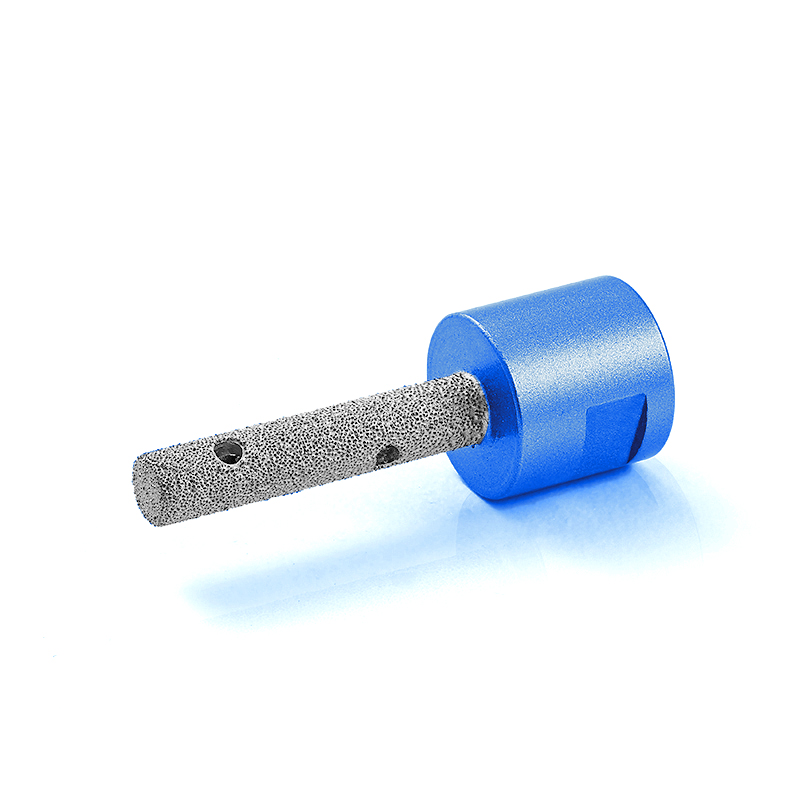
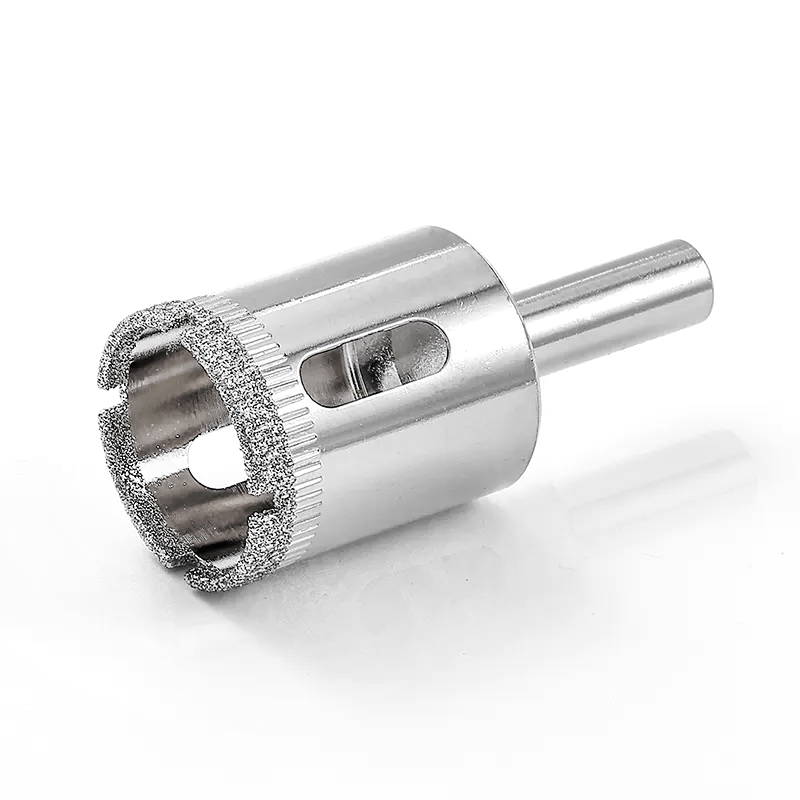
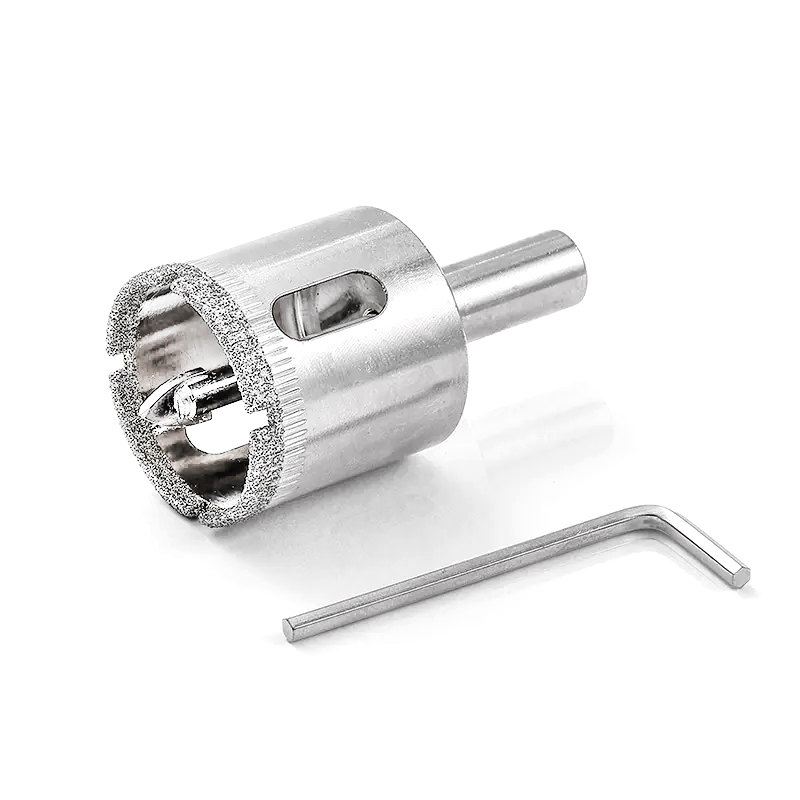
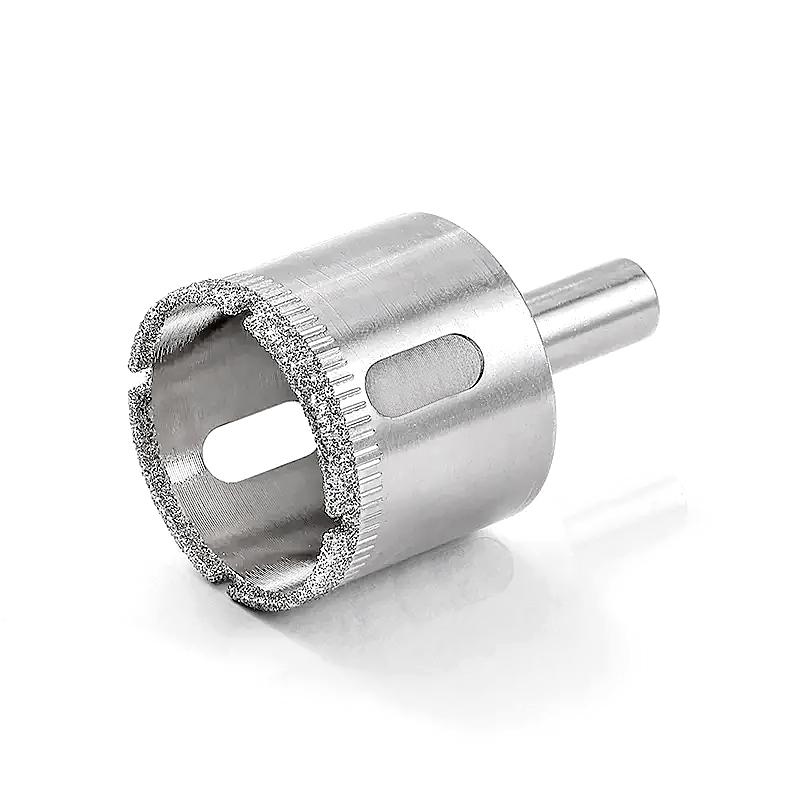
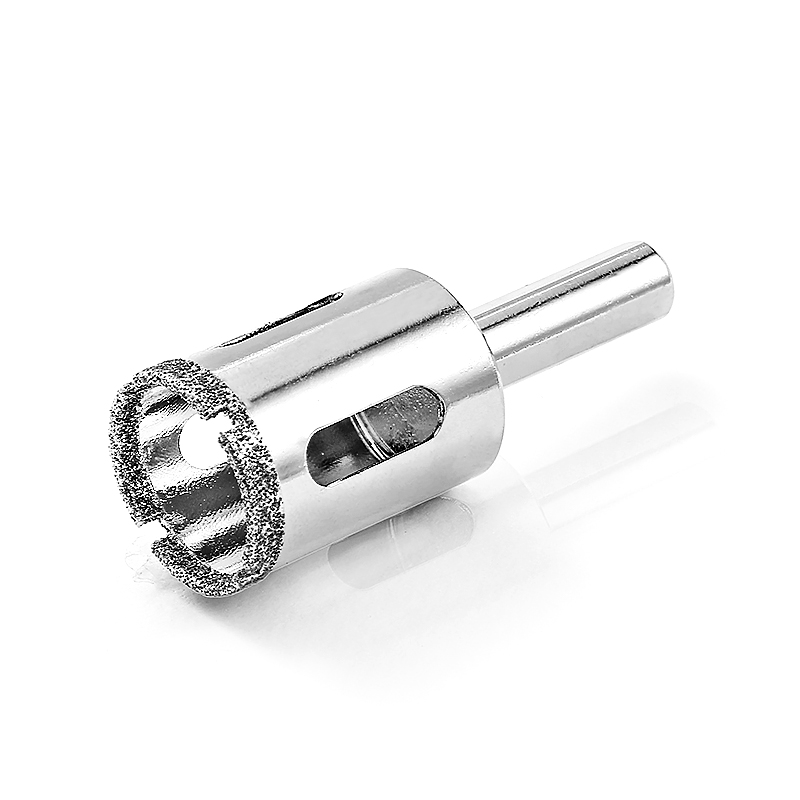
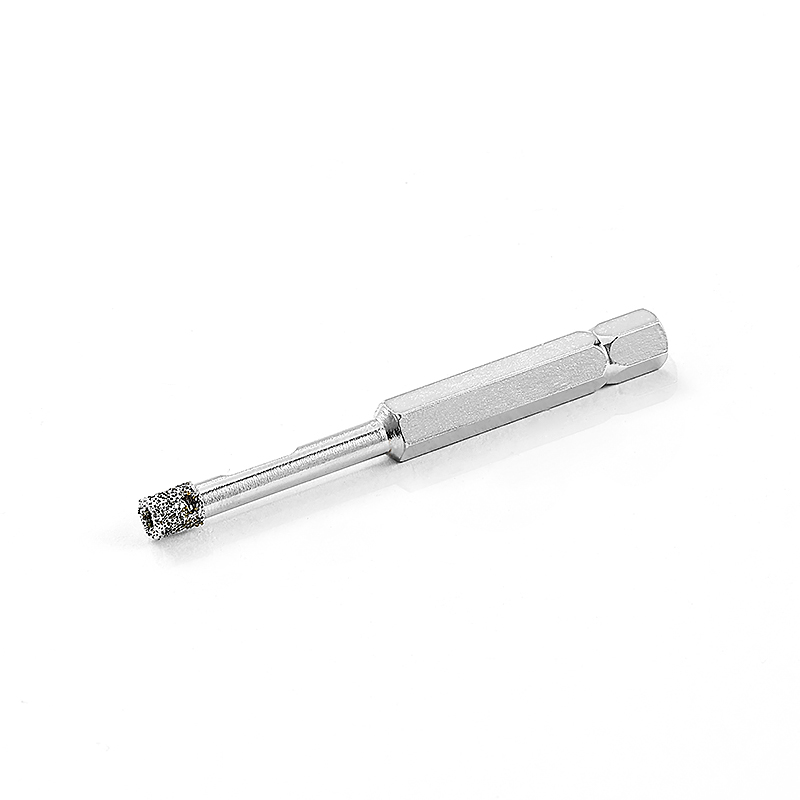
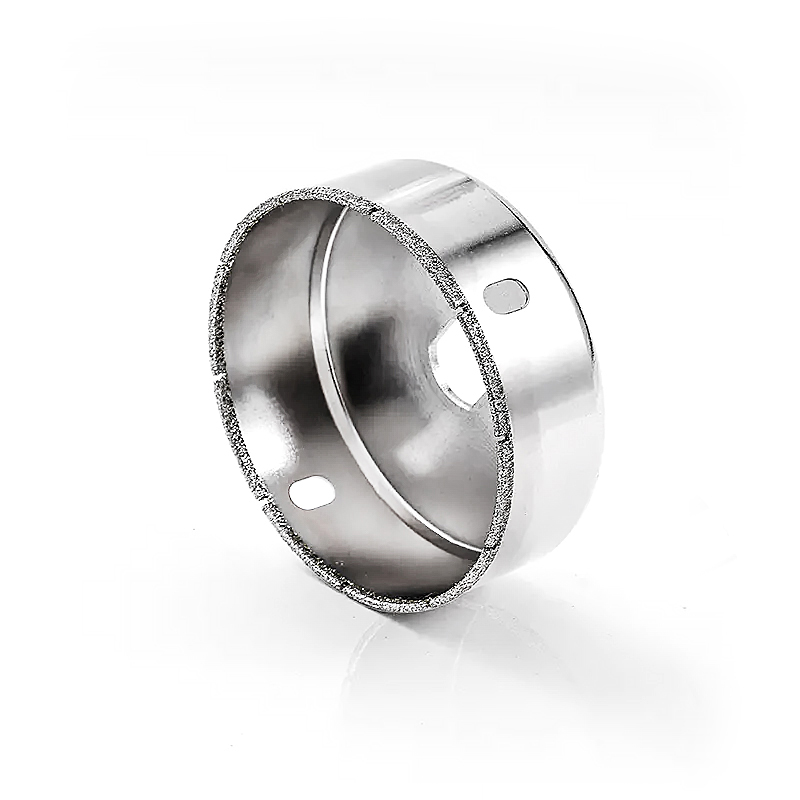
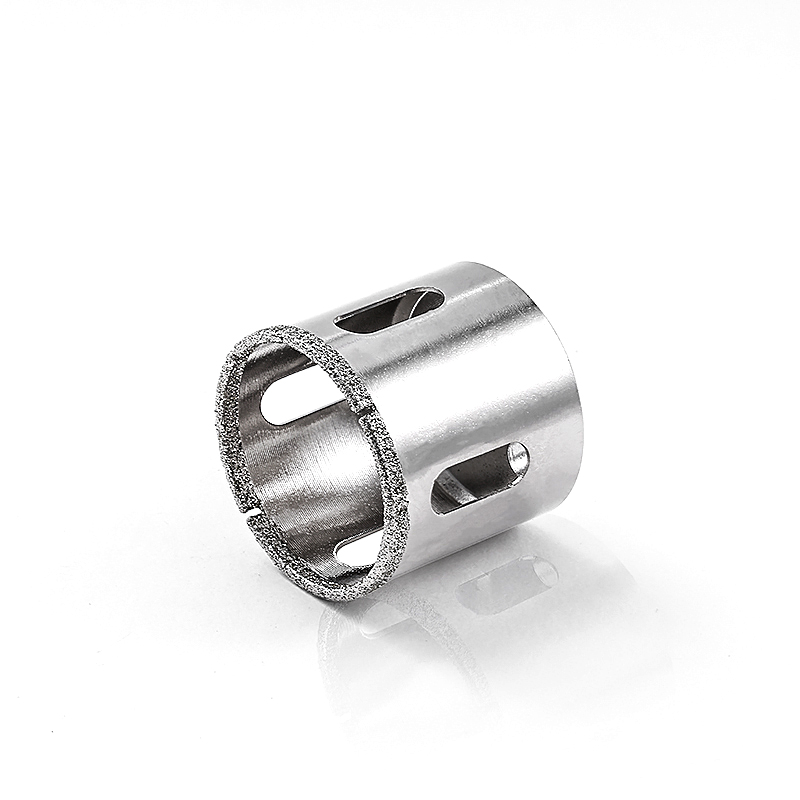
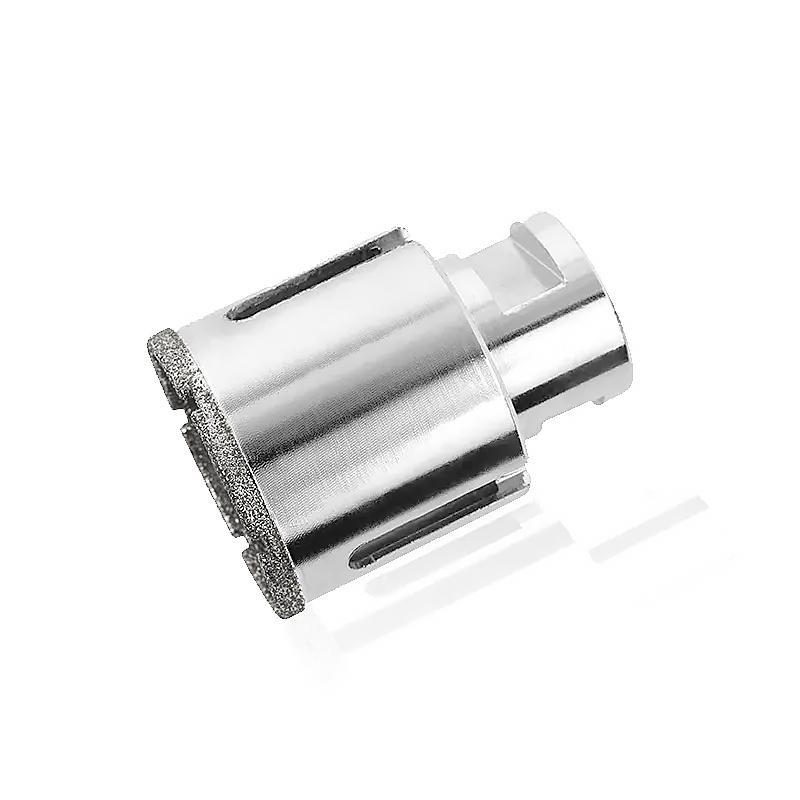
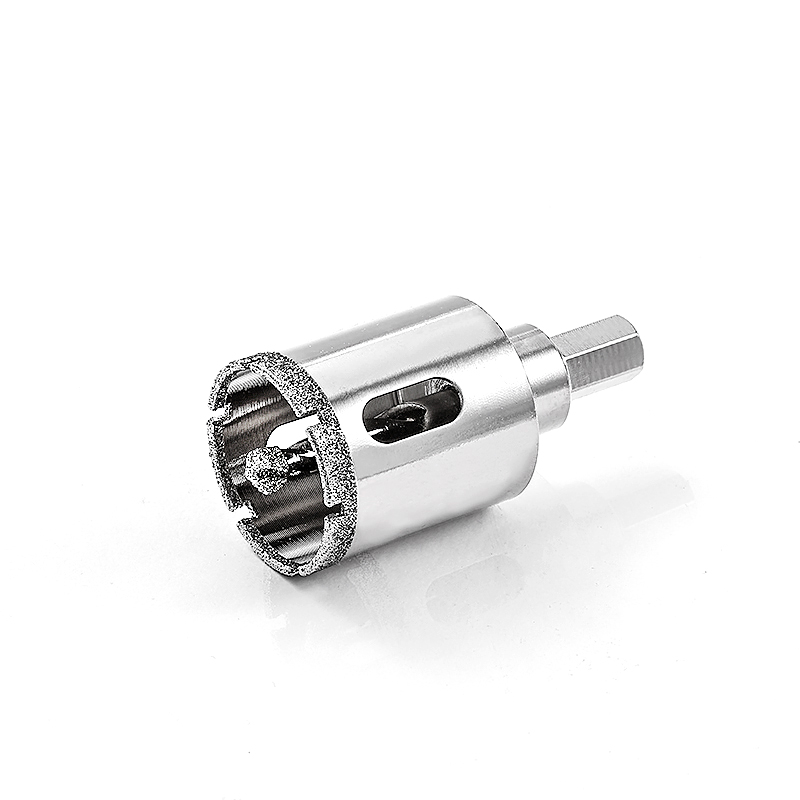
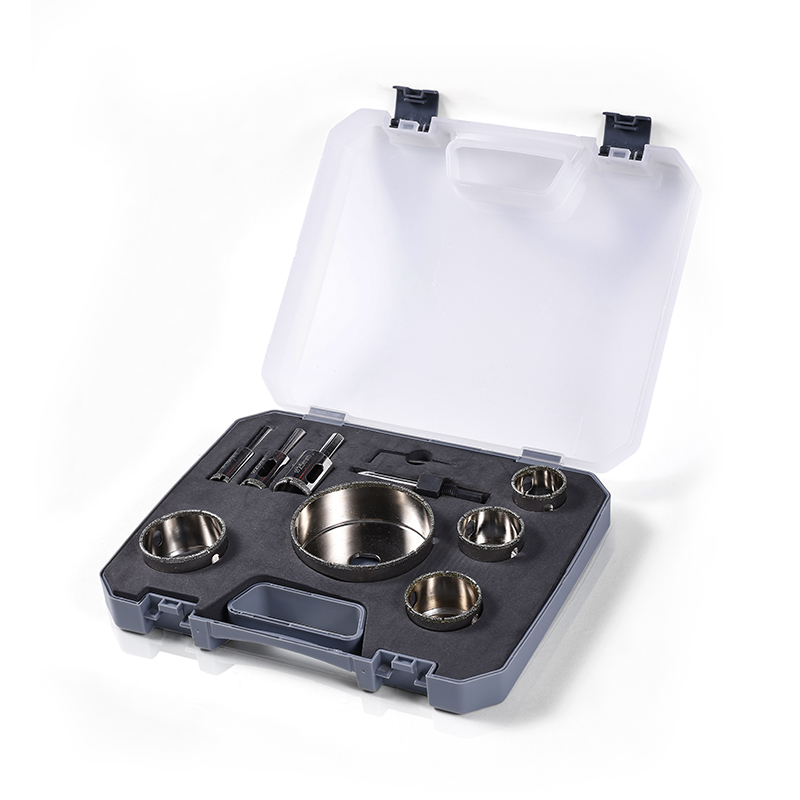
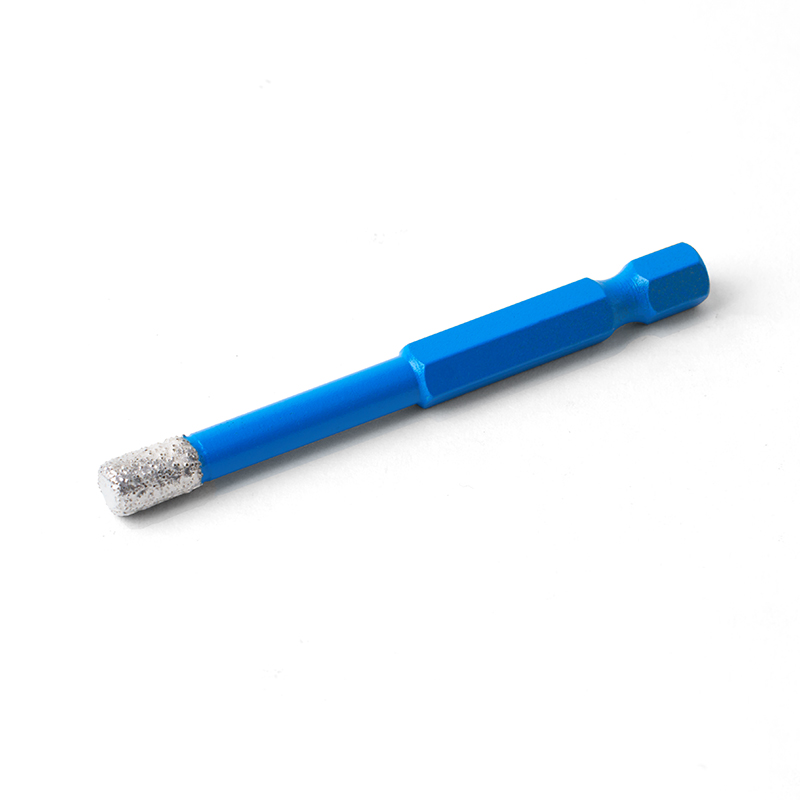
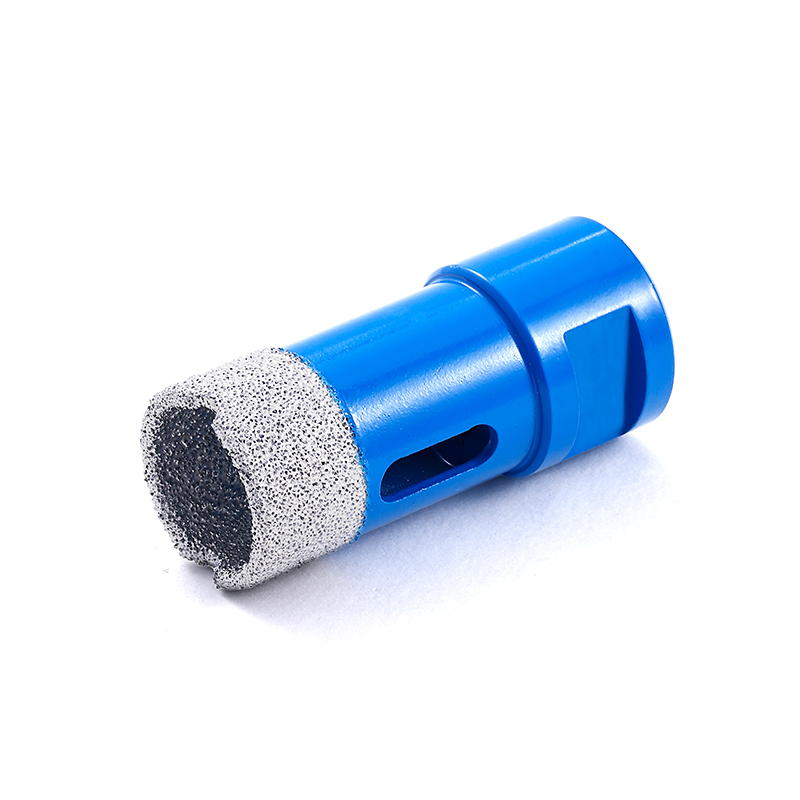
Diamond core bits are essential tools in construction, mining, and geological exploration, designed for precise cutting and drilling through hard materials such as concrete, stone, and asphalt. From a manufacturing perspective, producing a reliable Diamond Core Bit involves careful material selection, precise engineering, and rigorous quality control to ensure durability, cutting efficiency, and safety.
Material Selection
The foundation of a diamond core bit lies in the materials used for both the core and the diamond segments. Synthetic diamonds are typically embedded into a metallic bond, often composed of cobalt, nickel, or bronze alloys. The choice of bond and diamond grit size affects the cutting rate, wear resistance, and lifespan of the bit. For the bit body, high-strength steel or specialized alloys are selected to withstand rotational forces and vibration during drilling. Manufacturers often test the hardness, grain uniformity, and bonding integrity to ensure that each Diamond Core Bit meets performance expectations.
Segment Design and Engineering
Segment design is crucial in controlling cutting efficiency and heat dissipation. Engineers determine segment height, thickness, and spacing based on the intended drilling material and speed. Proper design ensures the diamond segments wear evenly, reducing the risk of bit imbalance or breakage. Some manufacturers use computer-aided design (CAD) to model cutting performance under different loads, helping refine the segment layout. This engineering process directly impacts how effectively a Diamond Core Bit can penetrate tough surfaces while maintaining structural integrity.
Manufacturing and Bonding Techniques
Producing a diamond core bit requires precise bonding of the diamond segments to the bit body. Common methods include sintering, brazing, or laser welding, each offering different advantages in adhesion strength and heat resistance. During sintering, diamond particles and metallic powder are fused under high temperature and pressure to create a strong, uniform bond. Brazing and laser welding provide targeted attachment of segments, enhancing durability in specific drilling applications. These techniques are critical for ensuring that each Diamond Core Bit maintains segment stability under heavy use.
Heat Management and Durability Testing
Excessive heat generated during drilling can compromise both the diamond segments and the steel core. Manufacturers perform thermal simulations and real-world testing to assess heat distribution and optimize cooling strategies. Some core bits are designed with internal water channels or fluted surfaces to dissipate heat effectively. Durability tests involve continuous drilling cycles and abrasive material trials to evaluate wear patterns, allowing manufacturers to refine materials and bonding processes before mass production.
Quality Control and Inspection
Quality control is central to the production of diamond core bits. Each unit undergoes dimensional checks, segment adhesion tests, and hardness measurements. Any defects, such as misaligned segments or irregular bonding, are corrected before shipment. Advanced inspection tools, including optical measurement systems and ultrasonic testing, ensure that the Diamond Core Bit consistently meets specifications and performs safely in demanding conditions.
Producing a Diamond Core Bit requires a combination of material science, precision engineering, and meticulous quality control. By carefully selecting materials, optimizing segment design, applying robust bonding techniques, and conducting thorough testing, manufacturers ensure that each bit can perform reliably under high stress and abrasive conditions. Attention to these manufacturing processes allows construction, mining, and exploration professionals to rely on diamond core bits for efficient and accurate drilling, reflecting the technical expertise and industrial rigor behind their production.