English
 中文简体
中文简体 Español
Marble Drilling Challenges Push Diamond Hole Saw Technology Forward
Marble has been widely used in architecture, interior decoration, countertops, flooring, and luxury furniture because of its unique texture and elegant appearance. However, creating accurate holes in marble remains a demanding task. The natural structure of marble makes it sensitive to excessive pressure, vibration, and heat during machining. Traditional drilling tools often struggle with surface damage, slow cutting speed, or irregular hole edges. These challenges continue to encourage improvements in diamond drilling technology.
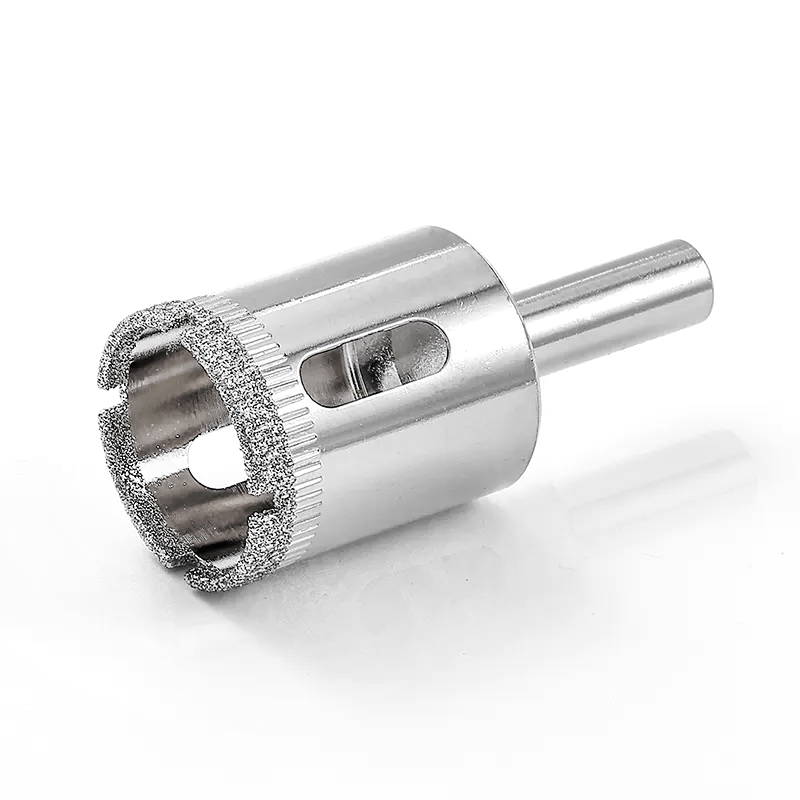
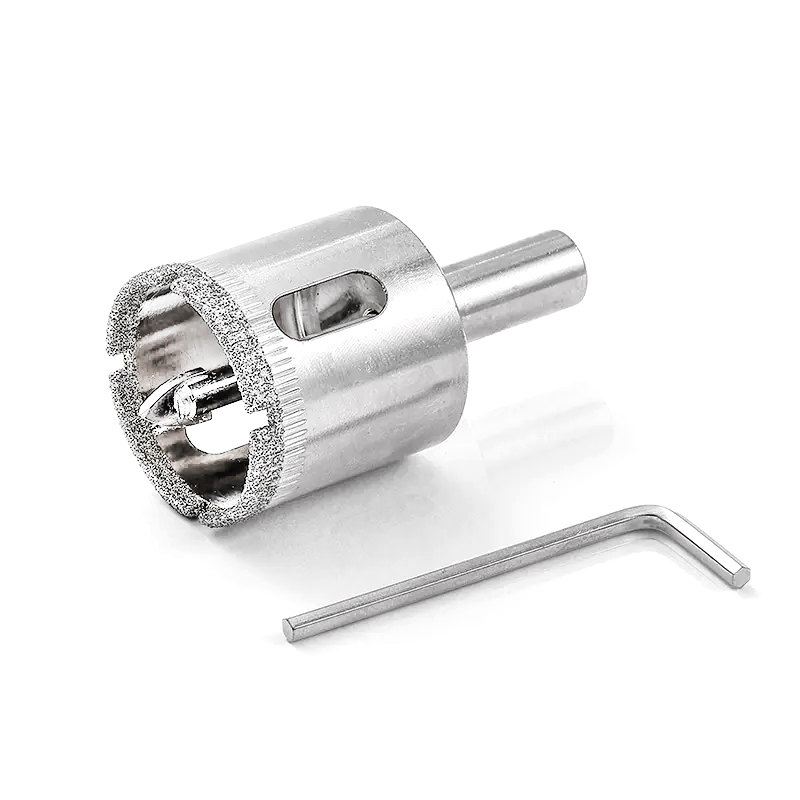
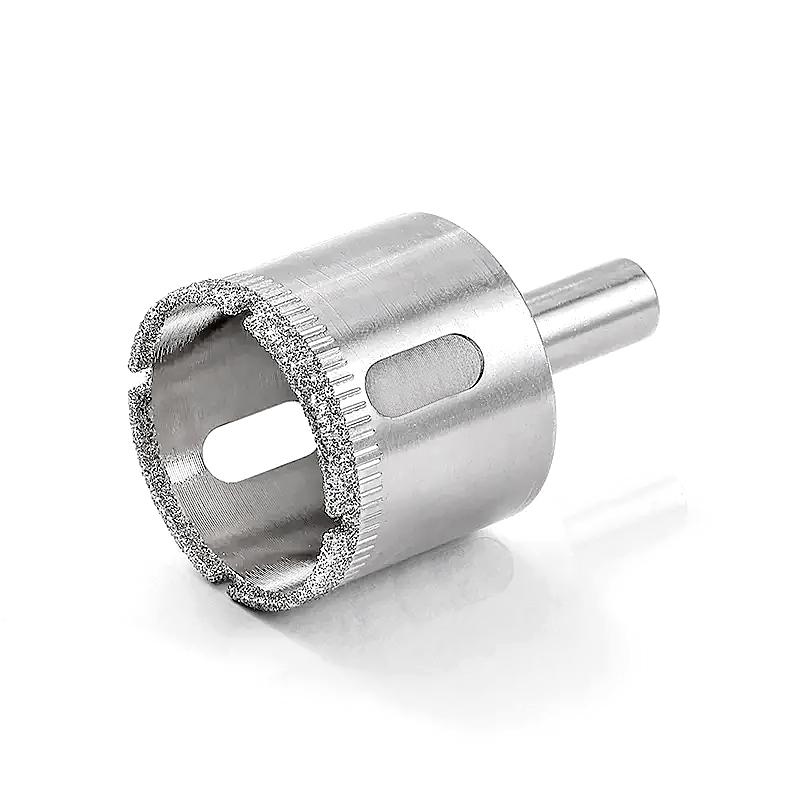
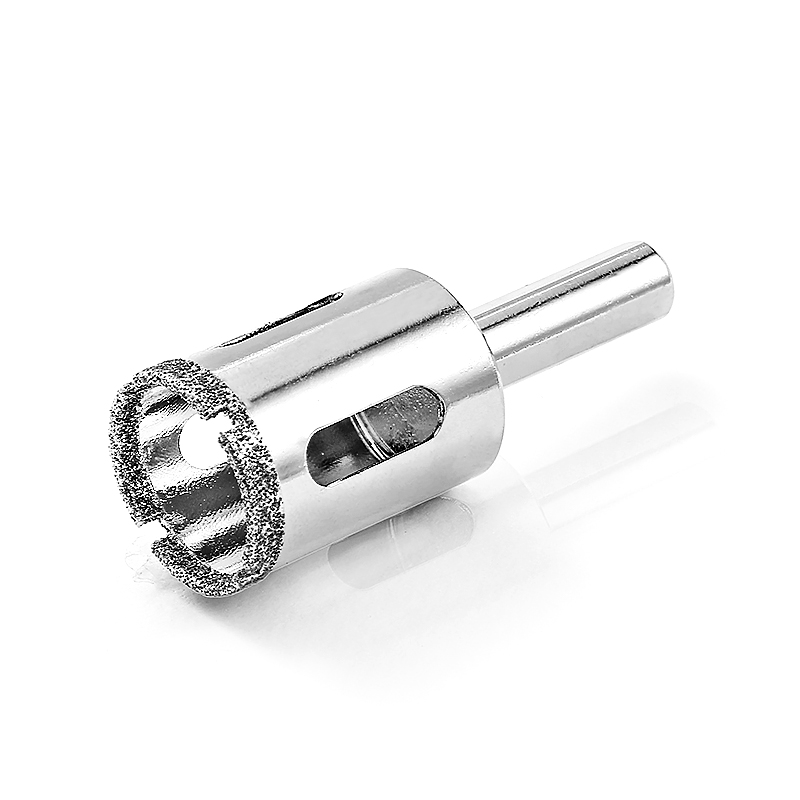
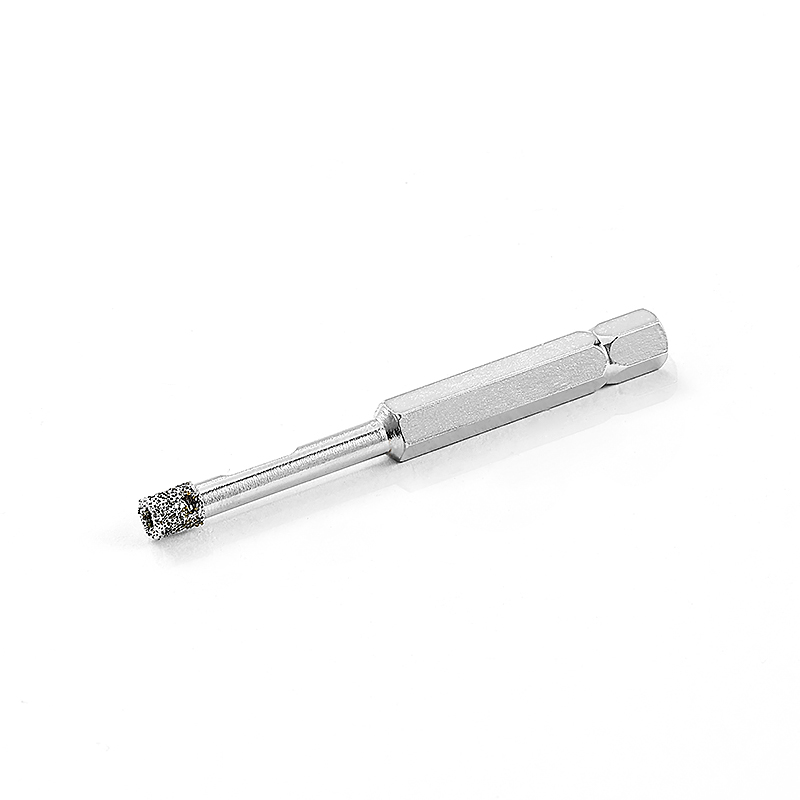
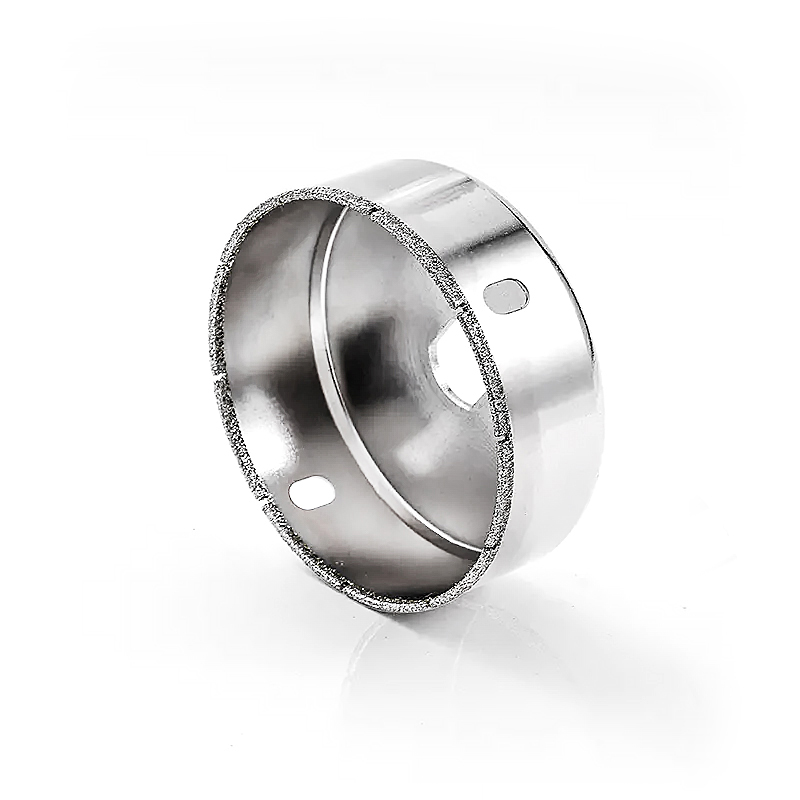
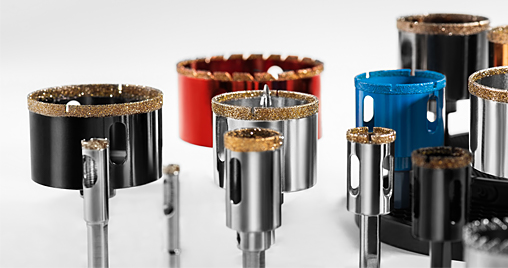
A Marble Hole Saw Drilling Bit provides a specialized solution for processing marble surfaces by using diamond particles as the cutting medium. Unlike standard metal drill bits that rely on sharp edges, diamond hole saws remove material through controlled grinding action. This approach helps achieve cleaner openings while reducing stress on fragile stone surfaces. Diamond core tools are commonly used for marble, granite, porcelain, and other hard materials because diamond abrasives can maintain cutting performance against dense surfaces.
Marble Drilling Challenges Create New Demands for Diamond Tools
Marble presents several unique difficulties during drilling projects. Although marble is softer than granite, its crystalline structure can still create problems during machining. Excessive force may cause chips around the hole edge, while uncontrolled heat can affect both the tool and the stone surface.
- Surface chipping control: Marble requires a gentle cutting process because sudden impact forces may damage decorative surfaces.
- Heat management: Continuous friction during drilling generates heat, which can reduce cutting performance and affect the marble structure.
- Hole accuracy: Applications such as faucets, drainage systems, and mounting accessories require precise hole dimensions.
- Appearance protection: Decorative marble projects require smooth edges because visible damage can affect the overall appearance.
Diamond Technology Changes the Way Marble Is Drilled
Diamond has become an important material for stone drilling because of its exceptional hardness and wear resistance. Diamond particles embedded on the cutting edge gradually grind away marble instead of applying aggressive impact force.
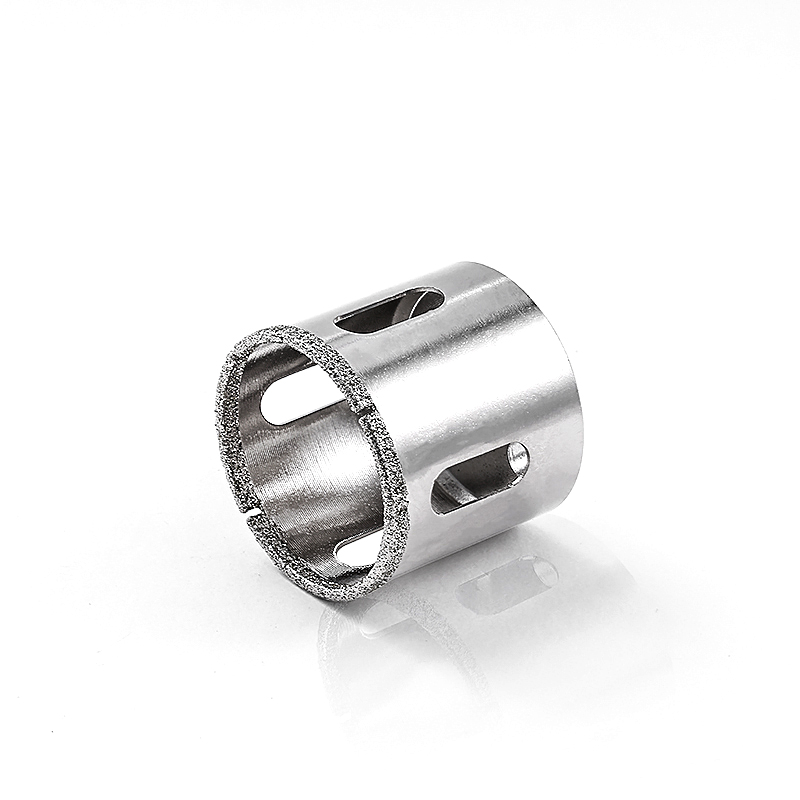
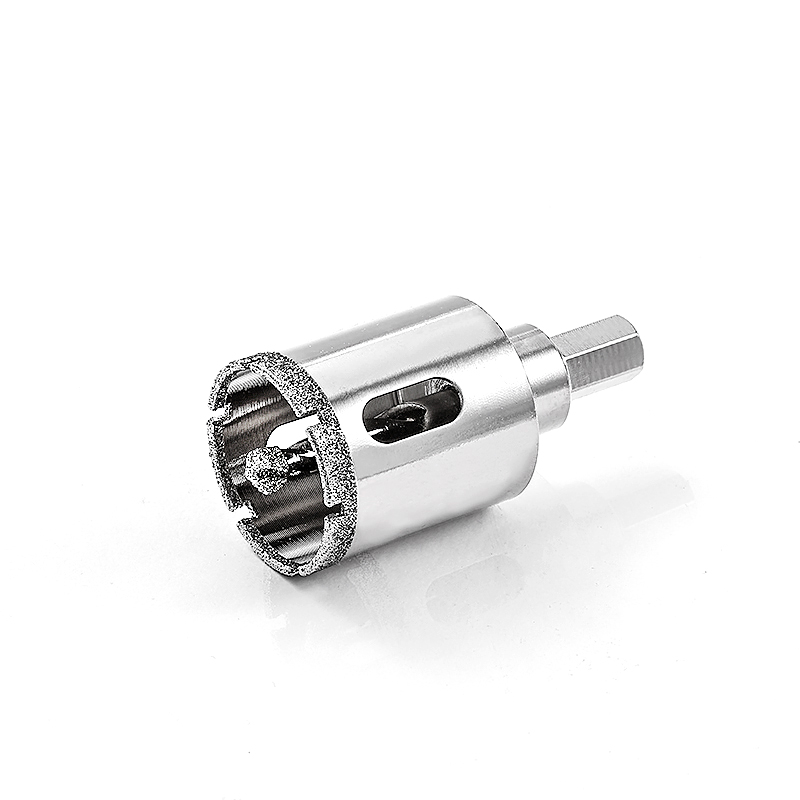
The design of a Marble Hole Saw Drilling Bit usually combines industrial diamond grit, a metal body, and a specialized bonding structure. This combination allows the tool to maintain stable contact with the marble surface while producing controlled cutting action.
- Diamond abrasive layer: Synthetic diamond particles provide the cutting ability required for marble processing.
- Metal core structure: The steel body supports stability during high-speed rotation.
- Bonding technology: Brazed or sintered bonding methods help maintain diamond retention during drilling.
- Segment design: Different edge structures influence cutting speed, cooling performance, and surface finish.
Product Features Supporting Cleaner Marble Hole Creation
Modern marble drilling tools are developed with improved structures to address common installation problems. The goal is not only to create holes but also to maintain surface quality throughout the process.
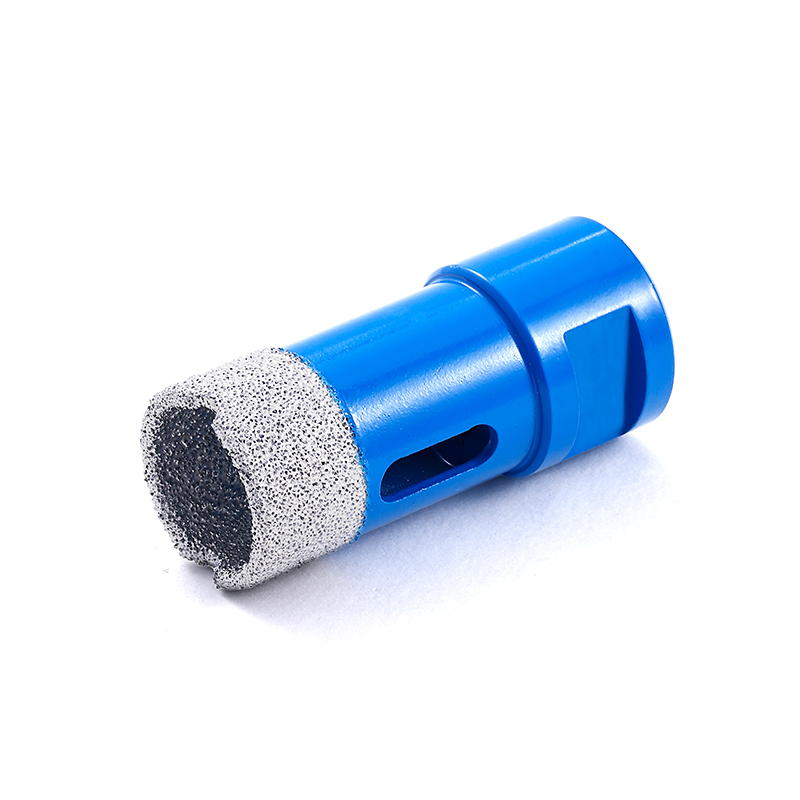
- Vacuum brazed diamond coating: This structure exposes more diamond particles and provides strong bonding between diamonds and the tool body.
- Continuous cutting edge: A continuous diamond rim helps create smoother contact with marble surfaces.
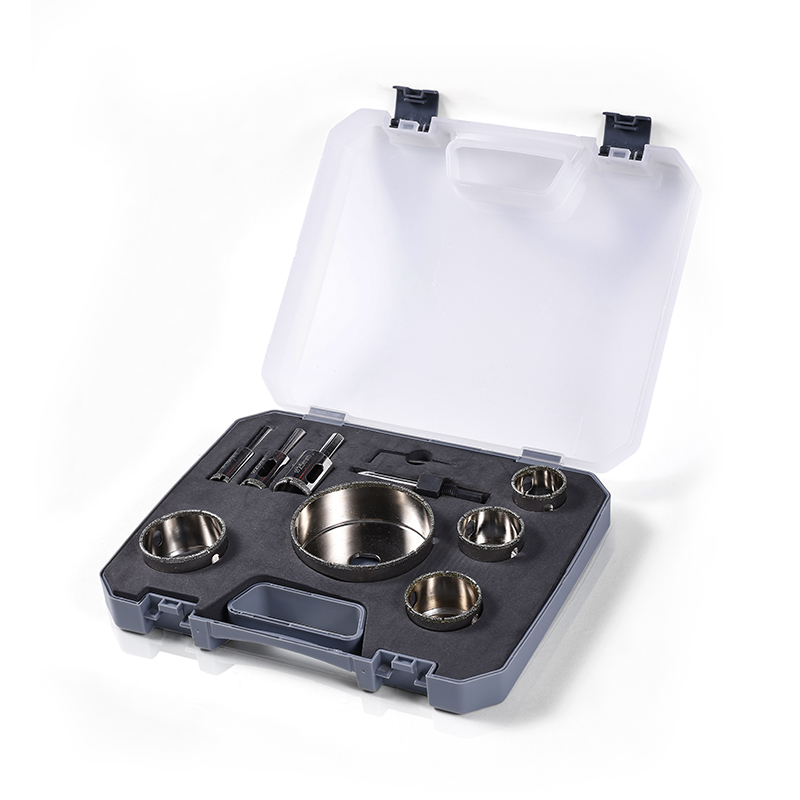
- Multiple diameter options: Different sizes support applications from small mounting holes to larger plumbing openings.
- Dry and wet drilling designs: Specific models are developed according to working conditions and cooling requirements.
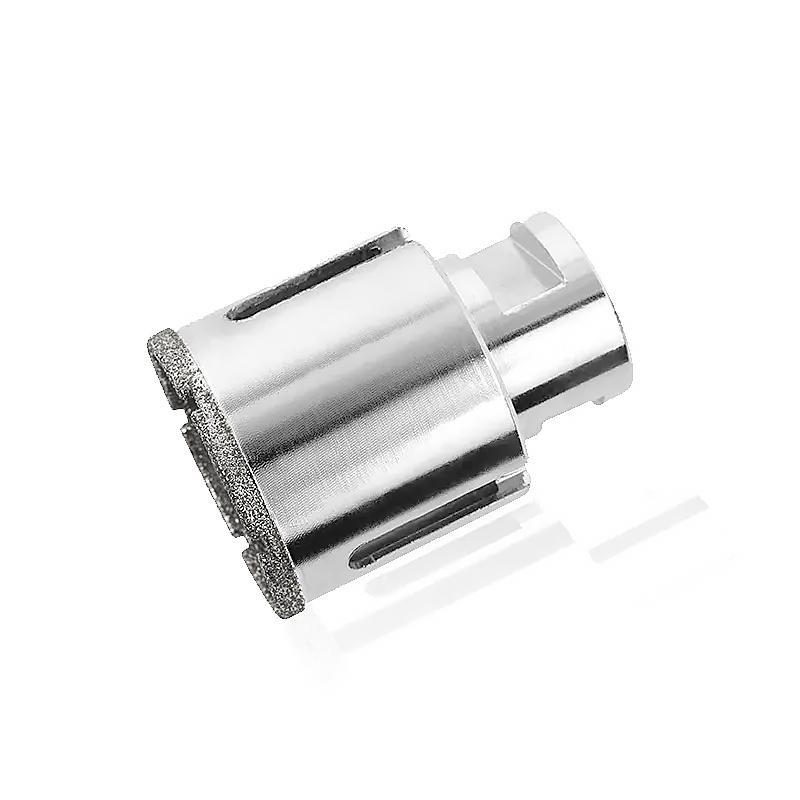
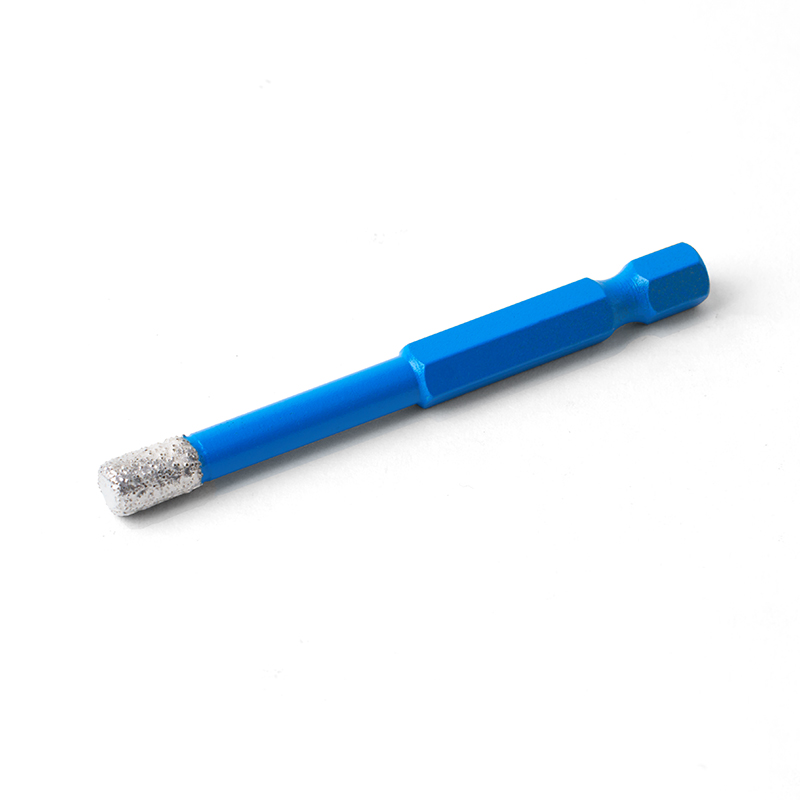
Professional diamond hole saw products are commonly available with different connection systems, including M14 threads for angle grinders and shank designs for electric drills. These configurations allow users to match the tool with different equipment platforms.
Technical Specifications of Marble Hole Saw Drilling Bits
Different marble applications require different tool specifications. Diameter, cutting depth, connection type, and diamond concentration all influence drilling results.
| Specification | Common Range | Application |
| Diameter | 5mm–120mm | Faucet holes, pipe openings, mounting holes |
| Connection Type | M14, Hex Shank, 5/8"-11 | Angle grinders and electric drills |
| Cutting Depth | 10mm–40mm | Marble slabs, tiles, decorative stone |
| Diamond Type | Synthetic industrial diamond grit | Marble, granite, porcelain, quartz |
| Working Method | Dry drilling or wet drilling | Construction and stone fabrication |
Applications Driving Diamond Hole Saw Innovation
The demand for improved marble drilling solutions comes from various industries where appearance and precision are equally important.
- Bathroom installation: Marble walls and countertops often require holes for faucets, shower systems, and accessories.
- Kitchen fabrication: Countertop installers use diamond hole saws for sink accessories and water system openings.
- Interior decoration: Decorative marble panels require accurate drilling without affecting surface appearance.
- Stone processing workshops: Professional fabricators need consistent hole quality across different marble varieties.
Factors Influencing Marble Drilling Performance
Even advanced diamond tools require suitable operating conditions to achieve stable results. The relationship between tool design, machine settings, and material properties directly affects drilling quality.
- Rotation speed: Proper RPM helps maintain cutting stability and reduces unnecessary heat generation.
- Pressure control: Moderate feeding force allows diamond particles to work effectively without damaging the marble surface.
- Cooling method: Water cooling can help remove debris and control temperature during longer drilling operations.
- Tool compatibility: Matching the hole saw design with the machine improves operating stability.
Future Development of Marble Drilling Solutions
The evolution of diamond hole saw technology continues around better diamond distribution, stronger bonding systems, and improved user convenience. Manufacturers are developing tools that can handle different marble densities while maintaining cleaner cutting performance.
As architectural designs continue to use natural stone materials, the need for reliable drilling solutions will continue growing. A Marble Hole Saw Drilling Bit represents an important advancement in stone processing by combining diamond cutting technology with application-focused designs.
From residential renovation to professional stone fabrication, modern diamond hole saw technology helps users overcome marble drilling challenges with improved control, accuracy, and surface protection.