English
 中文简体
中文简体 Español
Angle Grinder Hole Saw Bits Reveal New Possibilities for DIY and Professional Projects
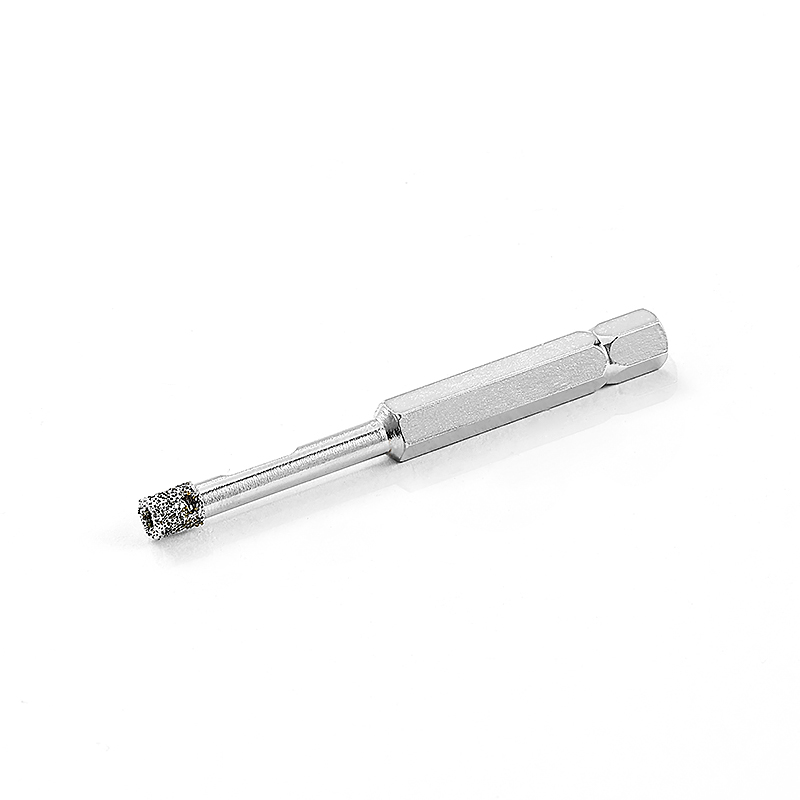
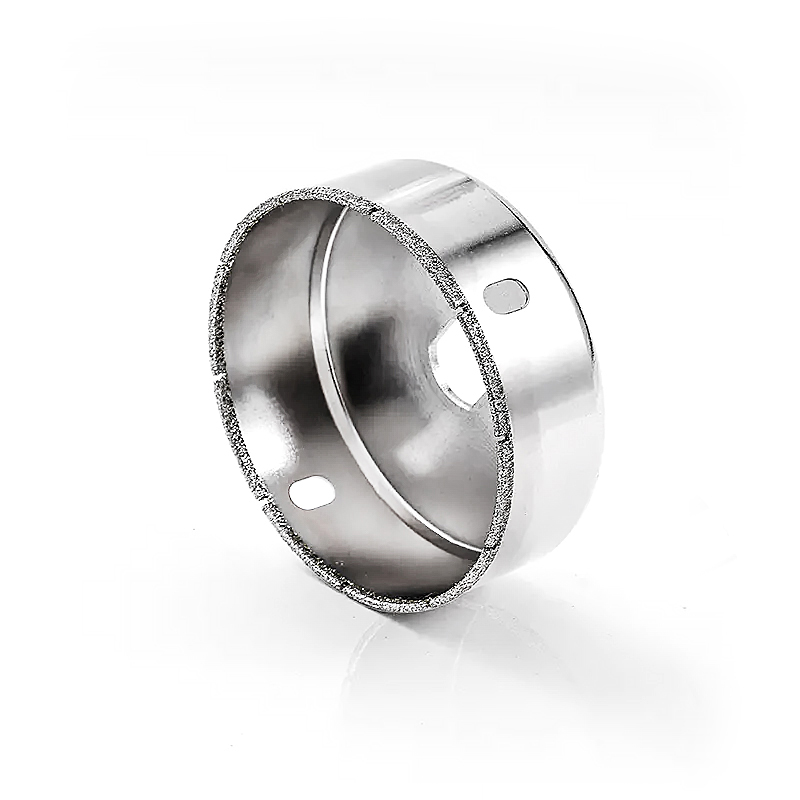
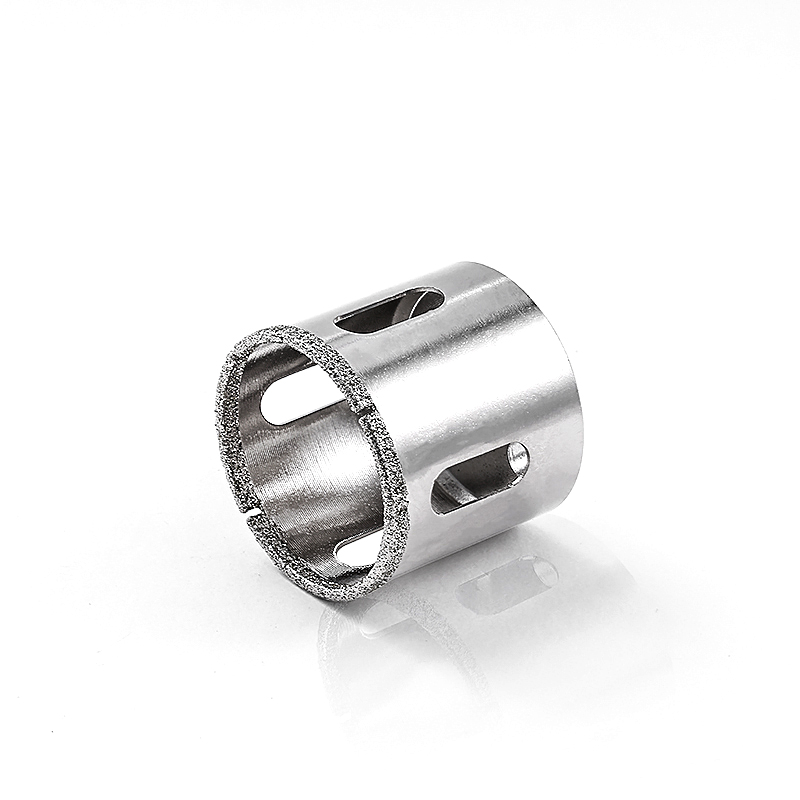
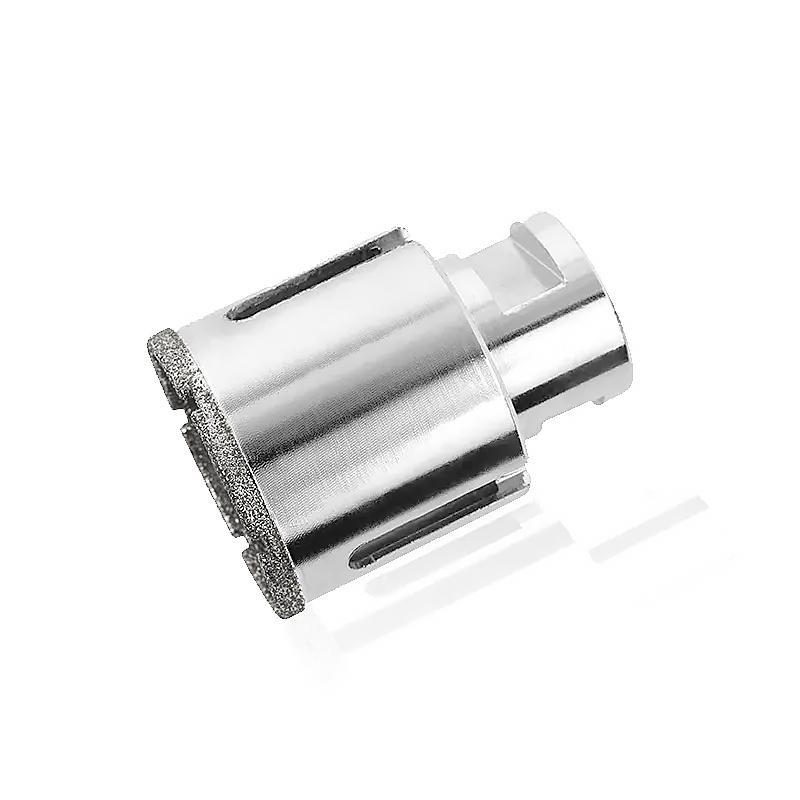
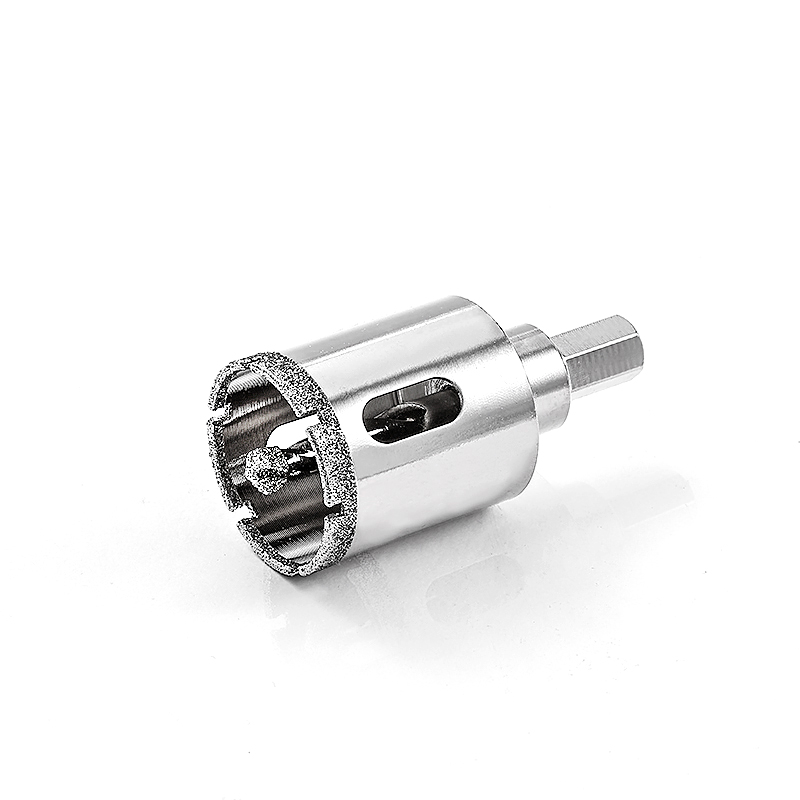
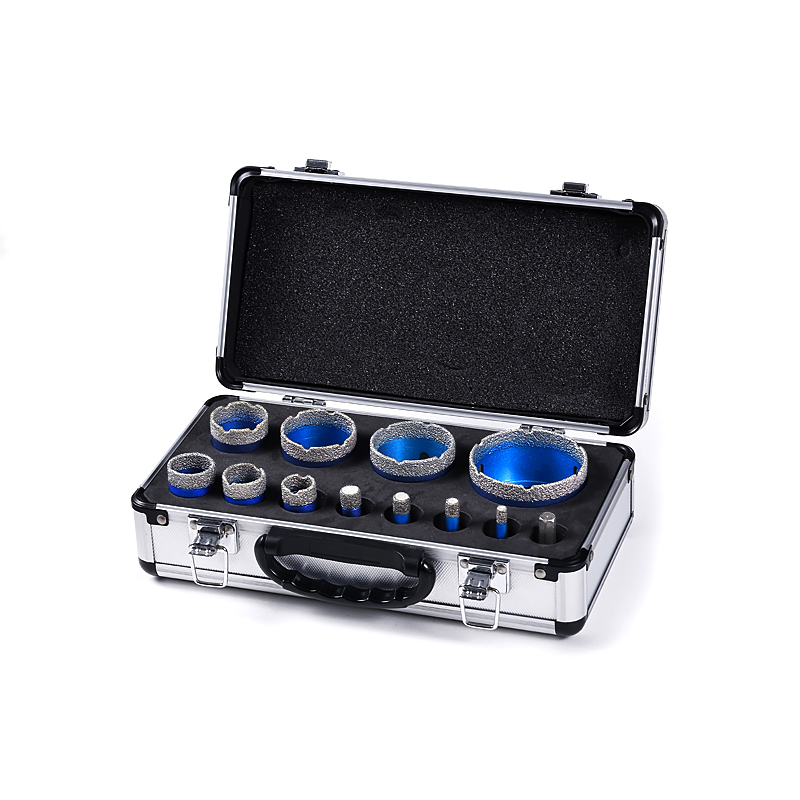
Modern renovation and fabrication projects often require clean openings in hard materials such as porcelain tile, marble, granite, quartz, and engineered stone. Traditional drilling methods may not always provide the control or cutting quality needed for these applications. The development of the Angle Grinder Drilling Hole Saw Bit has created new options for both DIY users and professional installers who need accurate circular holes with fewer tool changes. Diamond hole saw designs are commonly used for tile and stone drilling because the diamond cutting edge can handle dense and abrasive surfaces.
Unlike standard metal hole saws that rely on sharp teeth, diamond hole saw bits use abrasive diamond particles to grind through materials. This working principle allows the tool to process hard surfaces while maintaining a smoother cutting action. With suitable operating speed and pressure control, these bits can support applications ranging from bathroom upgrades to countertop fabrication.
Expanding Applications Beyond Traditional Drilling Methods
Angle grinder-compatible hole saw bits are becoming popular because they provide flexibility in situations where conventional drills may not offer enough cutting capability. Their compact structure and strong abrasive performance make them suitable for many installation tasks.
- Bathroom renovation: Used for creating openings in porcelain tiles, ceramic tiles, and stone surfaces for faucets, shower accessories, and pipe connections.
- Kitchen countertop projects: Suitable for drilling holes in granite, marble, quartz, and other engineered stone materials for sinks, water dispensers, and fixtures.
- Electrical installation: Helps installers create circular openings in hard decorative panels and construction materials.
- DIY customization: Provides homeowners with a practical solution for small renovation tasks requiring accurate hole sizes.
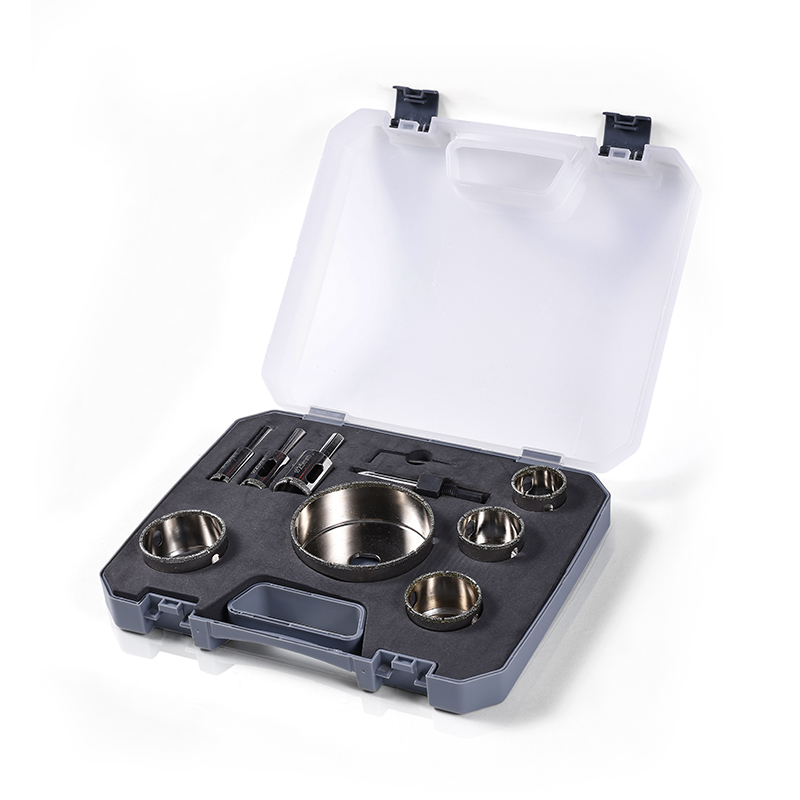
Many diamond hole saw products designed for angle grinders are available with M14 or threaded connections, allowing direct attachment to compatible grinders. Some models are developed specifically for materials such as porcelain, granite, marble, and engineered stone.
How Angle Grinder Hole Saw Bits Change Hard Material Drilling
Hard materials create challenges because they combine high density with brittle structures. Excessive impact force may cause cracks, while unsuitable cutting tools can produce uneven edges. Diamond hole saw technology addresses these problems through a grinding-based cutting method.
- Reduced surface damage: Diamond particles gradually remove material instead of applying aggressive impact force.
- Better edge control: The circular cutting design helps create consistent openings for installation work.
- Wide material compatibility: One tool type can support different stone and tile applications depending on diamond specification.
The cutting performance depends on several factors, including diamond concentration, bonding technology, hole saw diameter, rotation speed, and material hardness. A properly matched tool can improve drilling stability and reduce unnecessary surface stress.
Key Design Features Behind Modern Hole Saw Performance
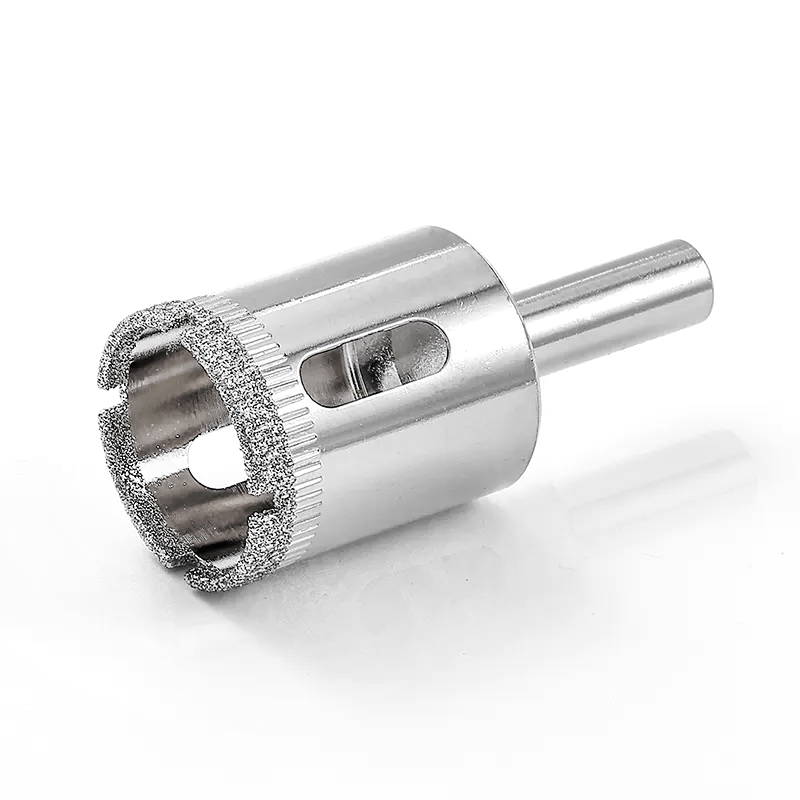
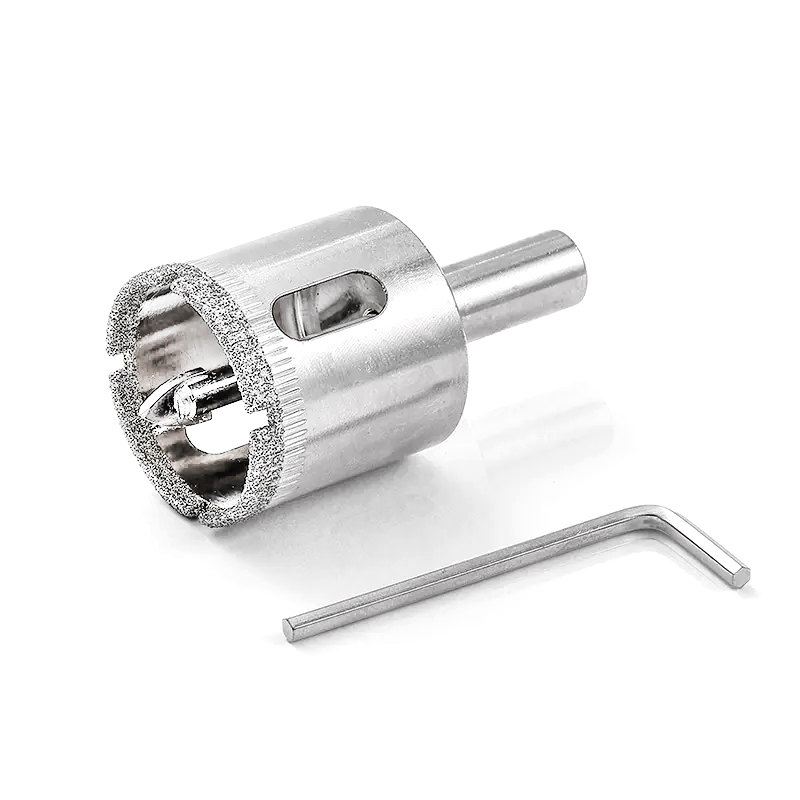
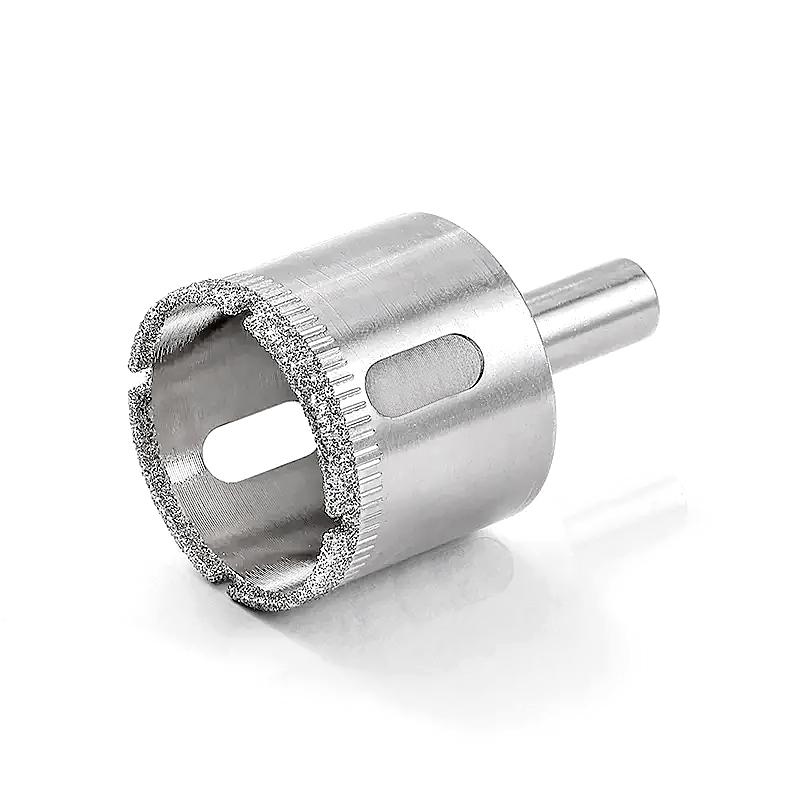
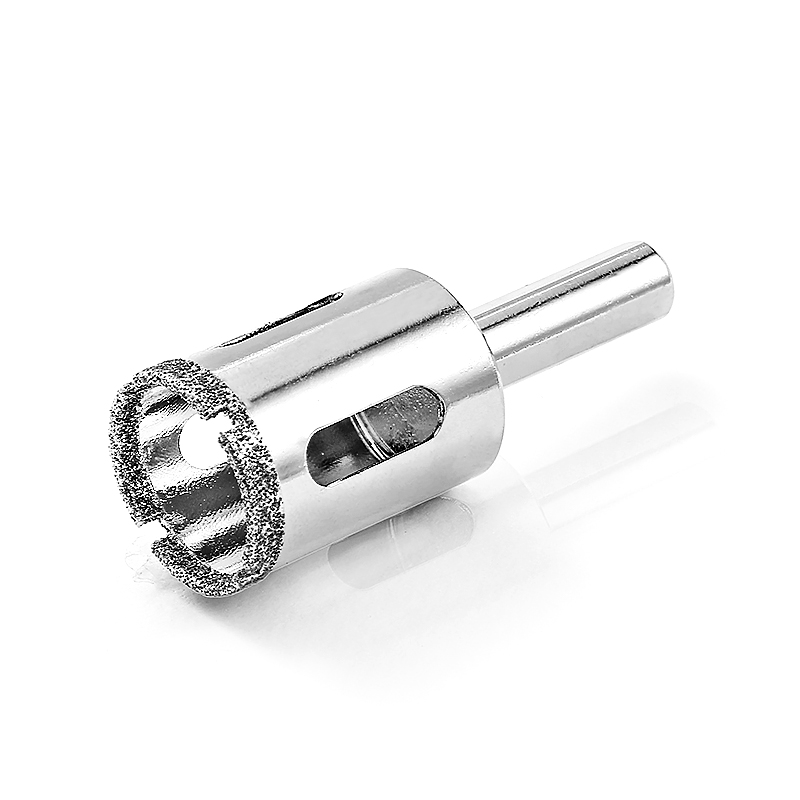
The structure of an Angle Grinder Drilling Hole Saw Bit includes several components designed for durability and controlled cutting.
- Diamond cutting layer: Industrial diamond grit provides the abrasive action required for hard surfaces. Different diamond sizes influence cutting speed and finishing quality.
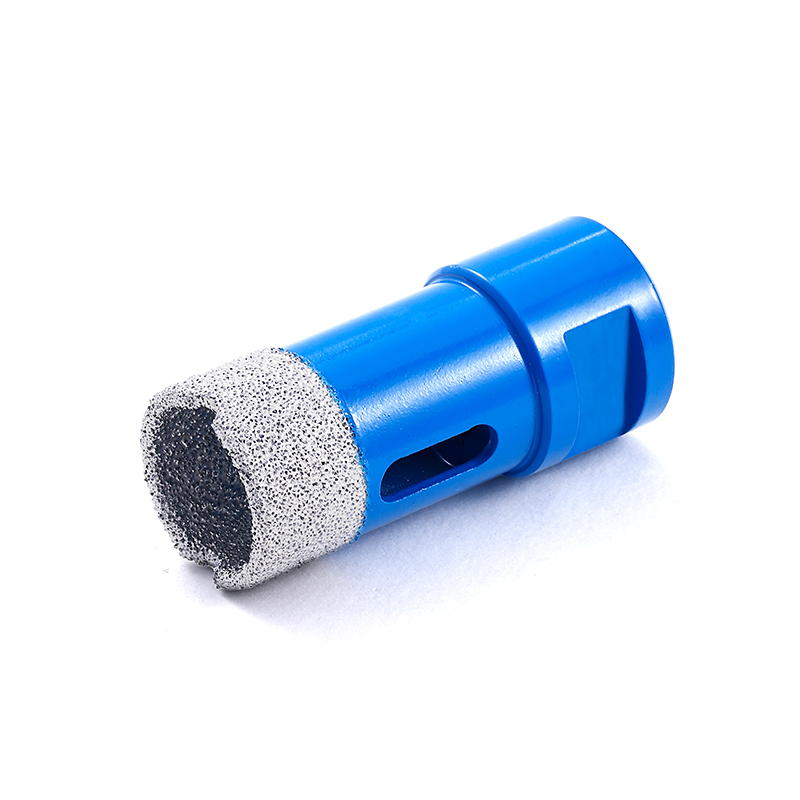
- Vacuum brazed bonding: Some advanced designs use vacuum brazing technology to secure diamond particles firmly onto the cutting edge, improving diamond retention during operation.
- Steel core body: A reinforced metal structure maintains stability during high-speed rotation.
- Threaded connection system: M14 or 5/8"-11 connections allow compatibility with different angle grinder platforms.
Certain diamond hole saw models use vacuum-brazed edges and threaded designs to improve cutting reliability on abrasive materials such as tile and stone.
Technical Parameters Affecting Drilling Results
Choosing suitable specifications is important because different projects require different hole sizes and cutting conditions. Common product parameters include diameter, connection type, cutting depth, and material compatibility.
| Parameter | Typical Range | Application Example |
| Diameter | 5mm–120mm or customized sizes | Pipe openings, fixture installation, countertop drilling |
| Connection | M14, 5/8"-11 threaded design | Angle grinder compatibility |
| Cutting Depth | 10mm–40mm depending on design | Tile panels, stone slabs, decorative materials |
| Diamond Type | Synthetic diamond grit | Porcelain, marble, granite, quartz |
DIY Users Gain More Flexibility With Professional-Level Tools
The growth of home improvement projects has increased demand for tools that combine professional performance with easier operation. Angle grinder hole saw bits provide DIY users with access to diamond cutting technology without requiring large industrial equipment.
For example, installing bathroom accessories often requires precise holes through ceramic or porcelain surfaces. A suitable diamond hole saw can simplify these tasks by creating openings with controlled cutting action. Proper support, stable hand movement, and suitable drilling speed remain important factors for achieving good results.
Professional Projects Benefit From Versatile Tool Compatibility
Professional installers, tile workers, and stone fabricators often handle different materials within the same project. A versatile hole saw solution reduces the need to carry multiple specialized tools.
- Stone fabrication: Creates openings in granite and quartz countertops while maintaining clean edges.
- Tile installation: Supports plumbing and fixture installation on ceramic and porcelain surfaces.
- Construction upgrades: Helps create accurate openings for various building components.
Important Factors Before Using an Angle Grinder Hole Saw Bit
Although diamond hole saw technology offers strong cutting capability, correct operation directly affects the final result. Users should consider material type, tool compatibility, and working conditions before starting a project.
- Check grinder compatibility: Confirm that the connection type matches the angle grinder spindle.
- Control operating pressure: Excessive force may reduce tool life and affect hole quality.
- Manage heat generation: Cooling methods such as water assistance may be required for certain materials and drilling conditions.
- Match the diameter: Select a hole size according to the installation requirement instead of modifying the opening afterward.
Future Possibilities for Diamond Hole Saw Technology
The development of diamond drilling tools continues to focus on improving material compatibility, cutting stability, and user convenience. New bonding technologies, optimized diamond placement, and improved body designs are helping hole saw bits handle more challenging applications.
From home renovation projects to professional stone processing, the Angle Grinder Drilling Hole Saw Bit has become a valuable solution for creating accurate openings in demanding materials. Its combination of diamond cutting performance, flexible compatibility, and practical design allows users to complete more projects with greater control and reliability.