English
 中文简体
 Español

Porcelain Slab Fabrication: Are Custom Hole Requirements Changing Sourcing Plans
Large-format porcelain slabs are increasingly used in kitchen countertops, bathroom surfaces, wall panels, and commercial interior projects. Their appearance and surface durability make them suitable for various architectural applications. However, fabrication requirements are becoming more varied as projects involve customized sinks, faucets, drainage outlets, electrical connections, and plumbing penetrations.
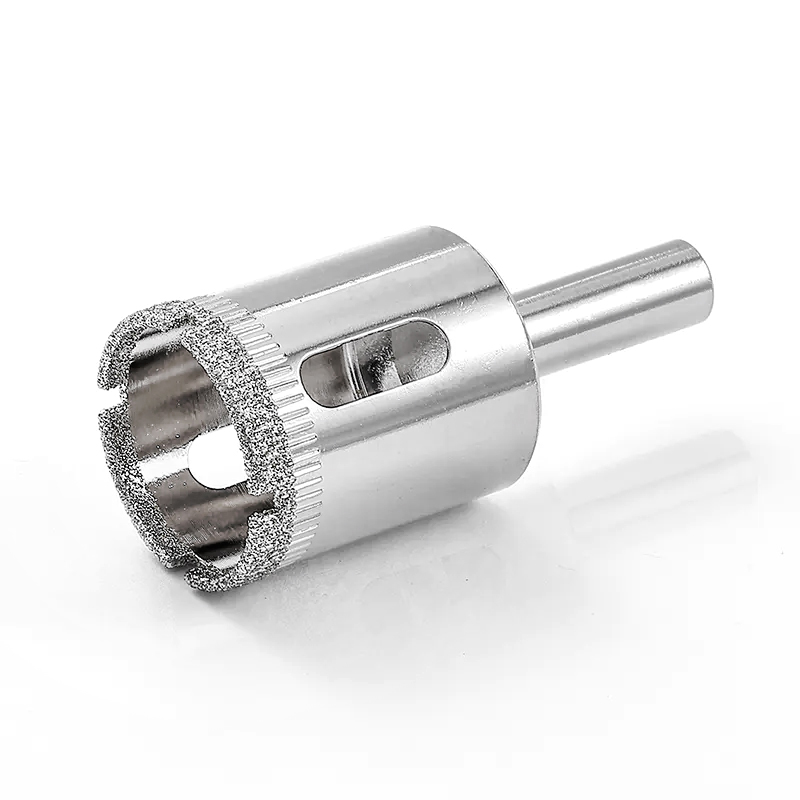
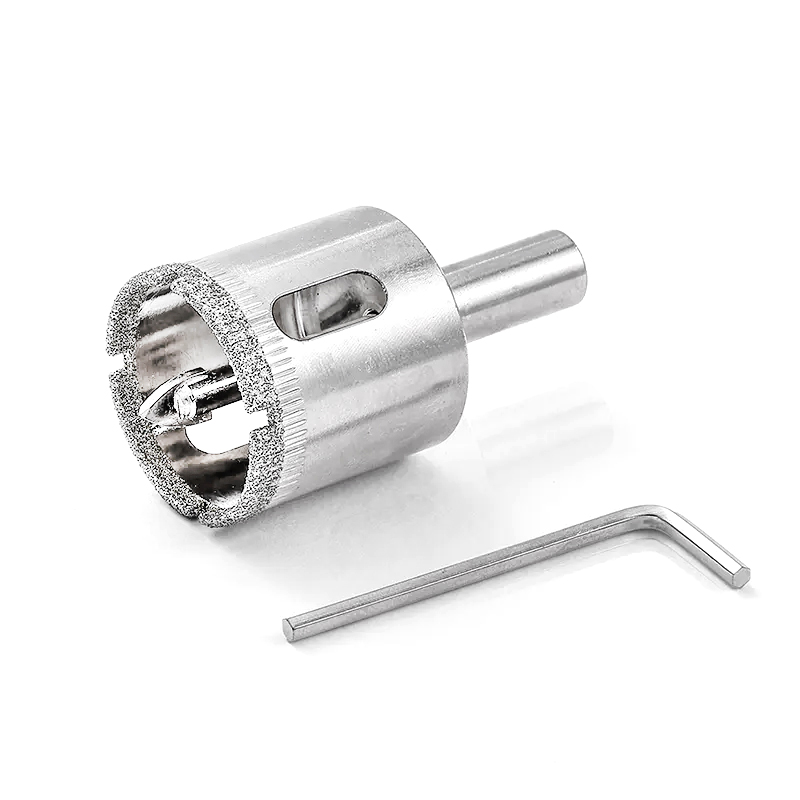
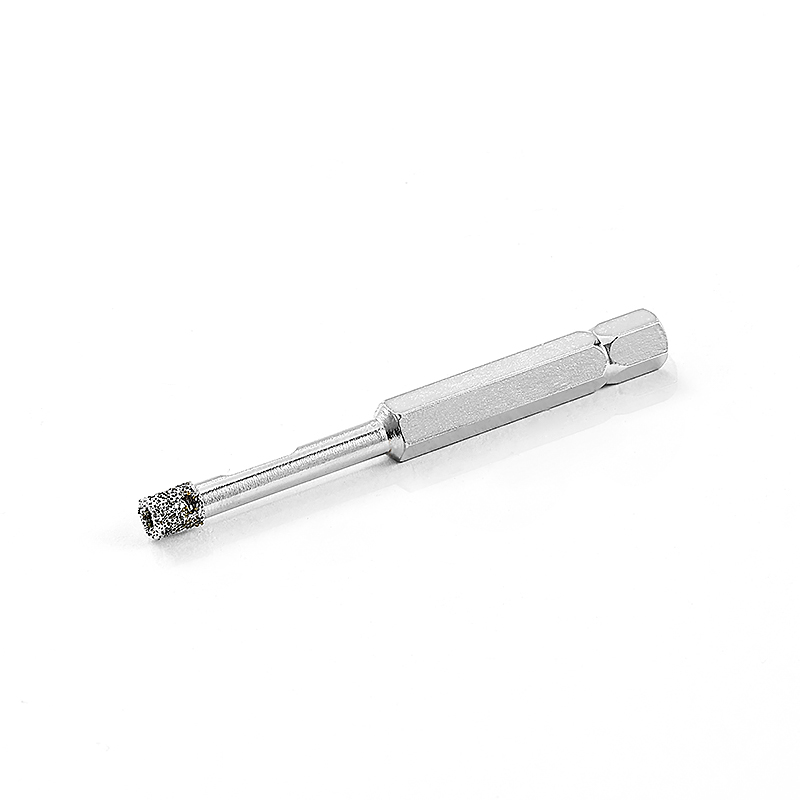
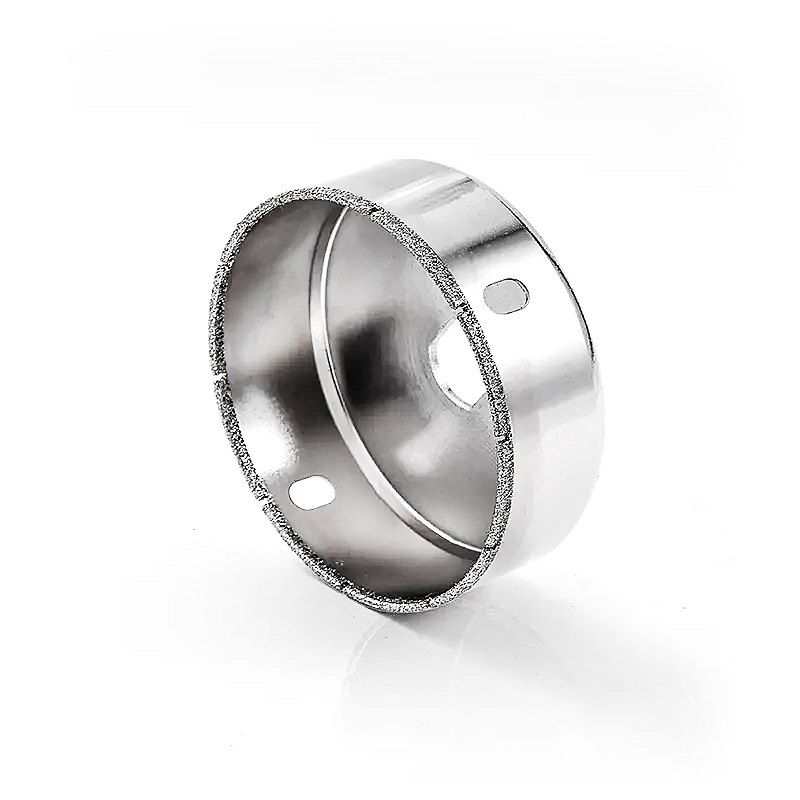
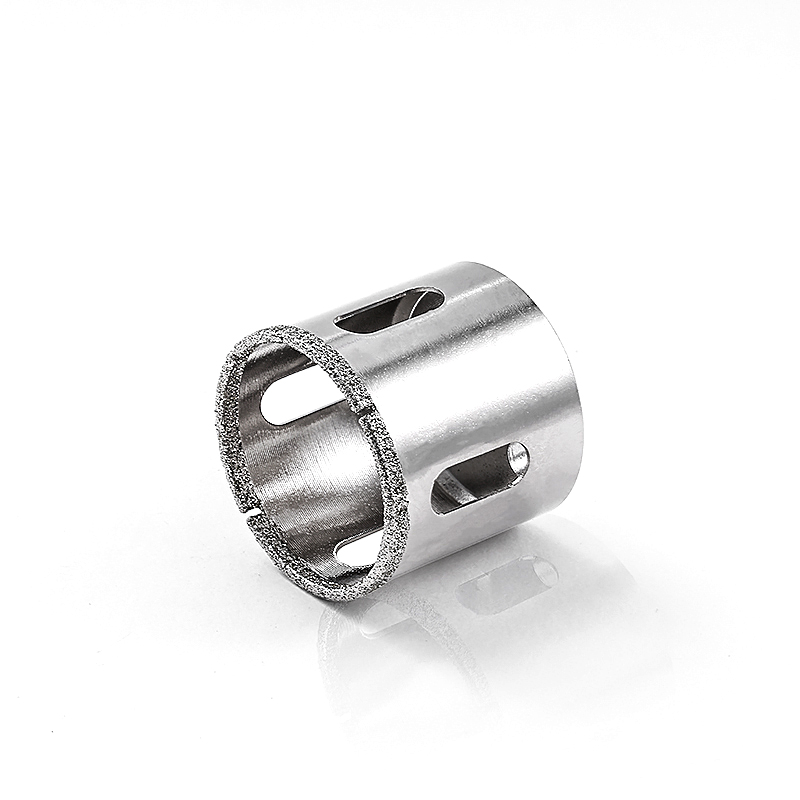
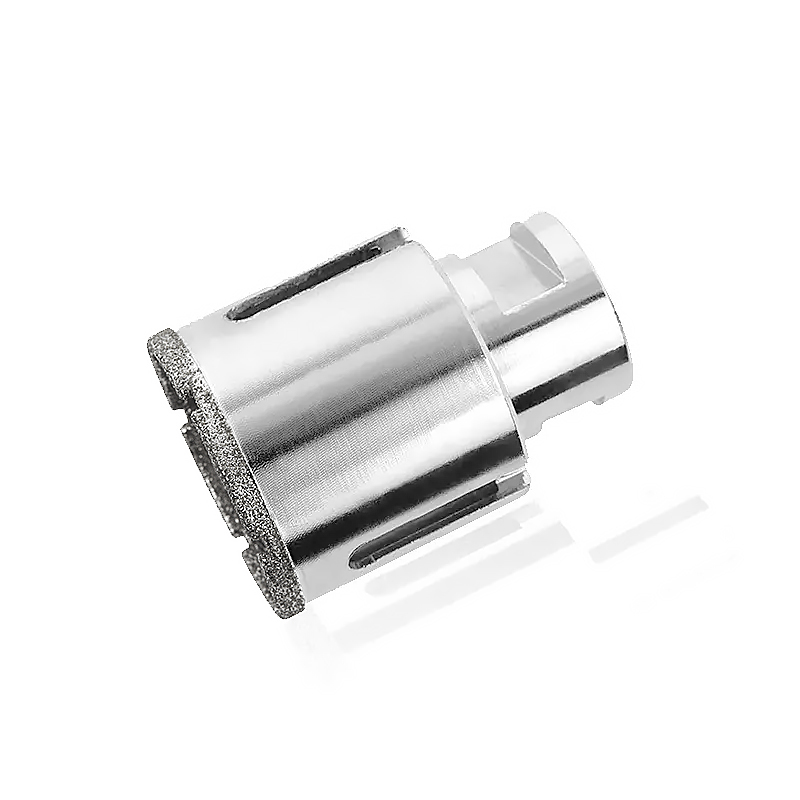
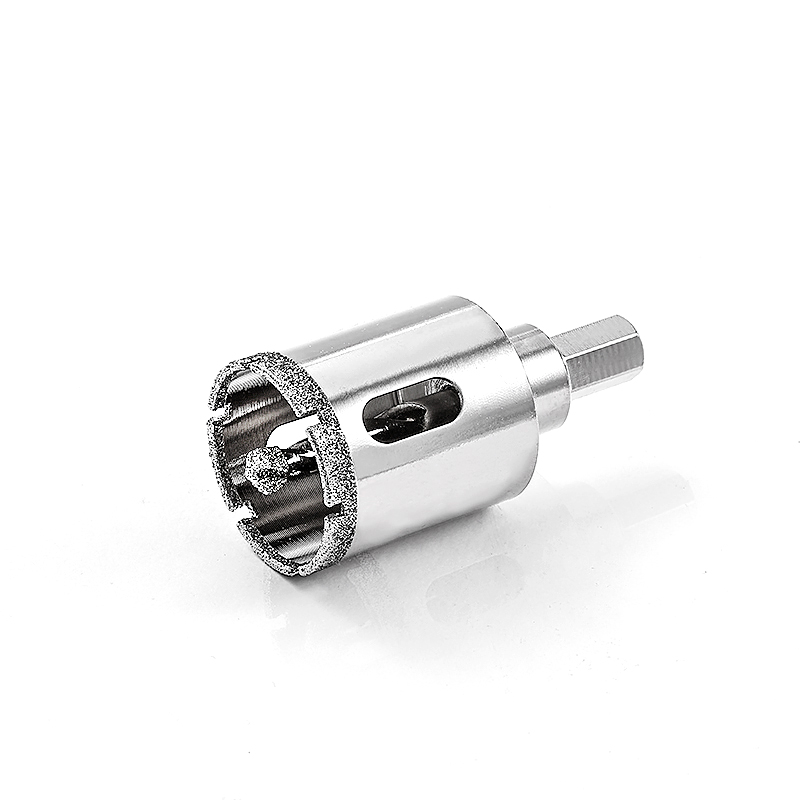
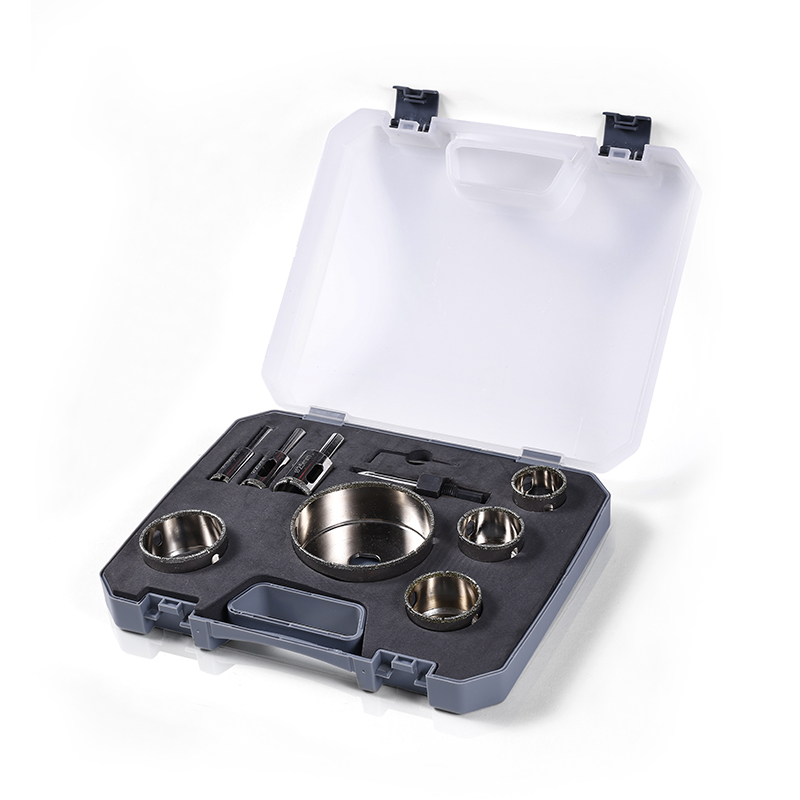
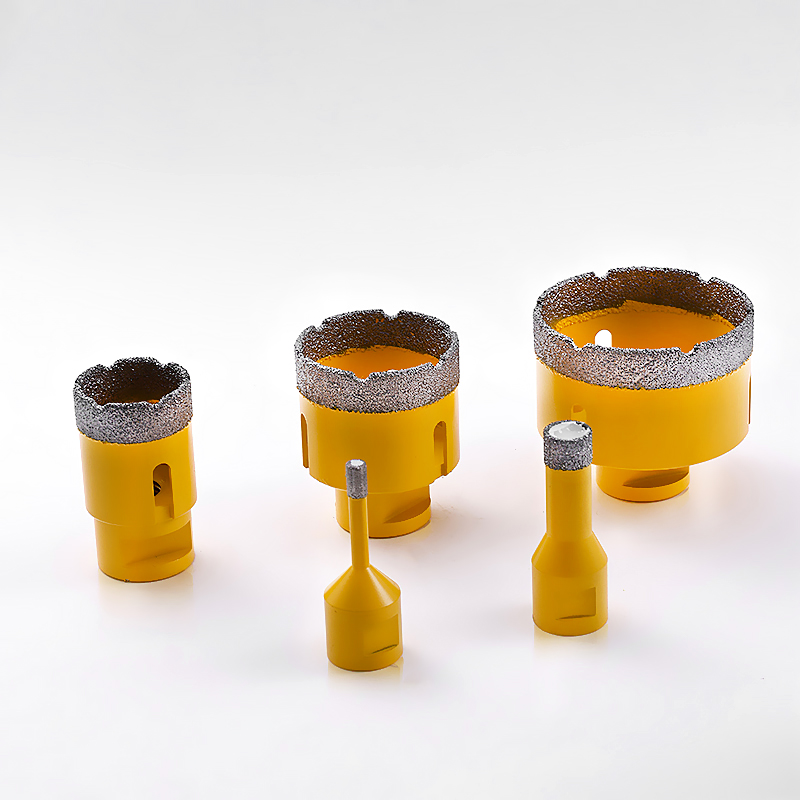
These applications create different demands for drilling tools and accessories. At Enguang, we understand that fabricators, contractors, and professional tool distributors need to consider more than standard hole diameters during procurement. A suitable porcelain hole saw kit should match the material, opening dimensions, slab thickness, and intended drilling method. Reviewing these requirements early can help buyers avoid purchasing unsuitable tools or maintaining unnecessary inventory.
1. Custom Fabrication Is Expanding Hole Size Requirements
Standard hole dimensions may cover common plumbing and installation tasks, but customized countertop and architectural projects often require additional specifications.
Typical porcelain slab applications include:
- Kitchen countertops: Faucet openings, water dispenser connections, sink accessories, and drainage components.
- Bathroom installations: Shower controls, basin fittings, pipe connections, and wall-mounted fixtures.
- Commercial interiors: Electrical outlets, cable passages, equipment connections, and service openings.
- Architectural panels: Customized mounting holes and penetrations for installation hardware.
These applications may require different hole diameters and cutting depths. Buyers should therefore evaluate the range of sizes included in a kit rather than relying only on the number of accessories supplied.
2. Slab Thickness Influences Tool Selection
Porcelain slabs are available in different thicknesses, with common specifications including approximately 6 mm, 12 mm, and 20 mm. The actual thickness affects drilling depth, material support, and the cutting configuration required for fabrication.
Several factors should be considered during tool procurement:
- Thin slabs: Require stable support to reduce vibration and the risk of cracking during drilling.
- Medium-thickness slabs: May require different drilling depths and suitable diamond cutting accessories.
- Thicker countertops: Require sufficient cutting depth and a compatible drilling arrangement.
- Layered assemblies: May involve additional backing materials that influence the total penetration depth.
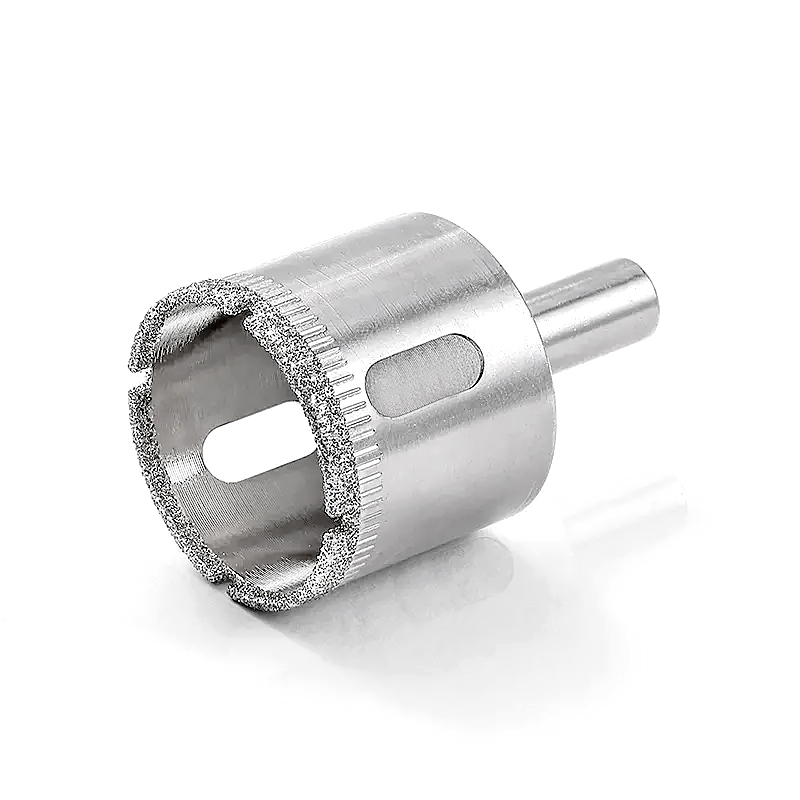
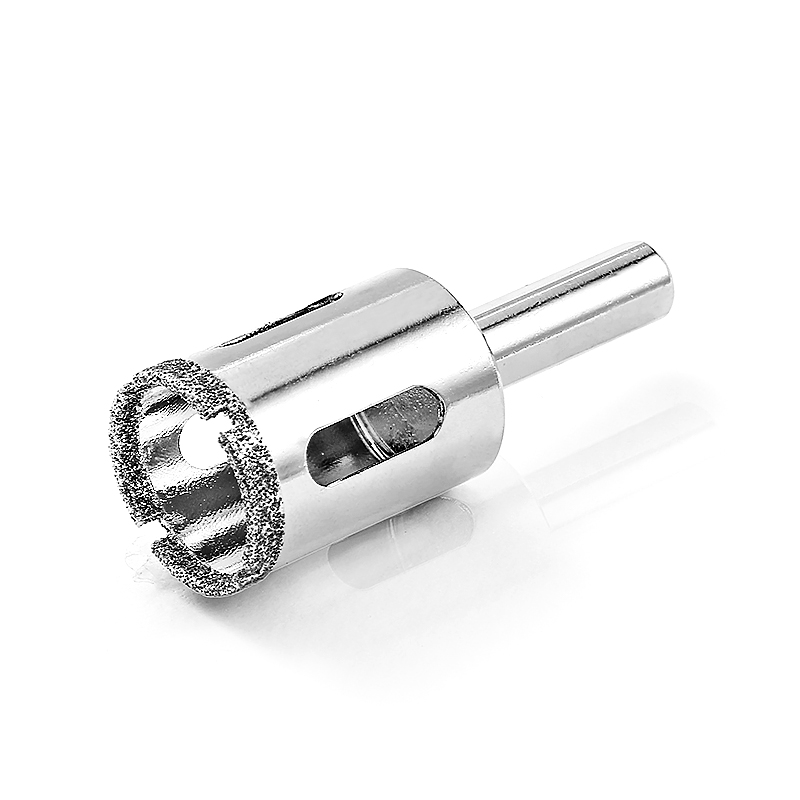
A diamond hole saw designed for a thin ceramic tile should not automatically be assumed suitable for a thicker porcelain countertop. Contractors should verify the effective cutting depth and application range with the tool supplier.
3. Custom Hole Diameters Require a More Flexible Inventory
Project specifications can vary significantly between residential renovations and commercial fabrication contracts. A workshop handling multiple countertop designs may need several hole sizes rather than a small collection of standard accessories.
We recommend organizing procurement around three categories:
- Frequently used diameters: Maintain suitable quantities of sizes regularly required for faucet fittings, pipes, and drainage connections.
- Specialized diameters: Keep less common sizes available according to confirmed project drawings and customer specifications.
- Replacement accessories: Include compatible pilot components, adapters, and replacement cutting tools where applicable.
For example, professional porcelain fabrication guides commonly reference diamond drilling diameters from approximately 6 mm to 75 mm for certain circular openings. Other fabrication requirements may involve larger holes or alternative cutting equipment. These ranges are application references rather than universal specifications for every hole saw kit.
4. Wet and Dry Drilling Requirements Affect Sourcing Decisions
Cooling requirements are another important factor in porcelain tooling procurement. Different diamond drill bits are designed for specific operating conditions, and buyers should not assume that every model supports both wet and dry drilling.
Wet Drilling Applications
Water helps reduce friction, remove drilling debris, and control heat around the cutting area. Certain porcelain fabrication manuals recommend water-cooled drilling tools for specific small-diameter holes. A stable water supply is particularly important for tools designed for continuous wet operation.
Dry Drilling Applications
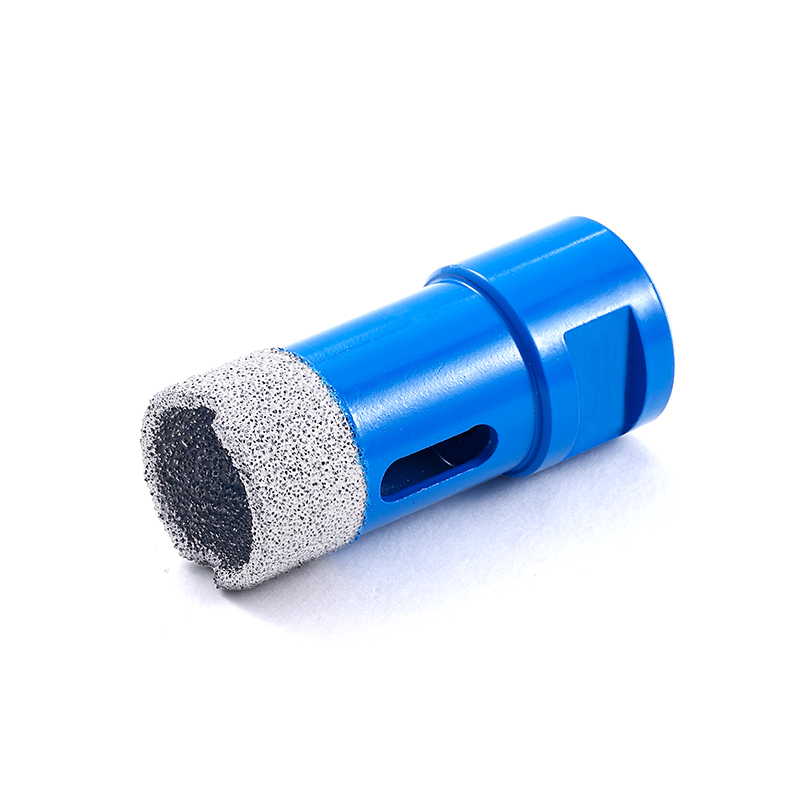
Some professional diamond bits are designed for dry cutting and may be suitable for specific larger-hole applications. Their operating requirements, rotational speed, and cooling intervals must follow the manufacturer's instructions.
Before purchasing, fabricators should confirm:
- Whether the diamond hole saw is designed for wet or dry operation.
- Compatible drilling machines and connection types.
- Recommended rotational speed for the selected diameter.
- Required cooling and dust extraction arrangements.
5. Opening Position and Fabrication Accuracy Matter
Custom hole requirements involve more than diameter measurements. The distance between openings, slab edges, and internal cutout corners can affect the structural integrity of porcelain panels.
For countertop fabrication, sink openings and other rectangular cutouts often require drilled corner holes before connecting cuts are made. Rounded internal corners help distribute stress more effectively than sharp internal corners.
Some manufacturer fabrication guides specify a clearance of approximately 50 mm between an opening and the slab edge. However, actual requirements depend on slab thickness, material specifications, and fabrication methods.
We recommend requesting dimensioned drawings that identify:
- Hole diameter and exact center position.
- Distance from the slab edge.
- Distance between adjacent openings.
- Required corner radius for rectangular cutouts.
- Total drilling depth and backing material conditions.
These details help procurement teams determine the appropriate combination of diamond hole saws, core bits, and supporting fabrication equipment.
6. What Should Buyers Include in a Porcelain Tooling Purchase Plan?
As custom fabrication becomes part of regular project work, purchasing teams need a more detailed specification process. Ordering a kit based only on its advertised size range may overlook important compatibility and application requirements.
At Enguang, we recommend including the following information in purchasing inquiries:
- Material details: Porcelain, sintered stone, ceramic, or other specified surfaces.
- Thickness range: Actual slab thickness and any additional backing layers.
- Hole specifications: Required diameters, drilling depths, and opening quantities.
- Operating method: Wet drilling or dry drilling requirements.
- Equipment compatibility: Drill type, spindle connection, and available accessories.
- Project frequency: Expected usage volume and replacement requirements.
Providing these details makes it easier to compare tooling configurations and plan inventory according to actual fabrication demand.
Customized porcelain fabrication is changing the way contractors and workshops organize their drilling tool purchases. Different hole diameters, slab thicknesses, opening positions, and cooling requirements all influence equipment selection. Standard kits may cover routine applications, while specialized projects can require additional diamond accessories or alternative cutting arrangements.
At Enguang, we support professional buyers and distributors with practical tooling information for different cutting and drilling applications. Share your porcelain material specifications, required hole dimensions, and operating conditions with our team through egtools.cn. We can discuss suitable product configurations and help you prepare a sourcing plan that reflects your fabrication requirements.