English
 中文简体
 Español

Tool Changeover: Is Your Hole Saw System Compatible Across Job Sites
Construction contractors often work across multiple job sites, handling electrical installations, plumbing connections, HVAC projects, and general building maintenance. These tasks may require different hole diameters, cutting materials, and power tools. A quick-change hole saw system can simplify tool replacement, but compatibility between hole saws, arbors, adapters, and drills remains an important consideration.
At Enguang, we understand that professional contractors and tool distributors need equipment that supports different working conditions without requiring unnecessary accessory purchases. A quick change hole saw kit can help reduce changeover time, but buyers should examine its connection standards and component specifications before introducing it into an existing tool inventory.
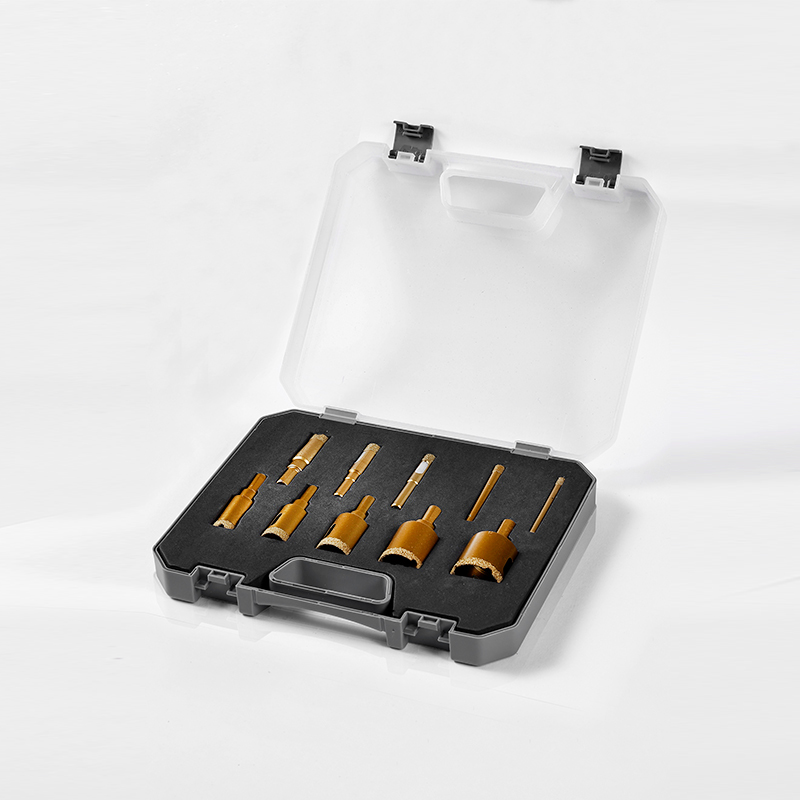
1. Check Arbor Compatibility Before Purchasing
The arbor connects the hole saw to the power drill and transfers rotational force during cutting. Different manufacturers may use different mounting structures, thread configurations, and locking mechanisms.
Several details deserve attention during procurement:
- Thread specifications: Check whether the hole saw uses a threaded mounting connection and confirm the corresponding arbor thread size.
- Locking structure: Some systems use a push-and-pull collar, while others rely on adapter-based or pin-locking arrangements.
- Adapter requirements: Confirm whether additional adapters are necessary to connect existing hole saws.
- Brand compatibility: Universal compatibility should be verified against the manufacturer's stated hole saw range rather than assumed from appearance alone.
For example, certain quick-change arbor systems support threaded hole saws across specified diameter ranges without additional adapters. Other systems are designed around proprietary mounting structures. Checking these differences helps prevent purchasing accessories that cannot work together.
2. Match the Shank Size to Existing Power Drills
Arbor compatibility is only part of the process. The shank must also fit the drill chuck or machine connection used on the jobsite.
Common configurations include:
- 3/8-inch shank: Commonly used with compatible drills featuring a 3/8-inch chuck.
- 1/2-inch shank: Often specified for heavier-duty drilling applications and compatible 1/2-inch chuck systems.
- Hex shank: Provides a suitable interface for compatible quick-change holders and certain power tool systems.
Contractors should also consider the drill's rated capacity, chuck design, and operating requirements. A larger hole saw creates different cutting loads from a smaller one, so the machine and arbor must be suitable for the intended application.
3. Evaluate Hole Saw Diameter Coverage
Different construction tasks require different opening dimensions. Electrical conduit installations may involve relatively small holes, while plumbing and ventilation projects can require larger diameters.
A practical hole saw inventory should cover the dimensions regularly specified in project drawings.
- Small diameters: Suitable for cable routing, electrical boxes, and smaller pipe connections.
- Medium diameters: Commonly used for plumbing fixtures, conduit passages, and equipment installations.
- Large diameters: Required for certain ventilation openings, larger pipe penetrations, and building service installations.
Some quick-change arbor systems cover hole saw sizes from approximately 14 mm to 100 mm, while other configurations accommodate larger cutting accessories. The actual supported range depends on the arbor design and manufacturer specifications.
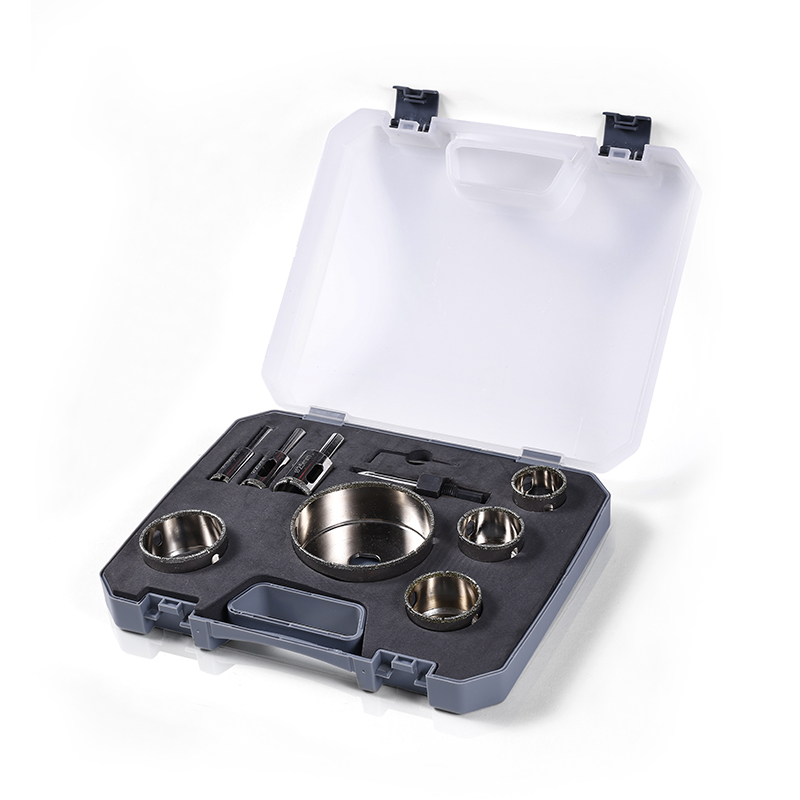
We recommend comparing the included hole saw sizes against existing project requirements before purchasing a complete kit. This helps avoid duplicate inventory and unnecessary accessory costs.
4. Consider Pilot Drill and Locking Mechanism Compatibility
The pilot drill guides the hole saw during initial contact and helps maintain the intended cutting position. However, pilot drill dimensions and replacement methods vary between systems.
Buyers should review the following specifications:
- Pilot drill diameter and overall length.
- Pilot bit material, such as high-speed steel or carbide-tipped construction.
- Replacement method and locking mechanism.
- Compatibility with the selected arbor and hole saw.
- Availability of replacement pilot bits and adapters.
A tool-free release mechanism can make accessory replacement easier during repetitive operations. Some designs use a two-position collar to release the hole saw and pilot bit separately. Others require different steps or dedicated adapters.
Before approving a kit for multiple work teams, we suggest testing the locking mechanism with the actual hole saws and drills used by the company.
5. Check Cutting Material and Application Requirements
Mechanical compatibility does not automatically mean that a hole saw is suitable for every cutting material. Bi-metal, carbide-tipped, and diamond-coated hole saws have different application requirements.
- Bi-metal hole saws: Commonly used for wood, plastics, and various metal cutting applications, depending on tooth design.
- Carbide-tipped hole saws: Suitable for certain abrasive or harder materials according to the product specification.
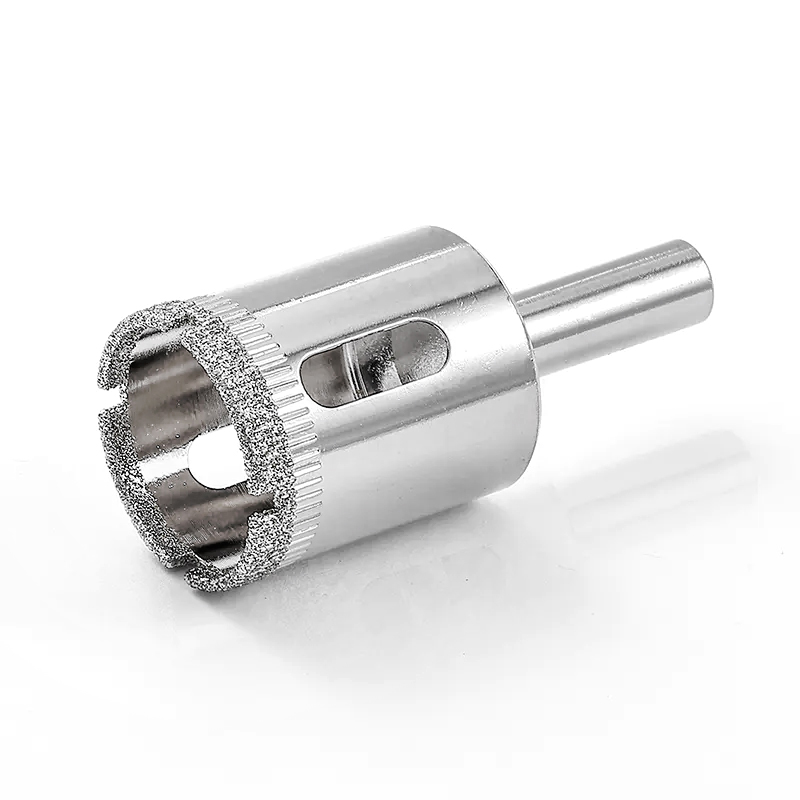
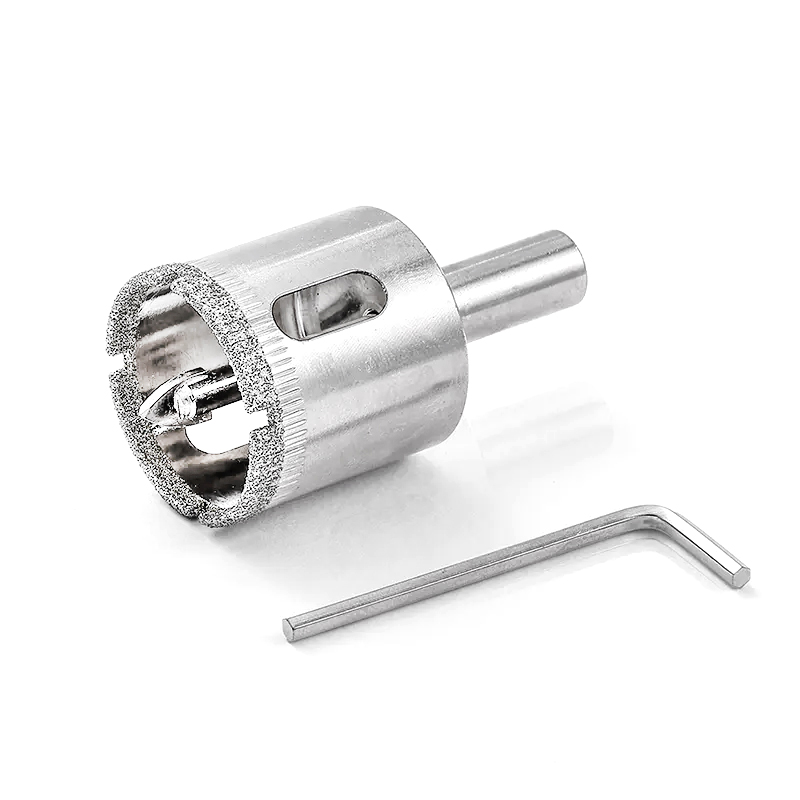
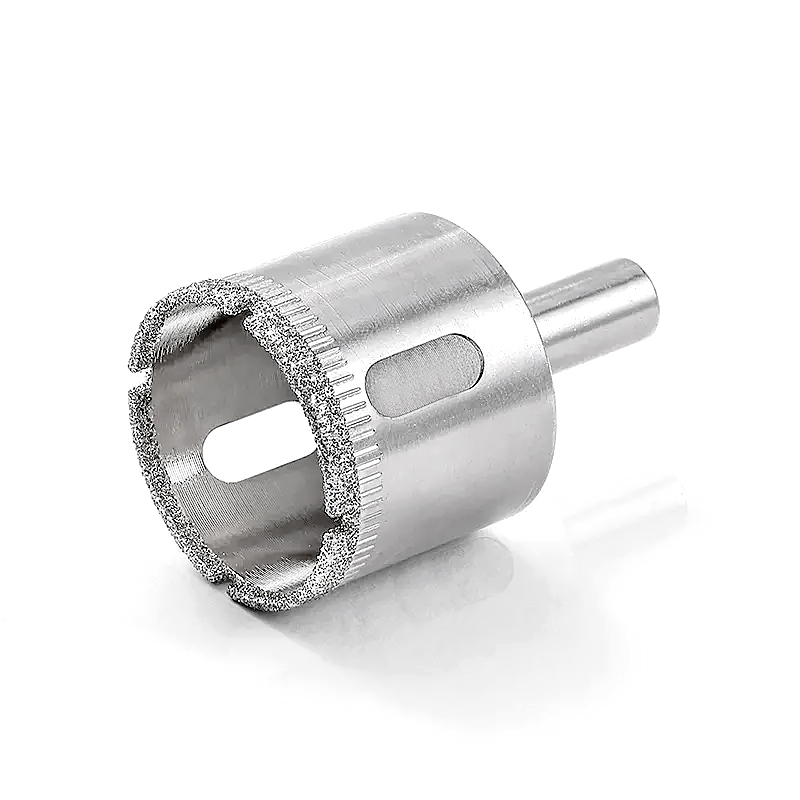
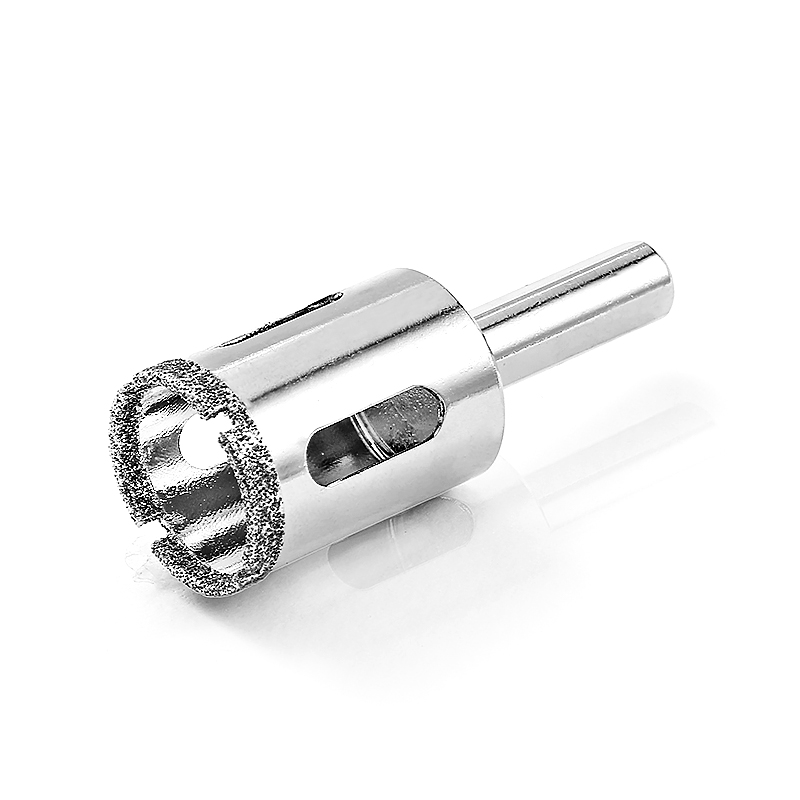
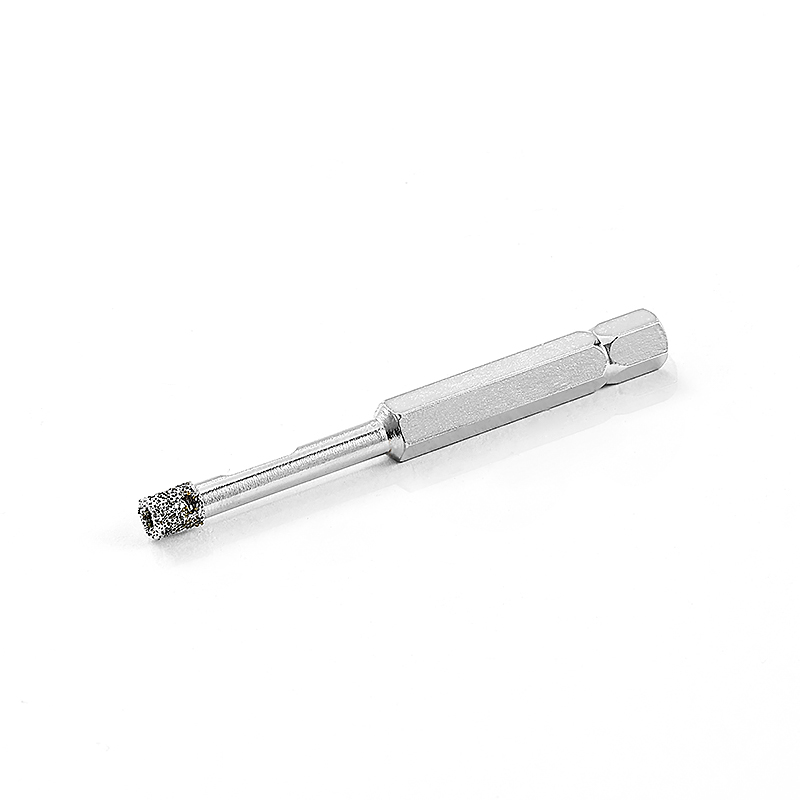
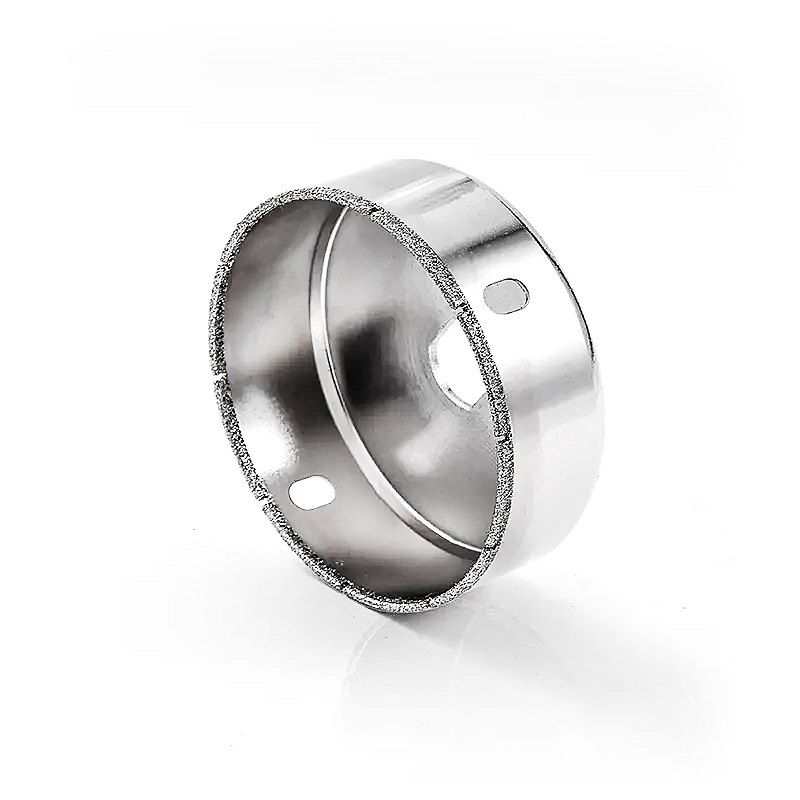
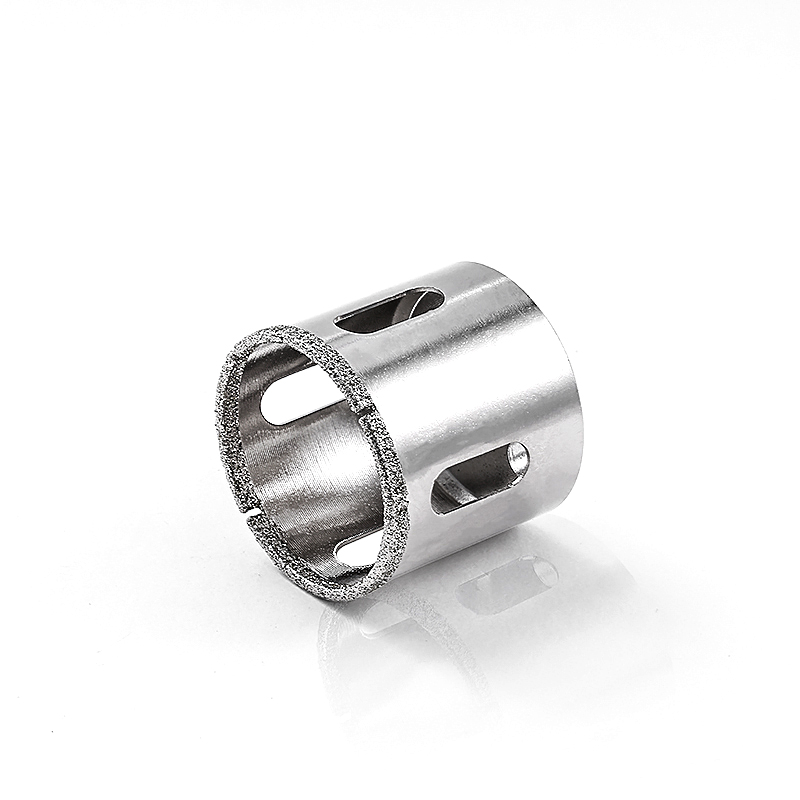
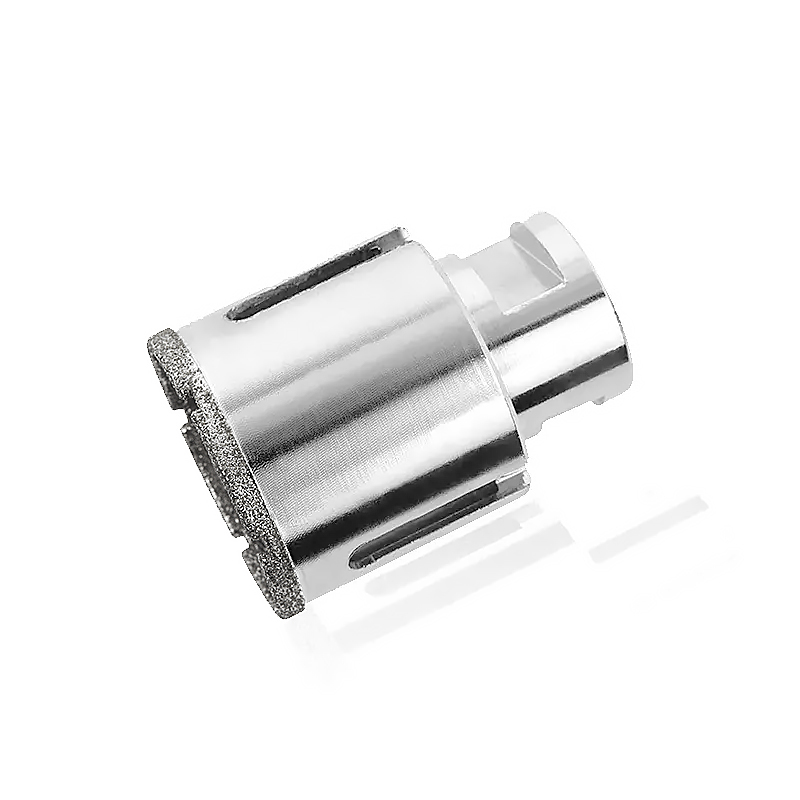
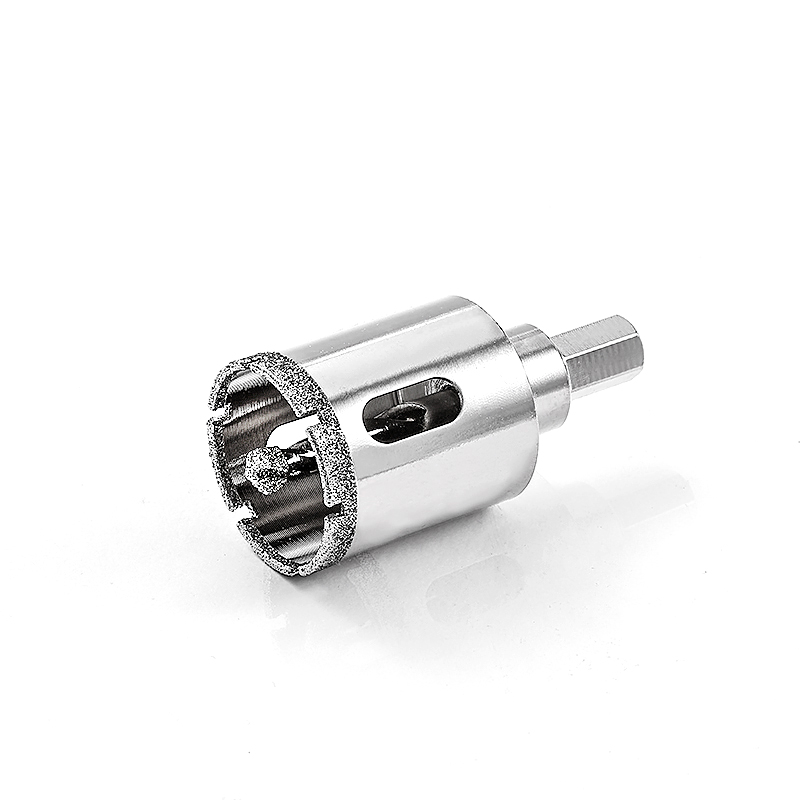
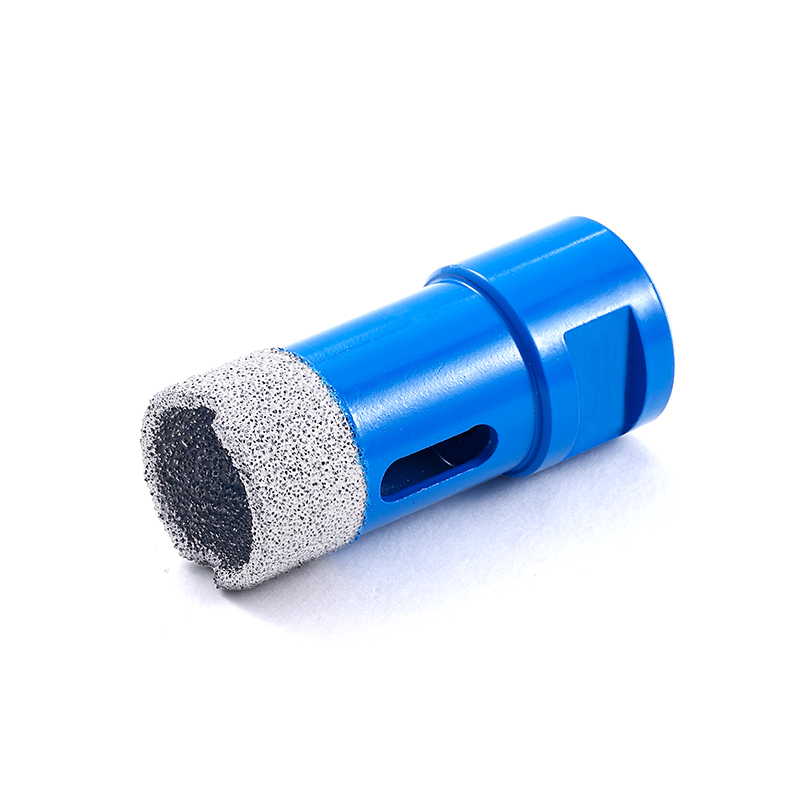
- Diamond hole saws: Used for suitable ceramic, porcelain, glass, and other hard-material applications, with appropriate operating methods.
Contractors should verify cutting depth, material restrictions, rotational speed, and cooling requirements. A quick-change arbor may support multiple hole saw types, but the cutting accessories must still match the material being processed.
6. Standardize Tool Inventory Across Job Sites
Companies operating several construction teams may encounter equipment differences between locations. One team might use threaded hole saws, while another relies on a proprietary quick-change system. Such differences can complicate accessory distribution and replacement planning.
At Enguang, we recommend establishing a consistent tool inventory management process:
- Record arbor thread sizes, shank dimensions, and compatible hole saw ranges.
- Create an inventory list of commonly used hole saw diameters.
- Keep replacement pilot drills and adapters available for frequently used systems.
- Label accessory cases according to mounting type and application.
- Inspect locking components and cutting accessories before transferring equipment between sites.
Standardized specifications make it easier to allocate tools, manage replacement purchases, and maintain consistent equipment arrangements across different projects.
At Enguang, we focus on practical tooling solutions for professional users, distributors, and industrial buyers. Contractors planning to standardize their hole saw inventory should prepare a list of existing drill models, mounting connections, required cutting diameters, and application materials before purchasing new kits.
Contact Enguang through egtools.cn to discuss your tooling requirements and obtain further information about compatible hole saw accessories. A clear specification review can help your purchasing team organize equipment across job sites and reduce unnecessary accessory replacement.