English
 中文简体
中文简体 Español
How Does a Vacuum Brazed Diamond Hole Saw Enhance Drilling Efficiency?
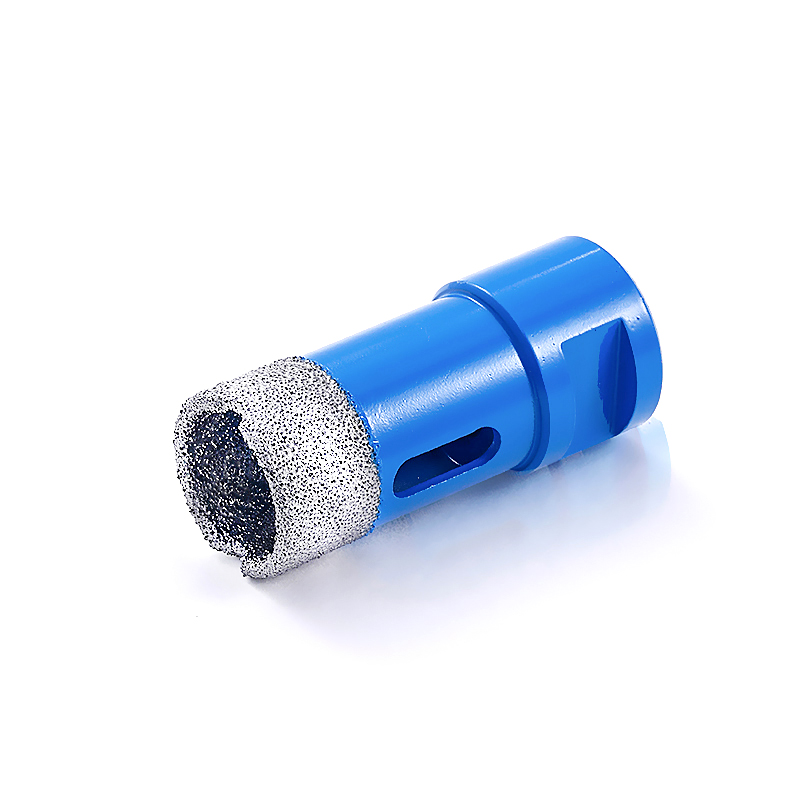
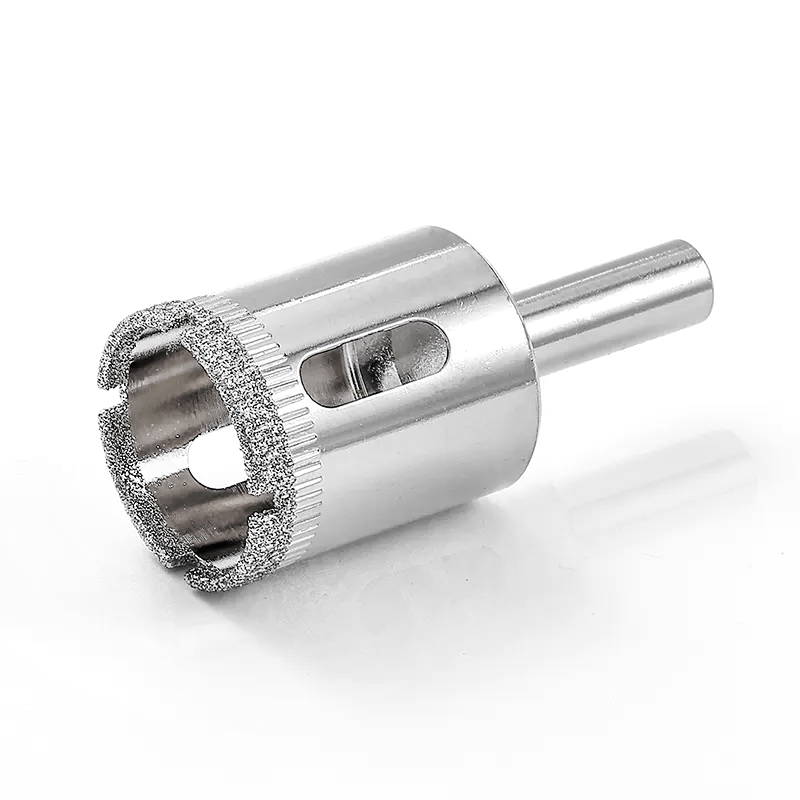
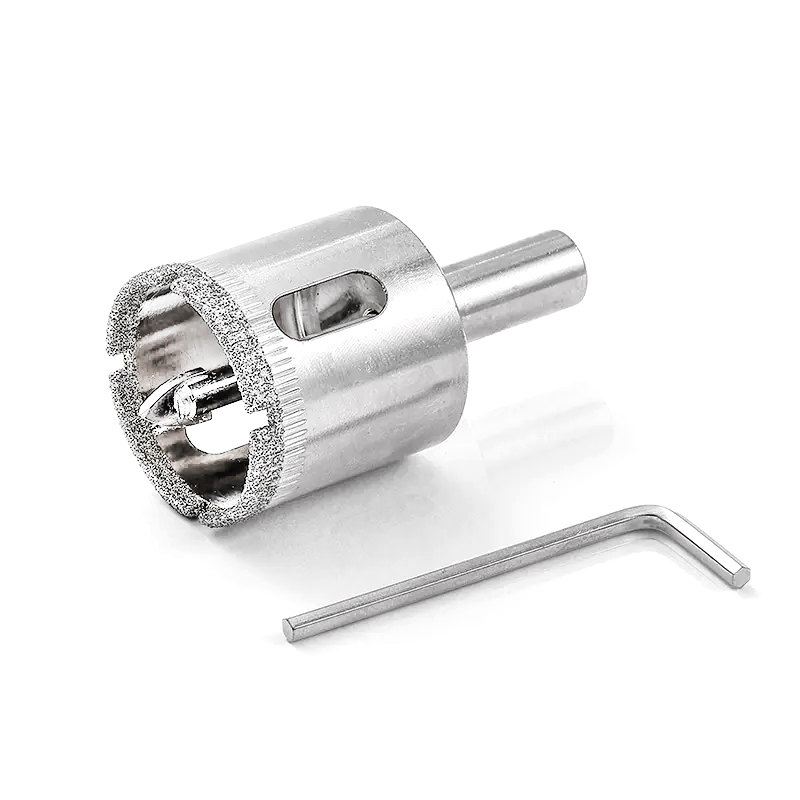
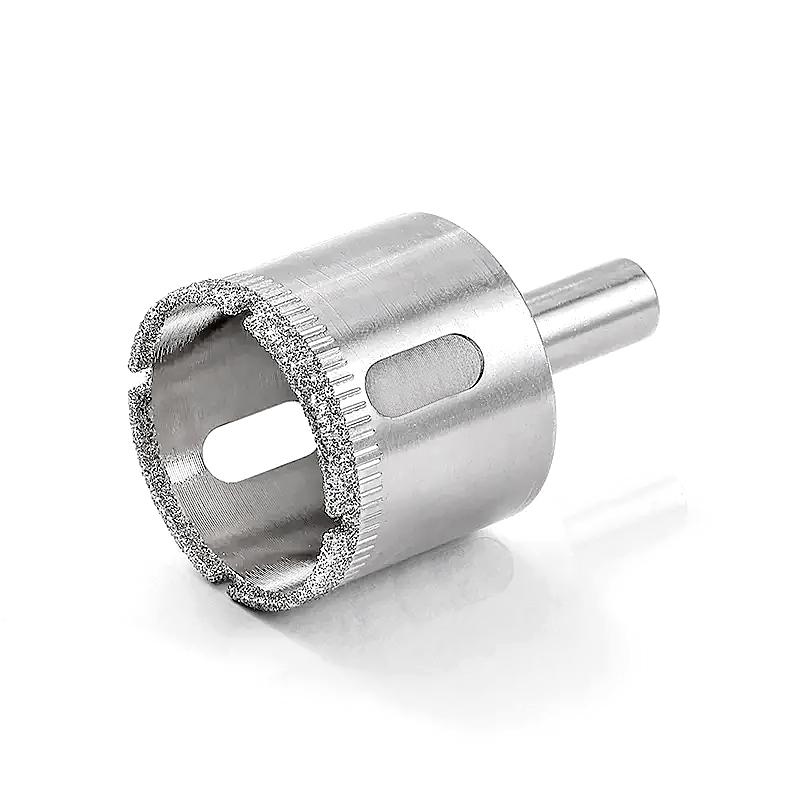
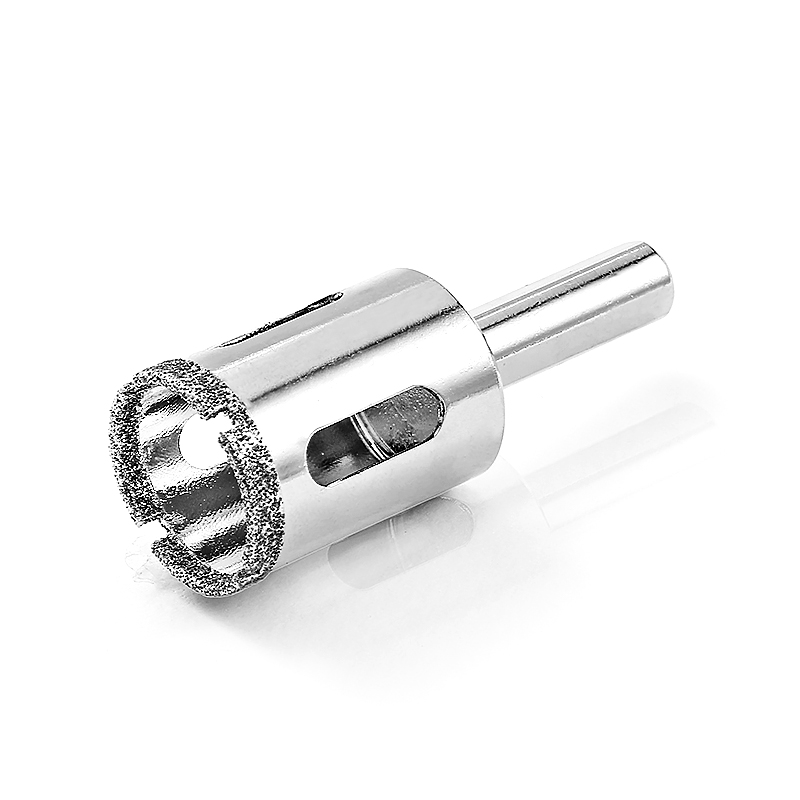
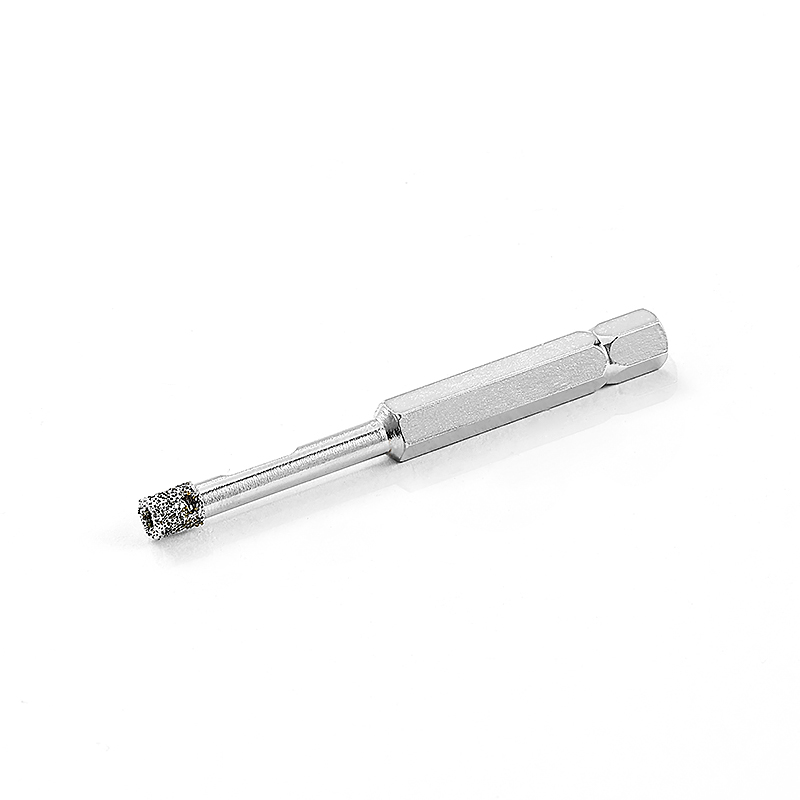
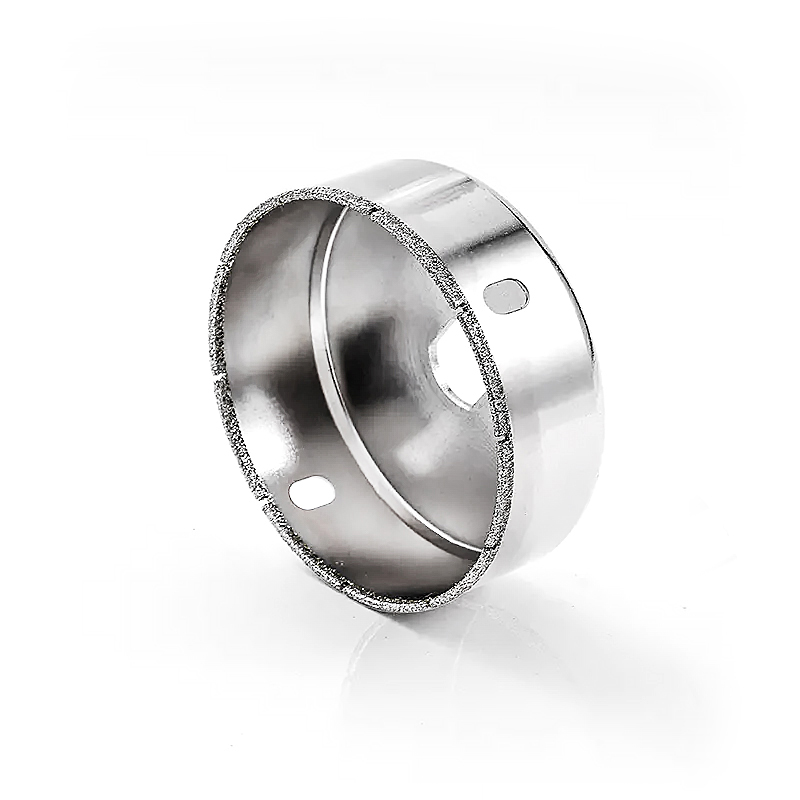
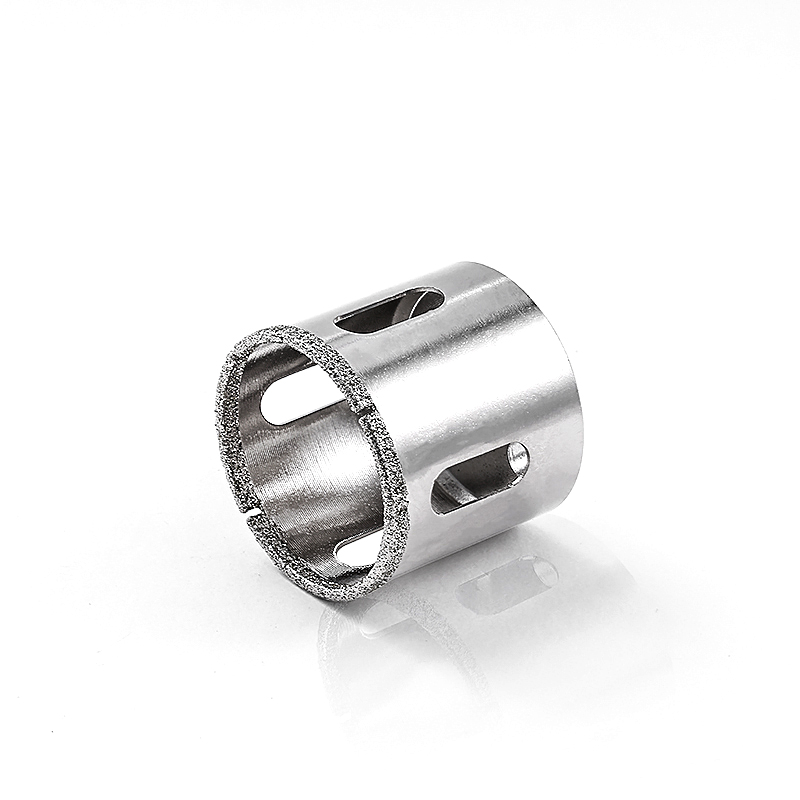
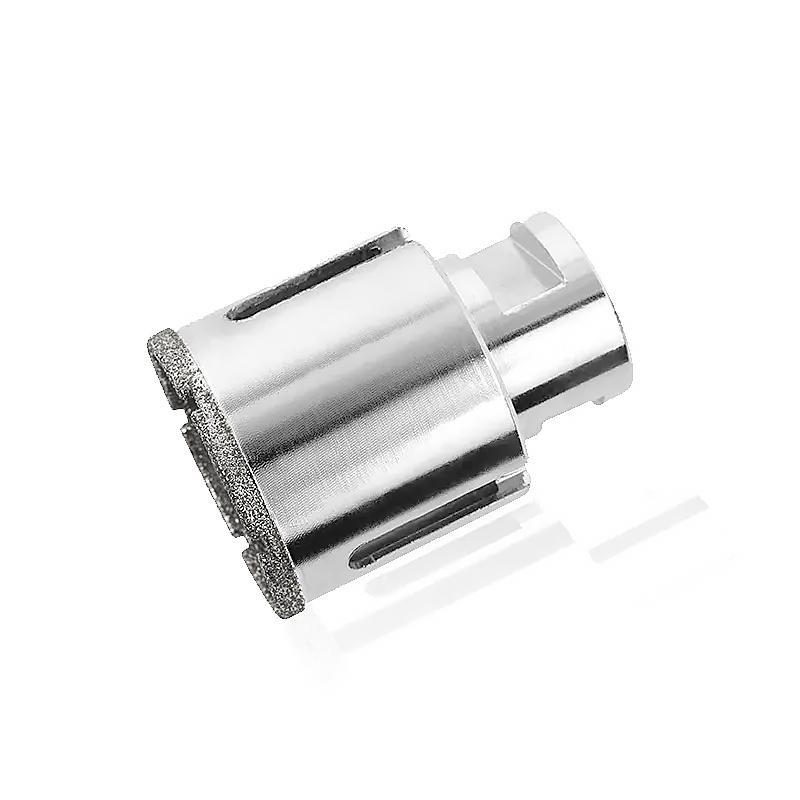
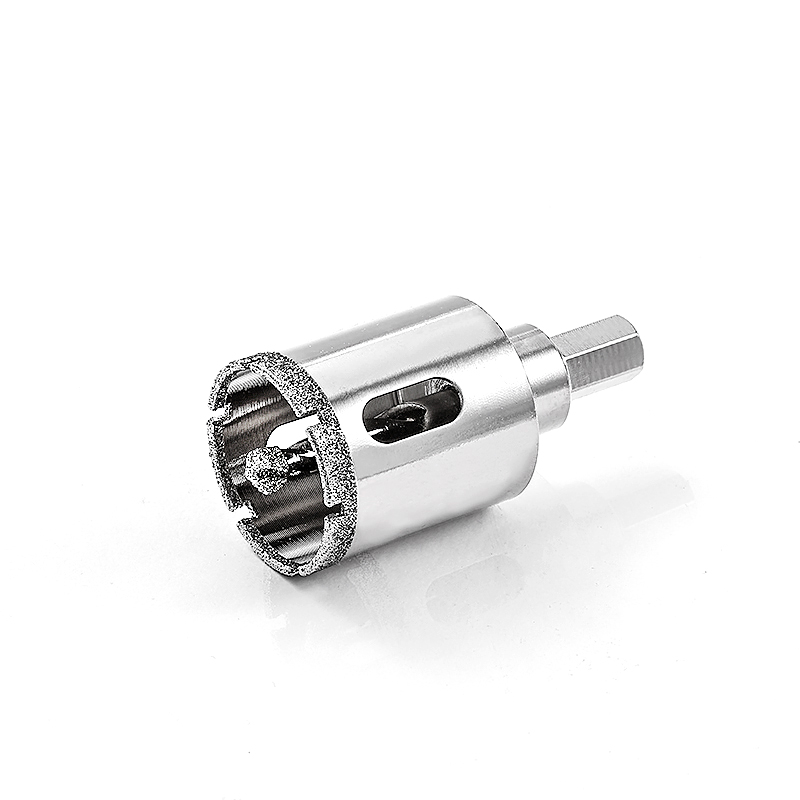
In modern construction and manufacturing, cutting through hard materials such as ceramic, stone, or metal requires specialized tools. The Vacuum Brazed Diamond Hole Saw offers an efficient solution for professionals who need precise and durable cutting tools. Factories producing these saws focus on combining high-quality diamonds with robust steel bodies to deliver consistent performance.
Materials and Design
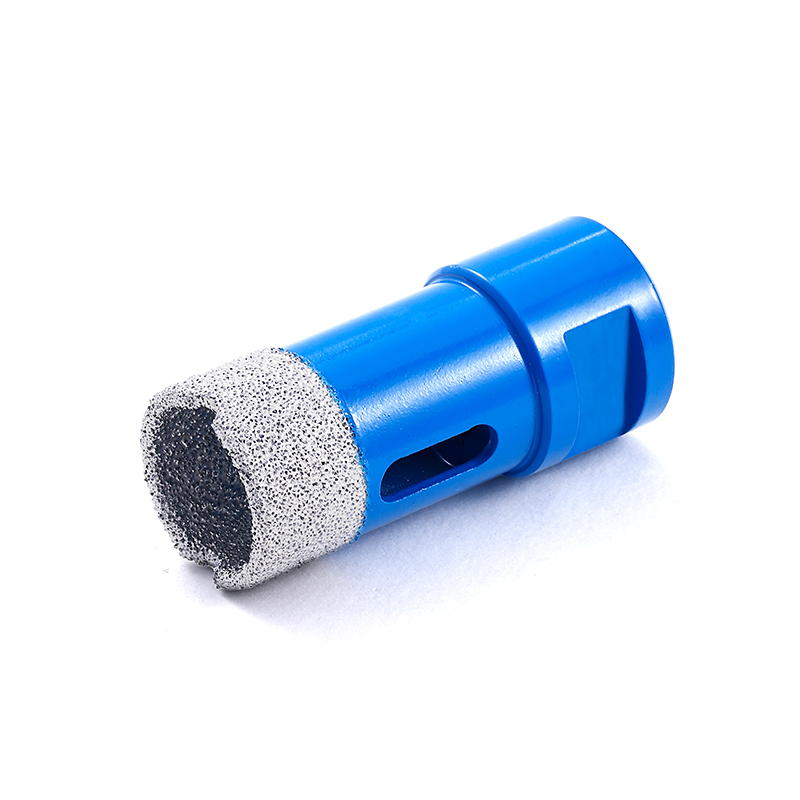
The performance of a Vacuum Brazed Diamond Hole Saw largely depends on the quality of the diamond particles and the bonding process. High-grade industrial diamonds are selected for their hardness and durability, ensuring that the cutting edges maintain sharpness over prolonged use. These diamonds are evenly distributed along the steel body and bonded through a vacuum brazing process, which secures the diamonds without the need for adhesives.
Vacuum brazing ensures strong attachment and heat resistance, allowing the hole saw to operate under high-speed conditions without losing effectiveness. Manufacturers carefully control the brazing temperature and pressure to avoid diamond degradation, ensuring that each saw maintains precision even in tough materials.
Manufacturing Process
Producing a Vacuum Brazed Diamond Hole Saw involves several critical steps. First, the steel core is shaped and prepared for diamond application. Then, diamonds are placed evenly along the edge of the saw. The assembly enters a vacuum furnace, where brazing occurs under controlled conditions. This method ensures a uniform bond between the diamonds and the metal, reducing the risk of dislodging during operation.
After brazing, each saw undergoes a detailed inspection. Cutting tests verify that the saw can penetrate hard surfaces efficiently, while measurements confirm that the diameter and straightness meet specifications. This quality control process is essential for maintaining consistent performance across batches.
Applications in Various Industries
The versatility of a Vacuum Brazed Diamond Hole Saw makes it useful across multiple industries. In construction, it enables precise holes in tiles, granite, and concrete without causing cracks. In metalworking, it provides a reliable method for drilling stainless steel or alloy sheets. Even in specialized applications, such as electronics or laboratory work, these saws deliver clean, accurate holes.
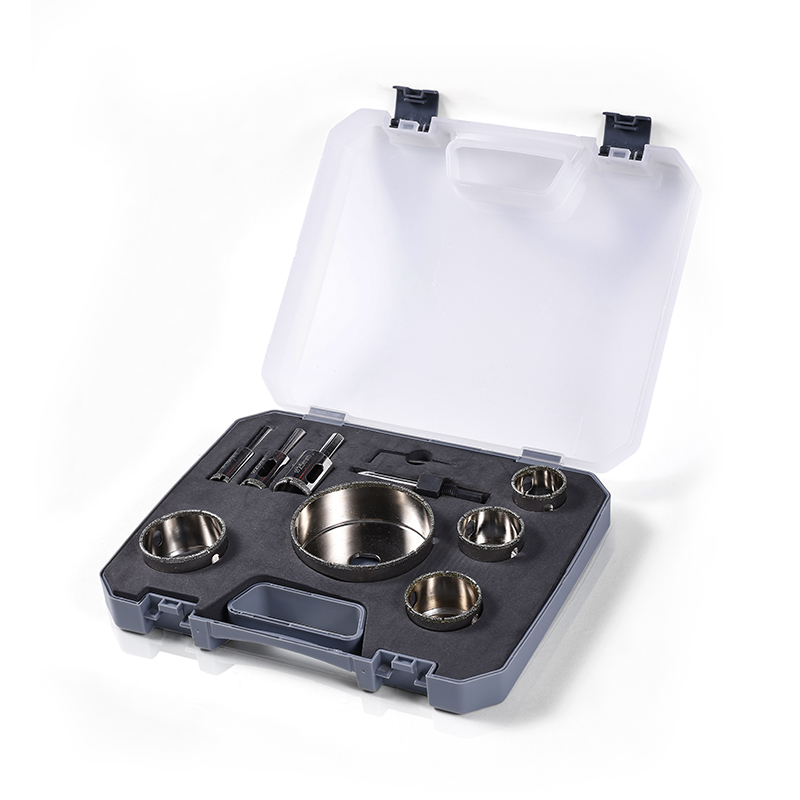
By choosing the right size and tooth configuration, users can optimize cutting speed and durability for specific tasks. Manufacturers often provide guidance on recommended operating speeds and cooling methods to ensure optimal performance.
Maintenance and Longevity
Proper maintenance of a Vacuum Brazed Diamond Hole Saw extends its lifespan. Using water or other coolants during cutting prevents overheating and diamond wear. Regular cleaning removes debris and ensures smooth cutting. Because the diamonds are brazed directly to the steel, the saw maintains structural integrity longer than electroplated or sintered alternatives.
Factories also provide replacement options and technical advice to support clients in industrial environments. By following manufacturer guidelines, users can achieve consistent cutting performance while reducing operational interruptions.
Environmental and Safety Considerations
Manufacturing a Vacuum Brazed Diamond Hole Saw involves handling fine particles and high temperatures. Responsible factories implement safety protocols, including ventilation, protective equipment, and controlled furnace operation. These measures protect workers and maintain quality during production.
From a manufacturing perspective, the Vacuum Brazed Diamond Hole Saw combines precise engineering, durable materials, and rigorous quality control to meet the demands of industrial users. Through careful diamond selection, controlled brazing, and thorough testing, factories deliver a tool that supports accurate and reliable cutting across a wide range of materials. Partnering with reputable manufacturers ensures that professionals can trust their saws to perform consistently and safely in challenging applications.