English
 中文简体
中文简体 Español
Is a Straight Shank Diamond Hole Saw Stable Enough for Handheld Drilling on Tile Surfaces
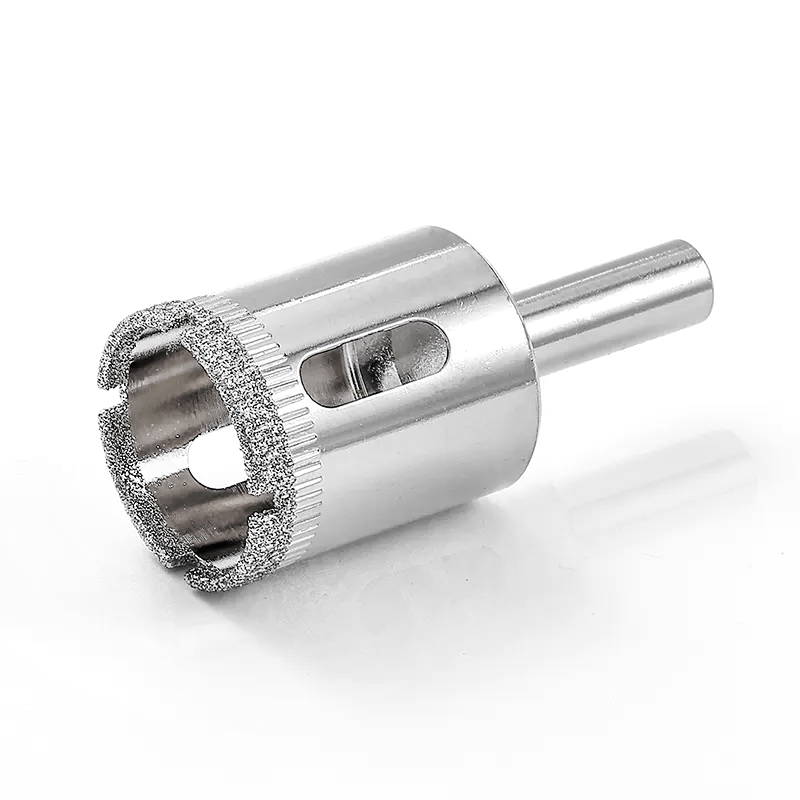
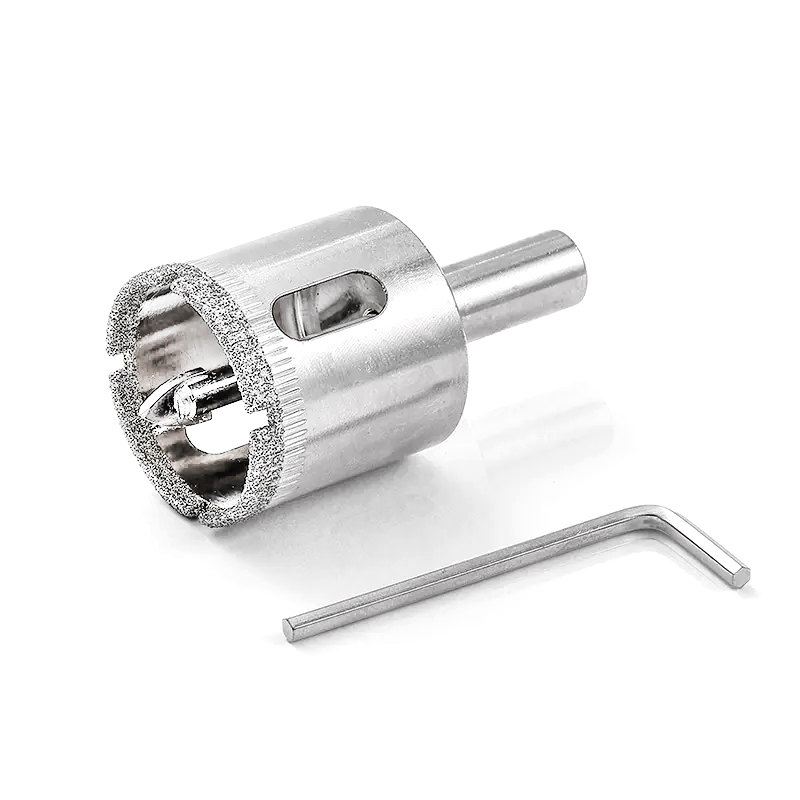
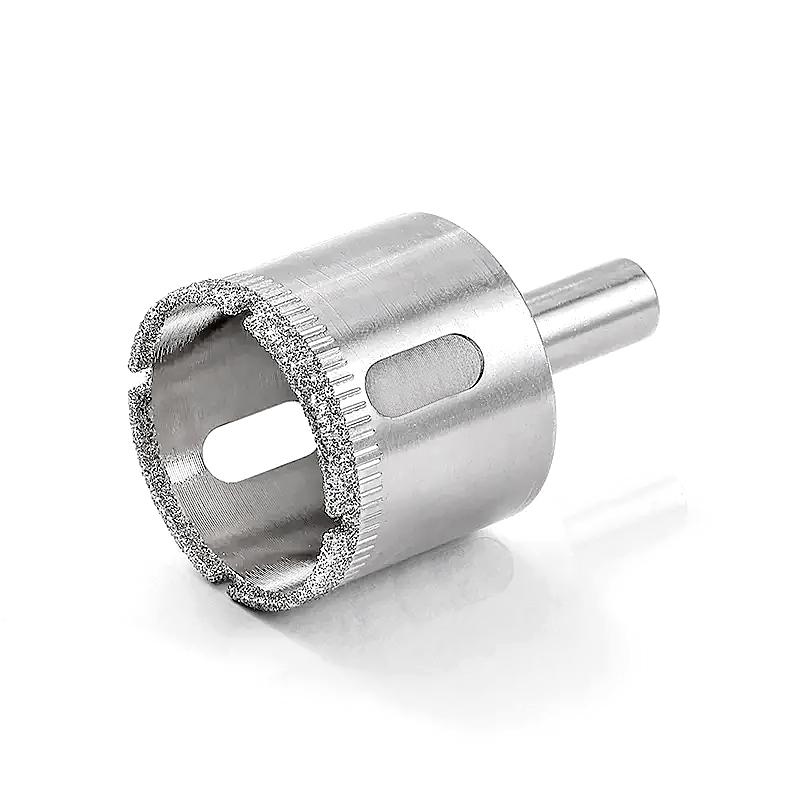
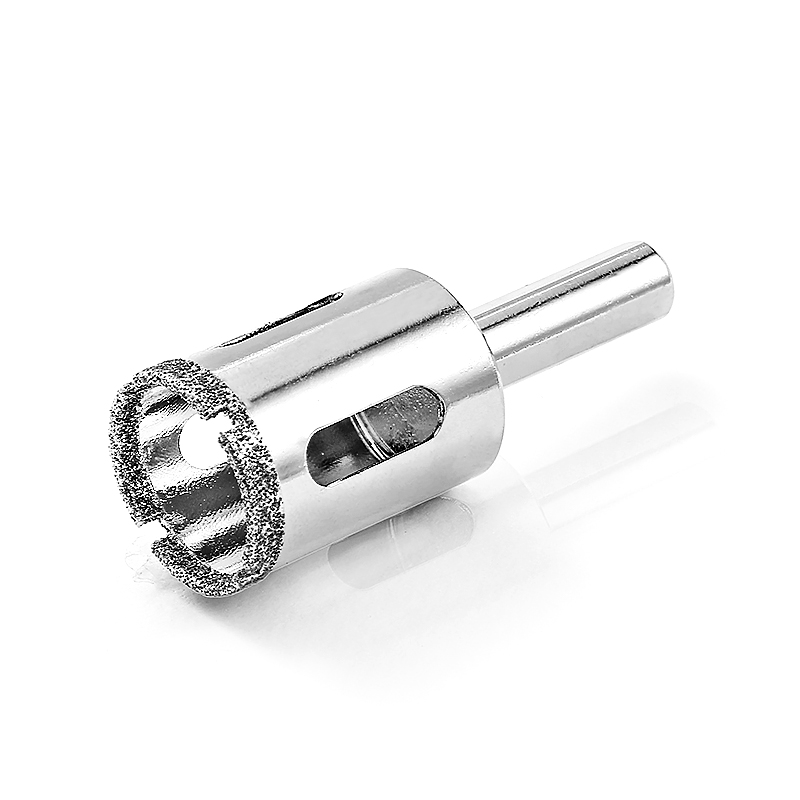
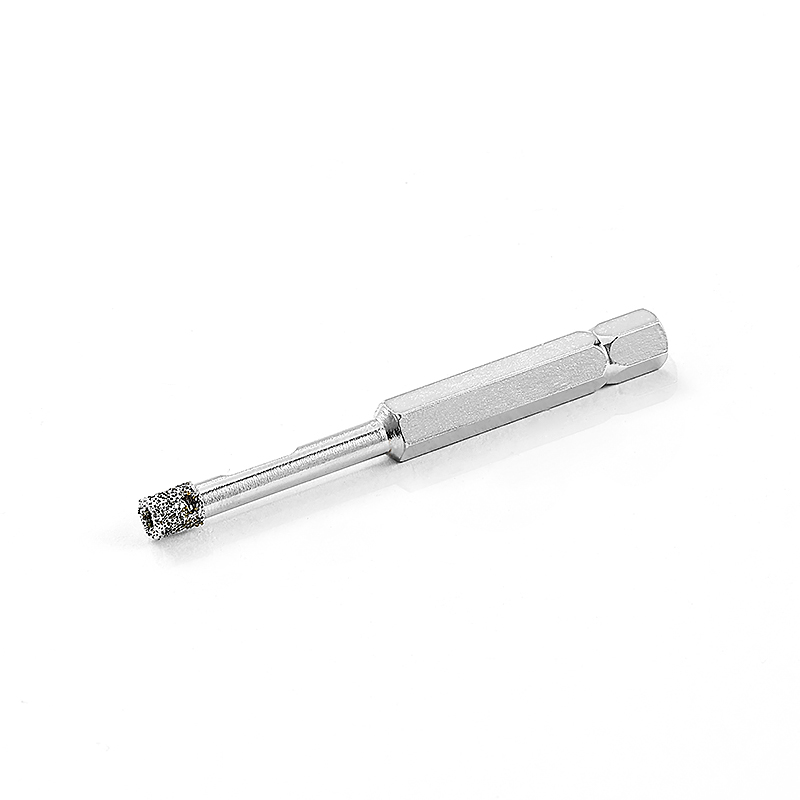
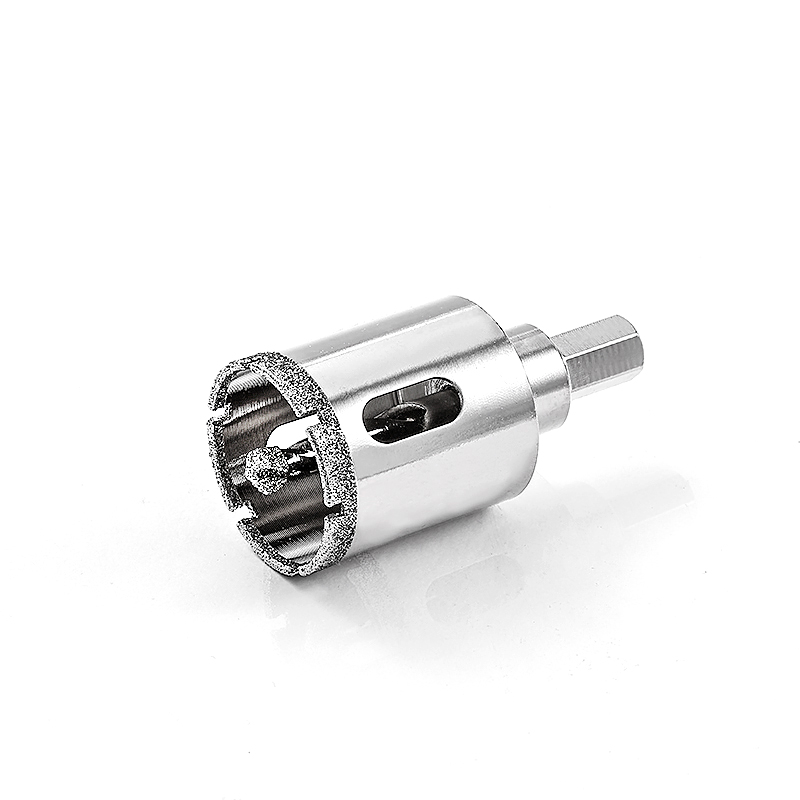
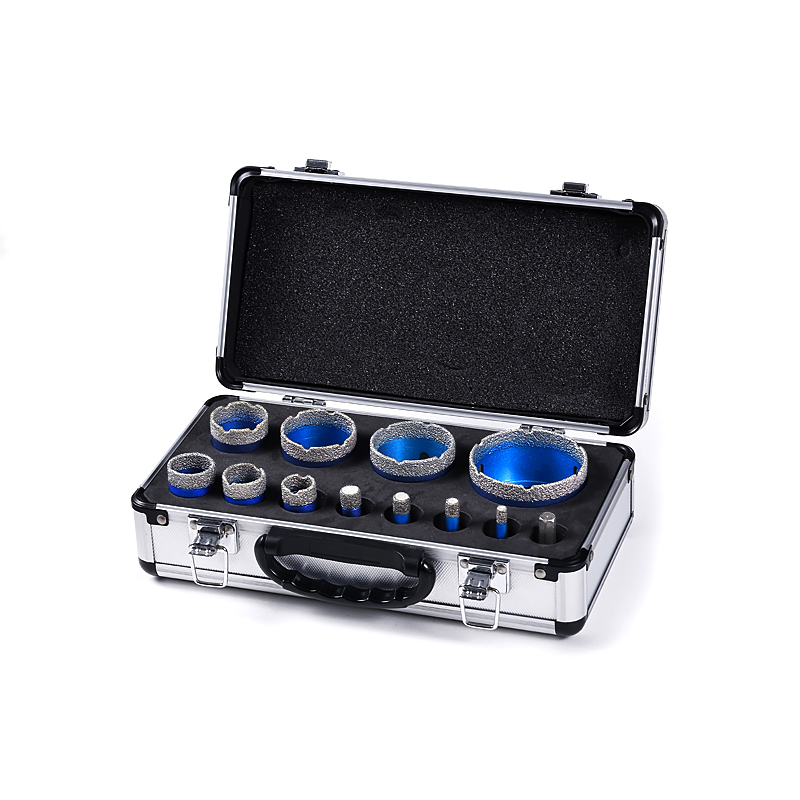
Tile drilling often exposes a weak point in many cutting tools: lateral control. A slick glazed surface combined with high rotational force can easily cause wandering, chipping, or micro-cracks. Among the available tools, the Straight Shank Diamond Hole Saw is widely used for handheld drilling tasks, yet its stability depends on multiple structural and operational factors rather than the tool name alone.
Core structure behind drilling stability
The stability of handheld drilling on tile is strongly influenced by how torque is distributed through the shank and barrel design. Straight shank systems rely on direct chuck engagement, which reduces intermediate adapters and limits concentric deviation.
- Shank diameter commonly ranges from 6mm to 10mm steel core, offering moderate rigidity under rotary load
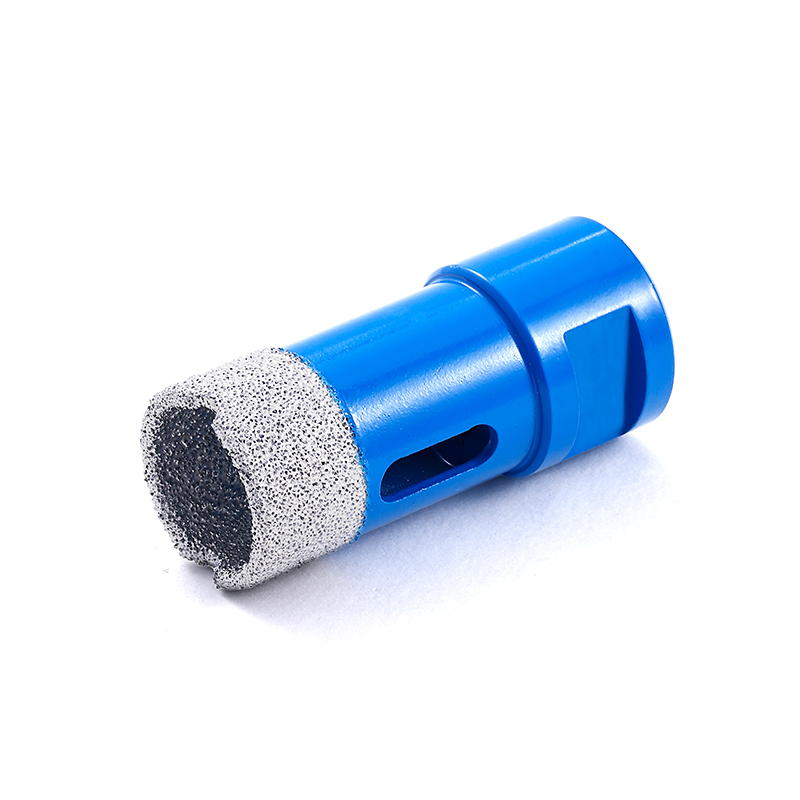
- Coating layer uses electroplated diamond grit or vacuum-brazed segments for abrasive grinding instead of impact cutting
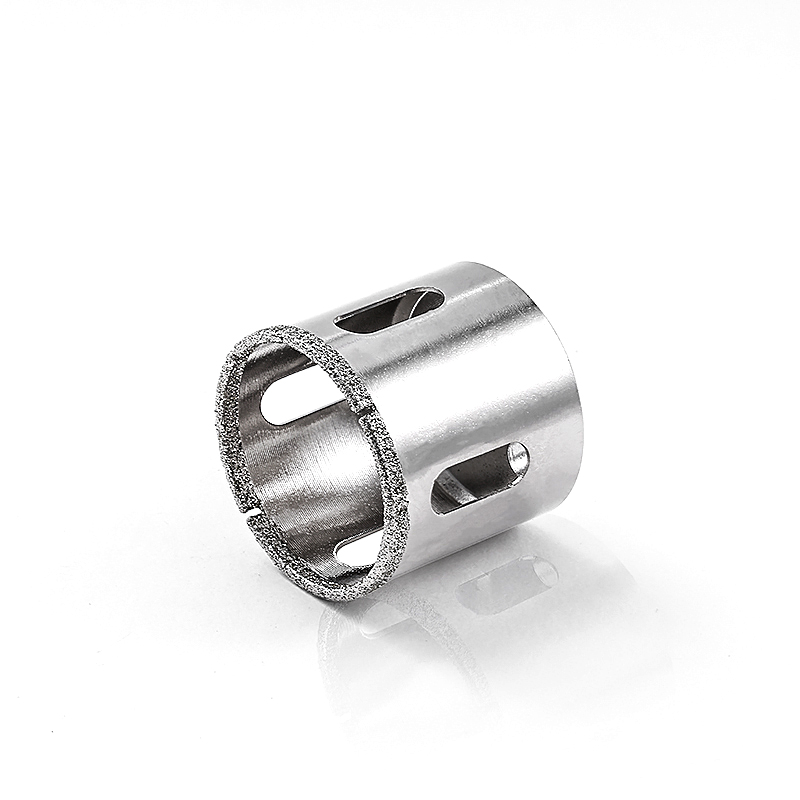
- Barrel wall thickness is typically 0.8–1.5mm to balance strength and debris discharge
These structural elements help reduce vibration transfer, which is critical during handheld operation on brittle ceramic or porcelain tile surfaces.
Tile surface behavior and drill response
Glazed tiles present a low-friction interface, which increases the risk of bit skating at the initial contact stage. The diamond rim does not cut aggressively; it grinds through mineral particles layer by layer. This gradual removal process improves control but demands consistent positioning.
- Porcelain tiles exhibit high density (often >2.3 g/cm³), requiring slower RPM ranges around 400–900
- Ceramic tiles allow slightly higher speed tolerance due to lower vitrification
- Surface glaze increases slip risk during the first 2–3 seconds of contact
Stable handheld drilling depends heavily on controlling this early contact phase rather than continuous cutting force.
Mechanical stability under handheld conditions
Handheld drilling introduces micro-oscillations caused by human grip, tool weight distribution, and rotational imbalance. Straight shank design can either amplify or reduce these effects depending on chuck tightness and drill quality.
- Chuck engagement depth influences wobble; deeper insertion improves concentric accuracy
- Diamond segment continuity (continuous rim vs segmented edge) affects smoothness of cut initiation
- Tool rpm stability plays a larger role than applied pressure in preventing cracking
Research on diamond drilling behavior indicates that abrasive grinding requires steady rotational consistency rather than forceful penetration, which explains why cordless drills with speed control often outperform hammer drills in tile applications.
Cooling influence on handheld precision
Thermal buildup directly impacts both stability and lifespan. Excess heat softens bonding agents holding diamond particles, reducing cutting efficiency and increasing vibration.
- Wet drilling improves rim lubrication and minimizes thermal expansion stress
- Intermittent dipping maintains cutting edge sharpness during handheld operation
- Dry drilling risk includes glaze burning and accelerated diamond loss
Even a small amount of water feed dramatically improves directional control because slurry formation reduces friction spikes during rotation.
Operational technique affecting stability
Handheld control is not solely determined by the tool; operator technique defines whether the hole remains centered or drifts. The Straight Shank Diamond Hole Saw reacts sensitively to pressure imbalance.
- Initial contact angle slightly tilted entry reduces skating risk on glazed surfaces
- Light axial pressure maintains grinding action instead of forced cutting
- Steady hand positioning prevents side-load deformation of the drilling axis
Once a shallow groove is formed, stability increases significantly because the rim gains a guiding track within the tile surface.
Performance limits in handheld applications
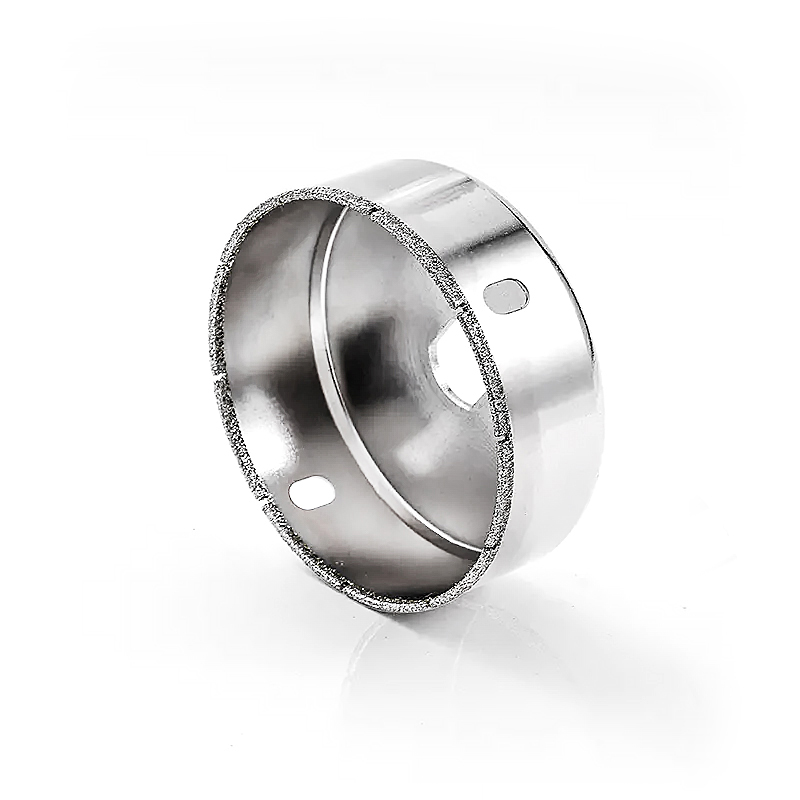
Despite good usability, handheld drilling still has inherent constraints. Large diameter hole saws (above 50mm) introduce greater torque reaction, which can exceed stable hand control without auxiliary support.
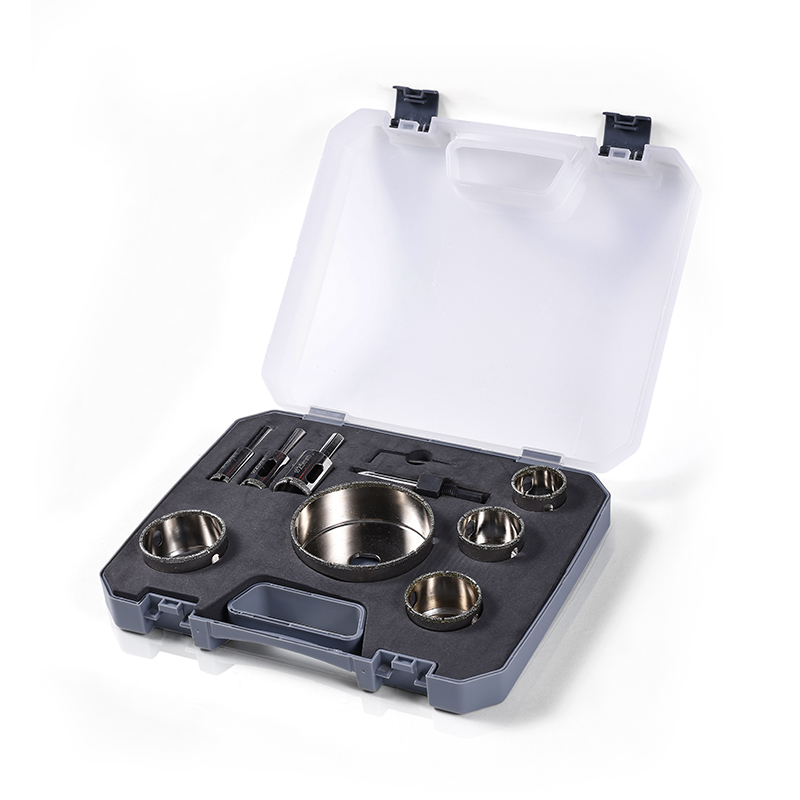
- Small diameter bits (6–25mm) offer higher precision and reduced wobble
- Medium diameters require stronger wrist stabilization techniques
- Large diameters benefit from guide templates or suction jigs
Material thickness also matters; thicker porcelain slabs increase drilling time, which amplifies cumulative deviation risk under handheld conditions.
Handheld drilling on tile surfaces can achieve reliable results with a Straight Shank Diamond Hole Saw, provided tool rigidity, speed control, cooling method, and entry technique are properly balanced. Stability is not a fixed property of the bit alone but a combined outcome of mechanical fit, surface interaction, and operator control during the early cutting stage.