English
 中文简体
中文简体 Español
Why Is Electroplated Diamond Hole Saw Used for Ceramic and Glass Drilling?
Drilling into hard and brittle materials requires tools that can handle resistance without causing cracks or surface damage. Materials like ceramic tiles, glass panels, marble, and porcelain are commonly used in modern construction and interior design, but they also require careful cutting methods. In this context, the Electroplated Diamond Hole Saw has become a widely used tool for precision hole-making tasks.
Unlike standard drill bits, this tool is designed with diamond-coated edges that allow controlled grinding rather than aggressive cutting.
Hard Material Drilling Requirements in Construction
Construction and renovation projects often involve installing pipes, electrical fittings, and fixtures into hard surfaces. These tasks require clean and accurate holes without damaging surrounding material.
An Electroplated Diamond Hole Saw is commonly used in:
- Ceramic tile installation
- Glass panel drilling
- Bathroom fixture setup
- Kitchen countertop modification
- Marble and stone processing
Each application requires careful control of pressure and speed to avoid surface fractures.
Electroplated Surface Technology and Tool Structure
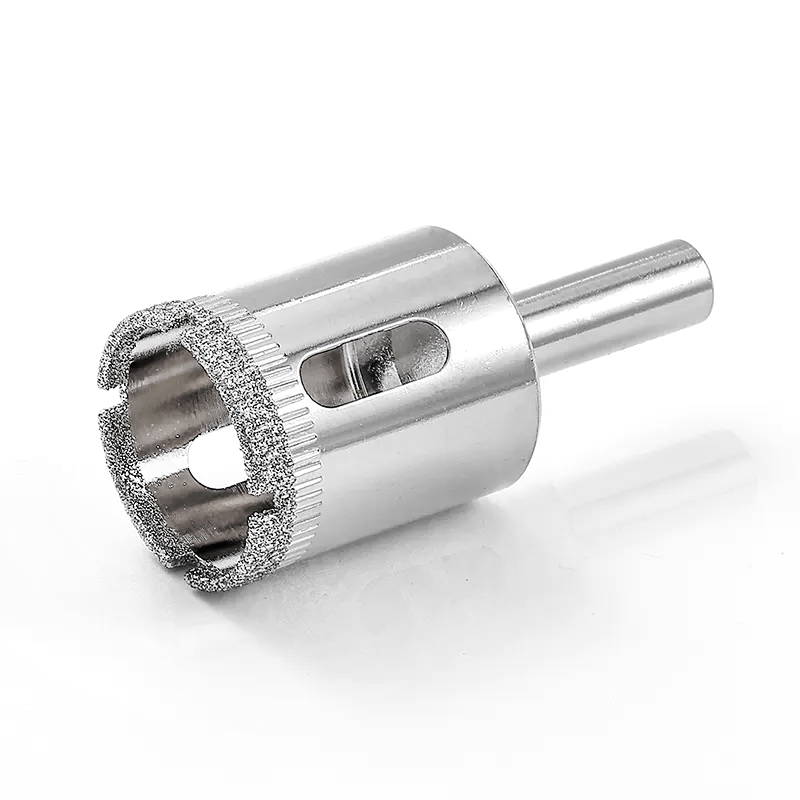
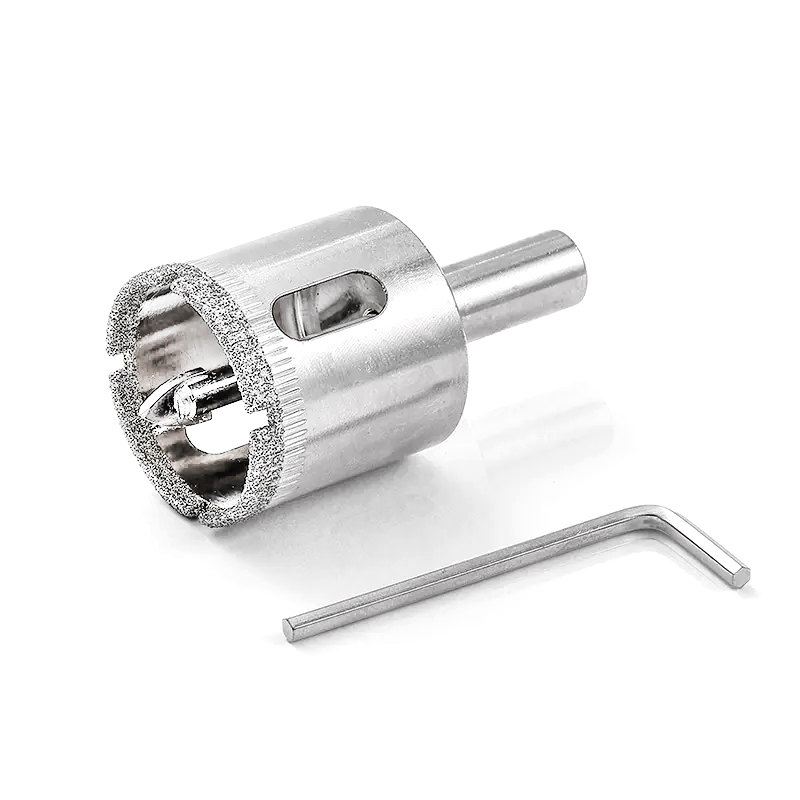
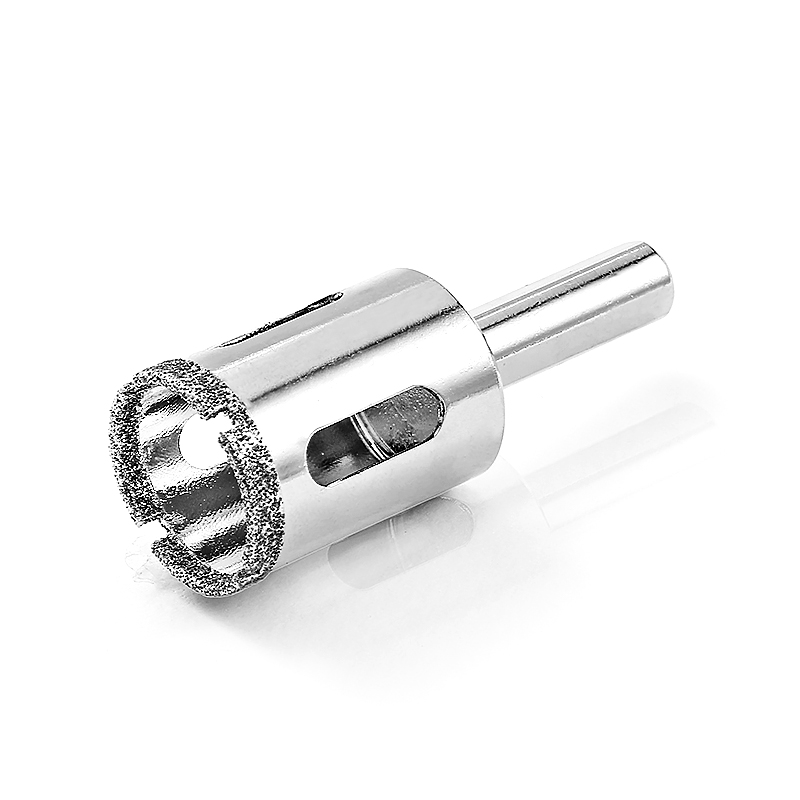
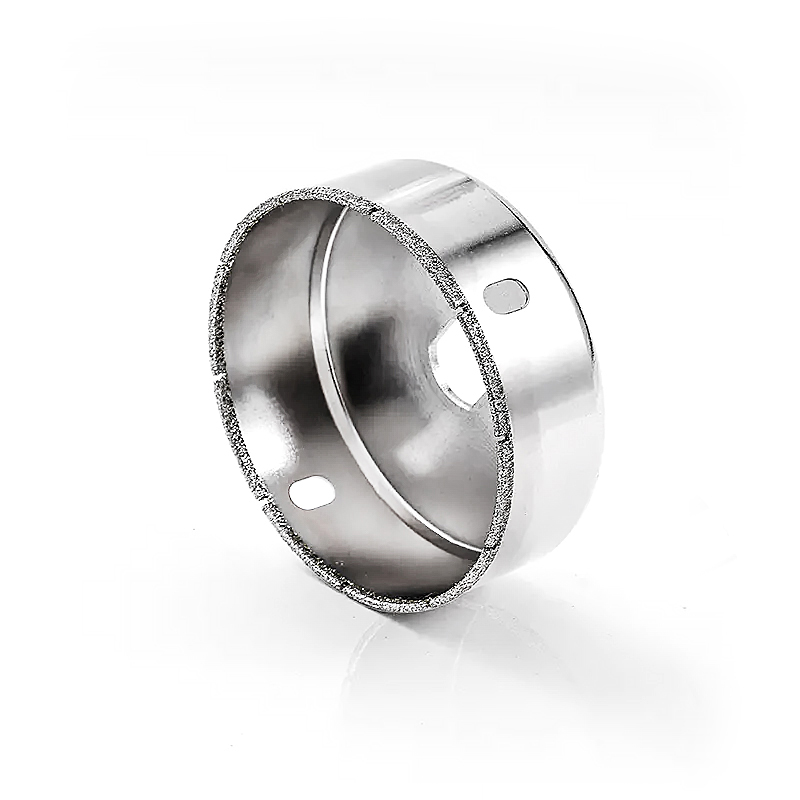
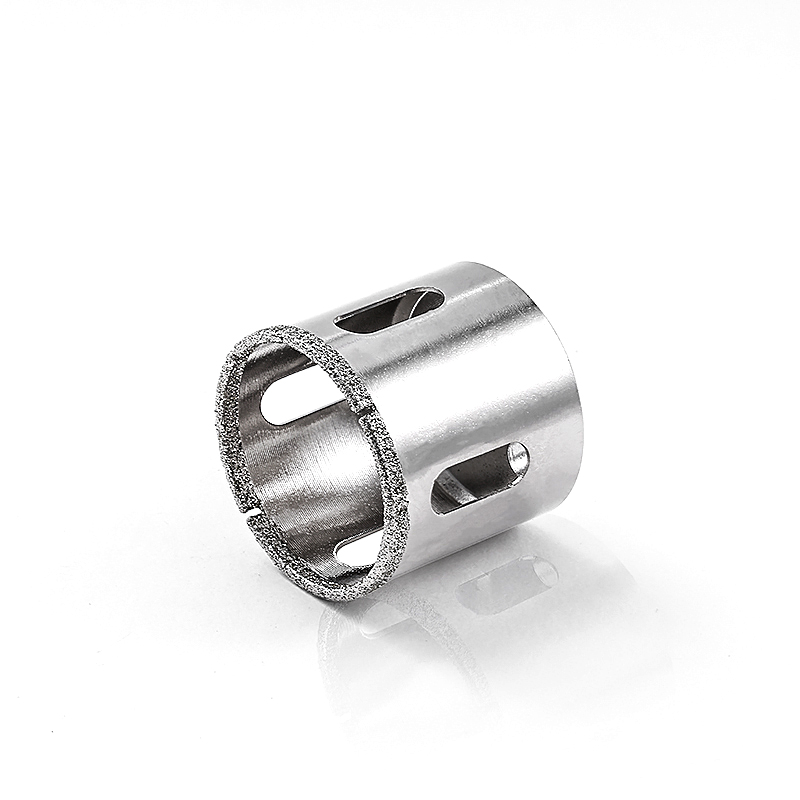
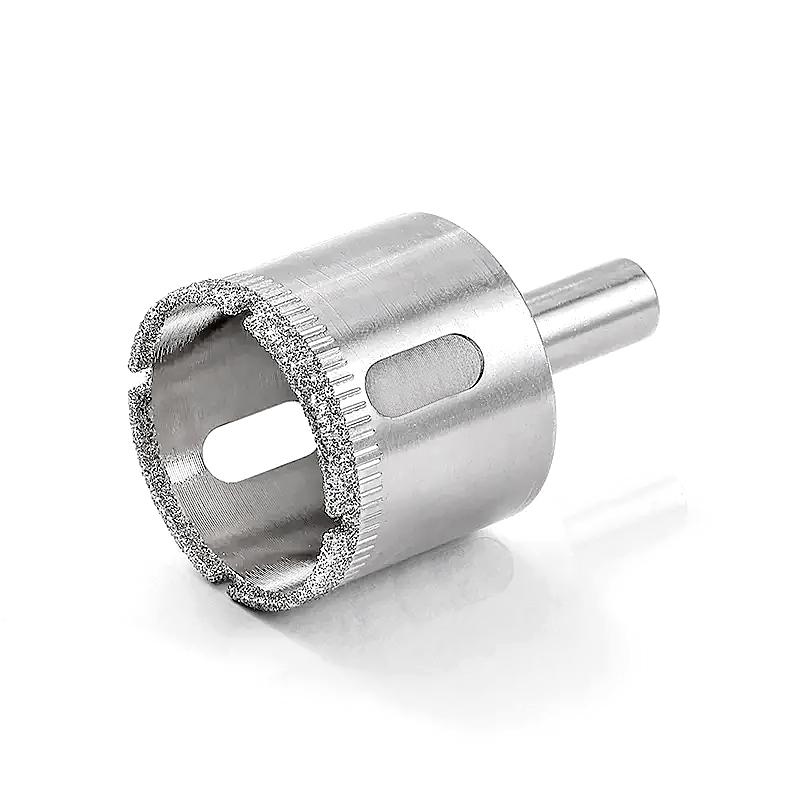
The structure of this tool is based on electroplating, where diamond particles are bonded onto the metal surface of the saw edge. This creates a cutting surface that interacts with hard materials through abrasion.
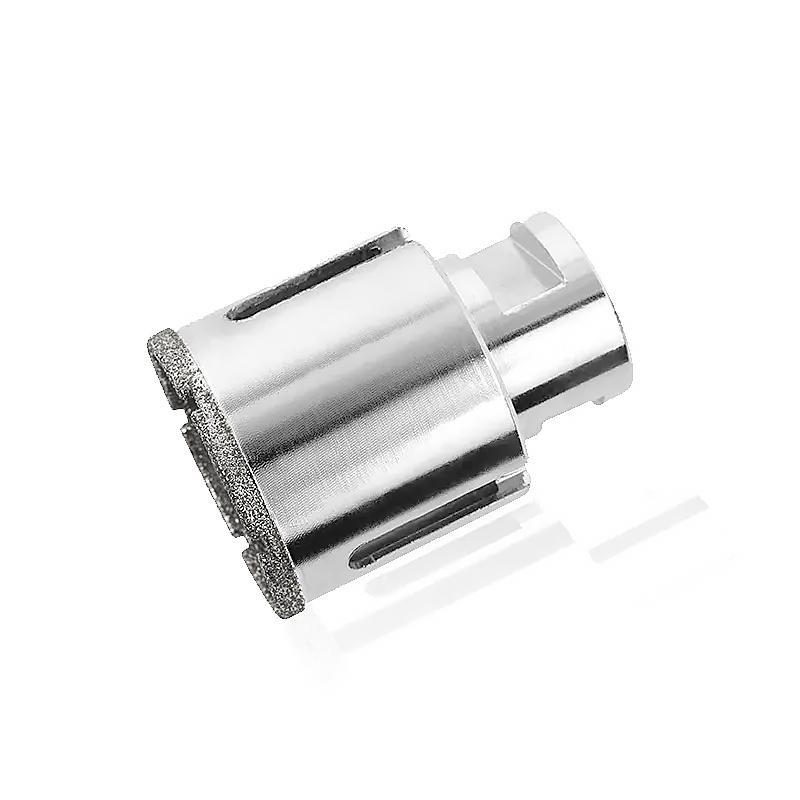
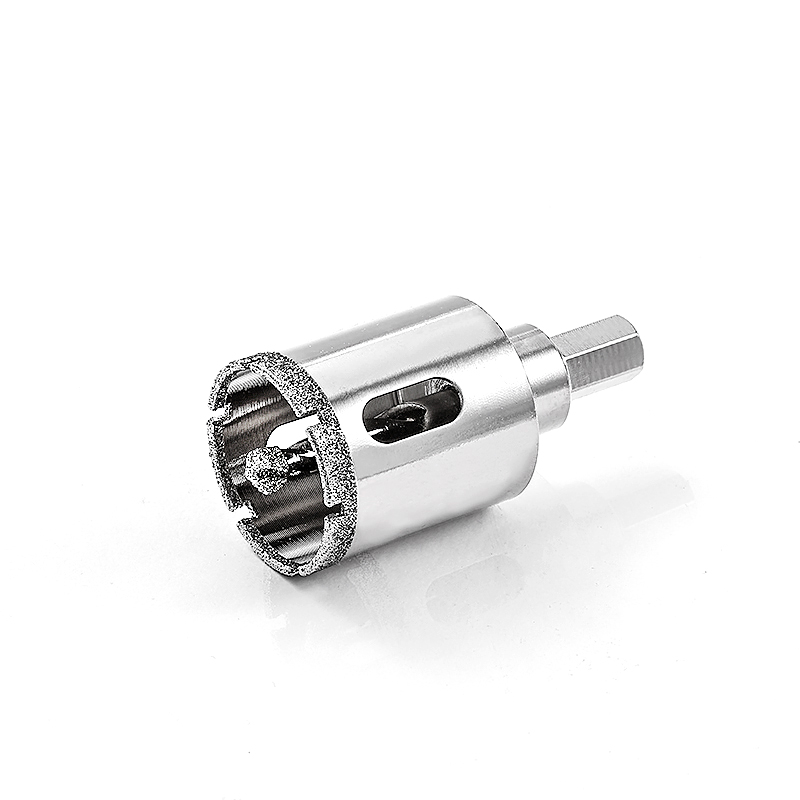
In an Electroplated Diamond Hole Saw, key structural elements include:
- Steel core body for stability
- Diamond-coated cutting edge
- Cylindrical hole-forming shape
- Cooling grooves for water flow
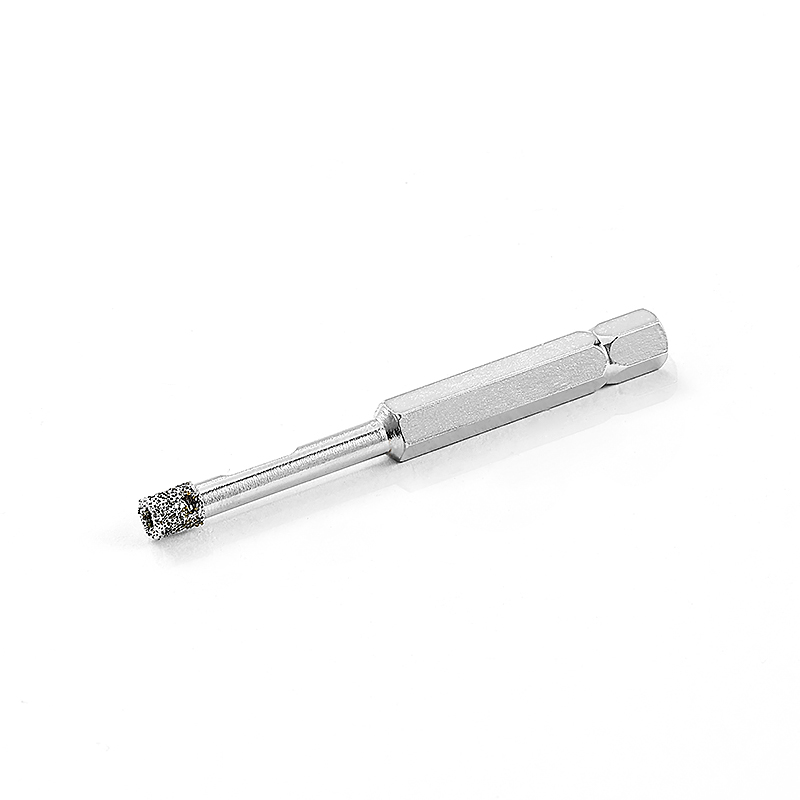
- Standard drill shank for compatibility
This design allows controlled grinding action during drilling rather than force-based cutting.
Precision Control in Fragile Surface Work
One of the main challenges in drilling materials like glass or ceramic is preventing edge cracking. Uneven pressure or fast drilling speed can damage the material surface.
Using an Electroplated Diamond Hole Saw, operators often apply steady pressure and slow rotation speed. Water cooling is also commonly used to reduce heat buildup during the process.
This approach helps maintain smoother hole edges and reduces the risk of material breakage during installation work.
Application in Interior and Construction Projects
As interior design trends continue to use more stone, ceramic, and glass materials, the demand for precision drilling tools has increased. These materials are widely used in bathrooms, kitchens, and decorative wall designs.
The Electroplated Diamond Hole Saw is often used for:
- Faucet installation holes
- Electrical socket openings
- Pipe access drilling
- Decorative fixture placement
- Ventilation outlet preparation
Because these tasks require accuracy, tool stability becomes an important factor in workflow planning.
Usage Practices and Operational Considerations
Proper usage techniques are important to maintain tool performance and material safety. Operators often focus on controlling speed, angle, and cooling conditions during drilling.
An Electroplated Diamond Hole Saw is typically used with:
- Low to medium drill speed
- Constant water cooling
- Stable fixture support
- Gradual pressure application
- Periodic material clearance checks
These practices help reduce overheating and extend tool usability during repeated drilling tasks.
Precision drilling in hard materials continues to play an important role in modern construction and renovation work. As building designs incorporate more ceramic, glass, and stone surfaces, the need for controlled cutting tools becomes more common.
The Electroplated Diamond Hole Saw supports this requirement by offering a stable grinding-based cutting method suitable for brittle surfaces. Its structure and application method make it a practical option for detailed installation work in both residential and commercial projects.