English
 中文简体
中文简体 Español
Will a Diamond Hole Saw for Grinder Cut More Than Tile
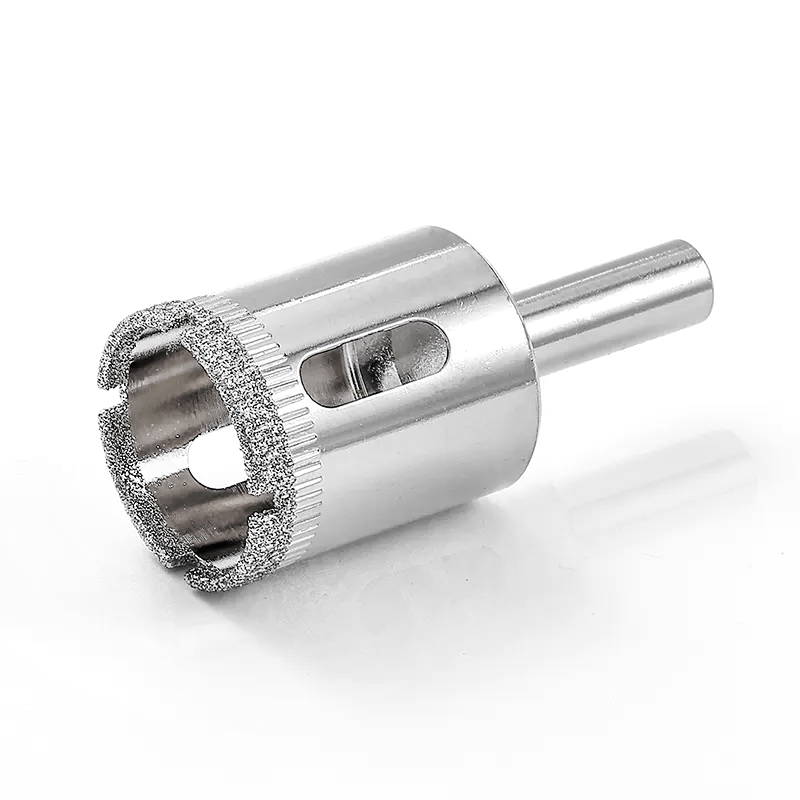
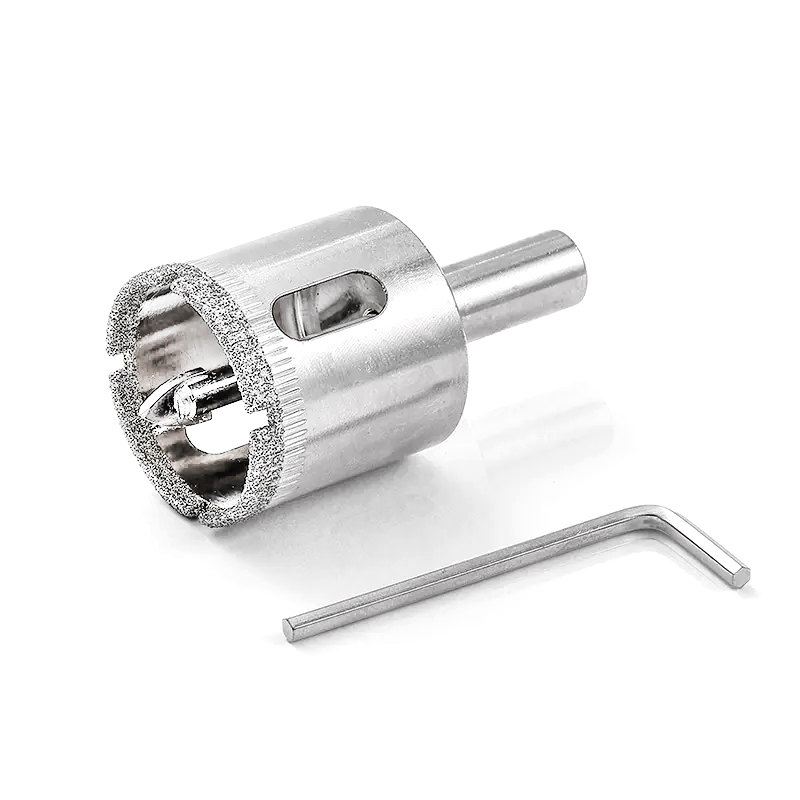
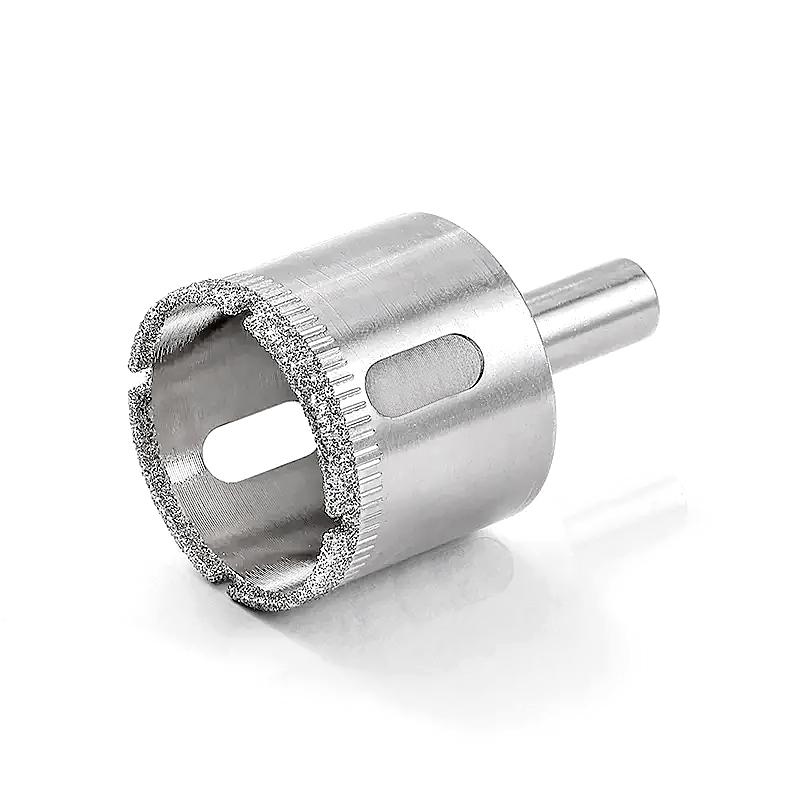
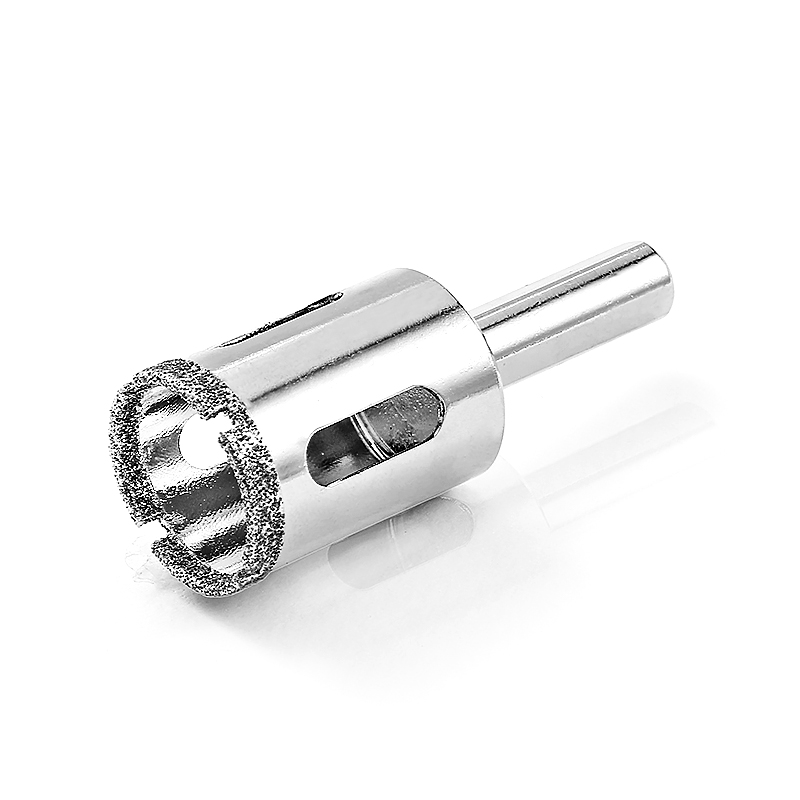
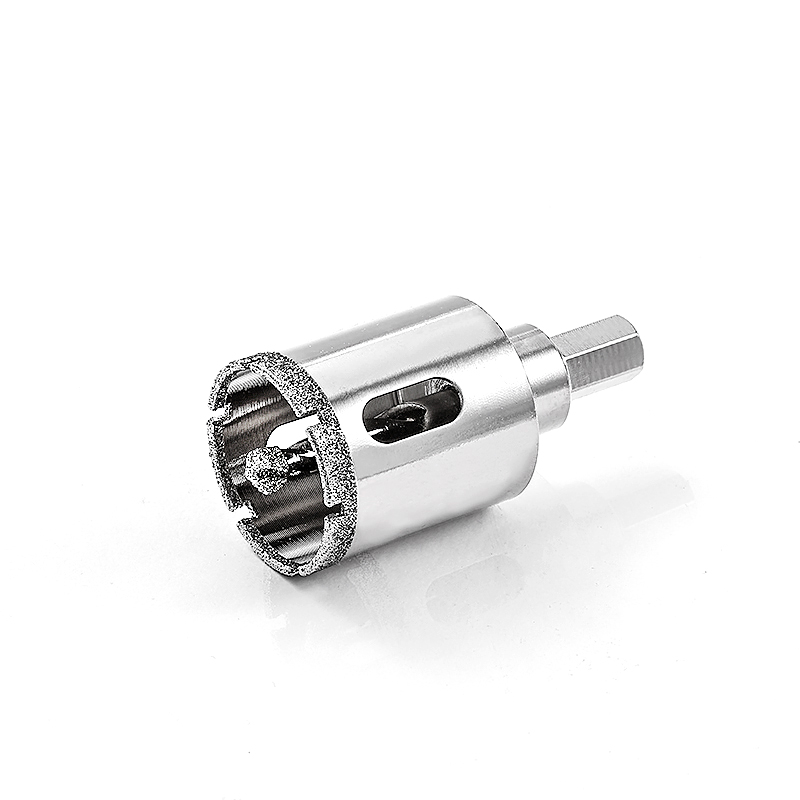
Tile installation is only part of the work handled by a diamond hole saw for grinder. Modern diamond cutting accessories can also create circular openings through porcelain, granite, marble, quartz surfaces, engineered stone, and other hard materials. This broader material range makes the tool relevant to bathroom installation, countertop fabrication, plumbing work, and stone processing.
Beyond Ceramic and Porcelain Tile
Hard tile remains a common application, yet the cutting surface can suit several denser materials. Product specifications across diamond hole saw ranges commonly list porcelain tile, ceramic tile, granite, marble, and glass tile as compatible materials. Certain vacuum-brazed designs also target quartz and engineered stone.
- Porcelain tile: Dense porcelain benefits from an exposed diamond cutting edge capable of handling hard surfaces.
- Granite: Circular holes can be created for faucets, plumbing connections, and countertop fixtures.
- Marble: Diamond grit can form openings without relying on conventional toothed hole-saw designs.
- Quartz and engineered stone: Vacuum-brazed diamond designs are available for certain stone-opening applications.
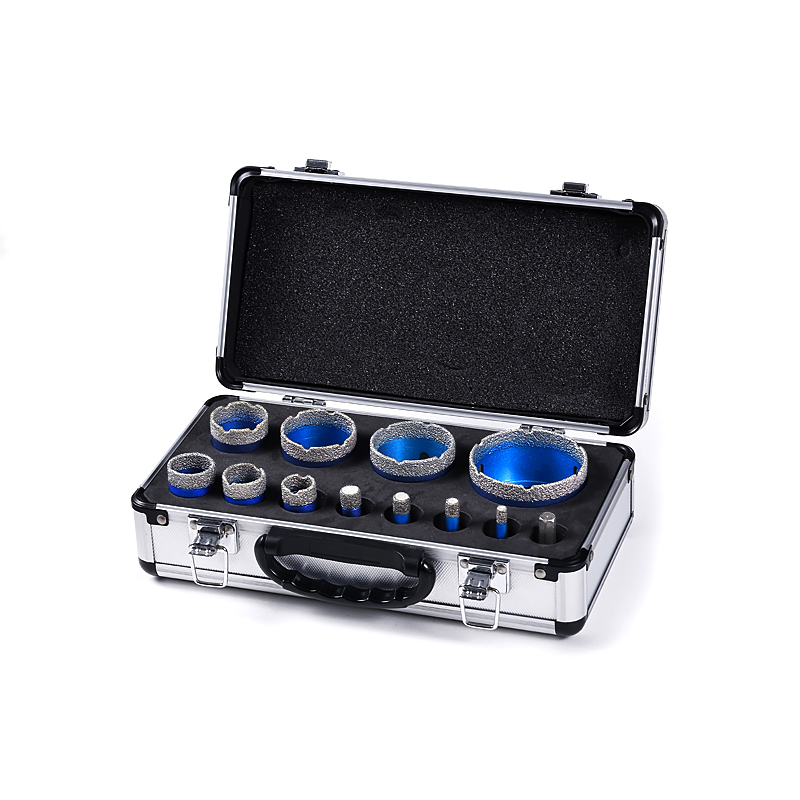
Hole Diameter Changes the Application
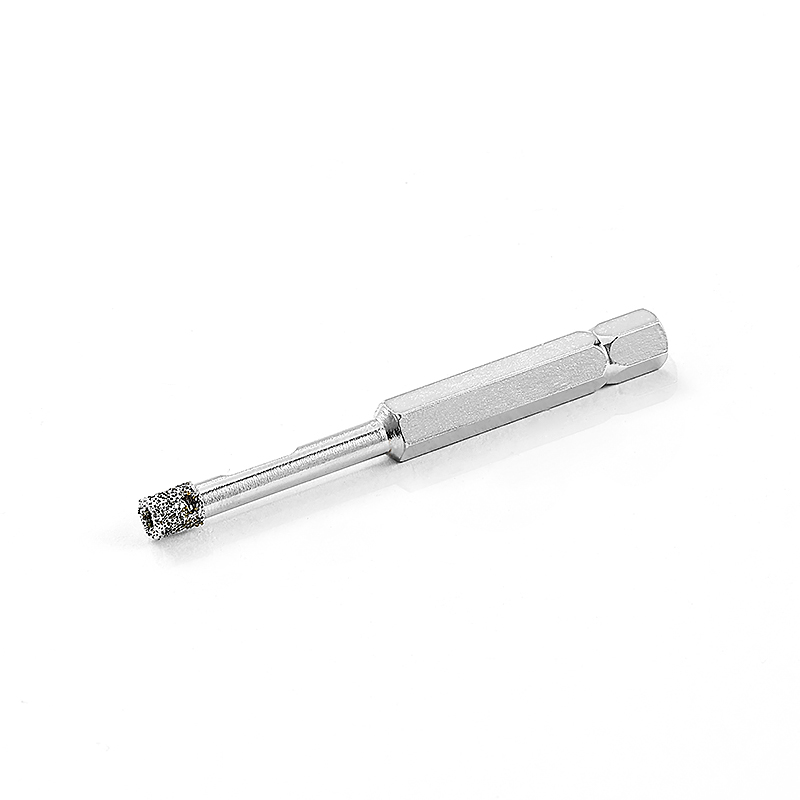
Diameter is another factor that gives a diamond hole saw for grinder a wider range of uses. Compact sizes can handle small pipe or fixture penetrations, while larger diameters suit countertop and plumbing openings.
- 25 mm or 1 inch sizes can suit smaller plumbing and fixture penetrations.
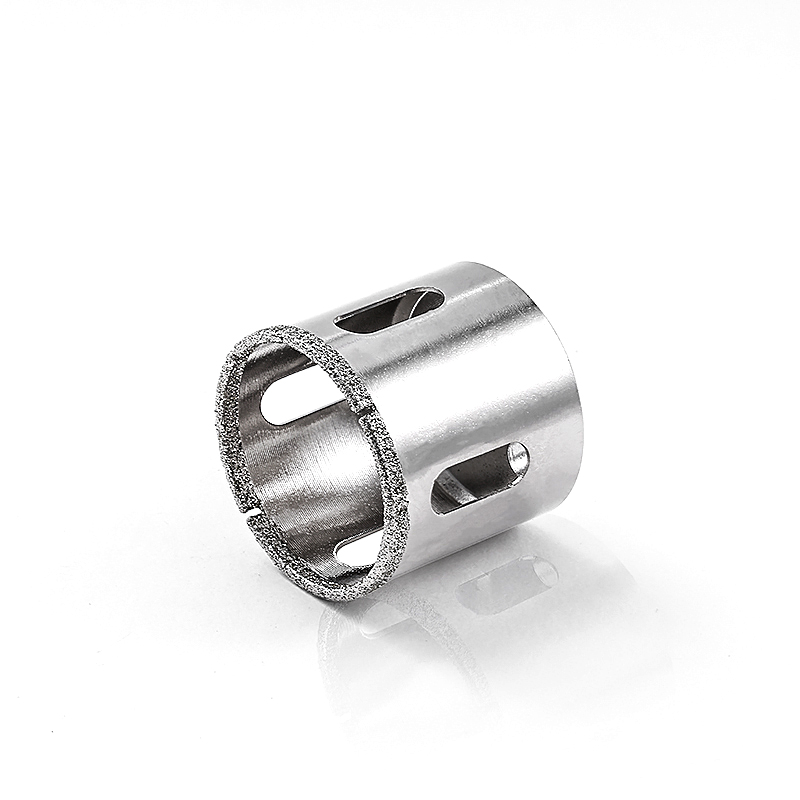
- 35 mm or 1-3/8 inch sizes are commonly associated with faucet and bathroom fixture openings.
- 50 mm or 2 inch sizes provide more room around larger pipes and fittings.
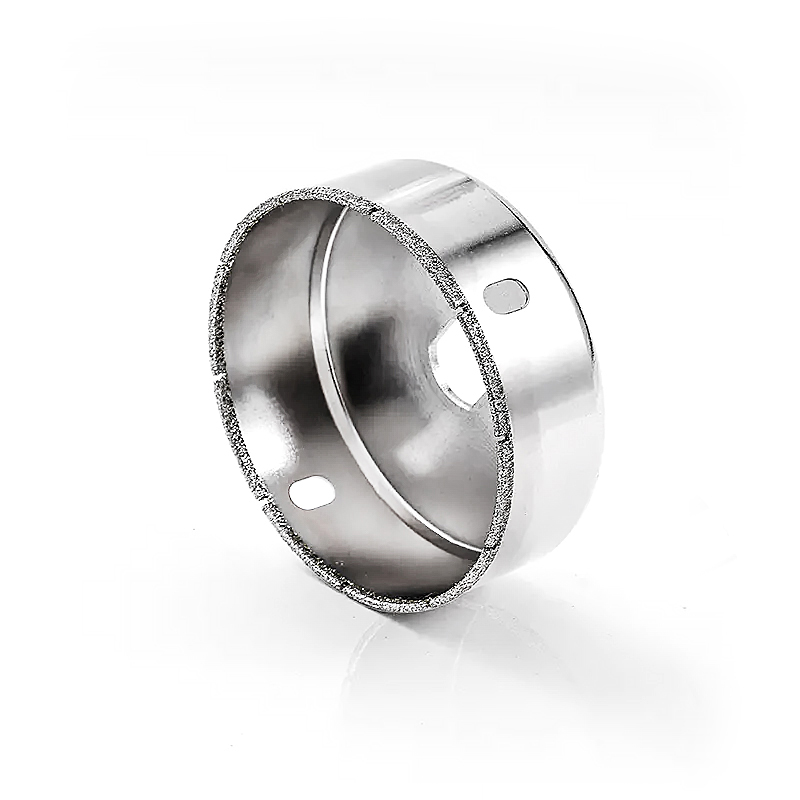
- 100 mm-class designs can address larger penetrations used around drains, vents, and mechanical openings.
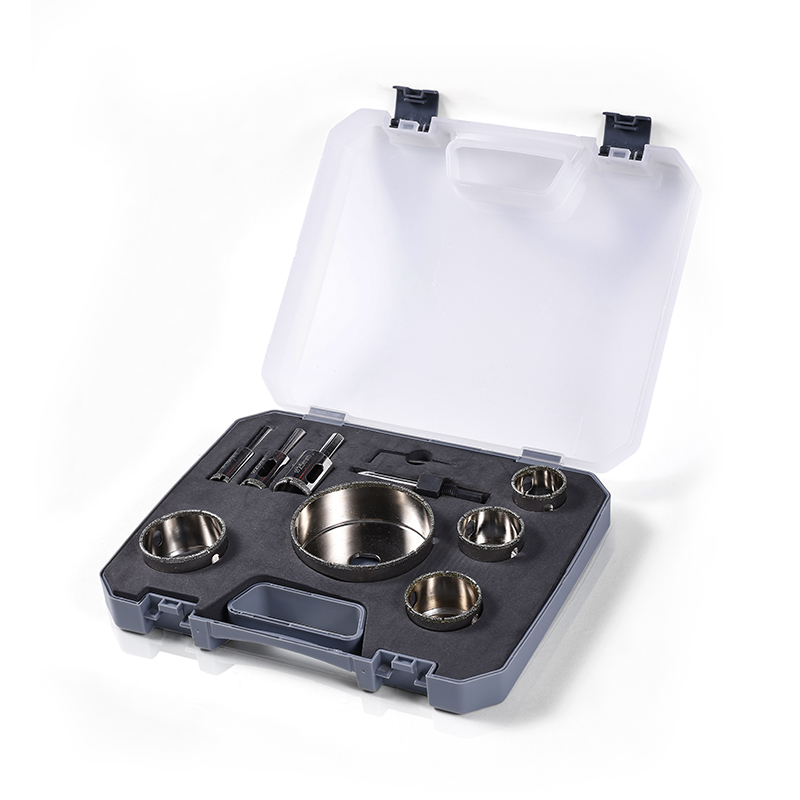
Commercial diamond hole saw ranges also include sizes such as 1/4 inch, 5/16 inch, 1 inch, 1-3/8 inch, 2 inch, 2-1/2 inch, and 4 inches.
Why Grinder Compatibility Matters
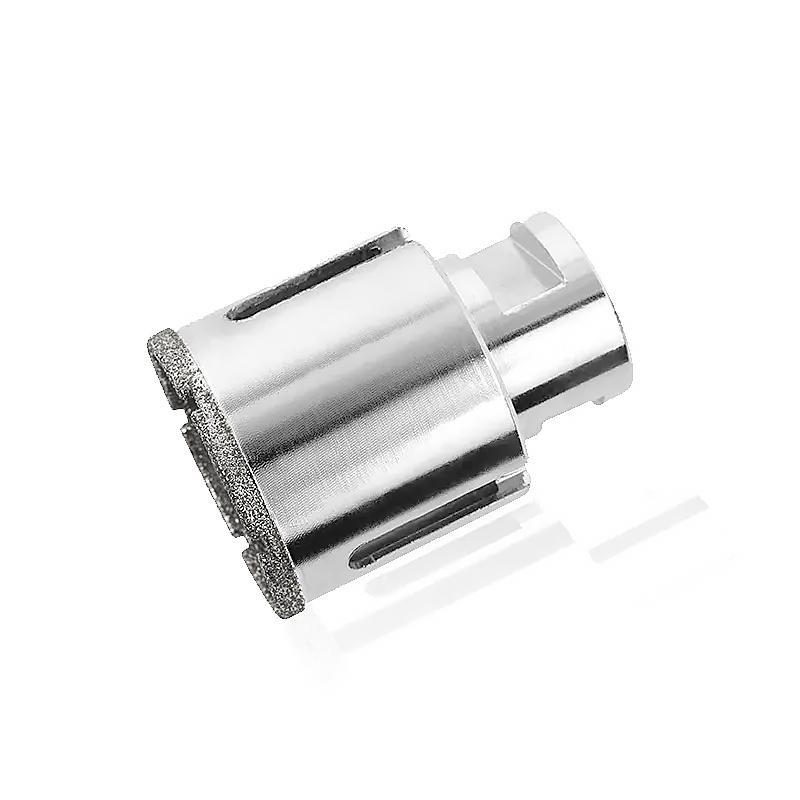
Not every diamond hole saw uses the same connection. Grinder-oriented models can feature direct threaded mounting, with 5/8"-11 appearing as a common connection specification on several products. This setup allows the hole saw to attach directly to a compatible angle grinder spindle without a conventional drill chuck.
Some product designs are also rated around specific operating speeds. One published specification recommends approximately 8,000–12,000 RPM for its grinder hole saw range. Checking the tool's rated speed and spindle connection remains essential before use.
Can It Handle Granite Countertops?
Granite presents a different cutting challenge from standard ceramic tile. A suitable diamond hole saw can create circular openings through granite, but the accessory remains a hole-cutting tool rather than a replacement for a diamond blade designed for straight countertop cuts. Material thickness and stone composition also affect suitability.
This distinction matters during countertop fabrication. A faucet opening, pipe penetration, or fixture hole has a different cutting requirement from trimming an entire countertop edge.
Dry or Wet Cutting?
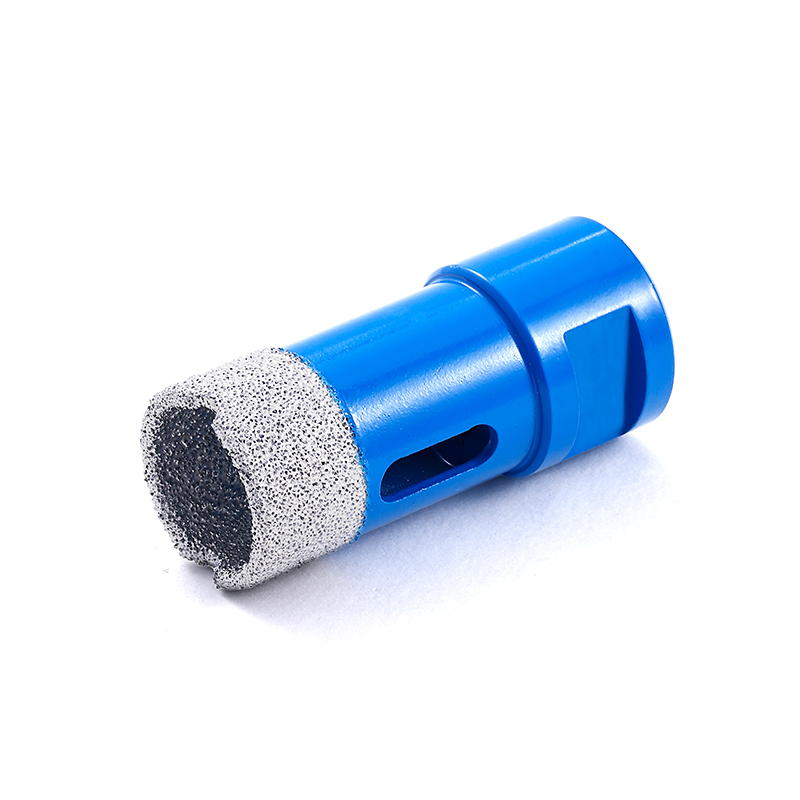
Cooling requirements vary by hole saw construction. Some grinder models are designed for dry use and may incorporate wax or other cooling features within smaller cutting sizes. Other diamond hole saws support wet cutting, with water helping control heat during demanding applications.
- Dry-compatible designs: Useful for applications where a separate water delivery system is impractical.
- Wet-compatible designs: Suitable for jobs where additional cooling is preferred, particularly across dense stone surfaces.
- Wet/dry models: Offer greater flexibility across different installation environments.
More Than a Tile-Cutting Accessory
A diamond hole saw for grinder can extend well beyond conventional tile work. Its value comes from matching the diamond cutting structure, diameter, mounting thread, operating speed, and wet/dry design to the material and hole requirement. Porcelain, granite, marble, quartz, and engineered stone can all become potential applications, provided the specific tool is rated for the material.
That makes the product relevant to more than tile installers. Countertop fabricators, plumbing contractors, bathroom installers, stone workshops, and renovation teams can also use grinder-mounted diamond hole saws for specialized circular openings.