English
 中文简体
中文简体 Español
Tile Hole Saw Drill Bits: Which Holes Need a Different Edge
Not every circular opening places the same demand on a cutting edge. A small hole for a wall anchor differs greatly from a larger opening for a shower valve, drain, or faucet. Material hardness, hole diameter, tile thickness, and edge finish all influence the design of a tile hole saw drill bit.
Understanding these differences helps installers and distributors match the cutting edge with the actual job instead of treating every tile hole as the same application.
Small Holes Need Controlled Cutting
Small-diameter openings leave limited room for correcting an uneven cut. A slight movement at the beginning of drilling can shift the hole away from its intended position, especially across glossy glazed surfaces.
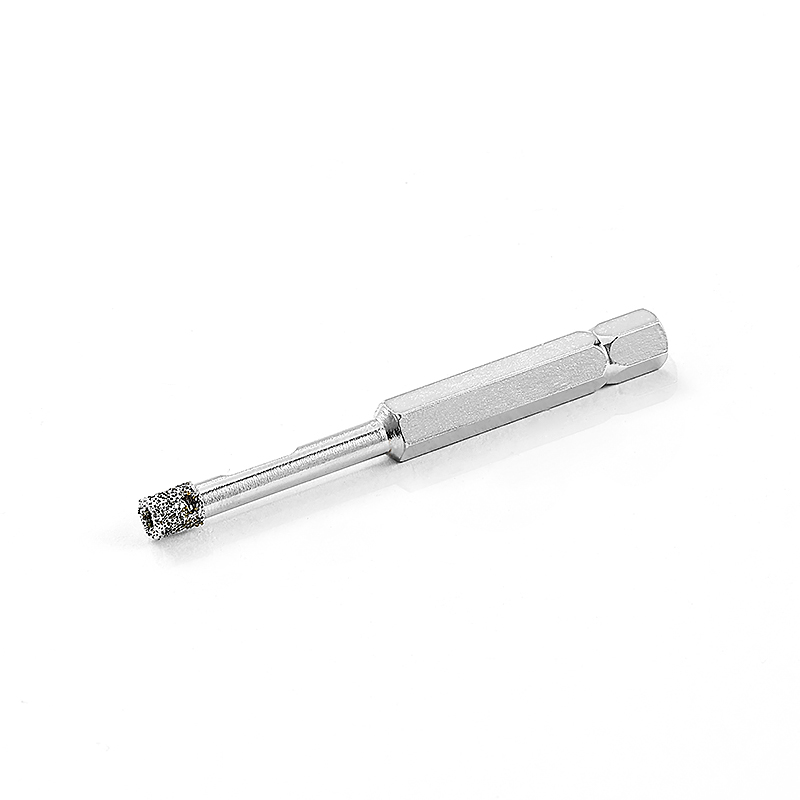
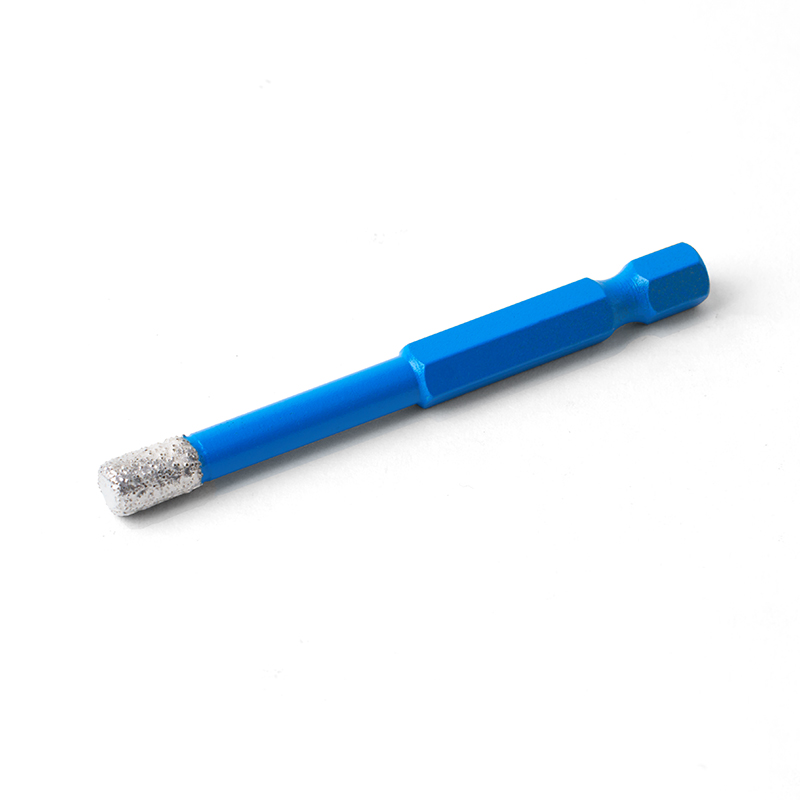
- Small diameters: Suitable for anchors, screws, brackets, and compact plumbing penetrations.
- Thin cutting rims: Remove less material around the opening and can help maintain a clean circular profile.
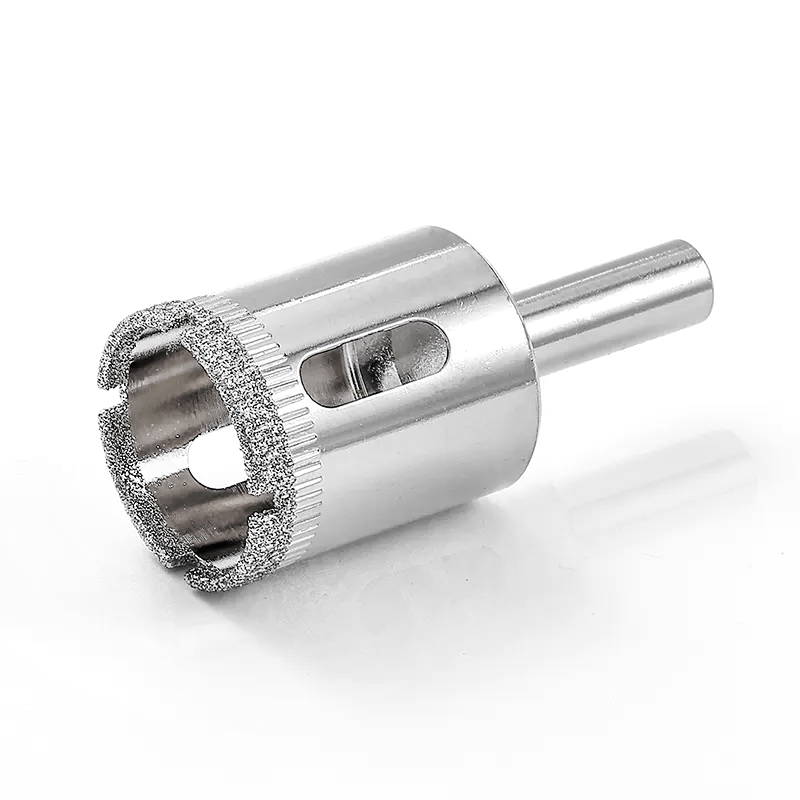
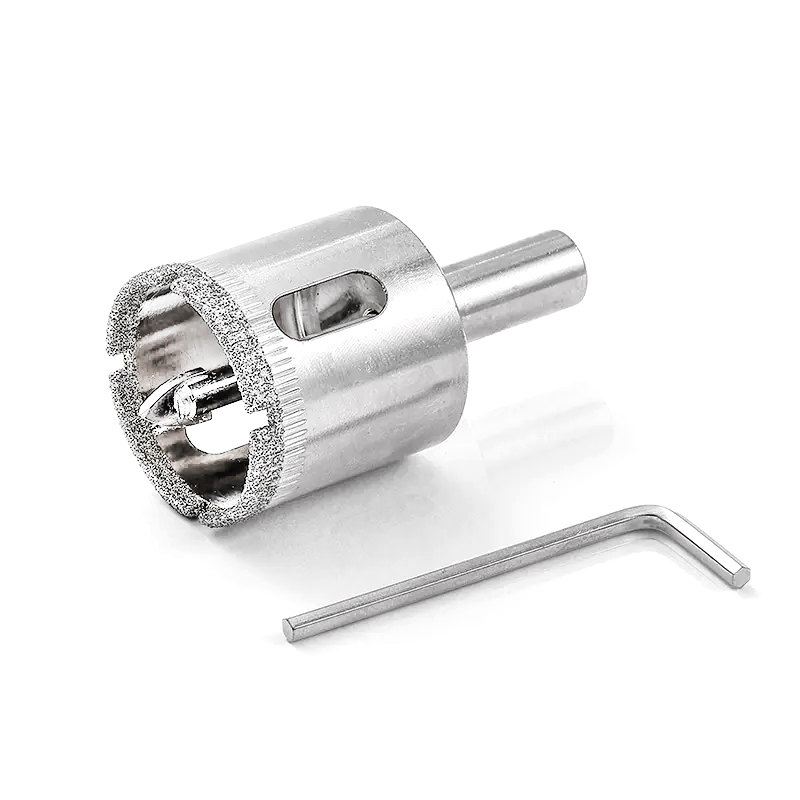
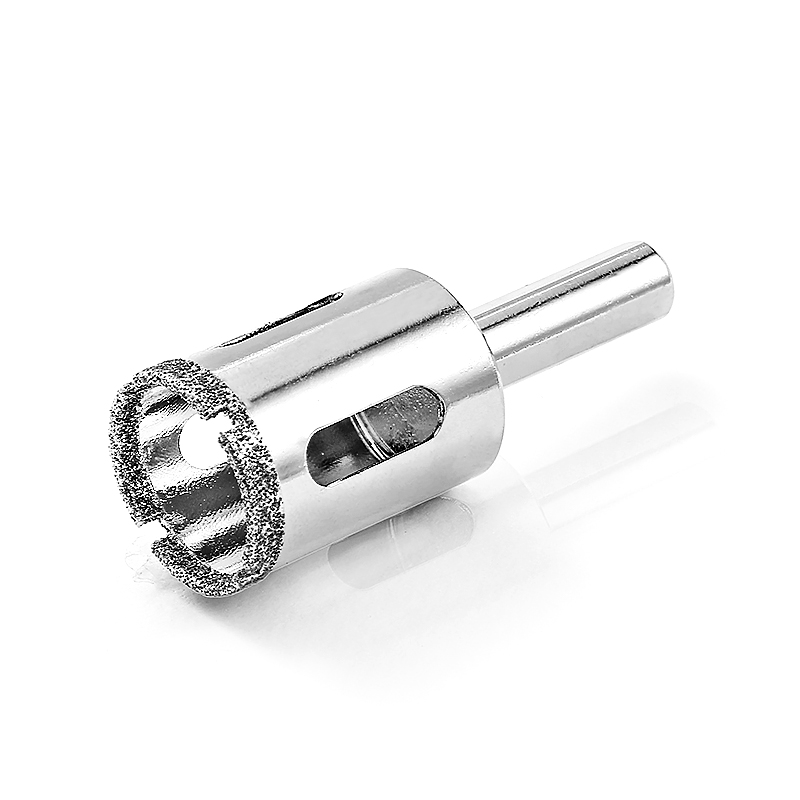
- Diamond-coated edges: Grind hard ceramic surfaces rather than relying on conventional drilling action.
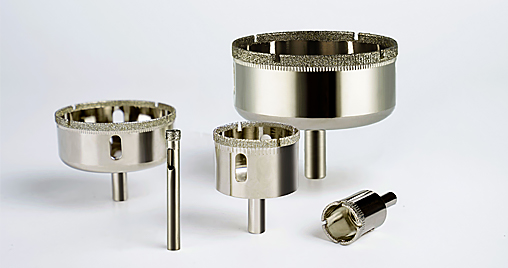
Diamond hole saw products are available in compact sizes such as 3/8 inch, with some designs using brazed diamond edges for tile and stone applications.
Larger Holes Put More Pressure on the Rim
Large openings create a different cutting environment. A 35 mm hole for a bathroom fixture and a 110 mm opening for a drain cannot be treated as identical jobs. Larger rims contact more material, so edge construction, cooling capacity, and debris removal become increasingly important.
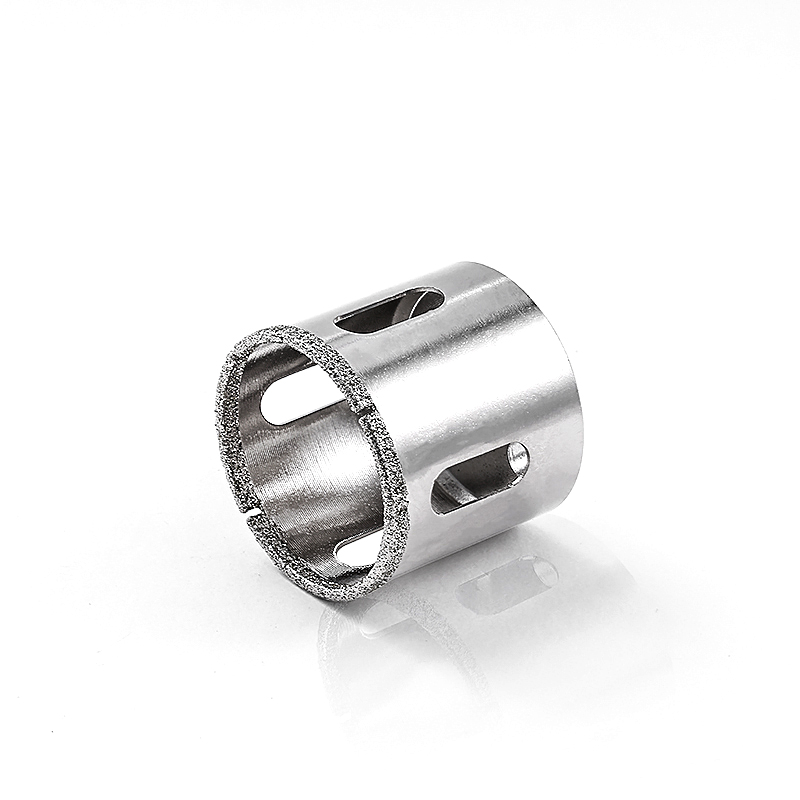
- Fixture holes: Common sizes around 30–40 mm can suit faucets, shower controls, and similar fittings.
- Pipe openings: Larger diameters provide clearance around plumbing connections.
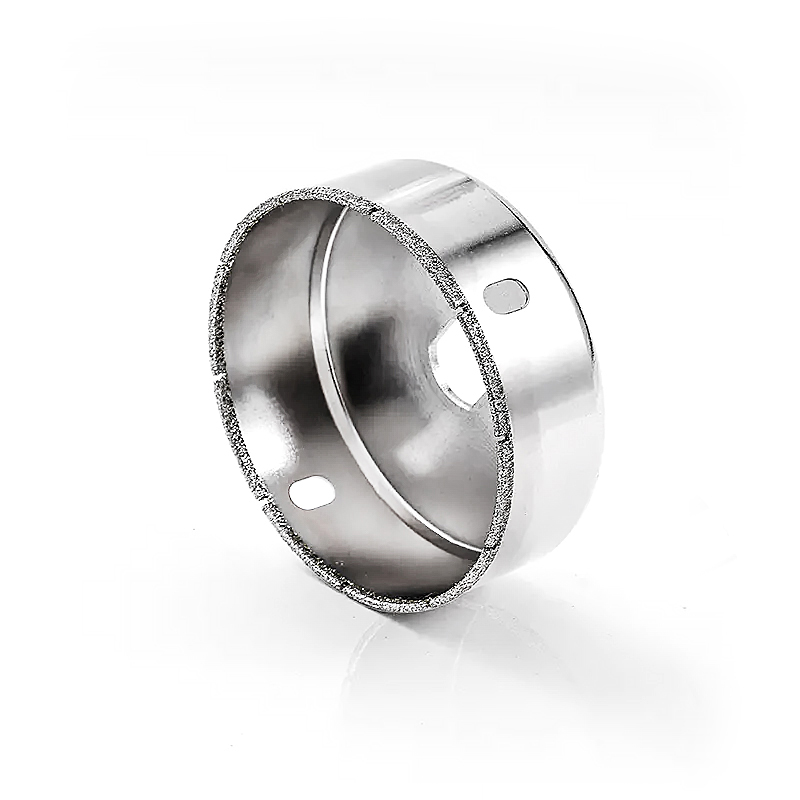
- Drain openings: Large-format cutting requires stable guidance and a rim designed for extended contact with the tile.
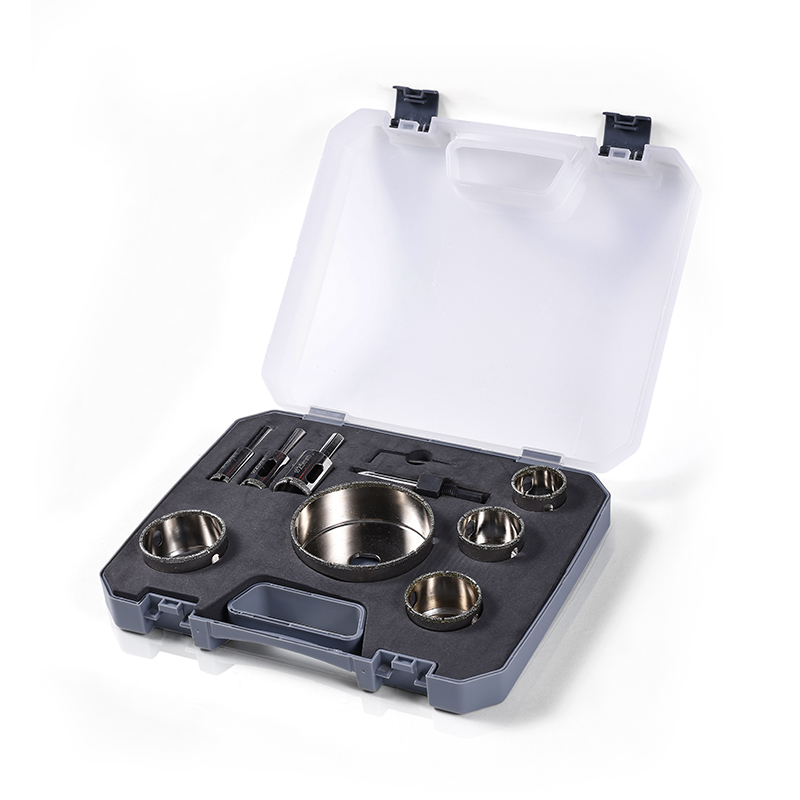
Commercial hole saw ranges extend from small openings to diameters above 100 mm, making size availability an important part of a professional tile-drilling range.
Continuous Edges Suit Visible Tile Surfaces
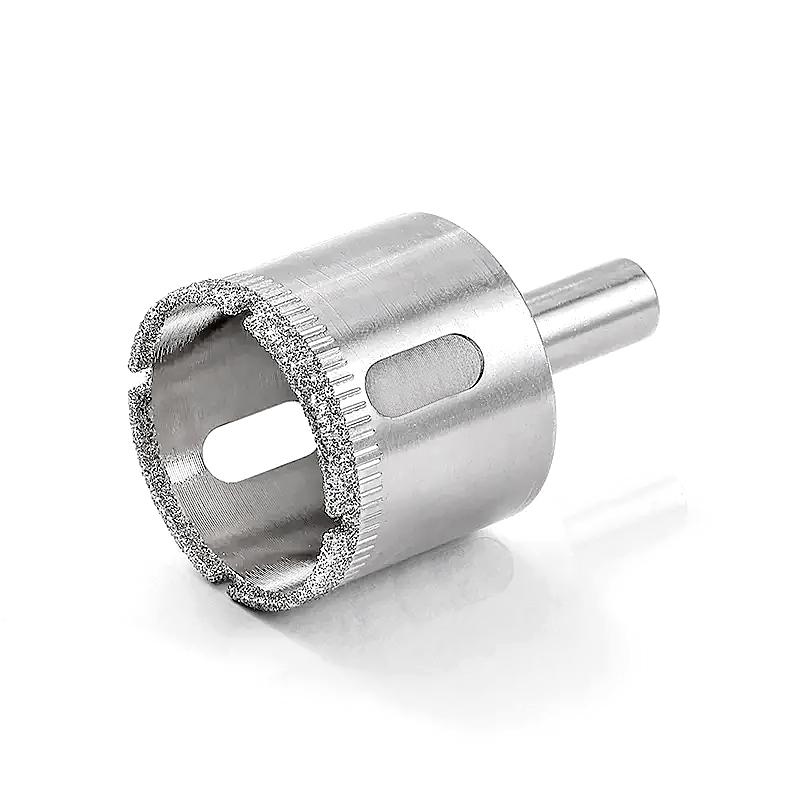
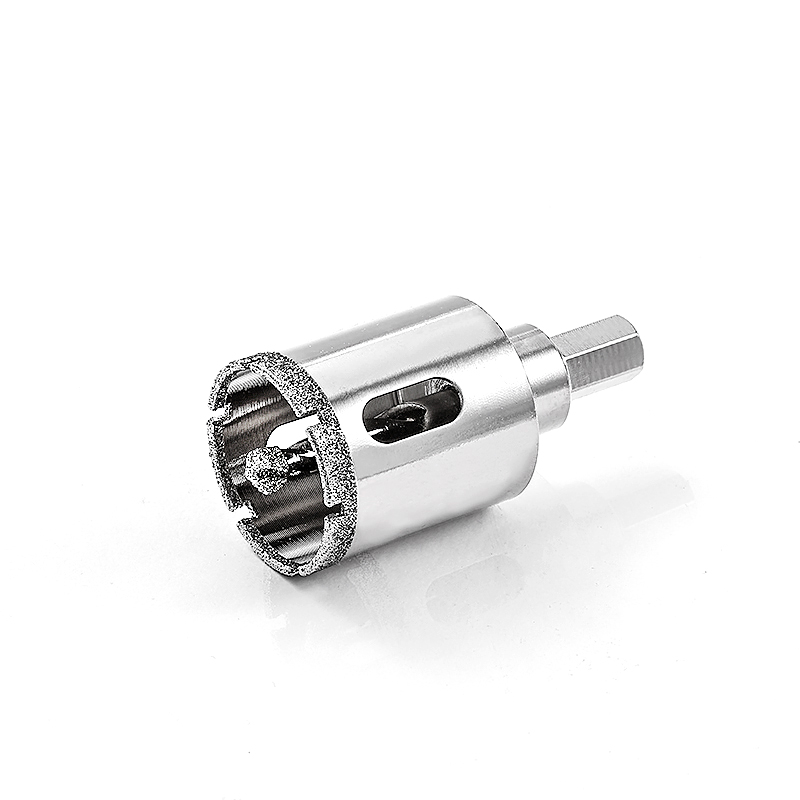
Edge configuration has a direct connection with the appearance of the finished hole. A continuous diamond rim maintains contact around the circumference rather than separating the cutting surface into individual segments.
This design can be particularly useful on porcelain, polished ceramic, glass tile, and other surfaces where edge appearance matters. Continuous rims are commonly associated with smoother cutting characteristics, while segmented designs provide different debris-clearing behavior.
- Continuous rim: Suitable for applications where a neat hole edge is a key requirement.
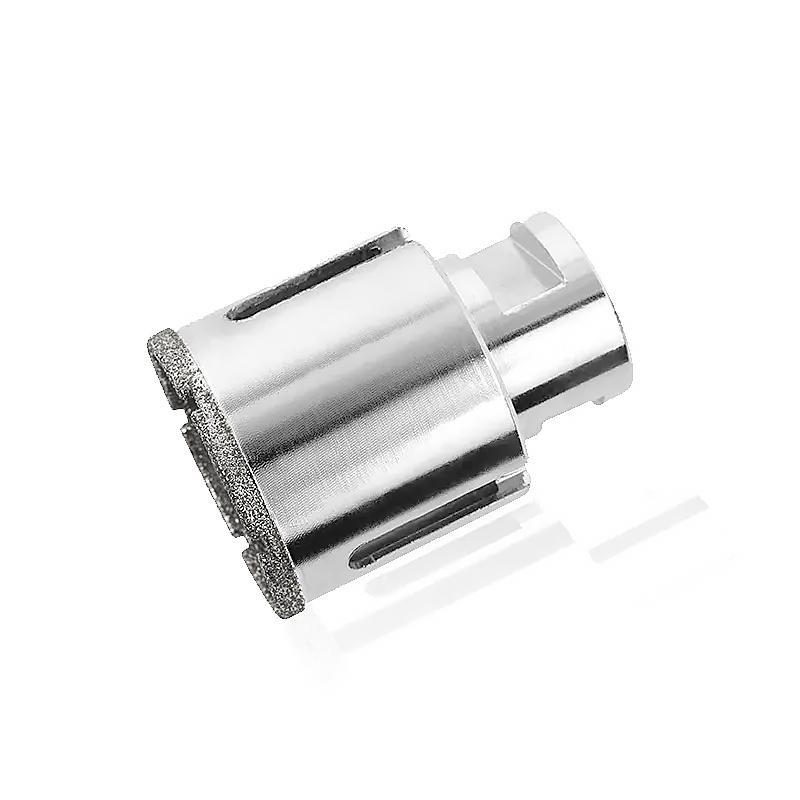
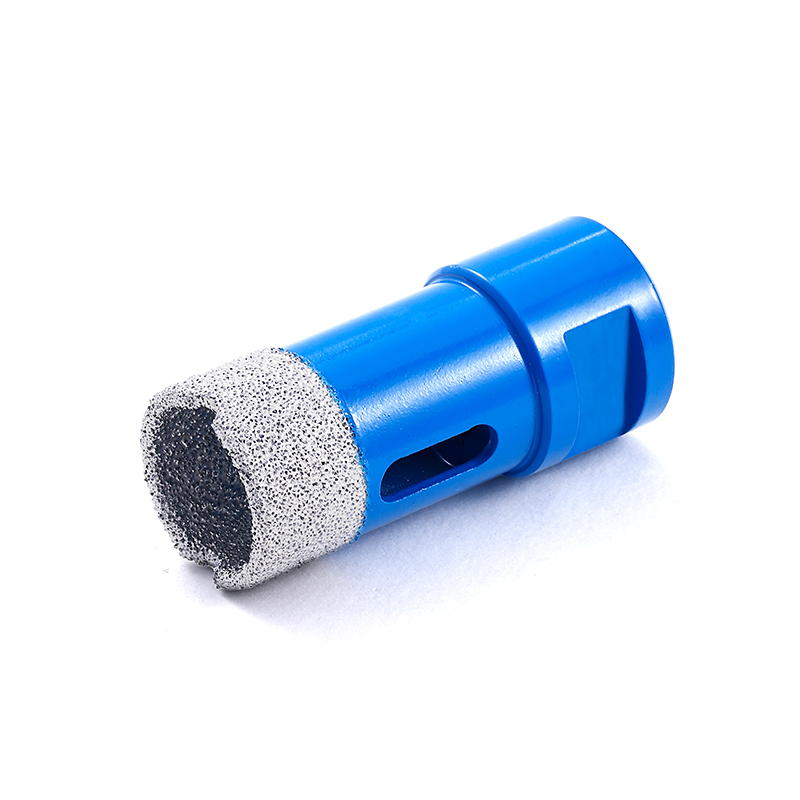
- Segmented rim: Useful for applications where material removal and debris clearance have greater importance.
- Brazed diamond edge: Provides a mechanically strong connection between diamond particles and the cutting body.
- Electroplated diamond edge: Places diamond particles directly onto the working surface and is widely used across tile hole saw designs.
Porcelain Changes the Cutting Requirement
Ceramic and porcelain tile may look similar, yet porcelain has a denser structure and presents a harder drilling surface. This difference makes diamond cutting particularly relevant for larger openings or demanding porcelain applications.
A tile hole saw drill bit intended for porcelain should have a cutting system rated for the material. A bit designed around ordinary ceramic may not provide the same cutting behavior across dense porcelain.
Entry and Exit Edges Tell Different Stories
The visible entry edge often receives more attention, yet the rear breakthrough point can also affect the finished result. Remaining tile material becomes thinner as the hole approaches completion, making uncontrolled pressure more likely to produce chips.
- Reduce pressure near breakthrough rather than forcing the cutting rim through the final section.
- Keep the hole saw aligned with the marked center throughout the cut.
- Use water with products rated for wet drilling to control heat and remove cutting debris.
Some diamond hole saw products are specifically designed for wet use, with manufacturers recommending water cooling to protect the diamond coating and control operating temperature.
Edge Design Should Match the Finished Hole
The right tile hole saw drill bit depends on more than diameter. Material type, rim structure, drilling method, hole depth, and the appearance required around the opening all influence the suitable design.
Small fixture holes may call for a compact diamond rim and precise starting control. Large plumbing openings require a stable cutting structure and sufficient working depth. Porcelain and polished surfaces place greater emphasis on edge quality, while rougher materials can allow greater flexibility in rim configuration.
For tile tool distributors and professional installers, building a range around different diameters and edge structures can cover a broader group of real-world installation requirements without treating every drilling task as the same.