English
 中文简体
中文简体 Español
Are Vacuum Brazed Diamond Core Bits Overrated
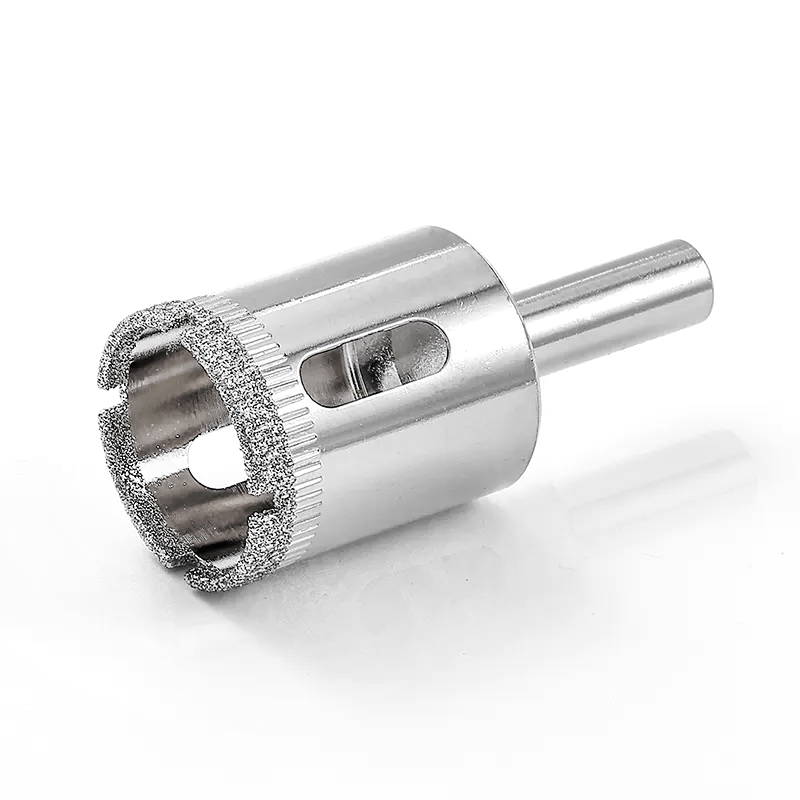
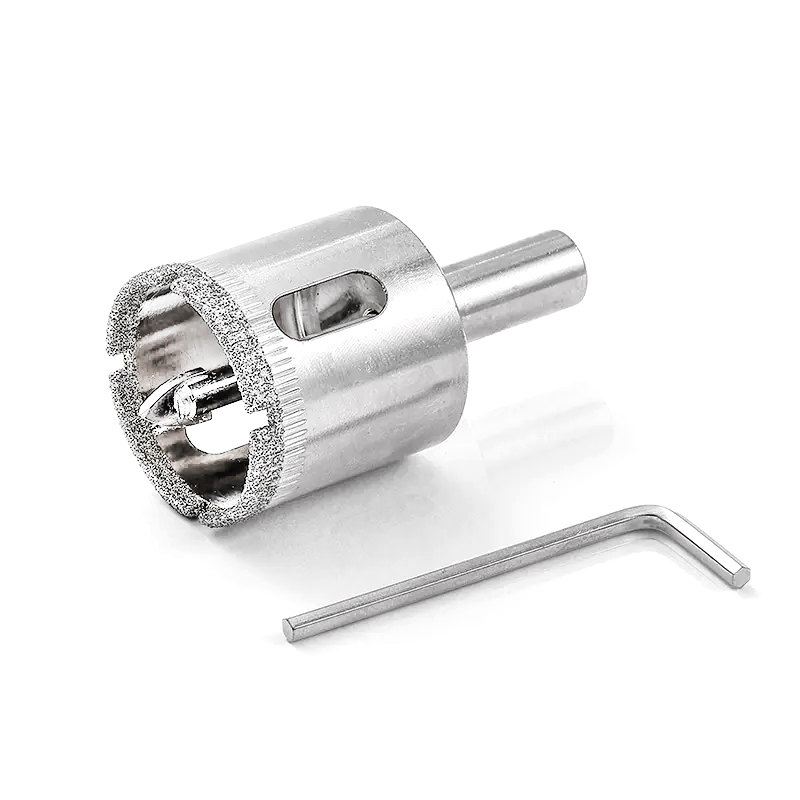
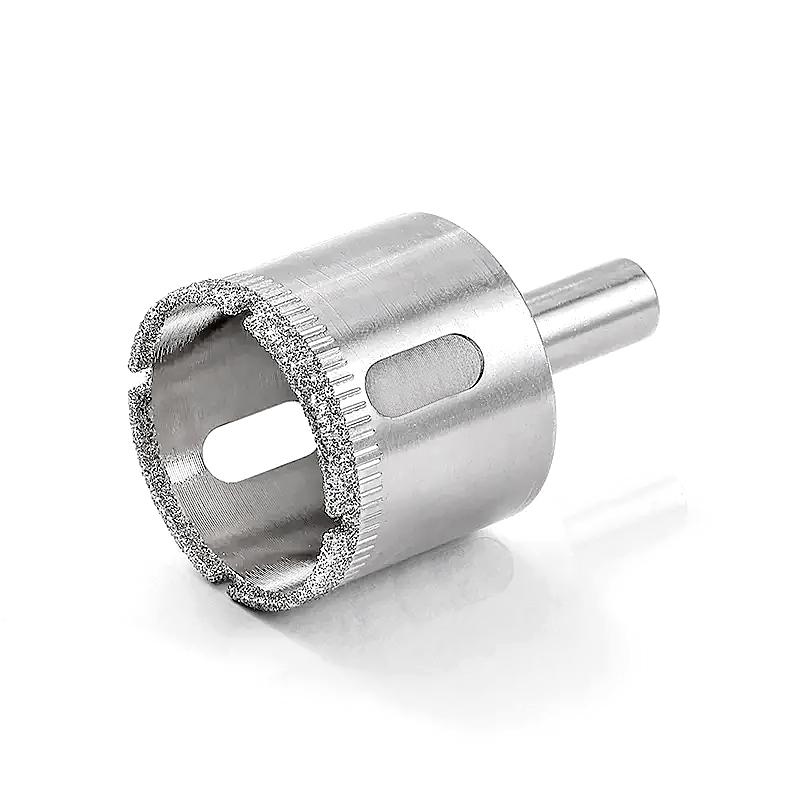
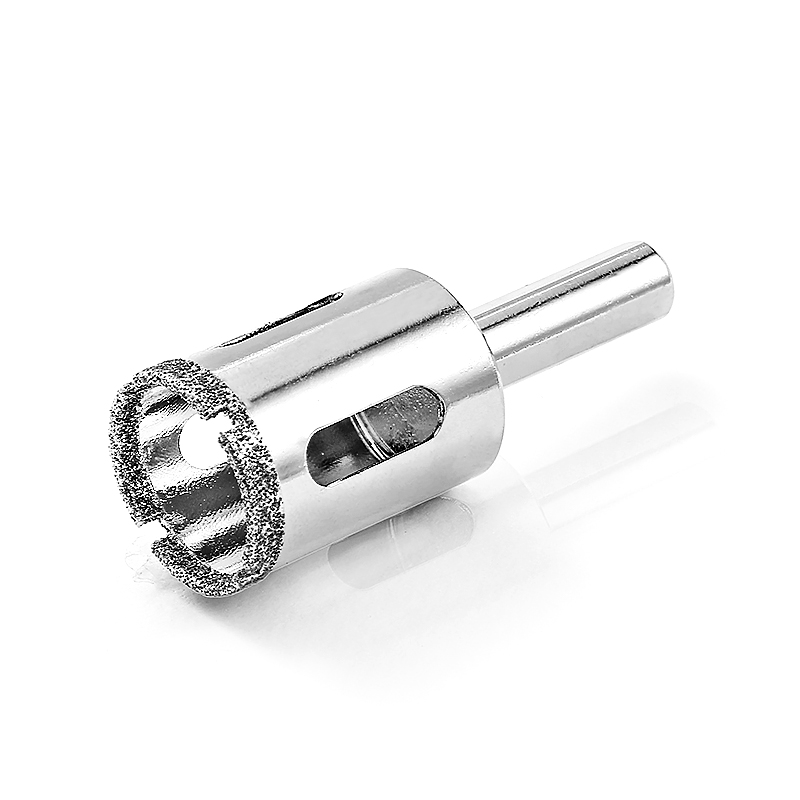
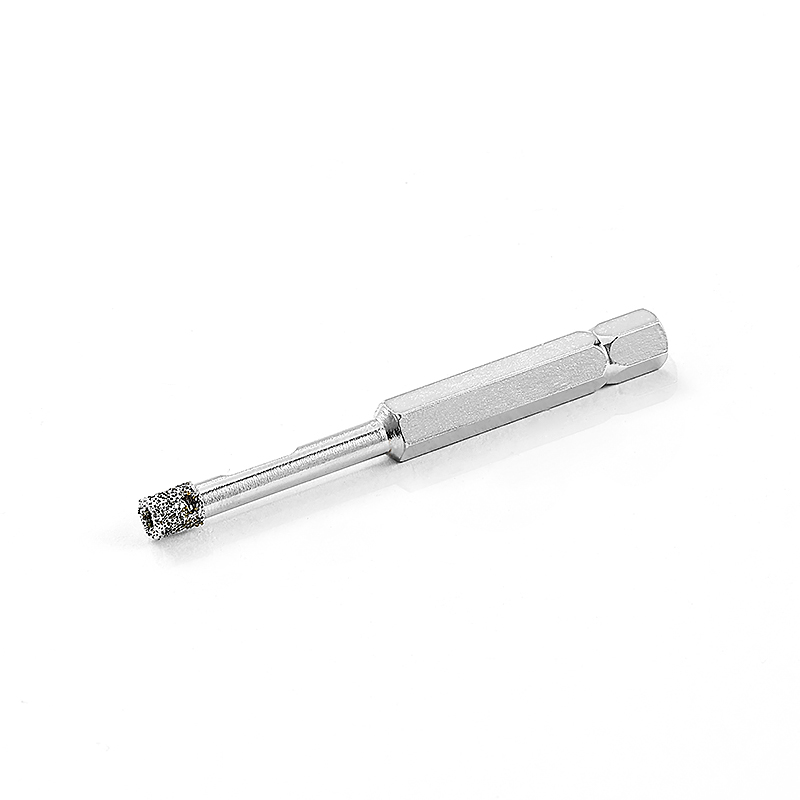
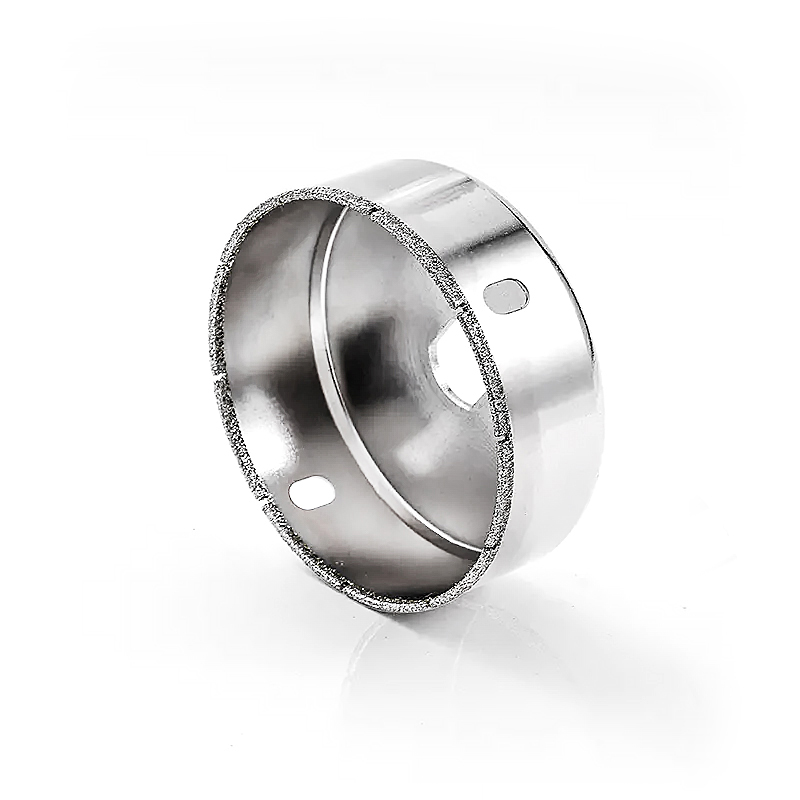
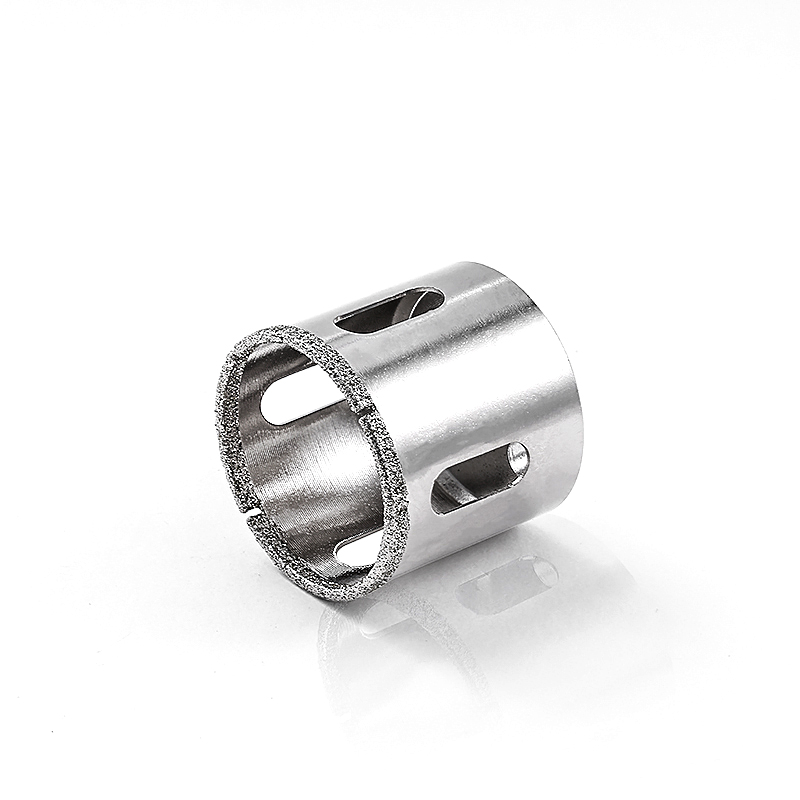
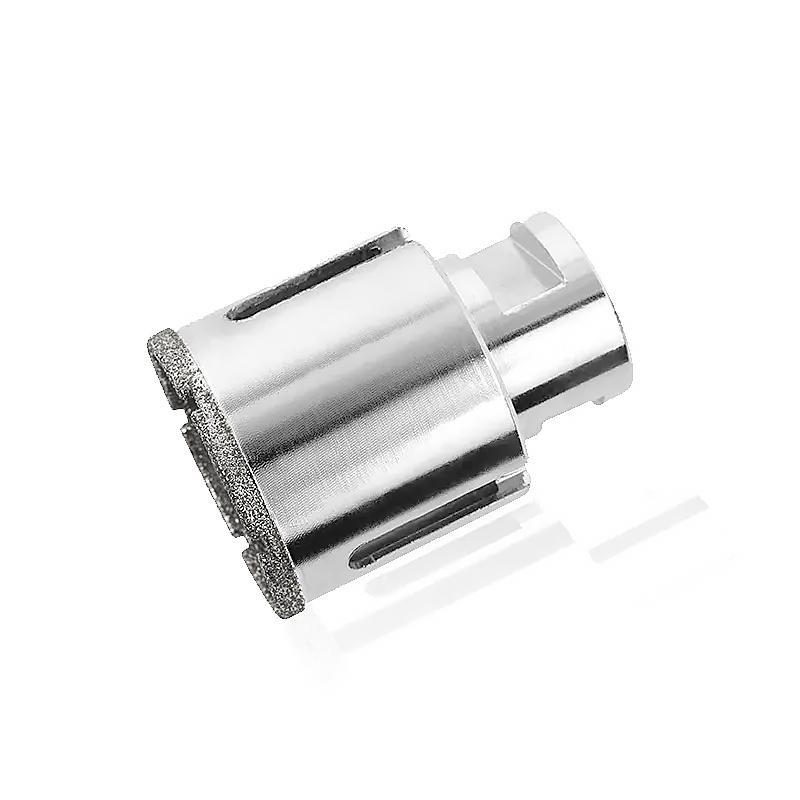
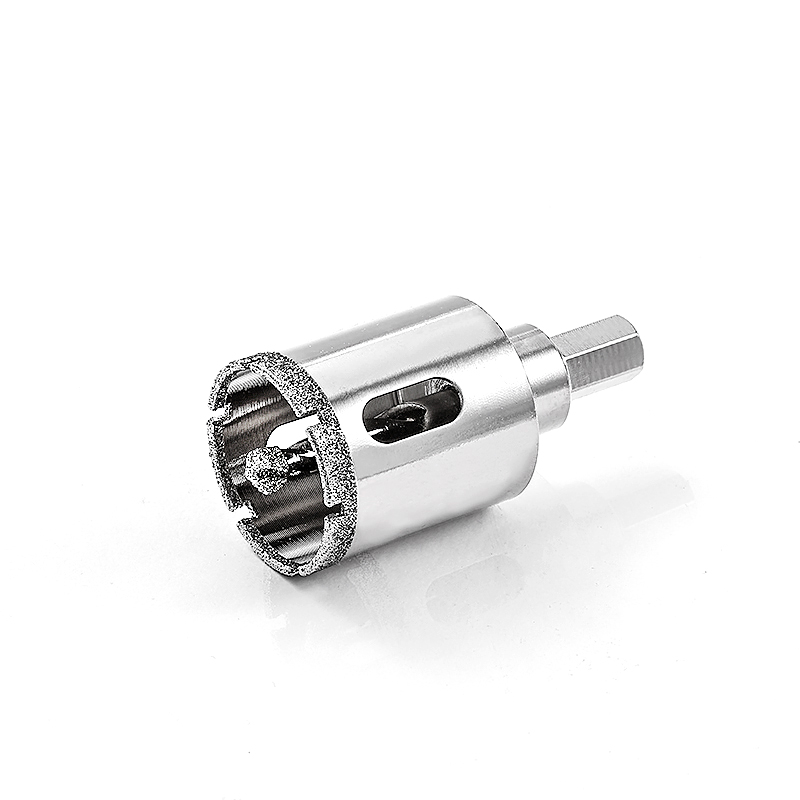
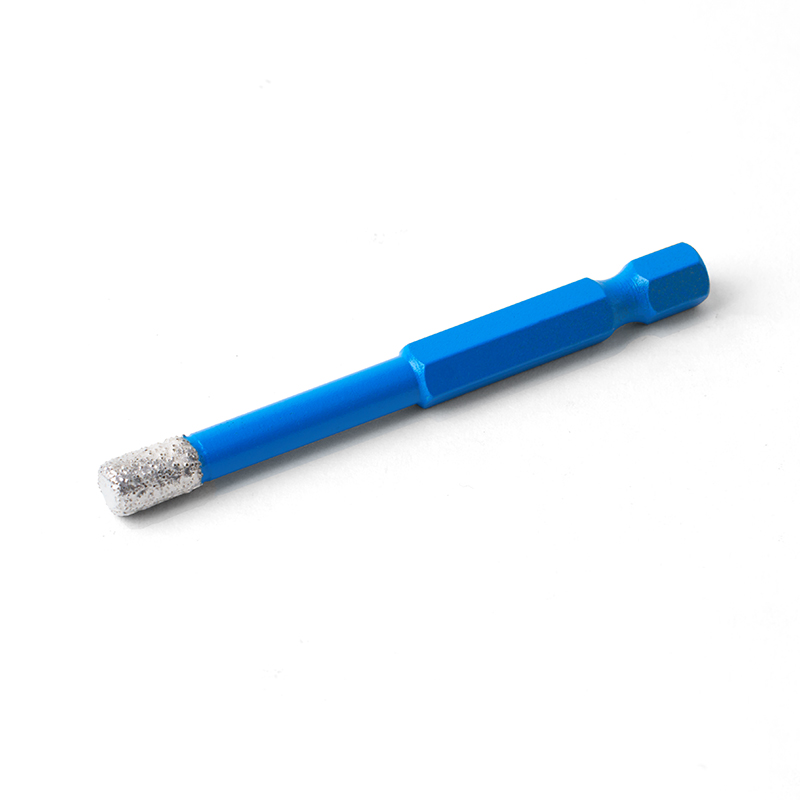
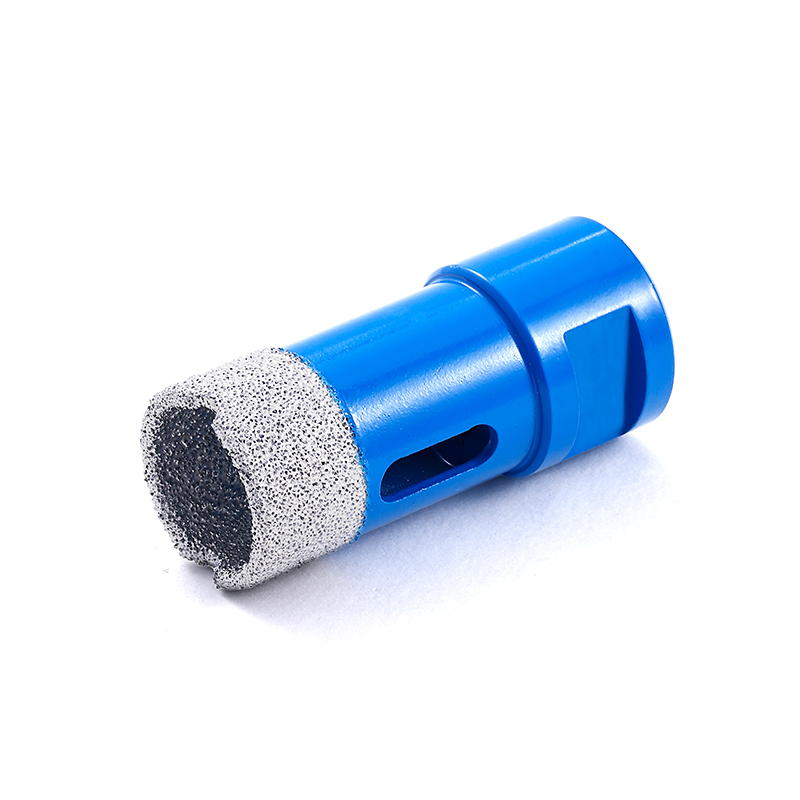
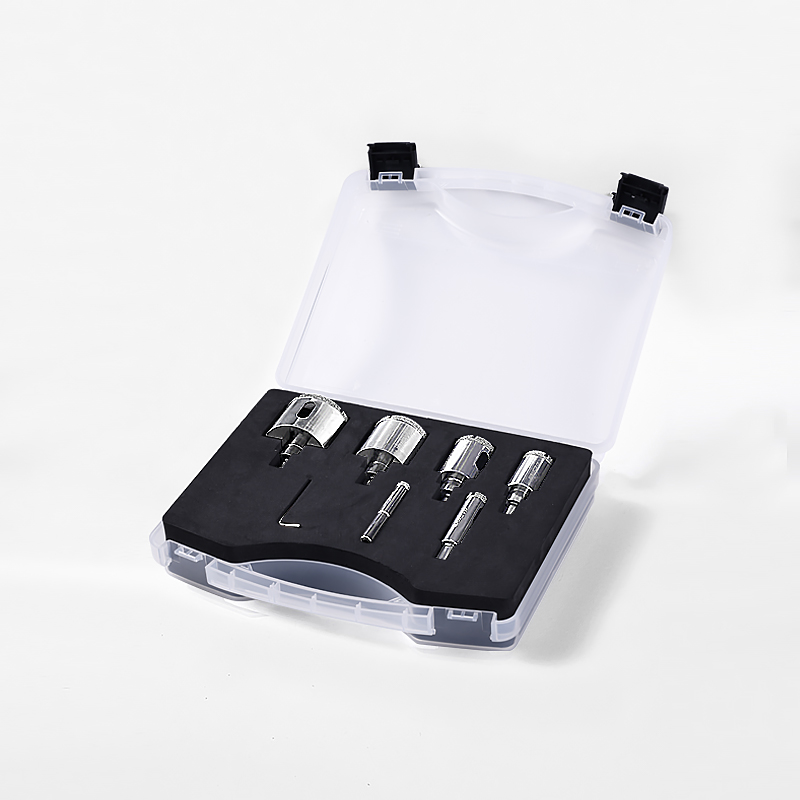
Vacuum brazed diamond core bits have gained strong attention in tile drilling, stone fabrication, and construction finishing. Their reputation comes from fast cutting behavior and the ability to drill hard porcelain, granite, and engineered stone without water cooling in many applications. Despite this popularity, practical users often question whether performance claims match real working conditions. The answer depends on how the tool is applied rather than a simple yes-or-no judgment. Vacuum brazed technology creates a single, highly exposed layer of diamond particles bonded through a high-temperature vacuum process. This structure delivers aggressive cutting action, yet it also behaves differently from sintered or electroplated systems under extended workload.
Aggressive Cutting Behavior vs Tool Stability
The most noticeable feature of vacuum brazed core bits is cutting speed. High diamond exposure allows direct impact on hard surfaces, producing rapid material removal.
- High exposure diamond tips create deep micro-fractures in dense porcelain.
- Sharp contact geometry increases penetration rate during early drilling stages.
- Reduced grinding resistance shortens initial hole formation time.
However, this aggressive behavior also increases sensitivity to operator technique. Excess pressure or unstable alignment can amplify vibration, which affects hole edge quality and accelerates uneven wear.
Dry Drilling Capability and Its Trade-offs
One of the key advantages often associated with vacuum brazed core bits is dry drilling capability. Many models are designed for use on angle grinders at high rotational speeds, removing the need for water cooling in certain tasks. Evidence from field applications shows dry cutting performance is possible across porcelain, ceramic, and stone materials, though lifespan can vary significantly depending on usage conditions.
- Dry operation convenience improves mobility on wall-mounted installations.
- Heat accumulation risk increases under continuous deep drilling.
- Dust generation load requires stable debris removal strategy.
Dry cutting expands usability, yet thermal stress management becomes critical. Without cooling, diamond edges may lose sharpness faster in dense porcelain structures.
RPM Sensitivity and Machine Compatibility
Vacuum brazed core bits are strongly influenced by rotational speed and tool selection. Angle grinders and high-speed machines are typically used, while standard low-speed drills may reduce efficiency. Technical data suggests recommended operating ranges around 3,000–11,000 RPM depending on diameter and material density.
- High RPM range usage supports faster cutting in brittle materials.
- Low-speed mismatch reduces diamond engagement efficiency.
- Machine rigidity factor affects vibration control during entry.
Incorrect speed selection often creates two opposite issues: glazing at low efficiency or overheating at excessive load. Balanced rotation is essential for stable performance.
Wear Pattern and Lifespan Reality
Tool lifespan is a key concern behind “overrated” discussions. Vacuum brazed structure holds diamonds firmly, but exposure is limited to a single layer, meaning wear is non-renewable.
- Single-layer diamond structure means no internal diamond replenishment.
- Fast initial performance drop appears once outer layer dulls.
- Uneven wear under misalignment shortens usable cutting edge life.
Compared with sintered core bits, which gradually expose new diamonds, vacuum brazed versions trade longevity for speed. This trade-off defines their practical positioning rather than absolute superiority.
Material Compatibility and Application Boundaries
Vacuum brazed core bits perform across multiple materials, but efficiency varies depending on hardness and structure. Field testing shows suitability for porcelain, ceramic, granite, marble, and engineered stone applications.
- Dense porcelain drilling benefits from aggressive diamond exposure.
- Soft ceramic materials may experience faster wear than expected.
- Composite stone surfaces can cause uneven segment abrasion.
Material mismatch often influences user perception. A tool used outside its ideal range may appear underperforming even though design intent targets specific hardness levels.
Operator Technique as Performance Multiplier
Tool behavior depends heavily on user control. Vacuum brazed systems respond directly to pressure, angle, and stability.
- Steady feed control maintains consistent diamond engagement.
- Controlled entry angle reduces edge breakout risk.
- Light pressure application prevents overheating and glazing.
Reports from field usage highlight that excessive force reduces cutting efficiency and accelerates tool damage, reinforcing the importance of technique over pressure.
Final Perspective on Performance Value
Vacuum brazed diamond core bits are not overrated, but they are highly dependent on correct application. Their value lies in speed, dry cutting ability, and aggressive material removal rather than extended lifespan. Performance perception changes significantly based on drilling conditions, RPM control, and material type. Under controlled use, these tools deliver fast penetration and clean hole formation in hard surfaces. Under improper handling, wear accelerates quickly, creating the impression of reduced value. The technology is best understood as a high-efficiency cutting solution optimized for precision tasks where speed matters more than long-term segment renewal.