English
 中文简体
中文简体 Español
What Makes Vacuum Brazed Hole Saws Cut Faster
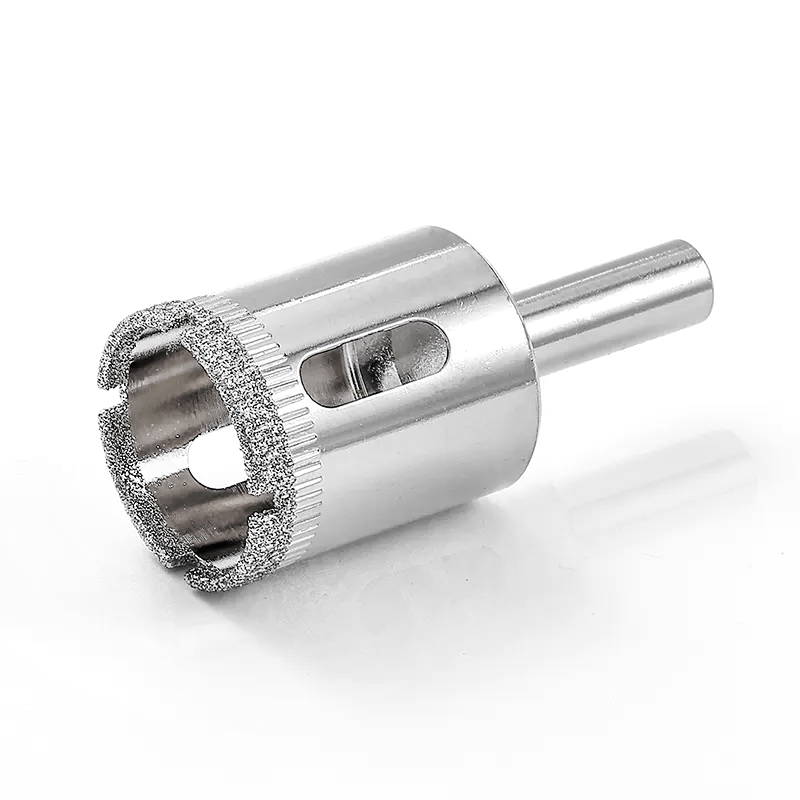
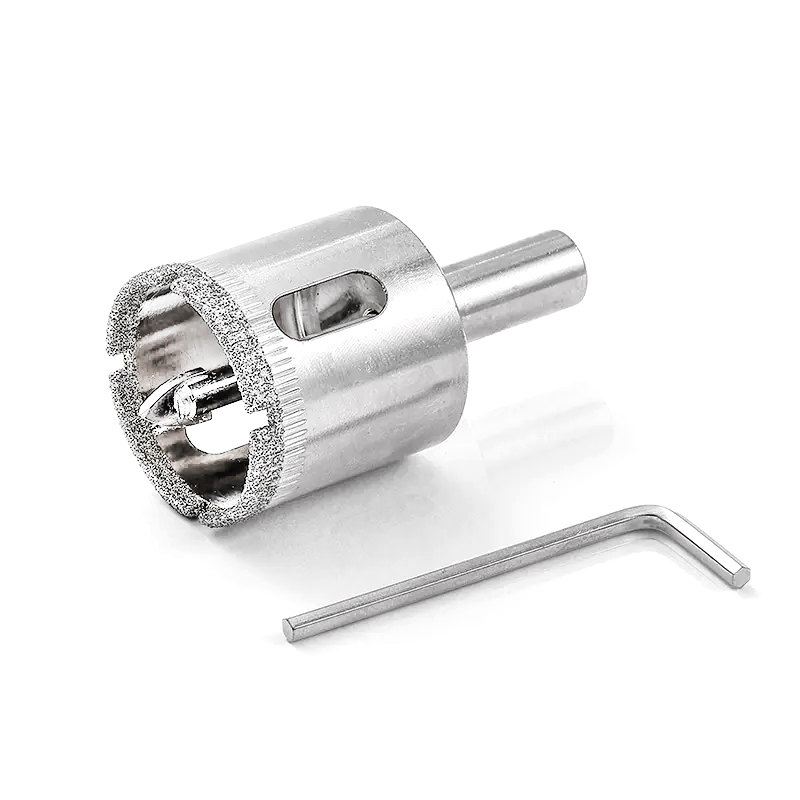
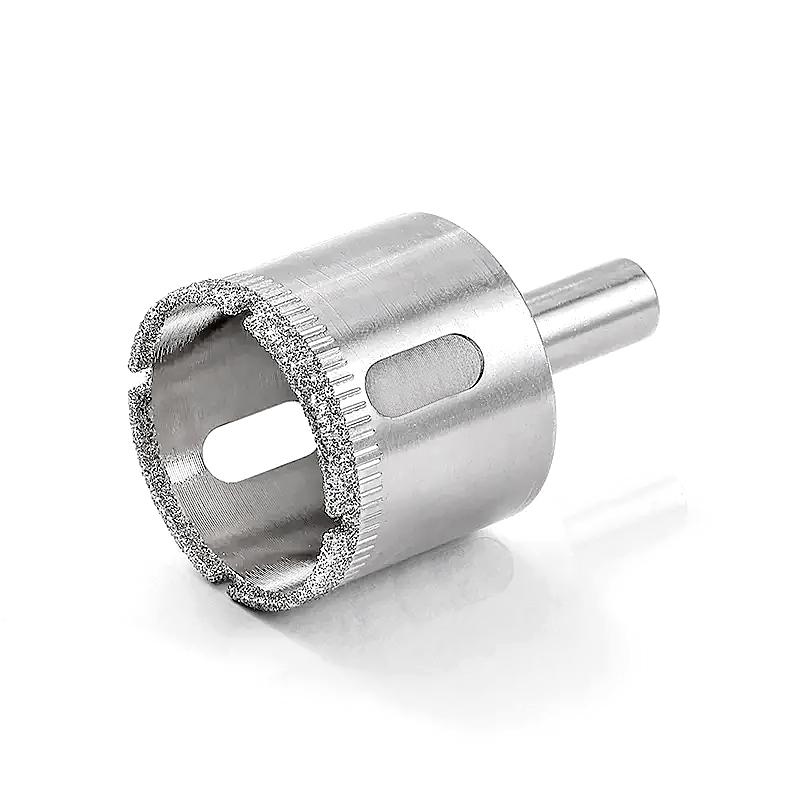
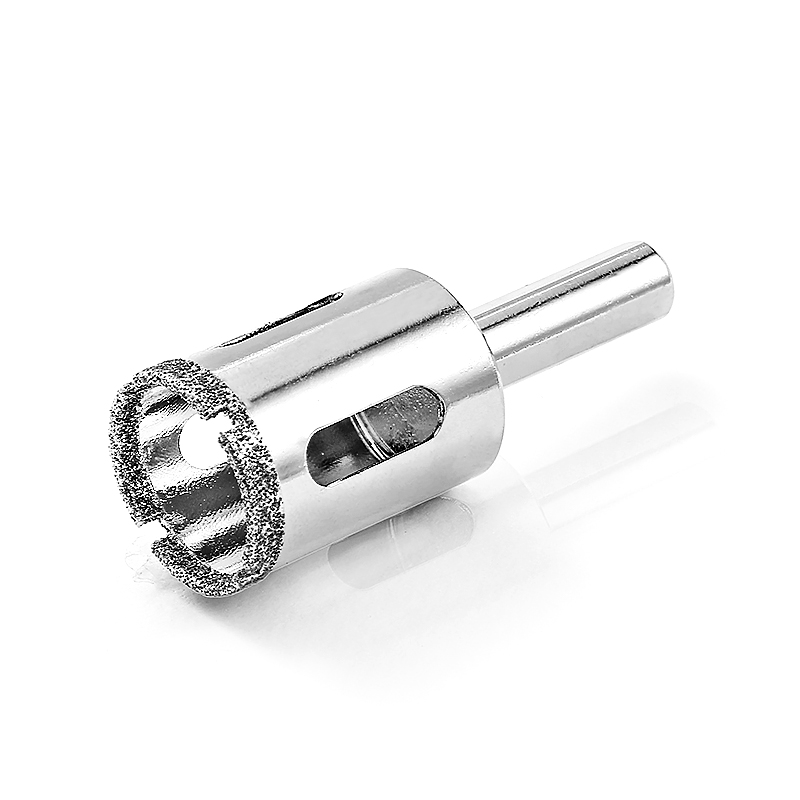
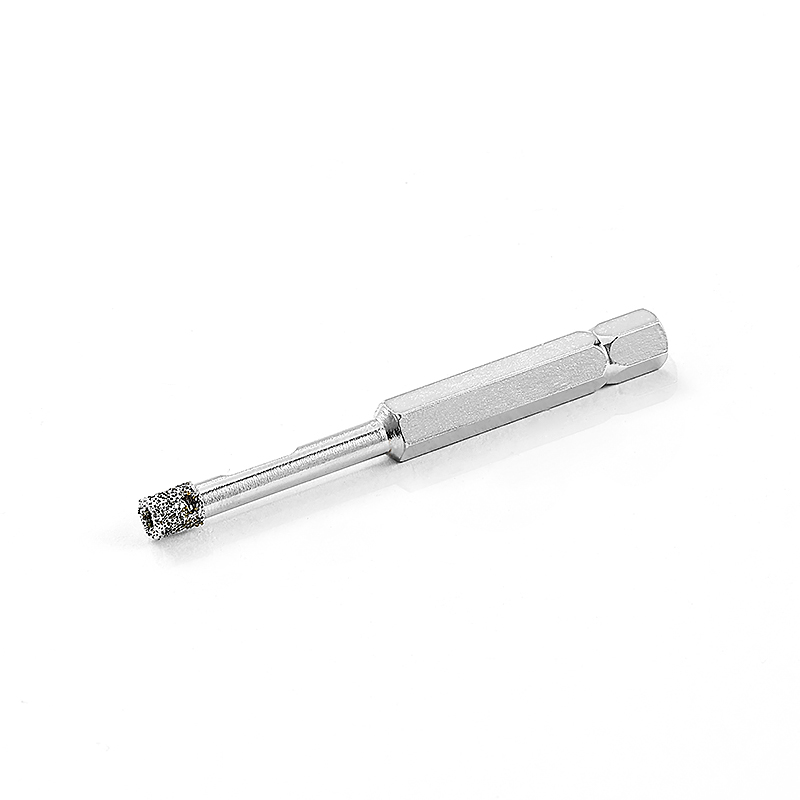
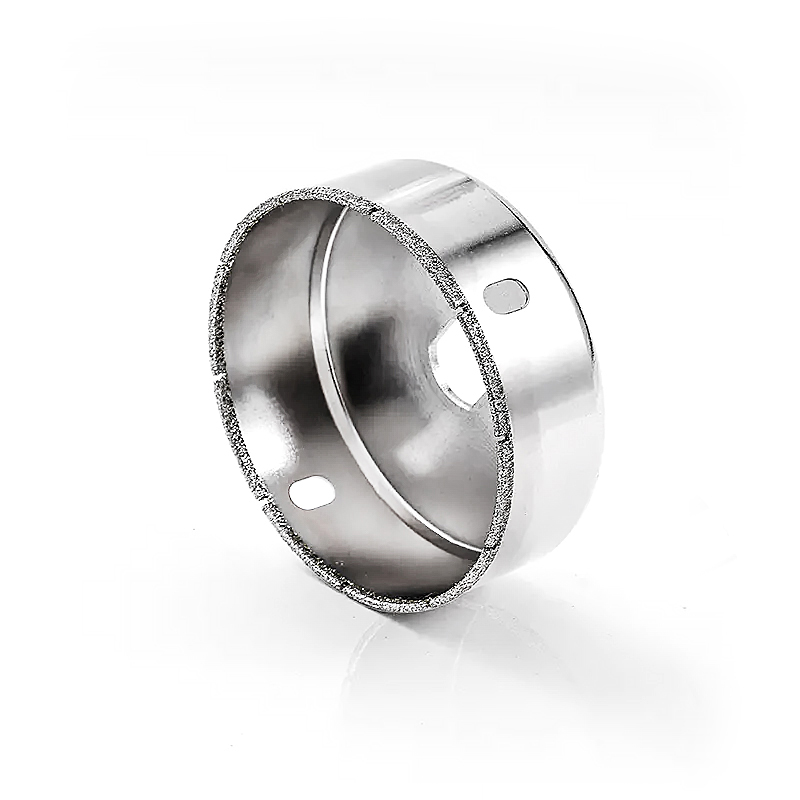
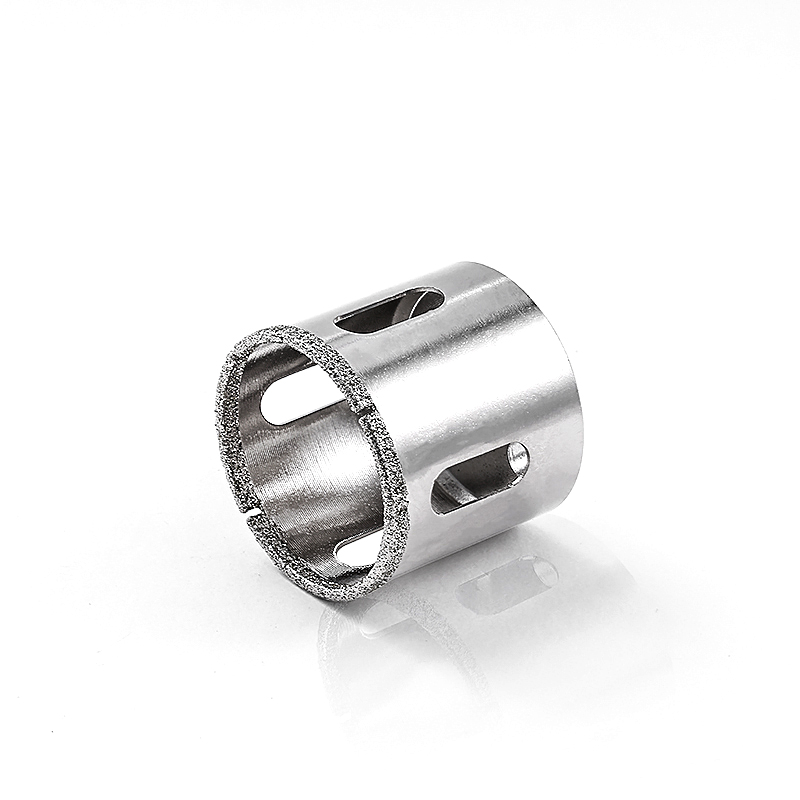
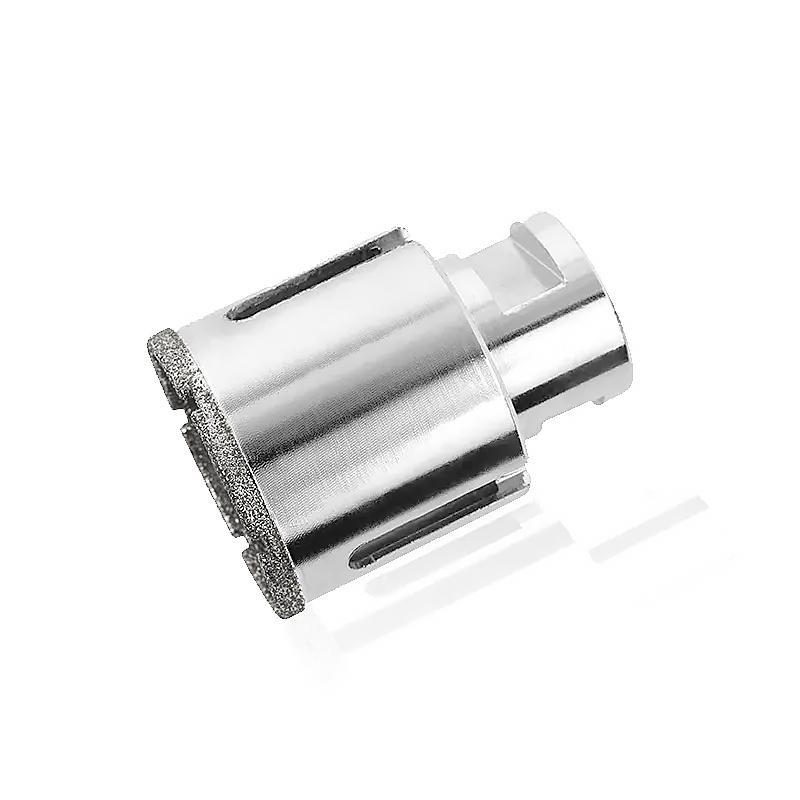
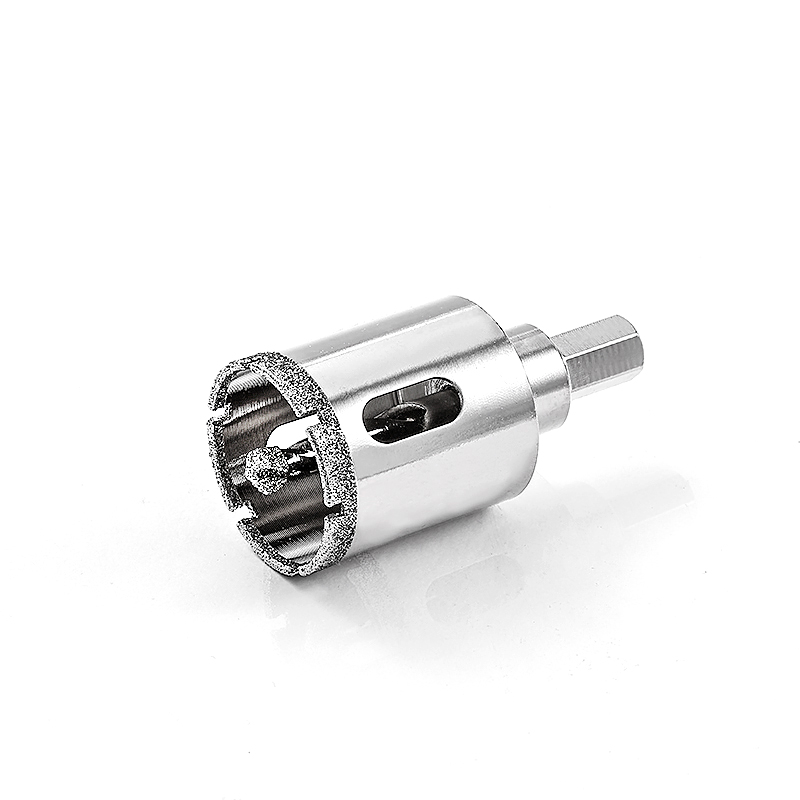
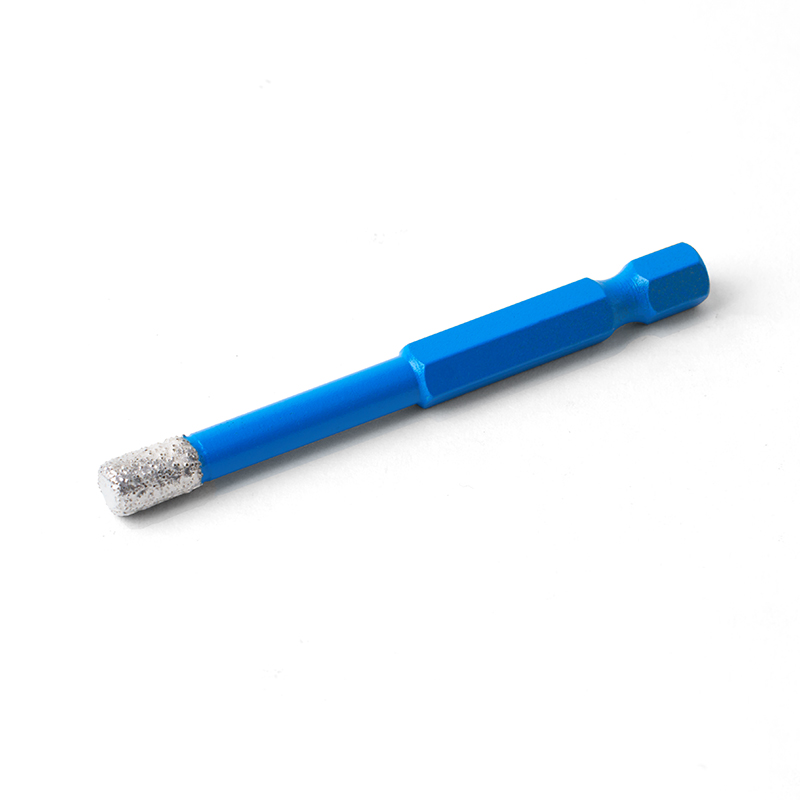
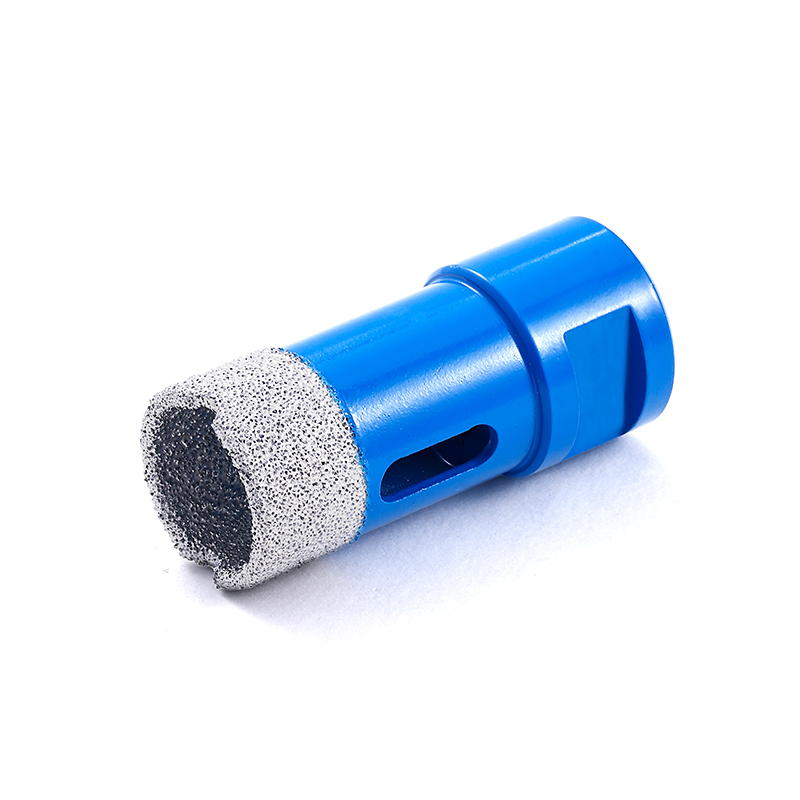
Vacuum brazed diamond hole saws often stand out in drilling tasks involving porcelain, granite, and engineered stone due to their noticeably aggressive cutting behavior. The difference is not only about diamond hardness but also about how the abrasive layer interacts with dense material under load. Compared with electroplated or sintered designs, the brazed structure exposes more active cutting points, which directly influences cutting speed and stability. The manufacturing process plays a key role. Vacuum brazing fuses diamond particles onto the steel body under high temperature in a vacuum environment, forming a strong metallurgical bond. This structure keeps diamond grains firmly anchored while leaving a larger portion exposed for direct contact with the workpiece. The result is a tool that behaves less like a traditional “grinder” and more like a high-aggression micro-chipping system.
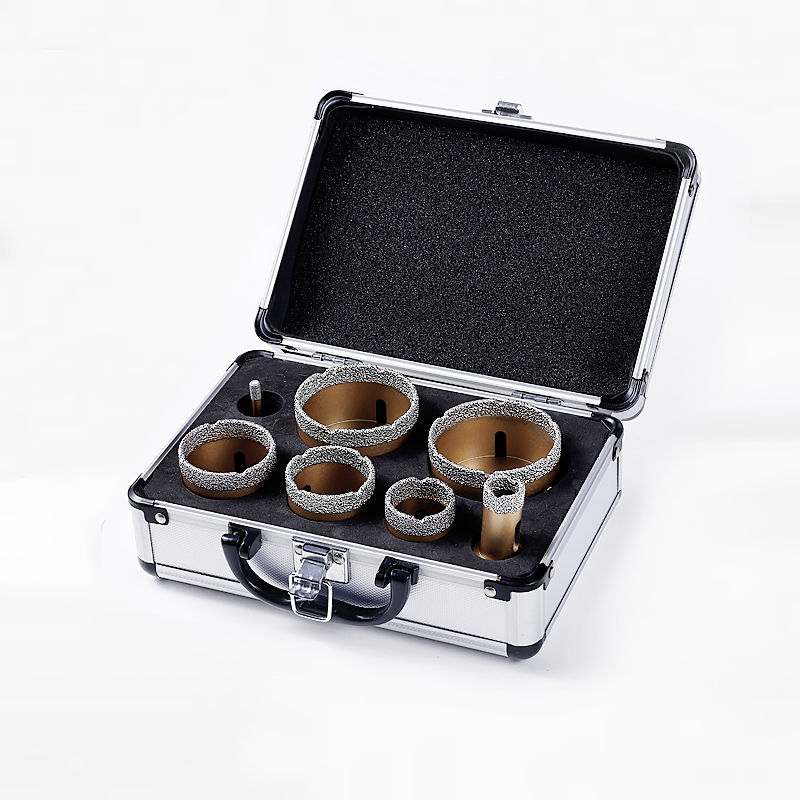
Exposed Diamond Geometry and Aggressive Contact
Cutting speed is strongly influenced by how much diamond surface is exposed and how it engages the material.
- Higher protrusion height allows diamonds to bite deeper into dense surfaces per rotation.
- Sharp multi-point contact creates micro-fracturing instead of slow abrasion.
- Immediate engagement reduces idle friction during initial contact.
Unlike electroplated layers where diamonds sit relatively flush, vacuum brazed tools present a more aggressive cutting profile. This increases material removal per revolution, especially on hard porcelain and dense ceramic bodies.
Metallurgical Bond Strength and Stability
A major factor behind higher cutting speed is not only exposure but also bond strength. Vacuum brazing forms a strong alloy connection between diamond and steel body, reducing premature particle loss.
- Strong retention stability keeps cutting edges active under heavy load.
- Reduced diamond shedding maintains consistent grinding efficiency.
- Uniform wear pattern avoids sudden drops in cutting performance.
Because the diamonds remain fixed under higher stress conditions, the tool can sustain aggressive feed pressure without losing cutting continuity. This contributes to faster penetration through thick ceramic layers and vitrified surfaces.
Heat Resistance and Continuous Cutting Efficiency
Speed loss in diamond drilling often comes from overheating and surface glazing. Vacuum brazed tools manage thermal stress more effectively, allowing sustained cutting action.
- Improved heat tolerance reduces bond softening during extended drilling.
- Lower glazing risk keeps diamond edges exposed and active.
- Stable friction control prevents surface polishing of the diamond layer.
Industry guidance on vacuum brazed tools highlights their ability to maintain consistent performance under thermal cycling, especially in interrupted or high-load cutting conditions.
Material Removal Mechanism in Hard Surfaces
The cutting action of vacuum brazed hole saws differs from traditional grinding because it focuses on rapid micro-chipping.
- Micro-fracture propagation breaks brittle ceramic structure faster.
- Edge impact concentration accelerates material separation at contact points.
- Continuous debris evacuation reduces re-cutting resistance inside the kerf.
Porcelain and similar materials respond well to this mechanism because their internal structure fractures under concentrated point stress rather than plastic deformation. The exposed diamond tips create repeated impact zones that speed up hole formation.
Operating Conditions That Support Higher Speed
Cutting speed is not determined by tool design alone. Operating conditions strongly influence how efficiently vacuum brazed hole saws perform.
- Moderate rotational speed prevents diamond overheating while maintaining bite efficiency.
- Steady feed pressure ensures continuous engagement of diamond edges.
- Water-assisted cooling removes slurry and stabilizes cutting temperature.
Excessive pressure or unstable drilling angle can reduce speed by causing vibration and uneven rim contact. Controlled movement allows the brazed structure to maintain consistent cutting geometry throughout the operation.
Comparison with Other Diamond Bonding Types
Understanding speed advantage requires a comparison with other bonding systems.
- Electroplated tools offer precision but limited aggressive cutting depth.
- Sintered segments provide durability but slower initial material removal.
- Vacuum brazed structure balances strong exposure with stable retention for faster penetration.
Technical analyses of vacuum brazed tools highlight significantly higher cutting efficiency compared with segmented alternatives, especially in dense construction materials where rapid removal is required.
Speed Comes From Exposure and Stability
The faster cutting performance of vacuum brazed hole saws is the result of combined engineering factors rather than a single feature. High diamond exposure increases immediate engagement, while strong metallurgical bonding maintains stability under load. Heat resistance and controlled wear behavior allow sustained performance across dense and brittle materials. These combined characteristics create a cutting system that removes material quickly through controlled micro-fracturing instead of slow surface abrasion. The result is a tool capable of maintaining speed consistency in demanding drilling environments such as porcelain tile installation, stone fabrication, and architectural finishing work.