English
 中文简体
中文简体 Español
Can Electroplated Diamond Hole Saws Handle Hard Porcelain
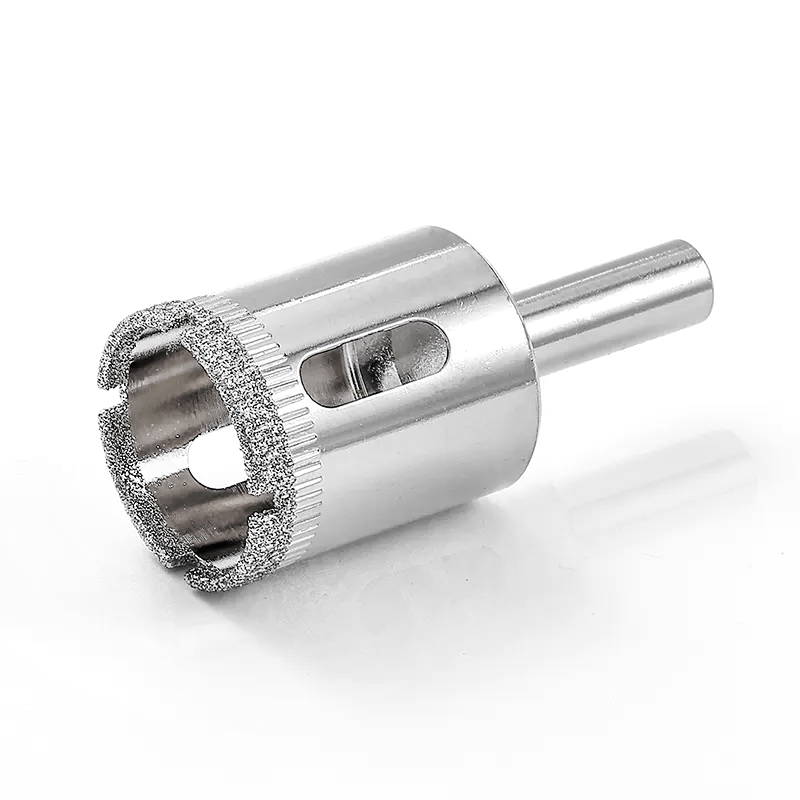
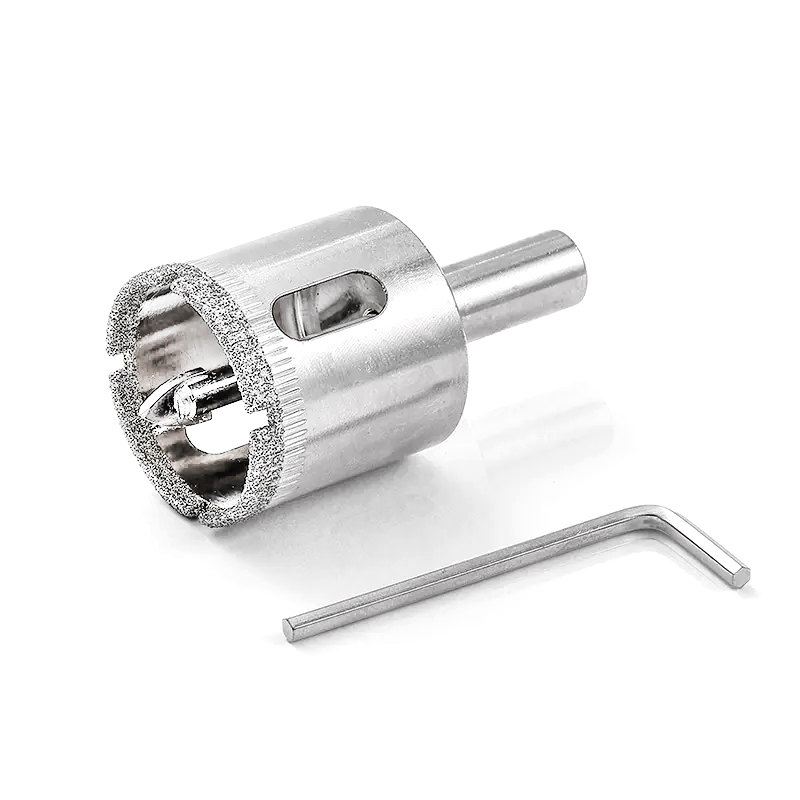
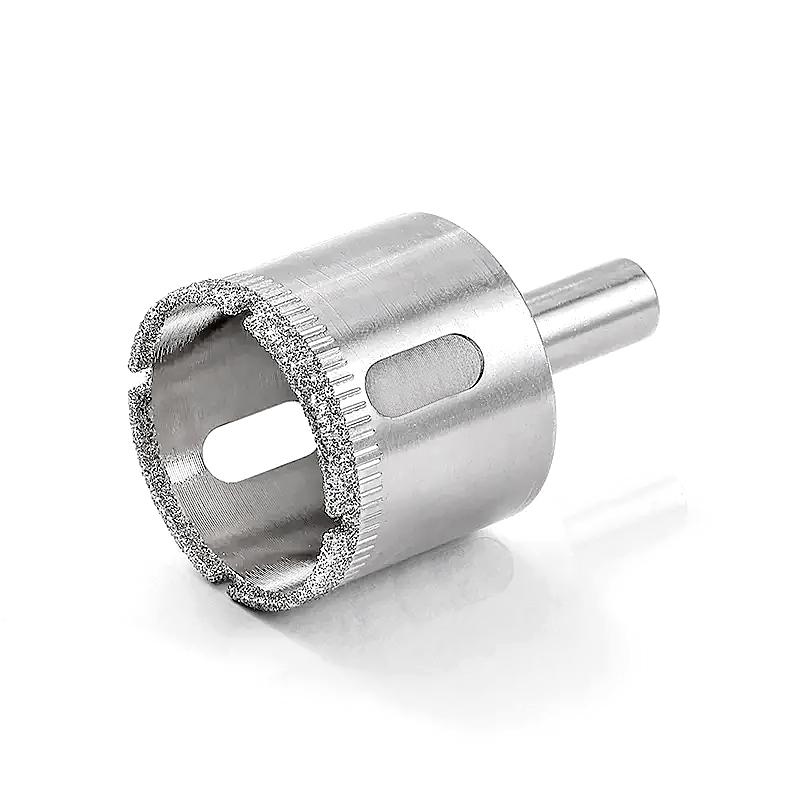
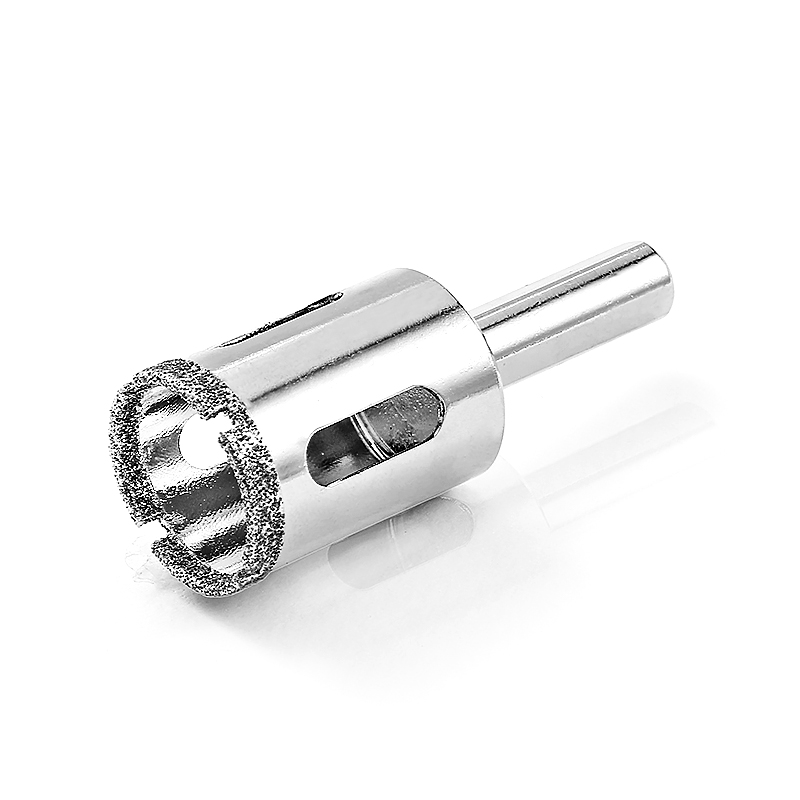
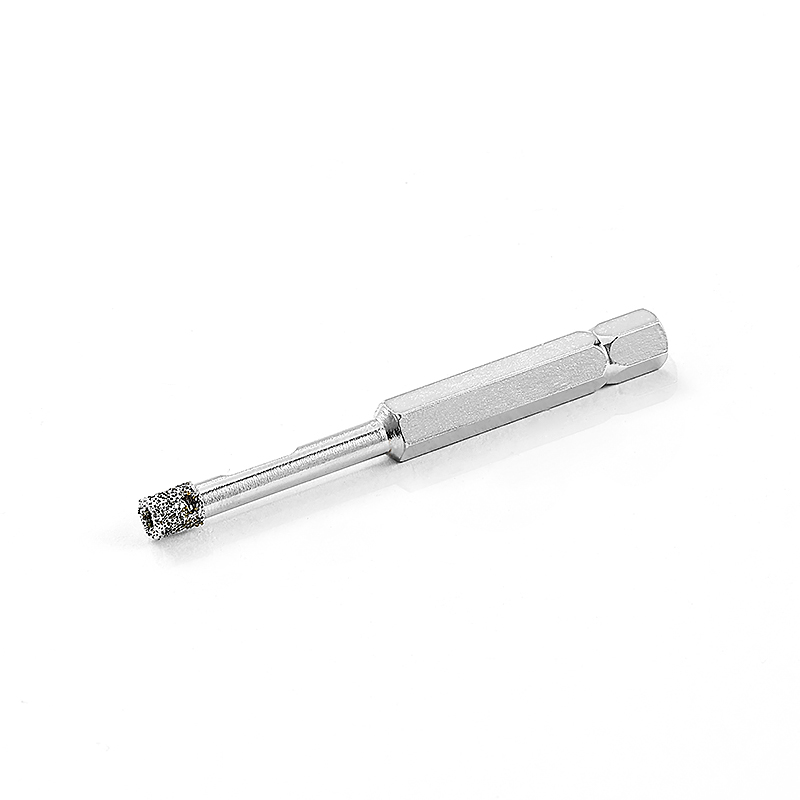
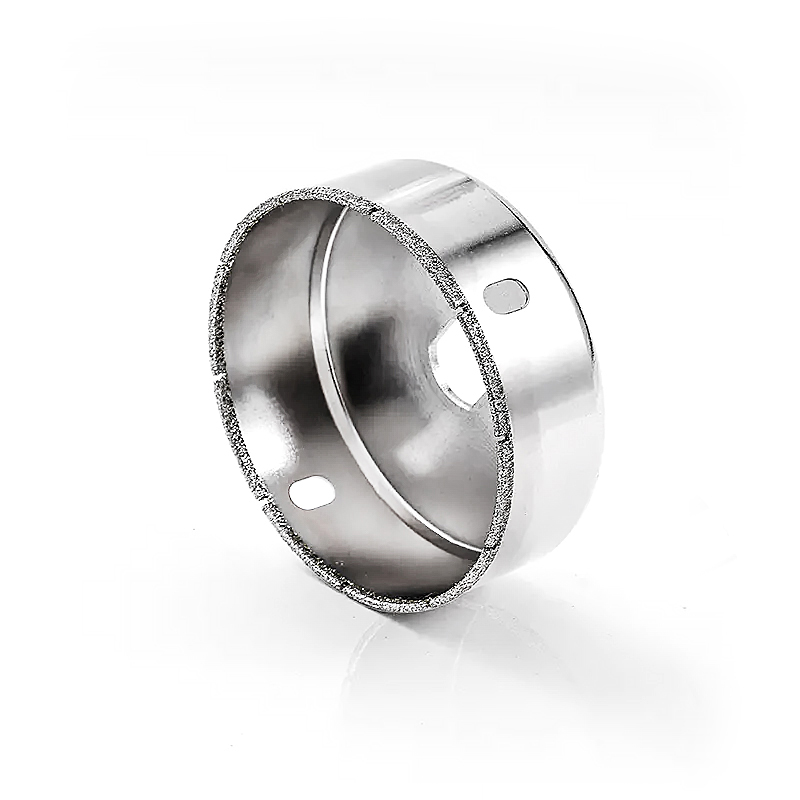
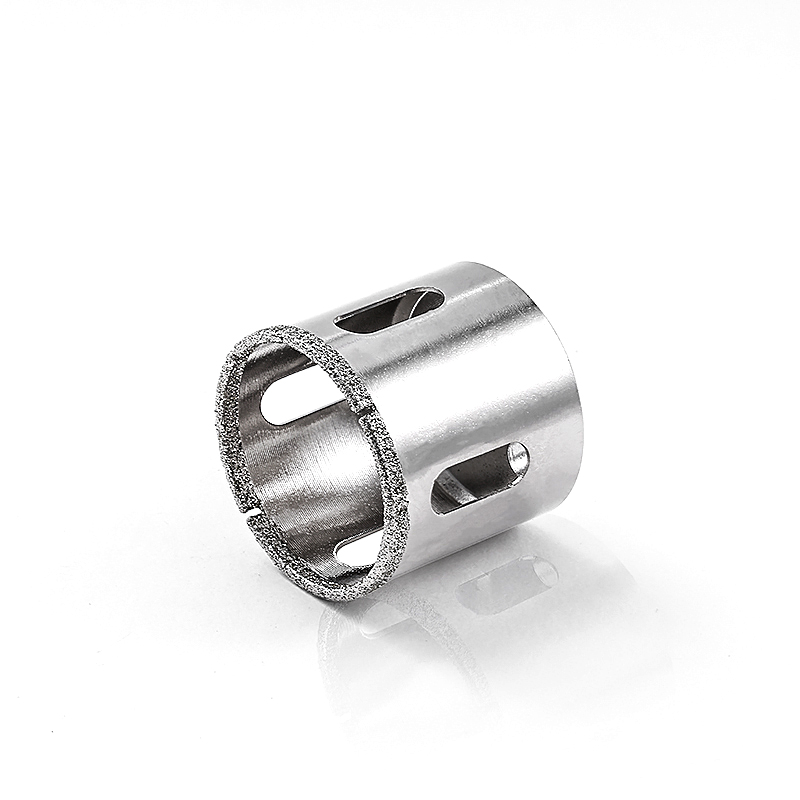
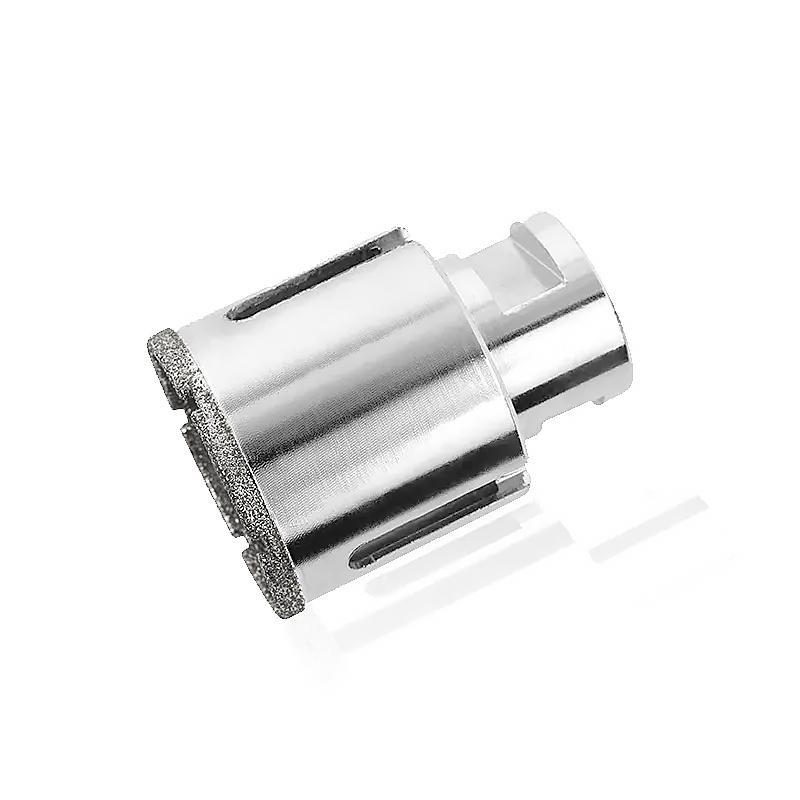
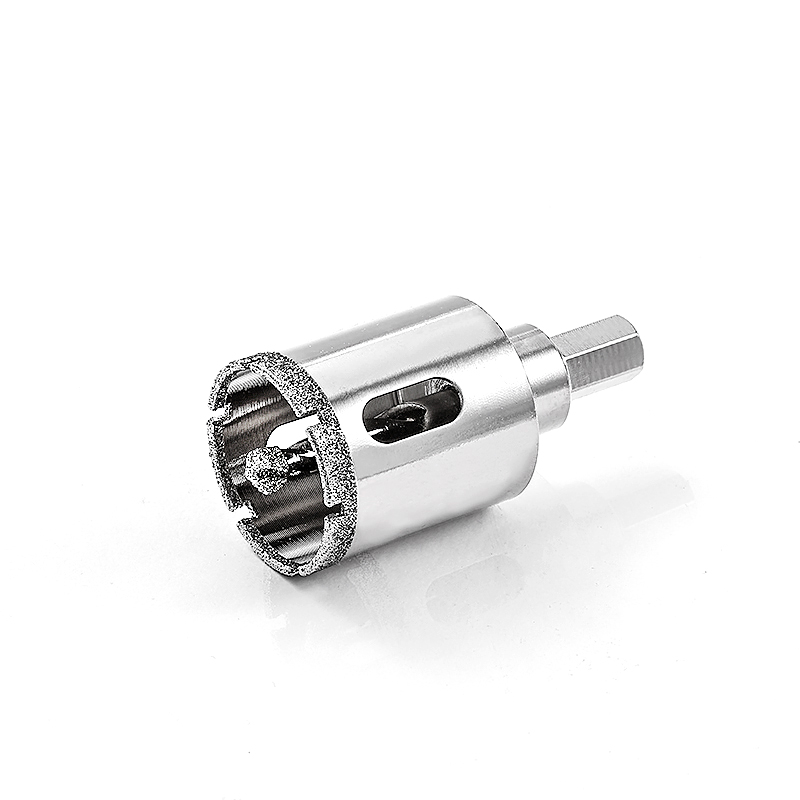
Electroplated diamond hole saws have become widely used for drilling through dense materials such as hard porcelain, granite, and engineered stone. Unlike conventional carbide-tipped drill bits, these tools rely on a single layer of diamond particles electroplated onto the cutting rim. The electroplated layer ensures that diamonds remain exposed and active during drilling, allowing the bit to grind through hard surfaces without tearing or fracturing the material. Porcelain is particularly challenging due to its vitrified structure and glazed surface, which provide low porosity and high hardness, typically around 7–8 on the Mohs scale. Standard drill bits cannot cope with this density, causing premature wear, chipping, or surface cracking. Electroplated diamond hole saws offer a solution by leveraging diamond hardness and precise abrasive geometry to achieve clean holes.
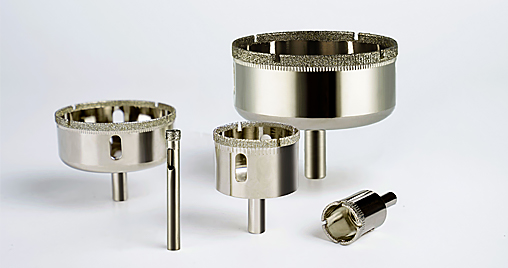
Electroplated Layer Characteristics
Electroplated diamond tools differ from vacuum brazed or sintered types because the diamond layer is applied directly to the steel body through electrochemical deposition. This results in a monolayer of high-quality synthetic diamonds with controlled size and orientation.
- Single-layer exposure ensures consistent grinding performance on hard porcelain surfaces.
- Direct bonding minimizes diamond loss under light to moderate drilling loads.
- Narrow cutting profile reduces material removal per revolution, which decreases stress on brittle glazed edges.
This electroplated structure allows the hole saw to operate at moderate RPMs without generating excessive heat, which is a common cause of chipping or thermal shock in porcelain.
Performance Under Hard Porcelain Conditions
Hard porcelain presents two main challenges for drilling: surface hardness and edge brittleness. Electroplated diamond hole saws manage these challenges through grinding mechanics rather than cutting.
- Controlled grinding action removes porcelain material gradually, preventing sudden fractures.
- Edge preservation minimizes chipping along glazed surfaces by distributing grinding forces evenly.
- Dust management is easier with electroplated saws, especially when used with water cooling to carry debris and maintain diamond sharpness.
By applying light, steady pressure and allowing the diamond layer to do the work, users can achieve precise holes even in tiles with thick glazing or uneven hardness zones. Abrupt force or excessive speed can still cause micro-fractures, but the tool design inherently reduces these risks compared with conventional drill bits.
Speed, Pressure, and Cooling Optimization
Optimal drilling performance with electroplated diamond hole saws requires careful attention to speed, pressure, and cooling.
- Moderate RPMs avoid overheating the diamond layer and prevent glazing of the porcelain surface.
- Light feed pressure ensures the diamonds grind rather than crush the material.
- Continuous water flow maintains temperature control, clears debris, and prolongs the electroplated layer lifespan.
Technical guidelines suggest using variable-speed drills with water-cooling attachments to maintain steady cutting conditions and extend tool life. Proper alignment and support beneath the tile also reduce the chance of breakthrough chipping at the hole edge.
Advantages and Limitations
Electroplated diamond hole saws offer specific advantages for porcelain drilling but also have limitations.
- Advantages: consistent hole diameter, minimal edge chipping, and fast start-up performance without complex maintenance.
- Limitations: single-layer diamonds wear faster under high-volume drilling compared with vacuum brazed or sintered types, reducing overall tool lifespan.
- Best use scenarios: light to medium-duty porcelain work, small batch holes, or precision installations where edge integrity is critical.
Choosing the correct saw diameter and diamond grit size is important. Coarser diamonds remove material faster but may increase chipping risk, whereas fine diamonds reduce edge damage but require longer drilling times.
Maintenance and Longevity Tips
Maintaining an electroplated diamond hole saw is essential for consistent performance.
- Regular dressing using a resin block or abrasive stone exposes fresh diamonds.
- Check alignment of drill and workpiece to avoid side loads that stress the diamond rim.
- Monitor wear and replace the saw once diamond exposure diminishes significantly to prevent chipping or overheating.
Proper handling and water cooling extend the effective life of electroplated layers and maintain consistent hole quality across multiple tiles.
Suitability for Hard Porcelain
Electroplated diamond hole saws are well-suited for hard porcelain drilling under controlled conditions. Their single-layer diamond exposure and grinding-based design offer clean cuts, reduced edge chipping, and efficient material removal. While tool wear limits lifespan compared with brazed types, careful speed, pressure, and cooling management allow these saws to handle dense, brittle tiles effectively. Users who follow these operational principles achieve precise, durable holes with minimal surface damage, making electroplated diamond hole saws a reliable choice for moderate-duty porcelain applications.