English
 中文简体
中文简体 Español
Why Do Polished Tile Hole Saws Chip Edges
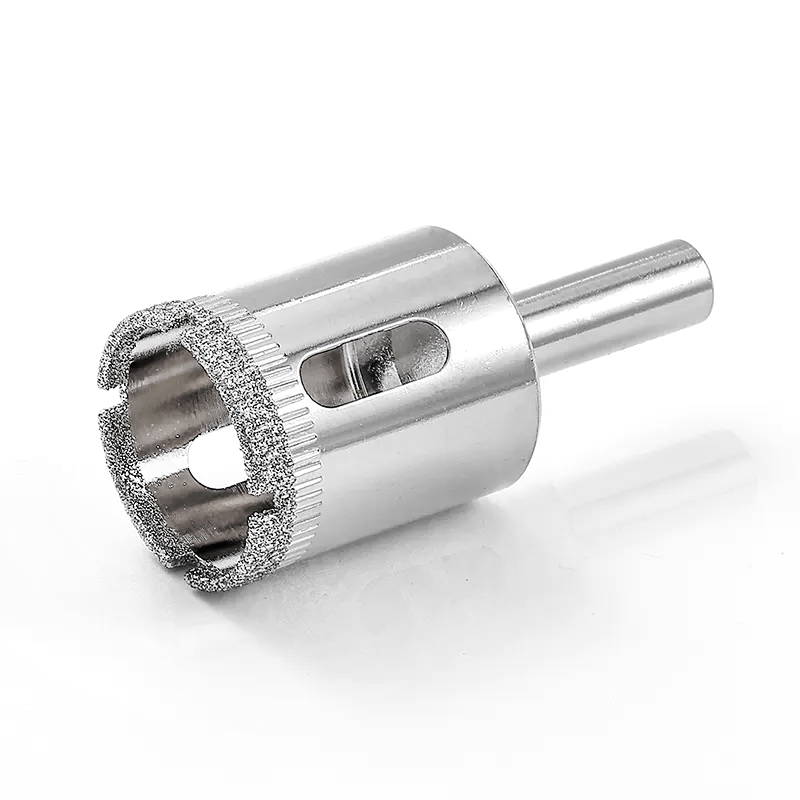
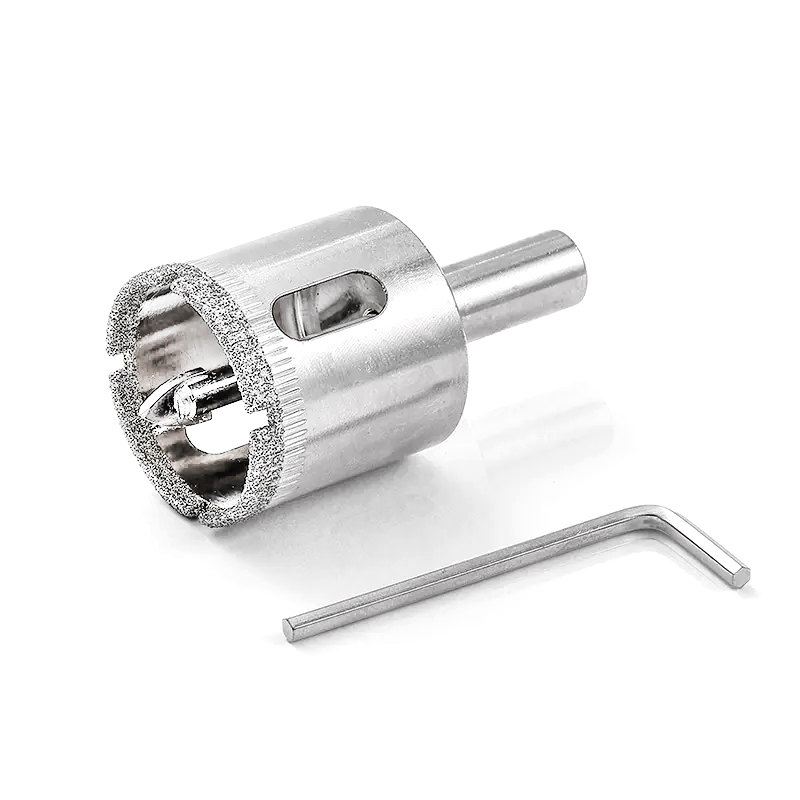
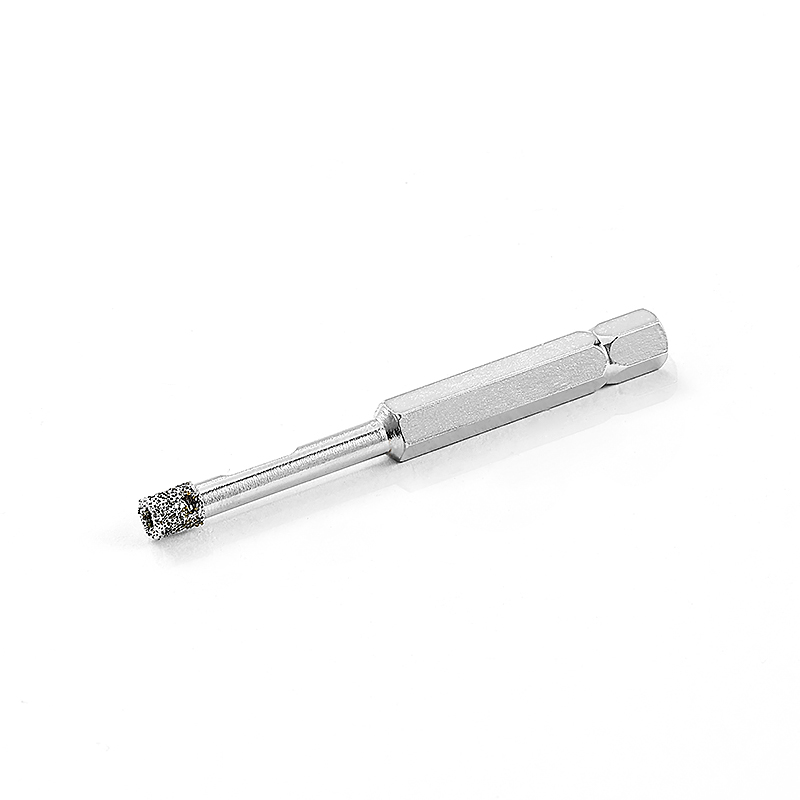
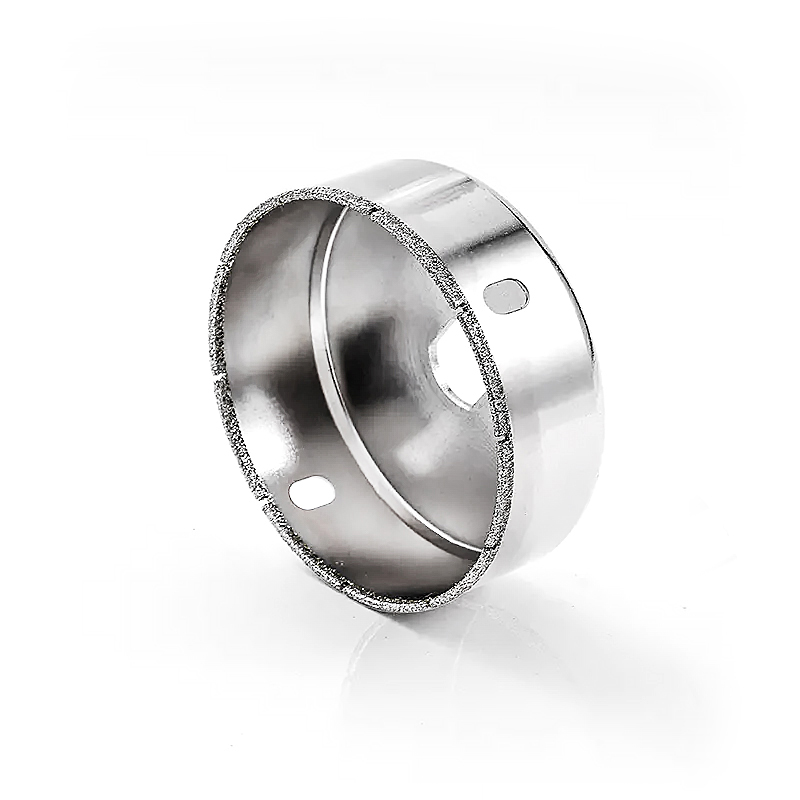
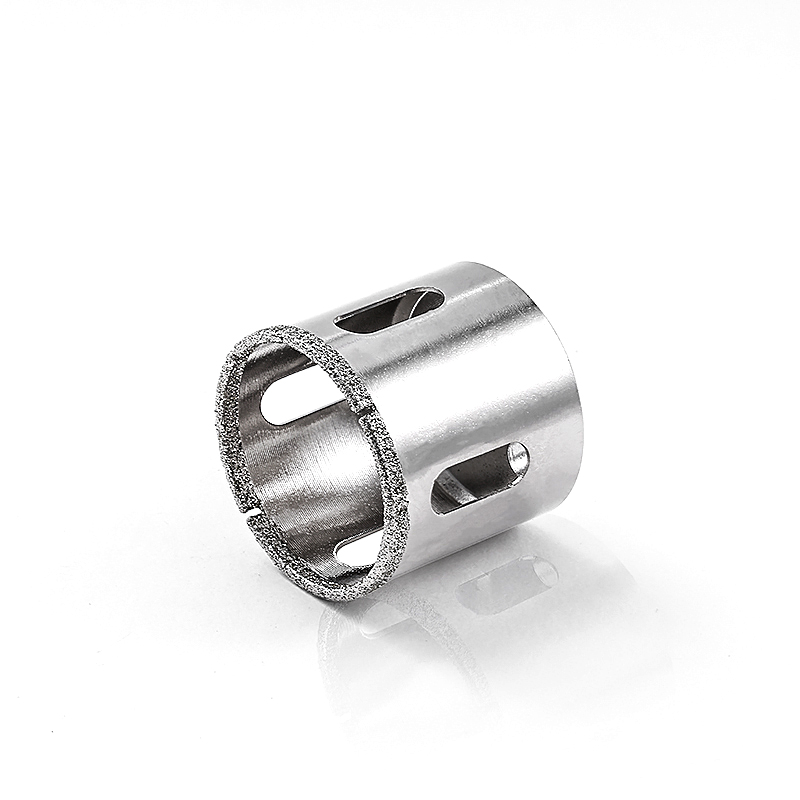
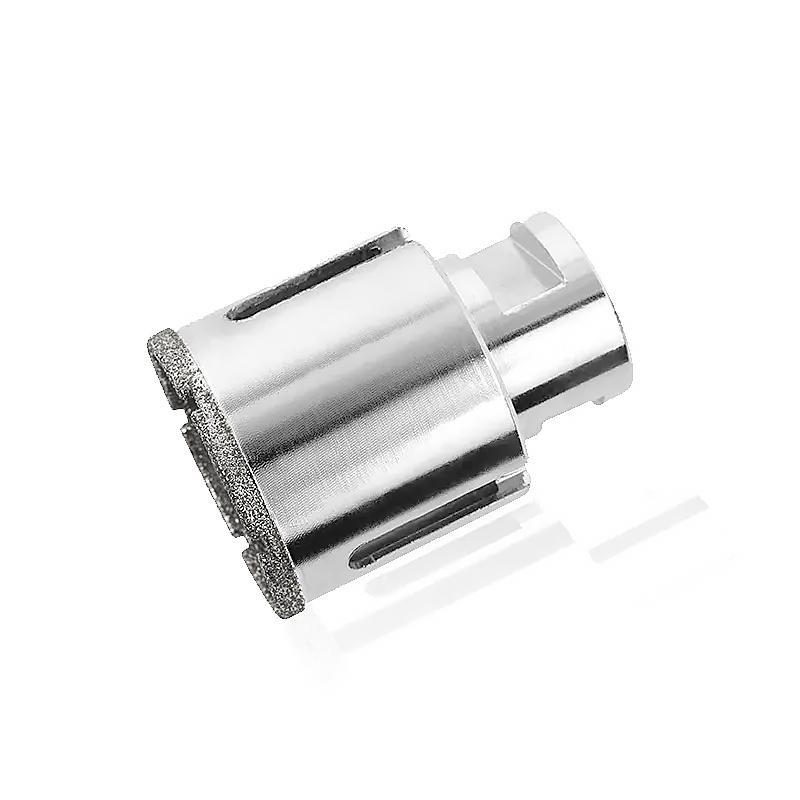
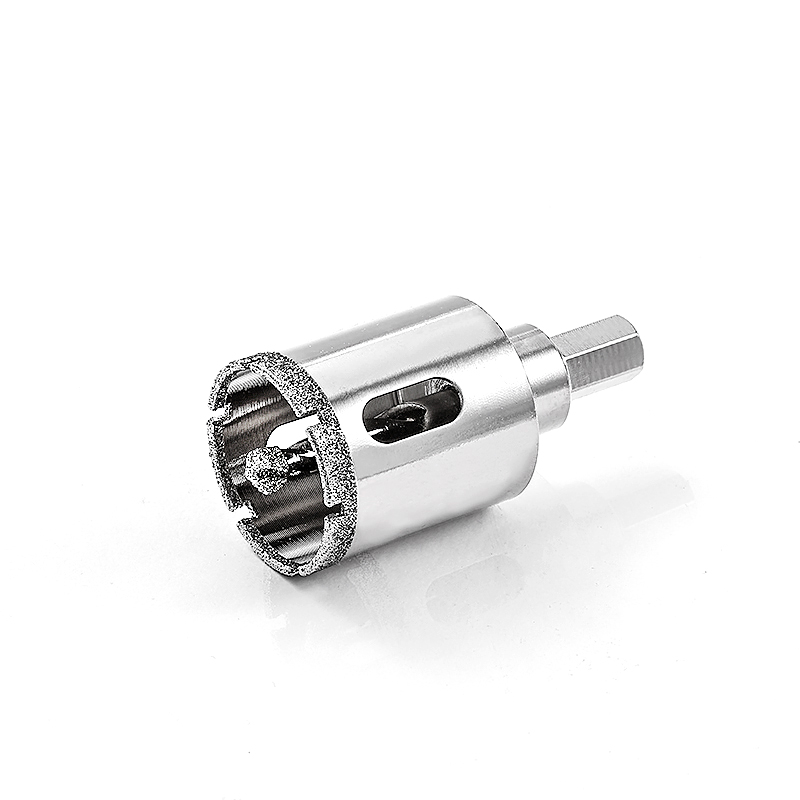
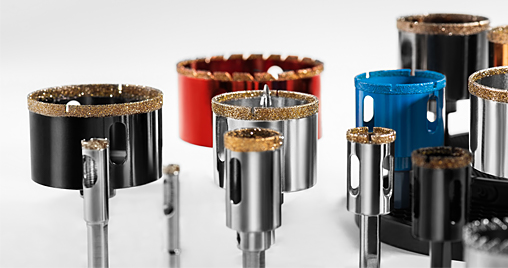
Polished tile surfaces bring a visual upgrade to modern construction, yet drilling through them often reveals an unexpected issue: edge chipping around the hole perimeter. The problem rarely comes from a single cause. It usually results from the interaction between brittle glazed surfaces, diamond abrasion behavior, and unstable drilling conditions. Porcelain-based polished tiles carry extremely dense vitrified bodies with surface glaze hardness close to 7–8 Mohs scale. That structure resists penetration and reacts sharply under uneven stress. A polished tile hole saw works by grinding rather than slicing, and any imbalance in pressure, cooling, or rotation can cause micro-fractures that expand outward from the hole edge.
Glazed Surface Behavior Under Abrasion Stress
Polished tile surfaces contain a glass-like layer that reacts differently compared with the ceramic core beneath. The glaze has low tolerance for lateral vibration.
- Micro-fracture initiation appears at the moment the diamond rim contacts the glaze unevenly.
- Stress reflection occurs at the boundary between glaze and dense porcelain body, creating weak edge zones.
- Surface brittleness increase happens under localized heat buildup from friction.
Reports on porcelain drilling behavior confirm that brittle tile structures tend to crack under pressure concentration combined with friction heat rather than direct cutting force alone.
Diamond Rim Contact Pressure Instability
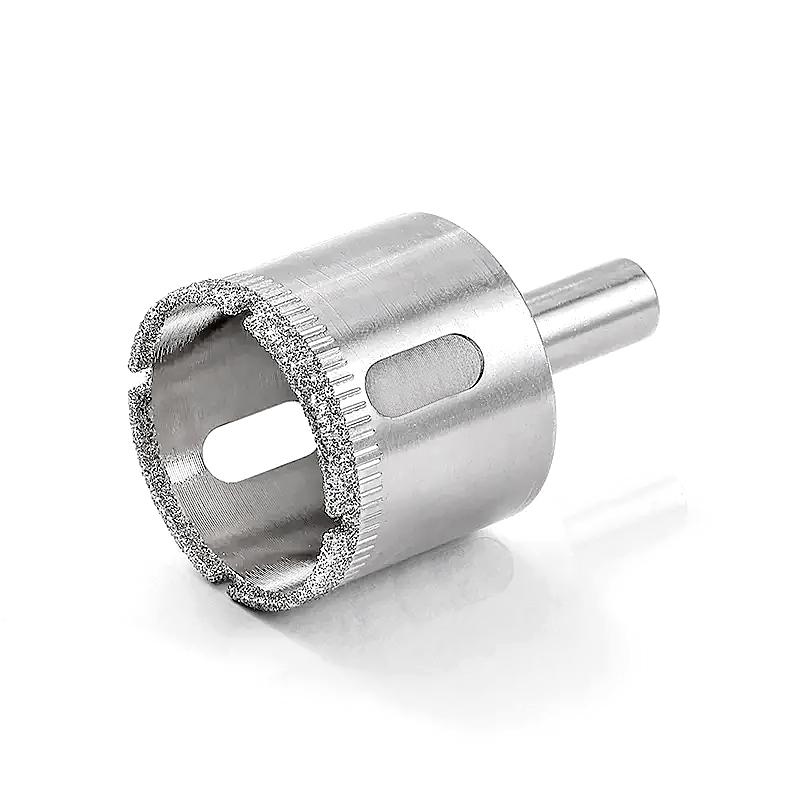
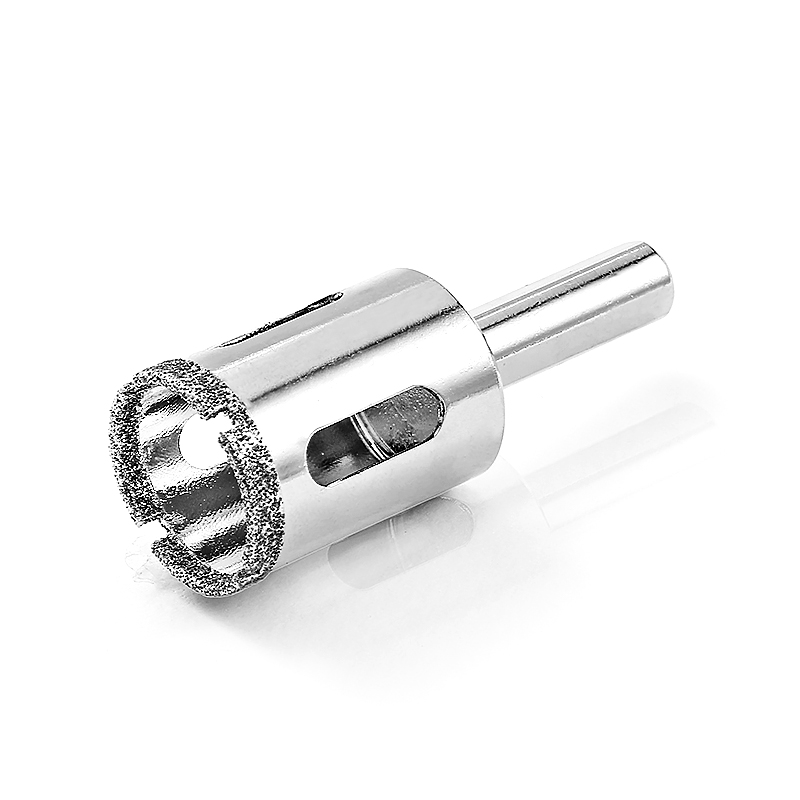
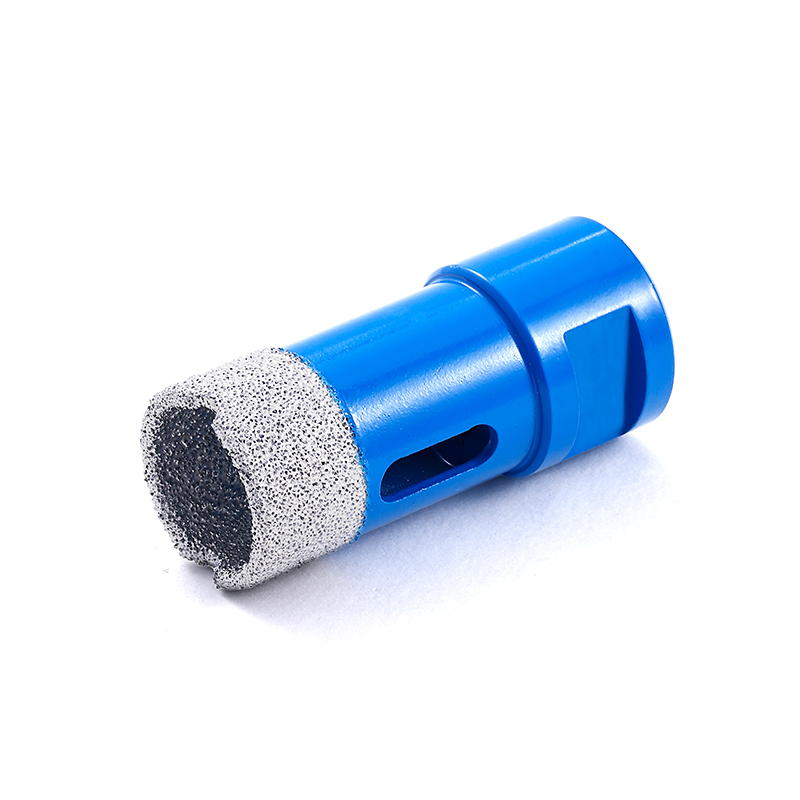
A polished tile hole saw relies on diamond particles bonded to a steel rim. Each particle acts as a micro-grinding point. Uneven contact causes the rim to “bite” instead of grind smoothly.
- Uneven rim engagement produces point-load impact rather than uniform abrasion.
- Segment imbalance increases lateral vibration on entry.
- Diamond exposure inconsistency creates alternating high and low cutting zones.
Once vibration amplitude rises, tile edges respond with chipping because the material cannot absorb oscillating shear forces. This is especially visible on polished surfaces where cracks propagate easily along the glaze boundary.
RPM and Feed Pressure Mismatch
Hole saw performance depends heavily on rotational speed and applied force balance. Excessive speed or pressure shifts the tool from grinding action into destructive friction.
- High RPM overheating reduces bond stability of diamond segments.
- Low RPM with high pressure increases edge catching and sudden fracture.
- Irregular feed rhythm creates alternating load spikes on tile surface.
Technical guidelines for diamond drilling commonly emphasize low-speed rotary motion combined with consistent light pressure to maintain controlled abrasion rather than impact grinding.
Cooling Conditions and Heat Accumulation Zones
Heat buildup remains one of the hidden triggers behind edge chipping. Polished tiles trap thermal stress along the cutting perimeter.
- Dry cutting friction spikes generate localized thermal shock.
- Water-starved cutting zones allow diamond segments to glaze over.
- Uneven cooling distribution creates differential expansion between glaze and body.
Thermal expansion mismatch often causes visible edge spalling, especially on polished porcelain where surface tension is already high.
Material Density Variation Inside Polished Tiles
Polished tiles may look uniform externally, but internal density varies due to manufacturing pressure and firing temperature distribution.
- High-density zones resist penetration and redirect stress sideways.
- Micro-void clusters inside ceramic body amplify crack propagation paths.
- Edge proximity weakness reduces fracture resistance near hole exits.
Because diamond hole saws grind through both glaze and body simultaneously, transitions between density zones often trigger edge breakout rather than clean separation.
Tool Wear and Diamond Exposure Degradation
A worn or glazed hole saw behaves differently from a fresh one. Reduced diamond exposure alters cutting behavior significantly.
- Glazed segments reduce cutting efficiency and increase friction heat.
- Uneven wear patterns introduce wobble during rotation.
- Bond fatigue weakens abrasive retention, reducing stability.
As cutting resistance increases, users often compensate with added pressure, which directly increases edge breakout risk.
Entry Angle and Contact Initialization Errors
Hole initiation stage determines final edge quality more than the drilling phase itself. Poor entry control creates early fractures that expand outward.
- Skating effect on glossy glaze initiates micro-cracks before penetration.
- Off-axis tilt concentrates load on one segment of the rim.
- Sudden engagement shock generates radial crack propagation.
Many drilling failures originate in the first few seconds of contact rather than deeper cutting stages.
Practical Understanding of Edge Protection Behavior
Chip formation around polished tile holes is not random. It reflects predictable mechanical responses between brittle glaze layers and abrasive diamond interaction. Each factor—pressure control, cooling stability, rim balance, and material density—contributes to final edge integrity. Polished tile hole saw systems perform best under controlled grinding conditions where vibration is minimized and thermal load remains stable. Once any of these parameters drift outside optimal balance, edge micro-fractures expand quickly and become visible chips. A stable drilling approach maintains continuous abrasion, reduces stress concentration, and allows the tile surface to break down in a controlled powder form instead of fractured fragments.