English
 中文简体
中文简体 Español
Ceramic Tile Hole Saw Kits: Does Size Variety Matter
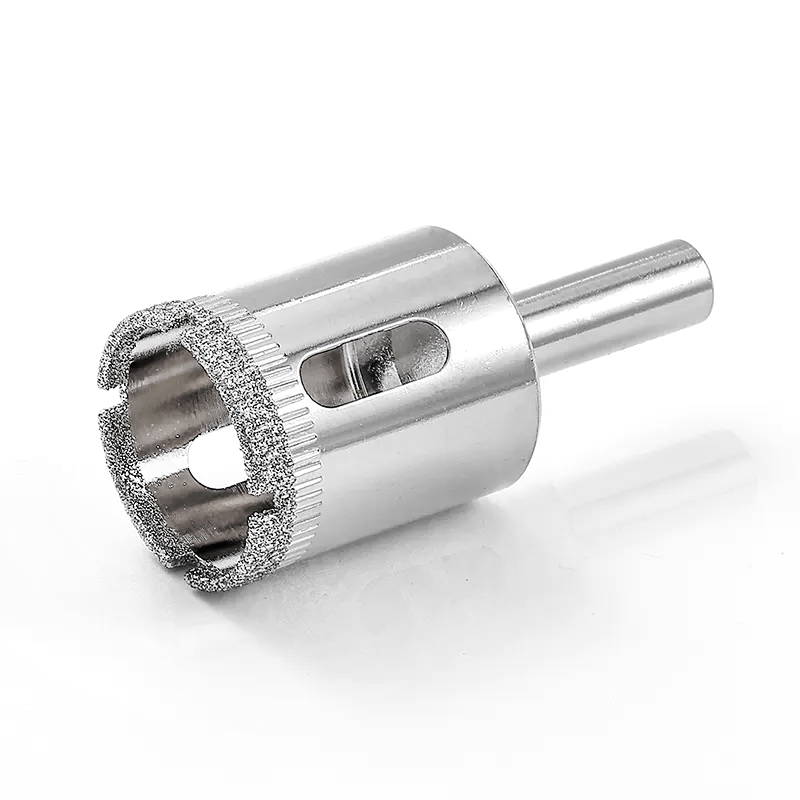
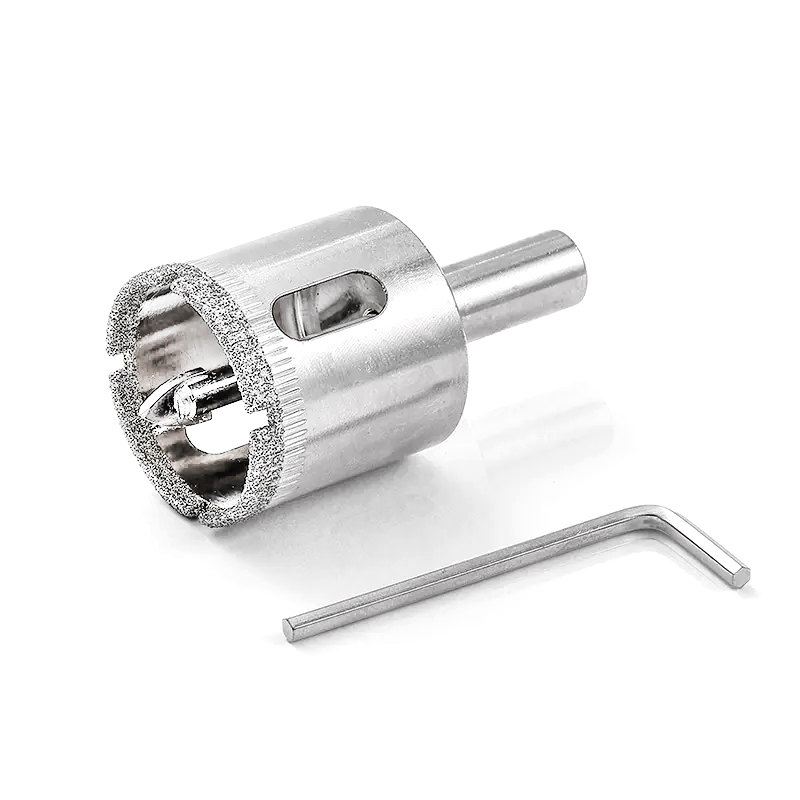
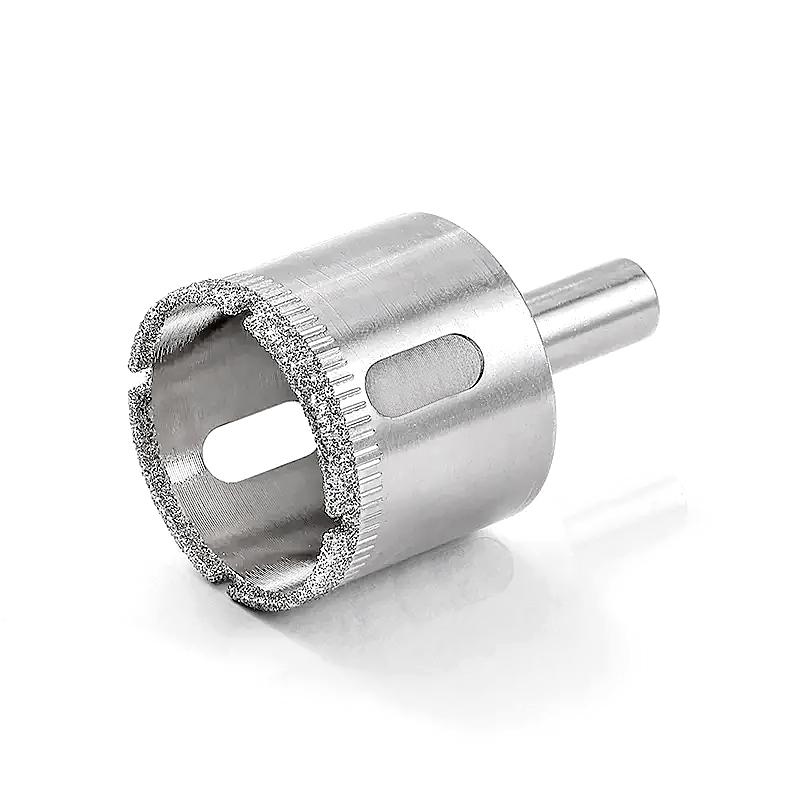
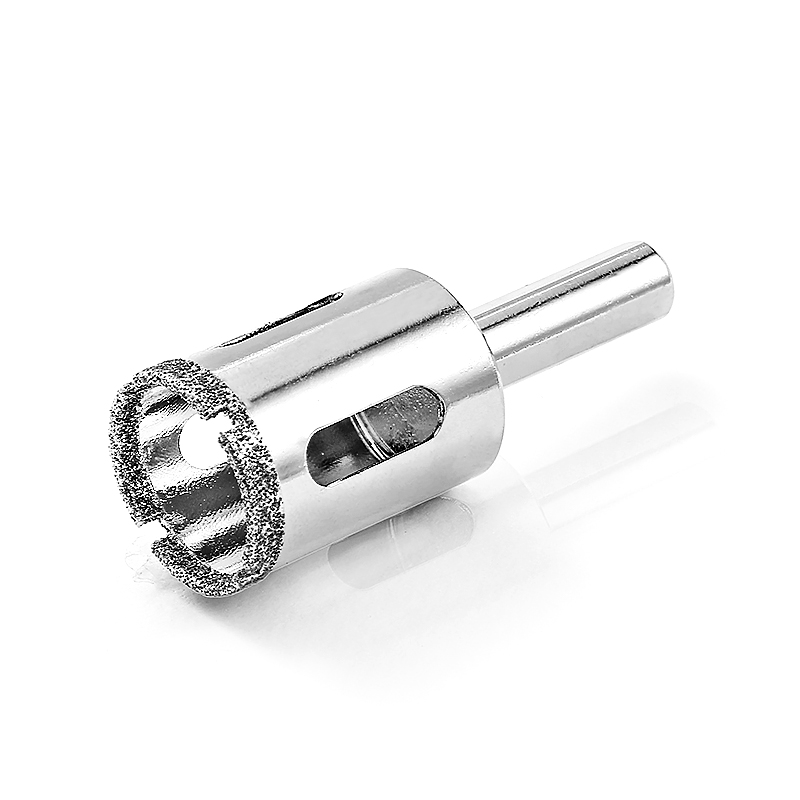
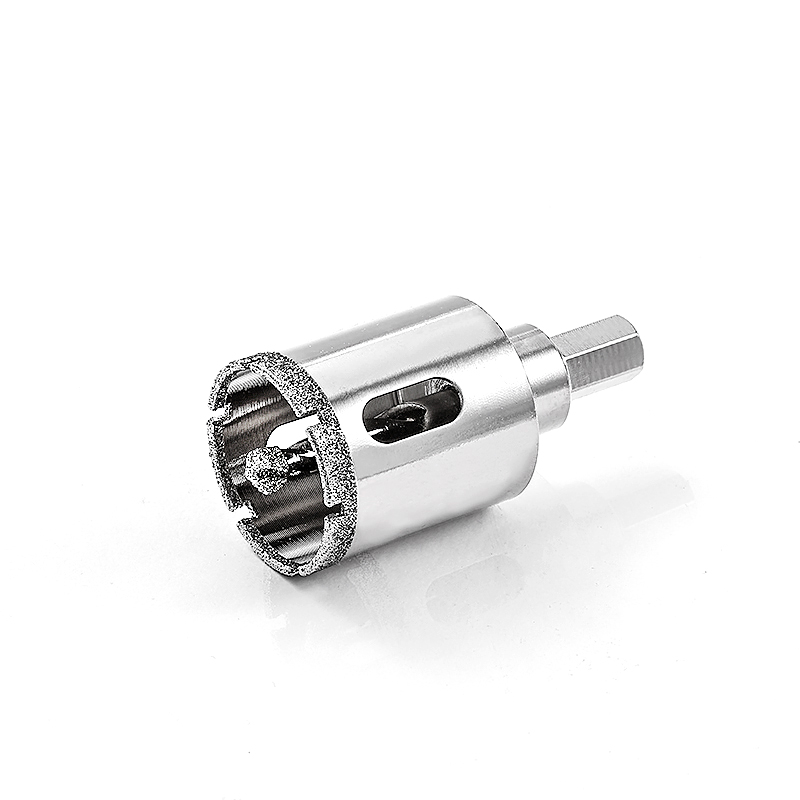
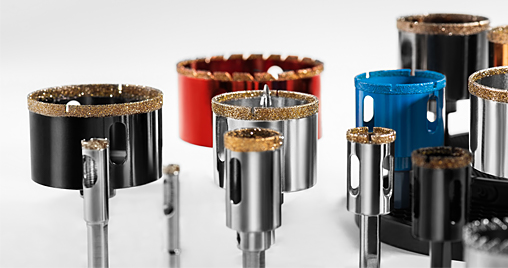
Hole diameter can change completely depending on the fixture being installed. A bathroom accessory may require a small opening, while a pipe fitting or countertop fixture can need a substantially larger cut. This makes size variety a practical consideration for anyone using a ceramic tile hole saw kit.
Not every kit needs ten different diameters. The useful combination depends on the type of installation work, the fittings commonly encountered, and the tile materials being drilled.
Small Sizes Cover More Than Small Projects
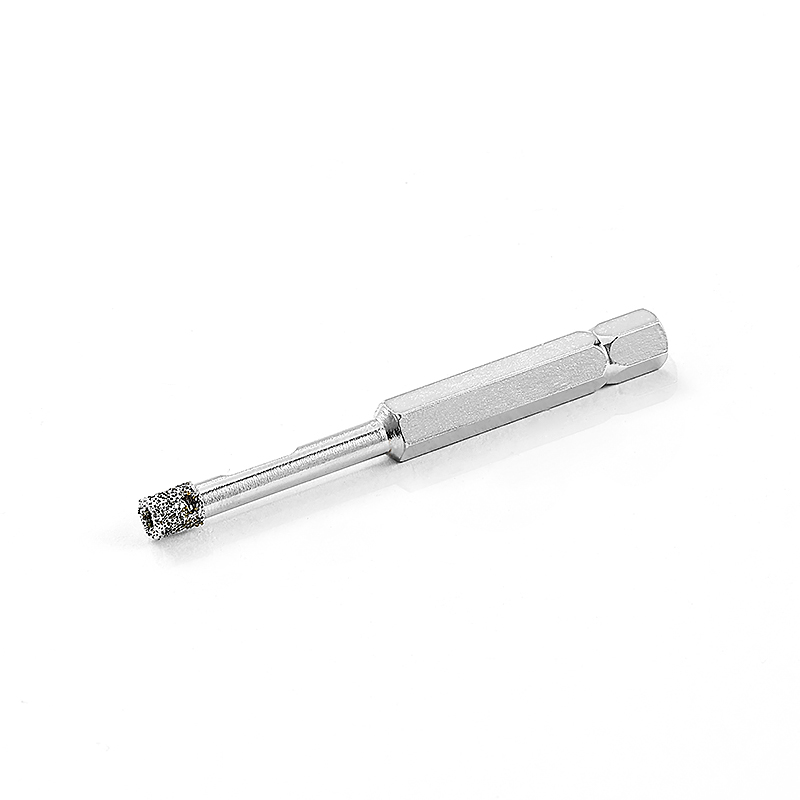
Compact hole saws are useful around bathrooms, kitchens, and wall installations. Openings around 6–12 mm can accommodate certain anchors, screws, brackets, and small fixture connections.
- 6 mm: Suitable for compact fastening and mounting applications.
- 8–10 mm: Useful for small anchors, brackets, and hardware penetrations.
- 12 mm: Provides additional clearance for selected plumbing and installation components.
Commercial kits commonly group 6 mm, 8 mm, 10 mm, and 12 mm sizes together. QEP, for example, offers a four-piece kit containing 6 mm, 8 mm, 10 mm, and 12 mm diamond hole saws for ceramic, porcelain, and glass tile applications.
Mid-Range Diameters Handle Fixture Openings
Diameter requirements become more varied around bathroom and kitchen fixtures. Faucet penetrations, water connections, electrical conduits, and other fittings may require noticeably larger openings than wall anchors.
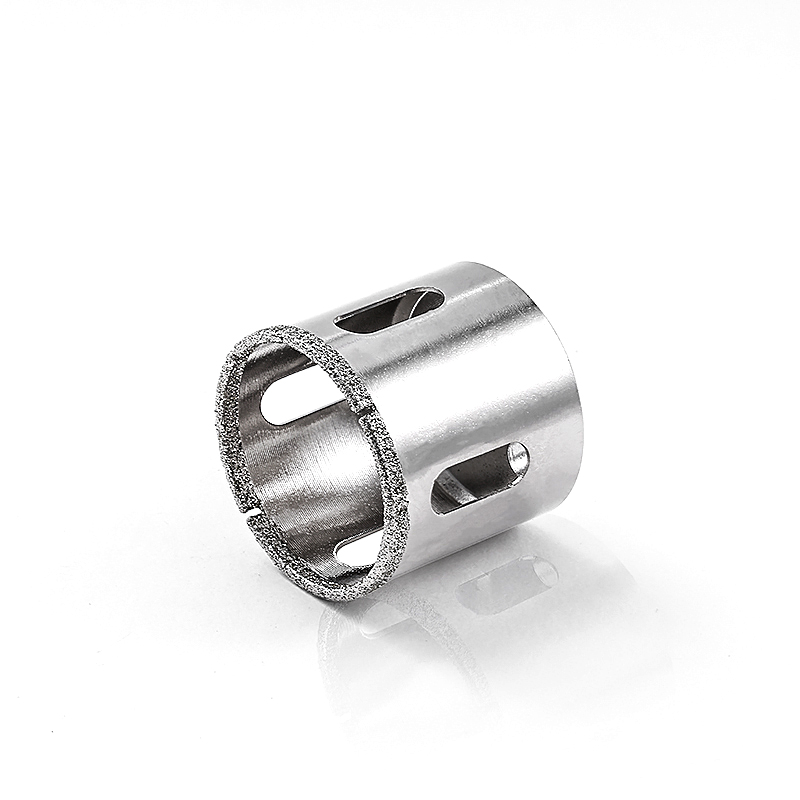
- 20–25 mm: Useful for selected pipe and cable penetrations.
- 30–35 mm: Suitable for various fixture and plumbing openings.
- 40–50 mm: Provides clearance for larger fittings and installation components.
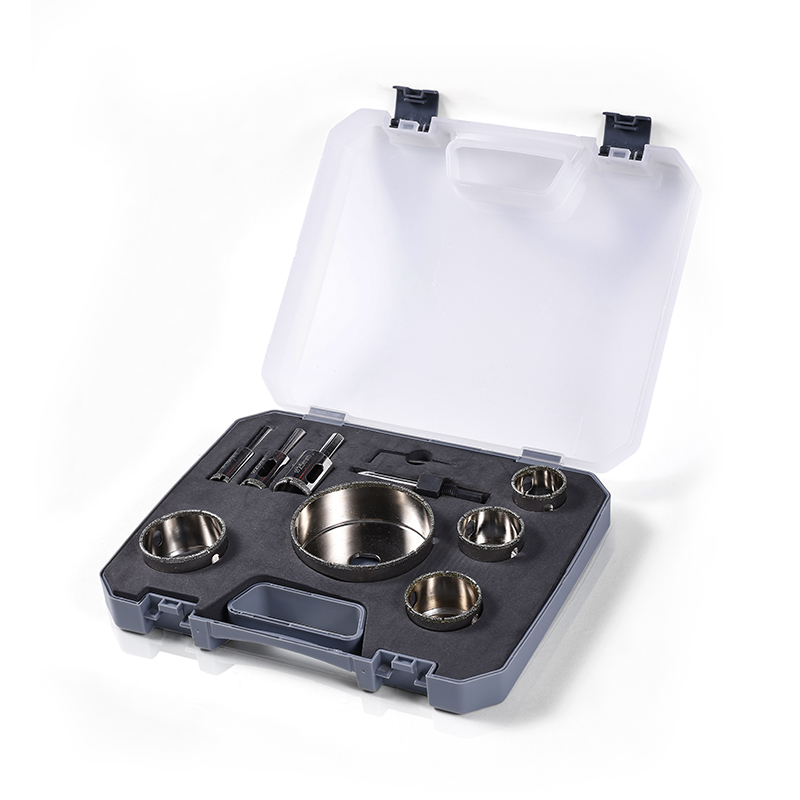
Several current 10-piece kits use a sequence such as 6, 10, 12, 20, 25, 30, 35, 40, 45, and 50 mm. Such spacing gives installers multiple intermediate diameters rather than forcing every application into a small, fixed selection.
Does a Larger Kit Always Make Sense?
More pieces do not automatically create a better tool set. A contractor who mainly installs bathroom accessories may repeatedly use only four or five diameters. Carrying unused sizes adds storage requirements without necessarily adding practical value.
A focused ceramic tile hole saw kit can therefore make sense for specialized installation work. Four-piece configurations currently available on the market may concentrate on common sizes such as 1/4", 5/16", 1", and 1-3/8".
Large Diameters Change the Job
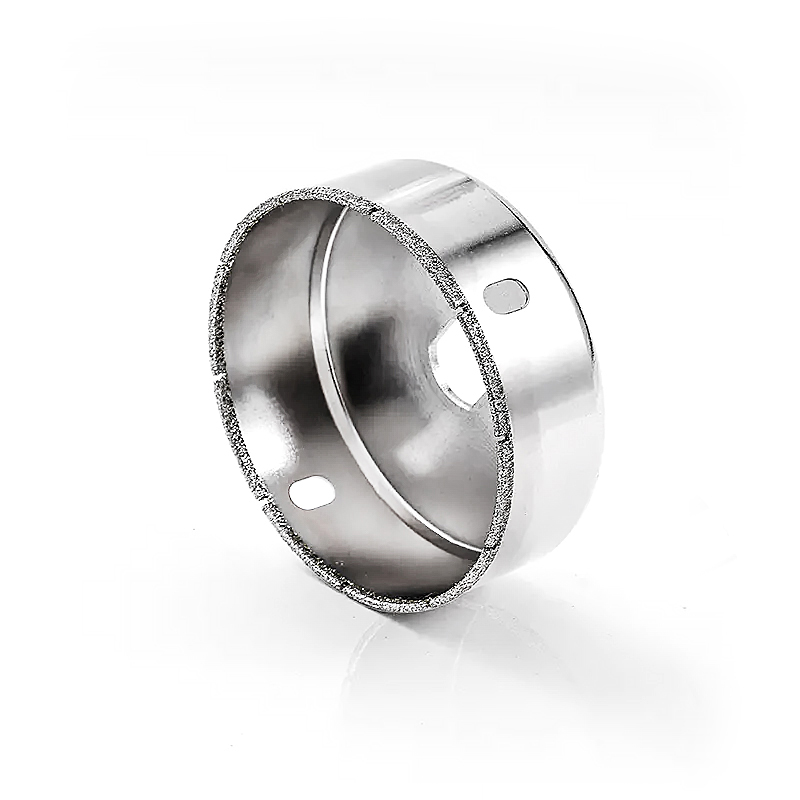
Once hole sizes move beyond approximately 50 mm, the application usually shifts toward larger pipes, drains, countertop fittings, or other substantial penetrations. Some kits extend to 65, 75, or even 100 mm, creating a much broader diameter range.
- 50–65 mm: Useful for larger plumbing and fixture clearance.
- 75 mm: Can address larger pipe-related openings.
- 100 mm: Suited to substantially larger penetrations where the installation specification calls for it.
Current multi-size sets demonstrate this broader approach, with some configurations extending from 6 mm through 100 mm.
Size Spacing Matters Too
Two kits may contain the same number of pieces yet offer very different practical coverage. A set with evenly distributed diameters can address gradual changes in fitting dimensions, while a set with large gaps may leave installers without the required intermediate size.
Consider a sequence such as 20, 25, 30, 35, and 40 mm. Five sizes cover a relatively narrow diameter range, but each step can correspond to a different fixture requirement. Another kit may jump from 25 to 50 mm, creating broader coverage but fewer intermediate options.
Material Compatibility Still Counts
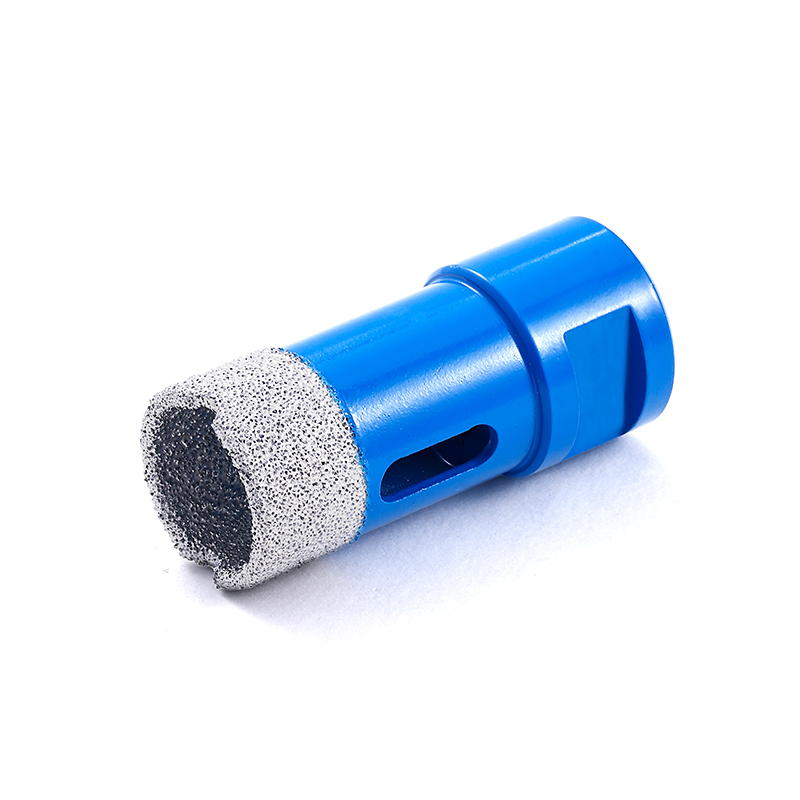
Size should never be considered separately from material. Ceramic tile, porcelain, marble, granite, and glass can have different cutting requirements. Some multi-size diamond kits are rated across several hard surfaces, while other products focus specifically on ceramic and porcelain tile.
A kit offering ten diameters becomes more useful when its diamond cutting structure is also suitable for the materials encountered during installation.
What Makes a Kit Practical?
The value of a ceramic tile hole saw kit comes from the relationship between size coverage and actual installation needs. Small sets can work well around common bathroom accessories, while broader collections provide more flexibility across plumbing, electrical, countertop, and renovation projects.
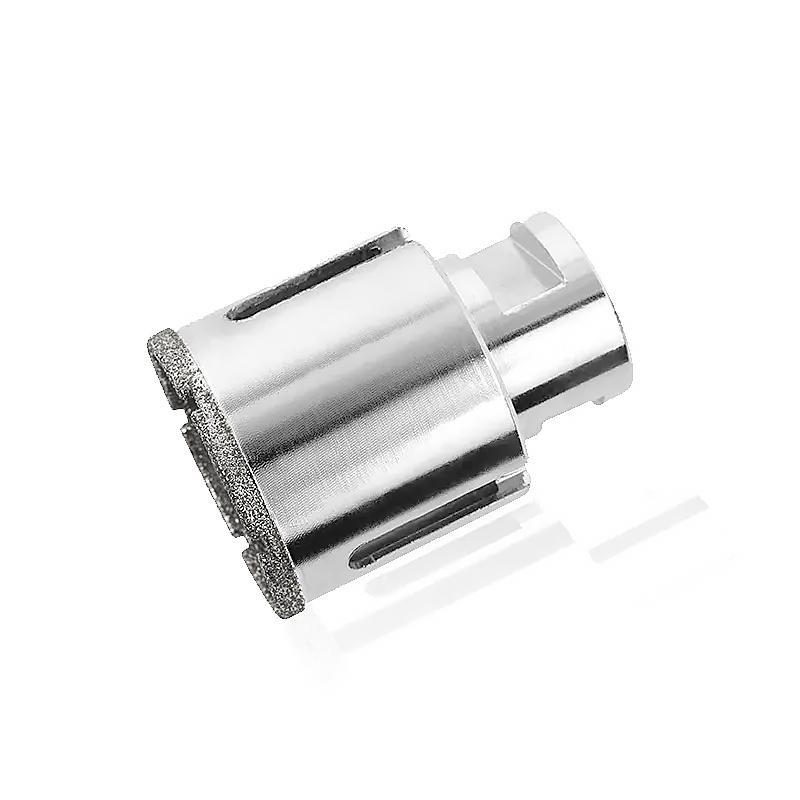
Rather than counting pieces alone, users should look at the diameter sequence, compatible tile materials, drilling method, shank configuration, storage format, and the specific fittings the kit is expected to handle. A well-planned size range can make a hole saw kit considerably more useful without simply adding extra pieces.