English
 中文简体
中文简体 Español
Where Do Vacuum Brazed Diamond Tools Really Fit
Diamond tooling covers a wide range of cutting, drilling, grinding, and profiling jobs, yet the bonding method can change how the abrasive behaves. Vacuum brazed diamond tools use a brazing alloy to attach diamond grits directly to a metal substrate under controlled vacuum conditions. This structure gives the abrasive layer a different working profile from resin-bonded or sintered diamond products.
The real question is not simply whether a tool contains diamond. The more useful question concerns the type of workpiece, cutting geometry, abrasive exposure, and operating conditions involved.
Hard Materials Create a Natural Application Zone
Vacuum brazed designs are commonly associated with hard and brittle materials that require exposed diamond cutting points. Published technical sources describe applications across stone processing, glass, ceramic, concrete, and other demanding materials.
- Natural stone: Granite, marble, limestone, and similar materials can be processed with suitable brazed diamond geometries.
- Ceramic materials: Ceramic and porcelain surfaces can require an abrasive edge capable of maintaining contact with dense material.
- Glass: Diamond tools can be configured for drilling, cutting, and profiling applications involving glass.
- Concrete and masonry: Suitable core drills and cutting tools can address hard mineral-based materials.
Cutting Is Only Part of the Picture
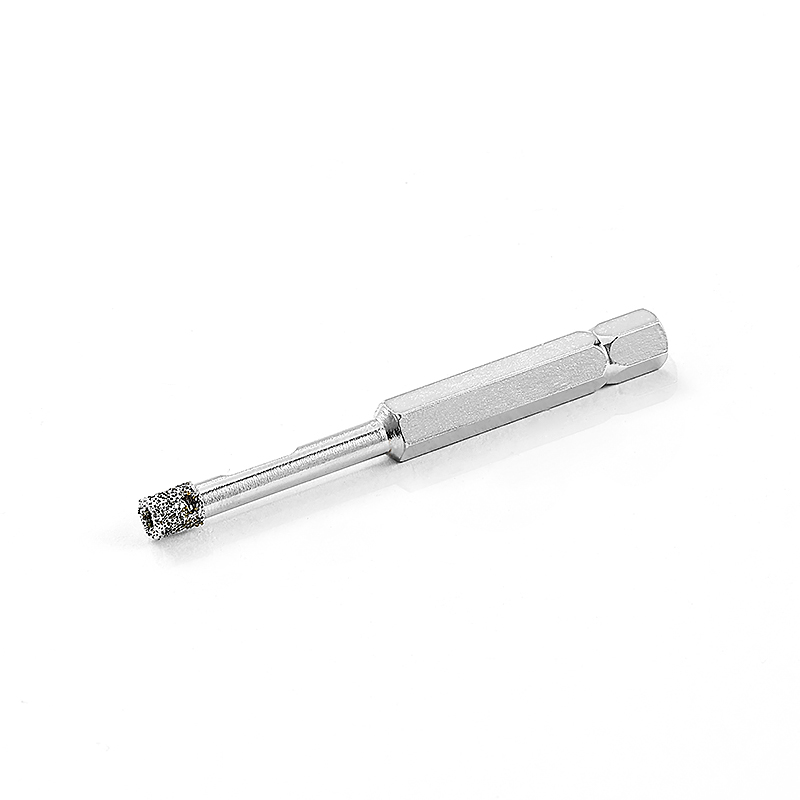
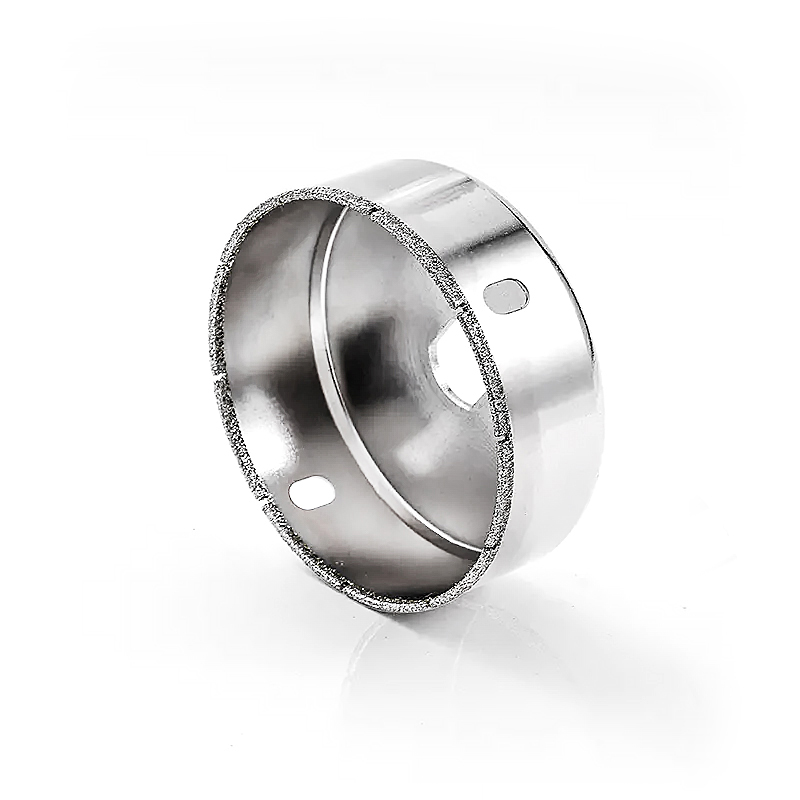
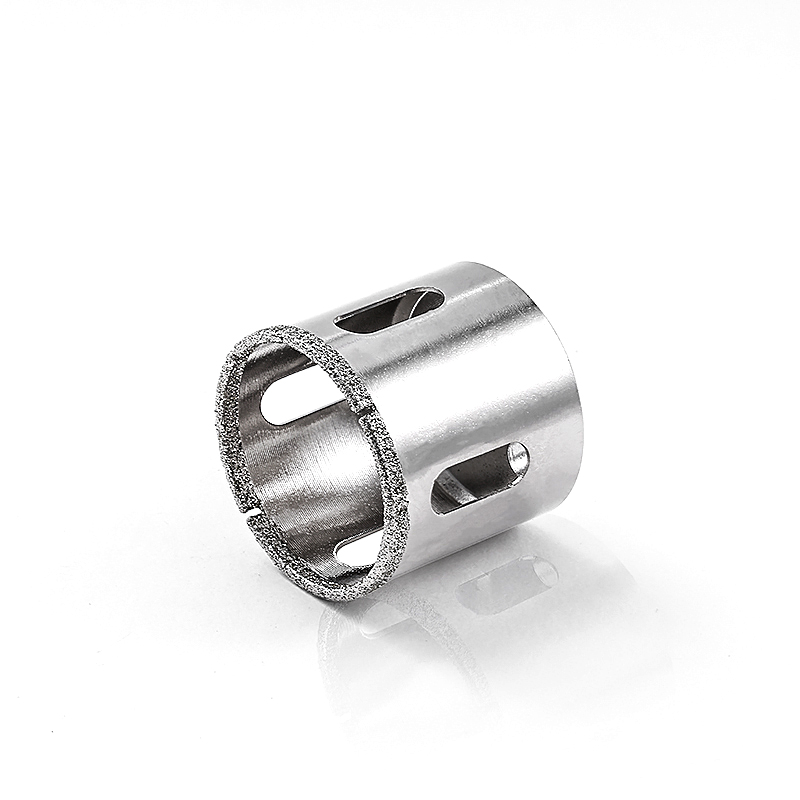
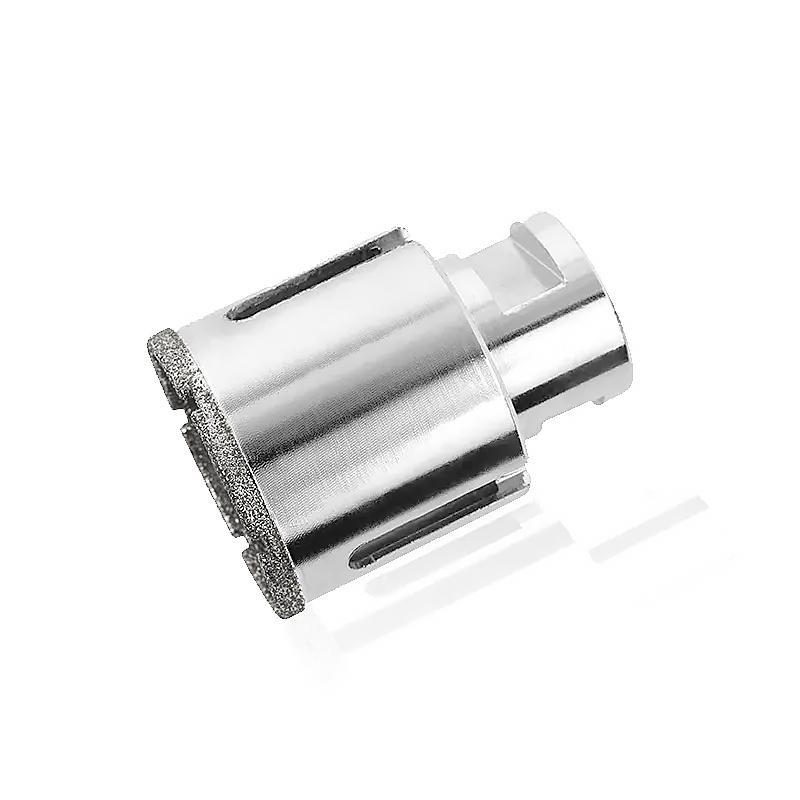
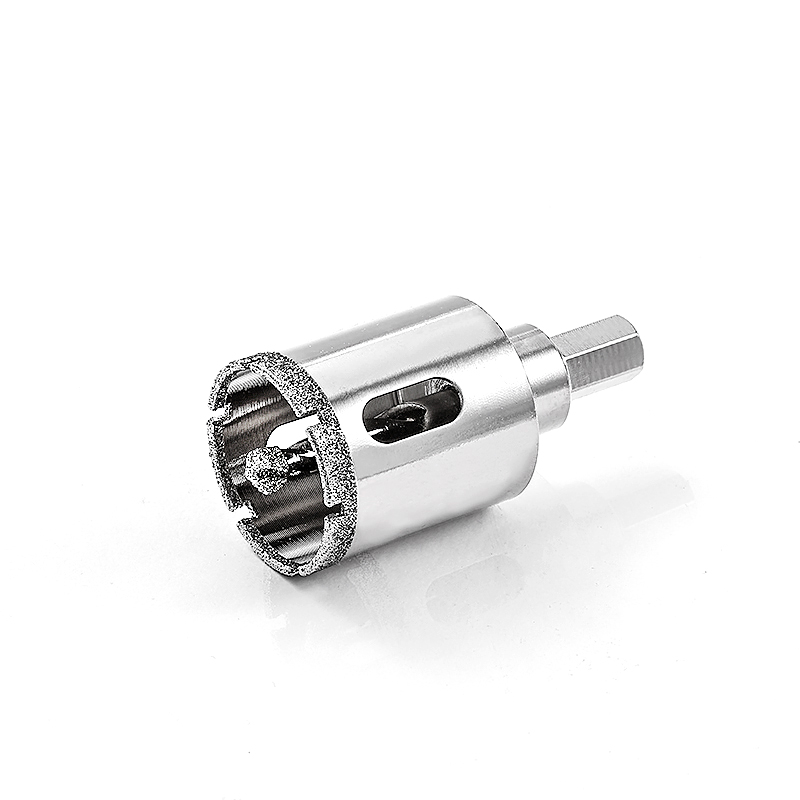
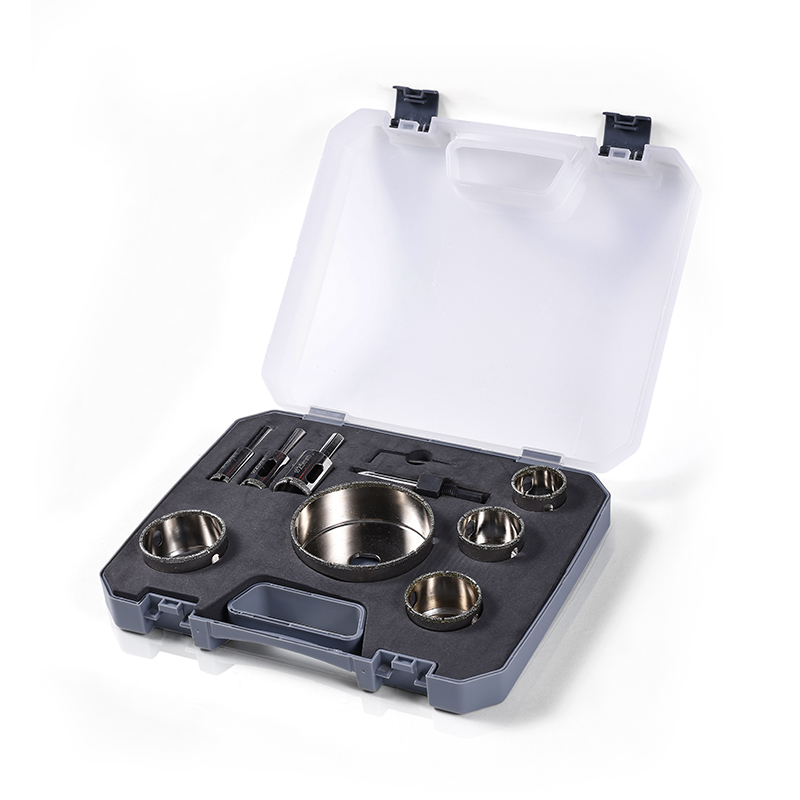
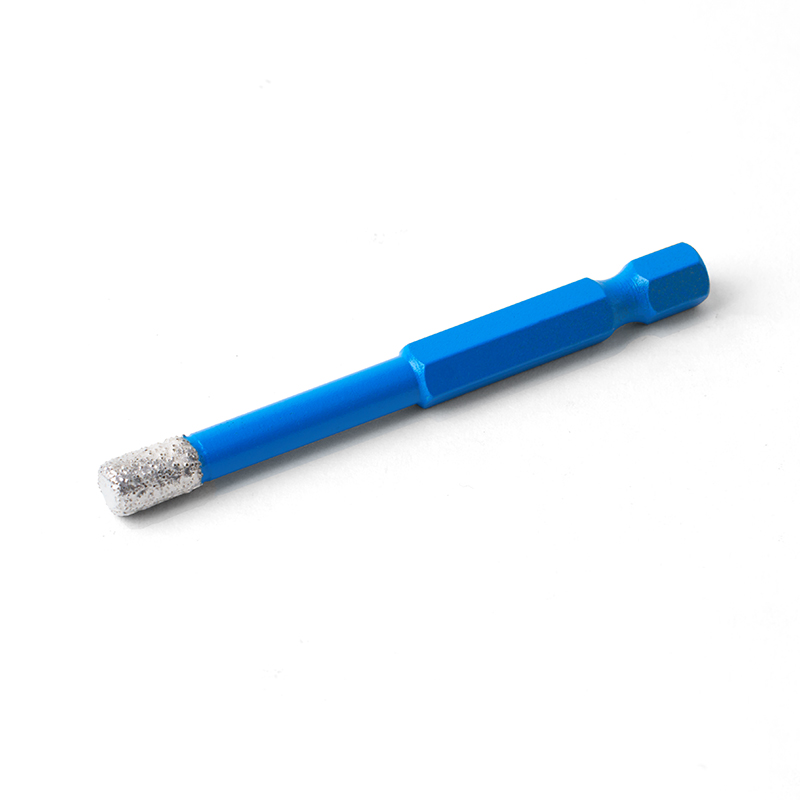
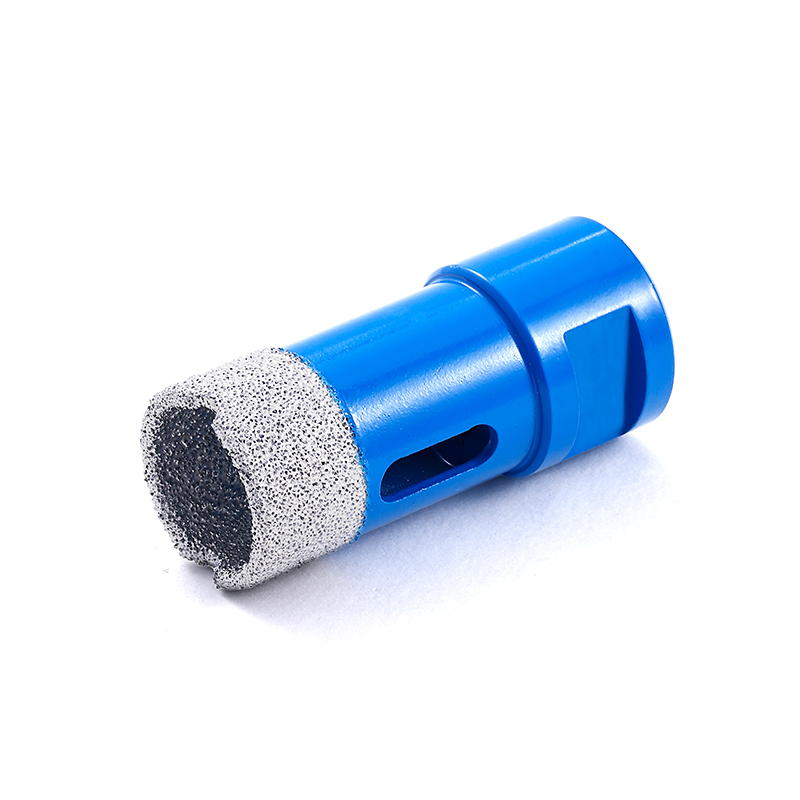
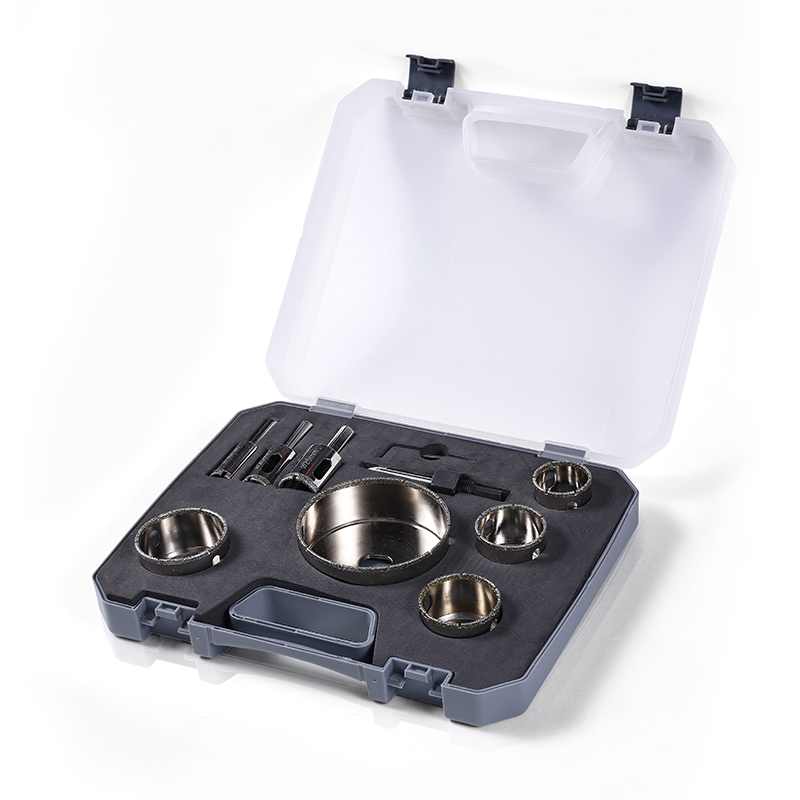
Tool geometry determines how the diamond layer interacts with the workpiece. Vacuum brazed products are available as core drills, blades, grinding discs, profiles, and other specialized shapes. Different forms can address circular holes, straight cuts, edge shaping, surface grinding, or complex contours.
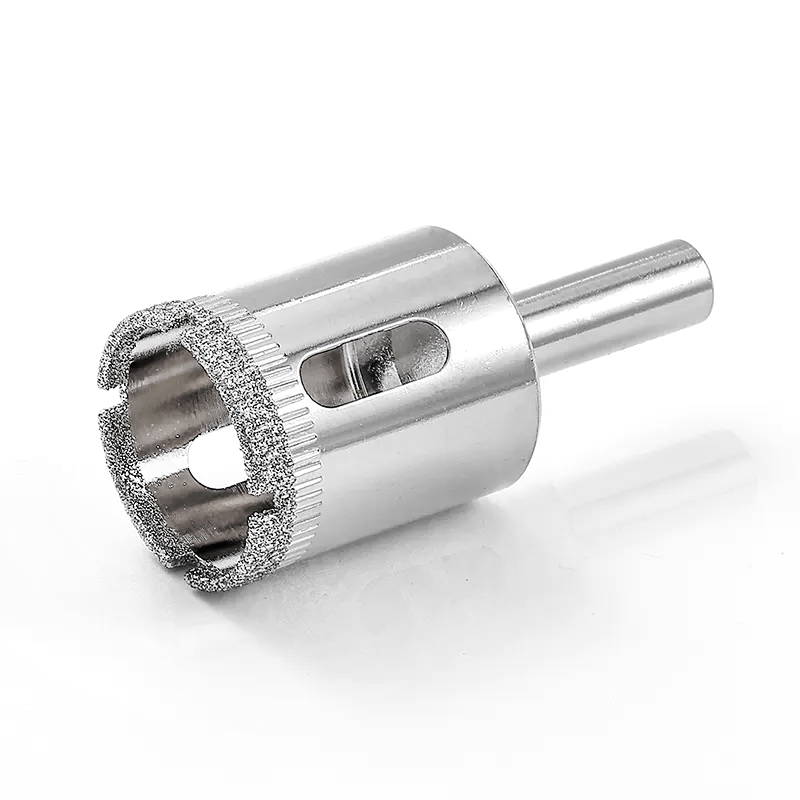
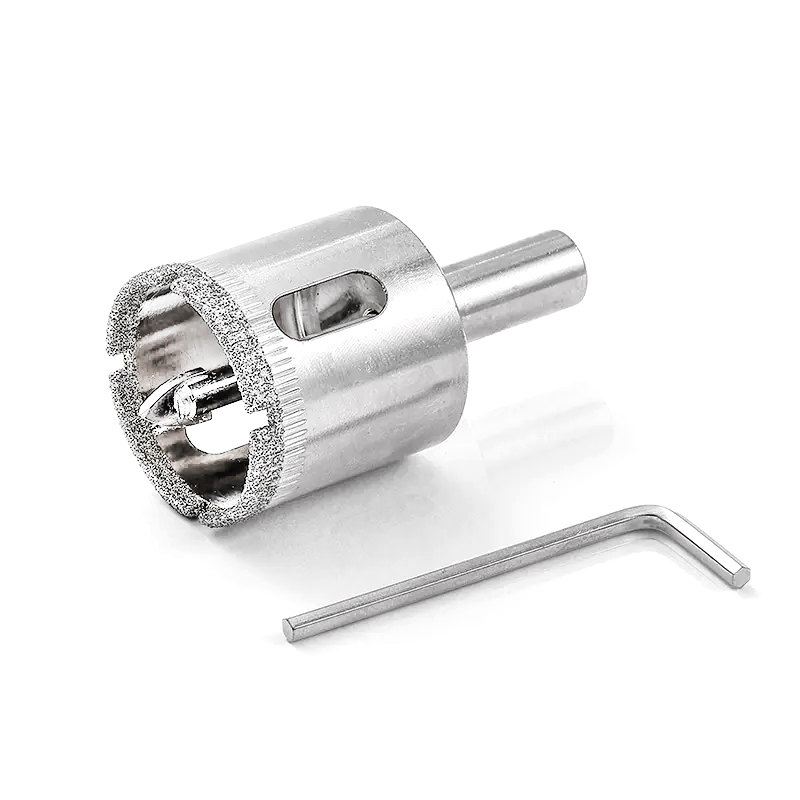
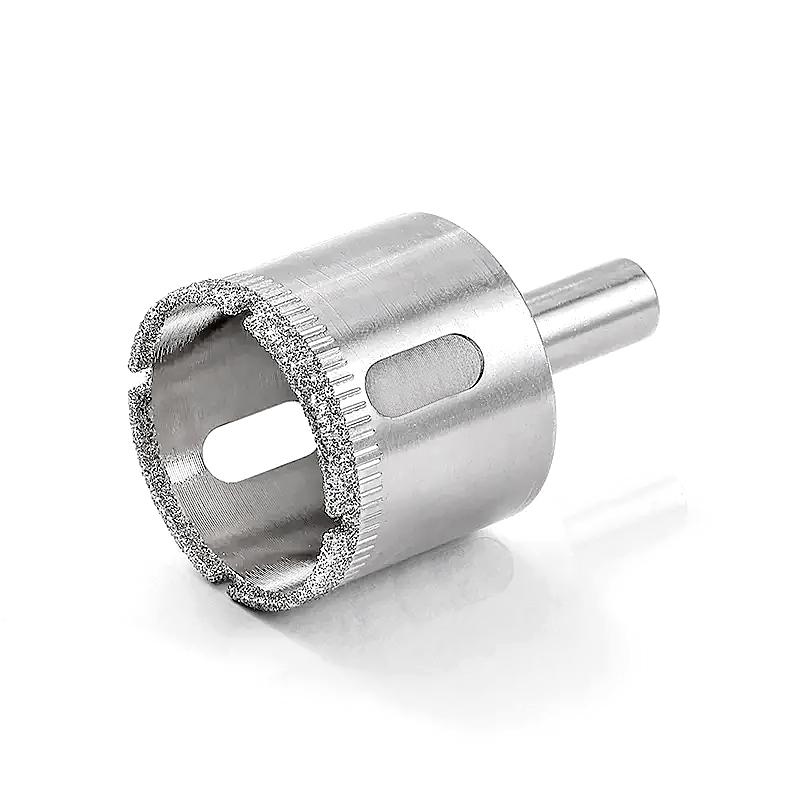
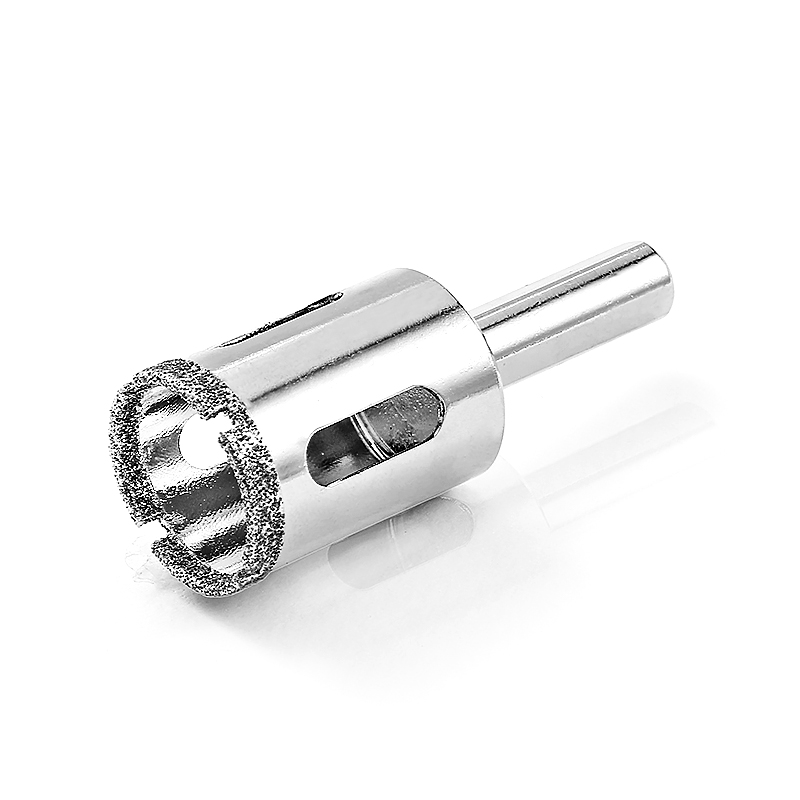
- Core drills: Designed around circular material removal and hole production.
- Cutting blades: Suitable for straight or shaped cuts across compatible hard materials.
- Grinding discs: Used for surface preparation, edge shaping, and material removal.
- Profile tools: Useful for curved edges, contours, and specialized stone-processing work.
Why Diamond Exposure Matters
The diamond particles form the active cutting points. Vacuum brazing creates a metallurgical connection between the abrasive and the tool body, allowing the diamond to remain exposed above the brazing layer. Research on brazed diamond tools reports that substantial diamond protrusion can be achieved, providing cutting edges and chip space during machining.
That structure can be valuable across applications where the abrasive needs to engage hard material directly rather than remain deeply embedded inside a dense bonding matrix.
Grit Size Changes the Working Character
Diamond grit specification also affects the final behavior of the tool. Coarser particles can suit heavier material removal, while finer grit can support applications where surface appearance and edge condition receive greater attention. Diamond concentration and particle distribution further influence the contact between tool and workpiece.
Dry or Wet Processing?
Processing conditions should be considered alongside tool construction. Certain vacuum brazed products are designed for dry drilling, while other configurations can operate with water assistance. Product geometry, workpiece material, machine speed, and heat generation all influence the appropriate setup.
- Dry drilling: Useful on compatible ceramic, porcelain, glass, and similar applications where the tool is rated for dry operation.
- Wet processing: Water can assist with temperature control and debris management across suitable applications.
- Machine compatibility: RPM, spindle interface, power, and tool diameter should match the product specification.
Where Does the Technology Make Less Sense?
Vacuum brazed diamond tools should not be treated as a universal replacement for every diamond-bond system. Material characteristics, required surface finish, cutting depth, machine rigidity, and thermal conditions can favor different tool constructions.
Resin-bond, metal-bond, electroplated, and brazed tools each create different abrasive working conditions. A production process requiring controlled finishing may have different requirements from a job focused on aggressive stock removal or complex profiling.
Matching the Tool to the Process
Vacuum brazed technology fits applications where exposed diamond, firm grit retention, and specialized tool geometry are valuable. Core drilling in stone, cutting porcelain, grinding granite, profiling marble, and processing glass represent several practical areas.
The key specification is therefore not simply the phrase vacuum brazed diamond tools. Diameter, grit size, diamond concentration, tool geometry, mounting interface, workpiece material, and dry or wet operation should all be considered together. Such an approach makes the technology easier to apply across different cutting and grinding requirements without assuming that the same tool design suits every job.