English
 中文简体
中文简体 Español
Why Is a Vacuum Brazed Diamond Hole Saw Used in Plumbing and Construction Work?
In construction, renovation, and installation work, drilling through hard materials like tile, stone, and concrete requires tools designed for controlled cutting. The Vacuum Brazed Diamond Hole Saw is commonly used for creating clean openings in dense surfaces without excessive cracking or surface damage.
Instead of relying on traditional cutting methods, the Vacuum Brazed Diamond Hole Saw uses bonded diamond particles to interact directly with hard materials, allowing more controlled material removal during drilling tasks.
Tool Structure and Manufacturing Method
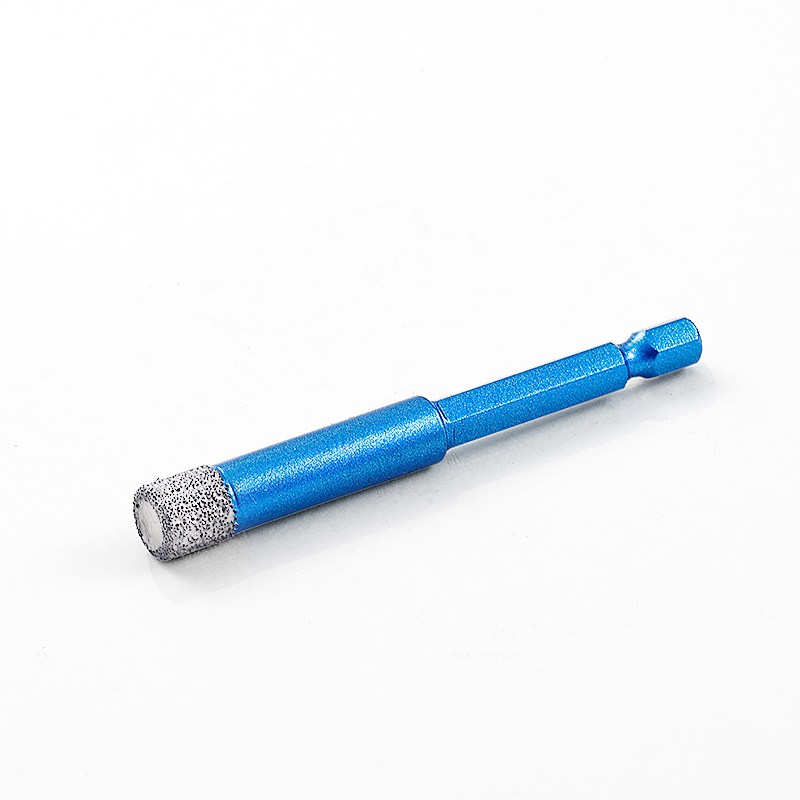
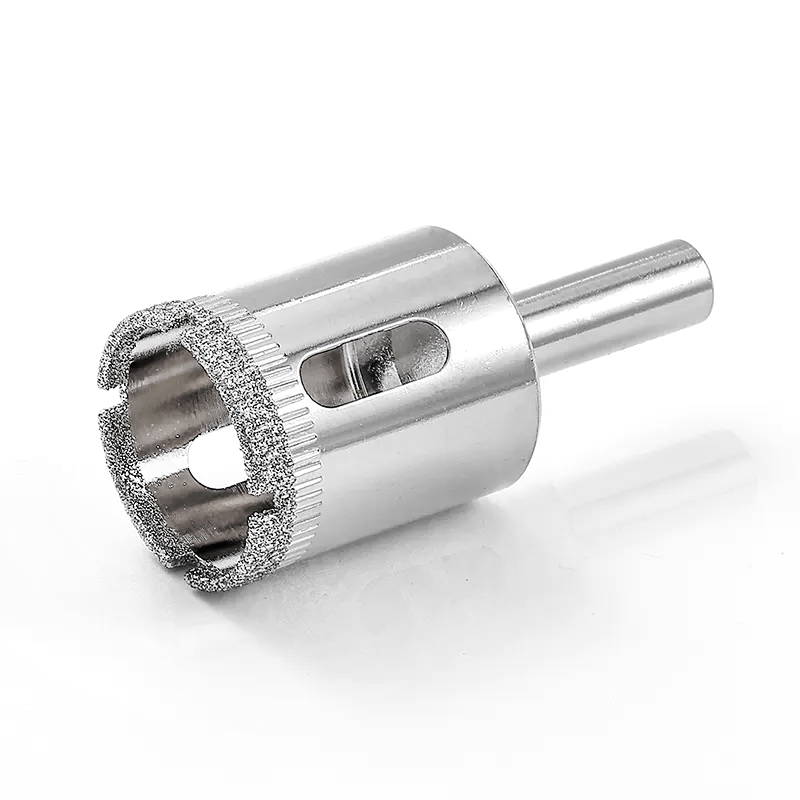
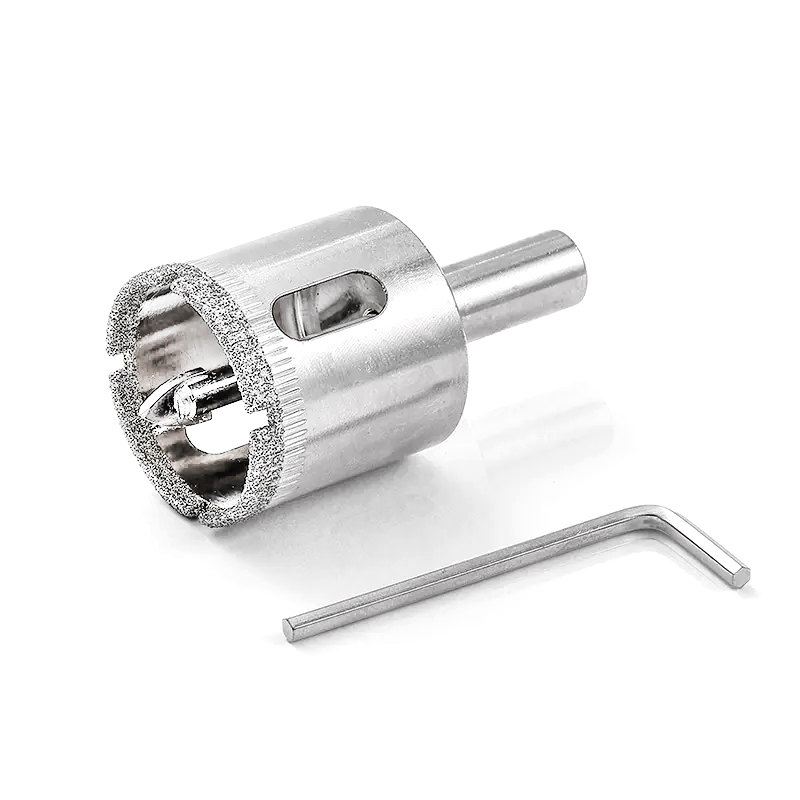
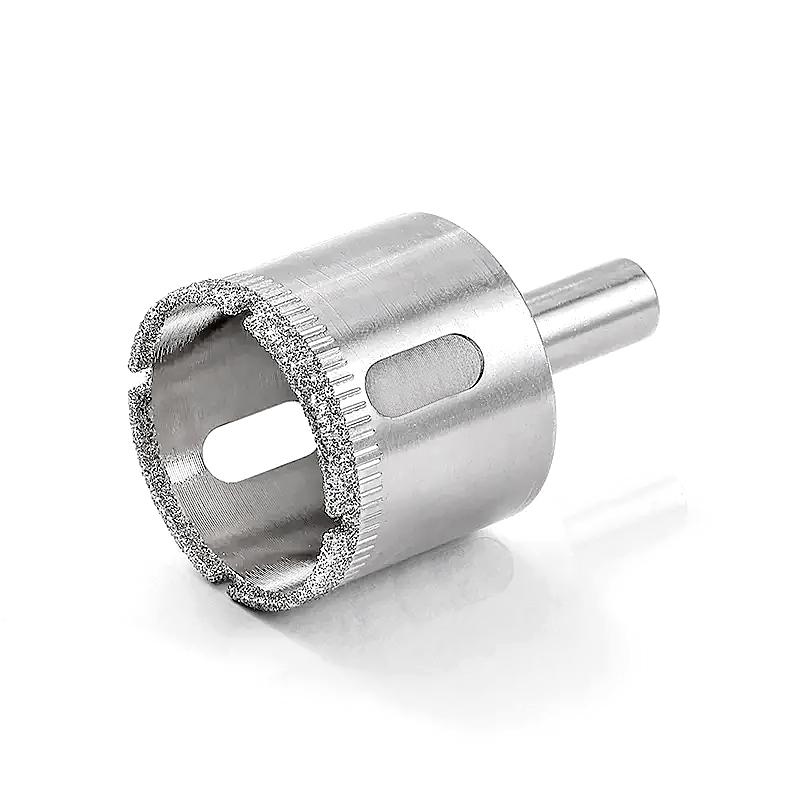
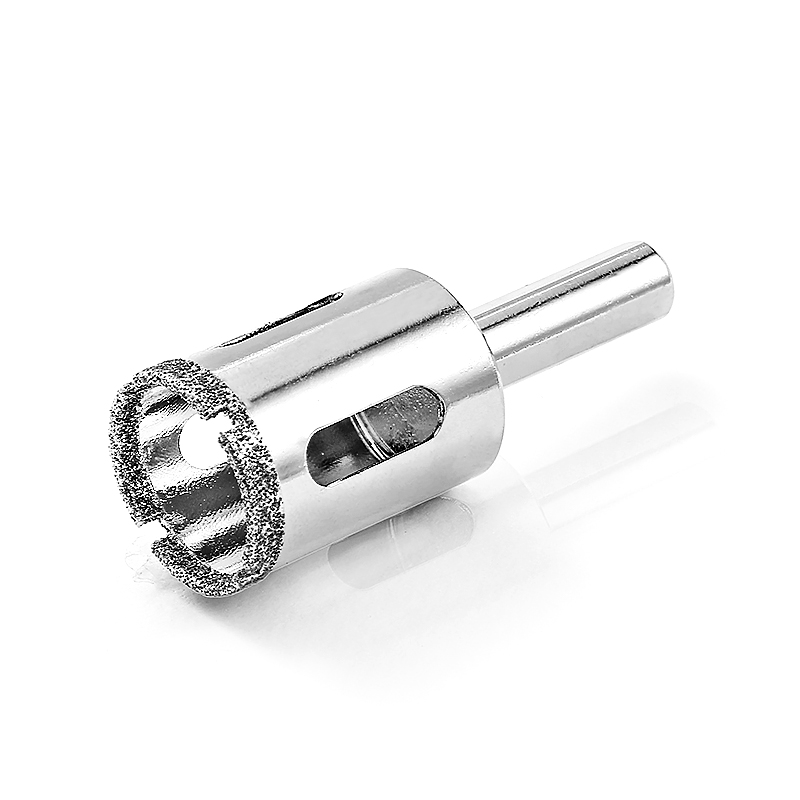
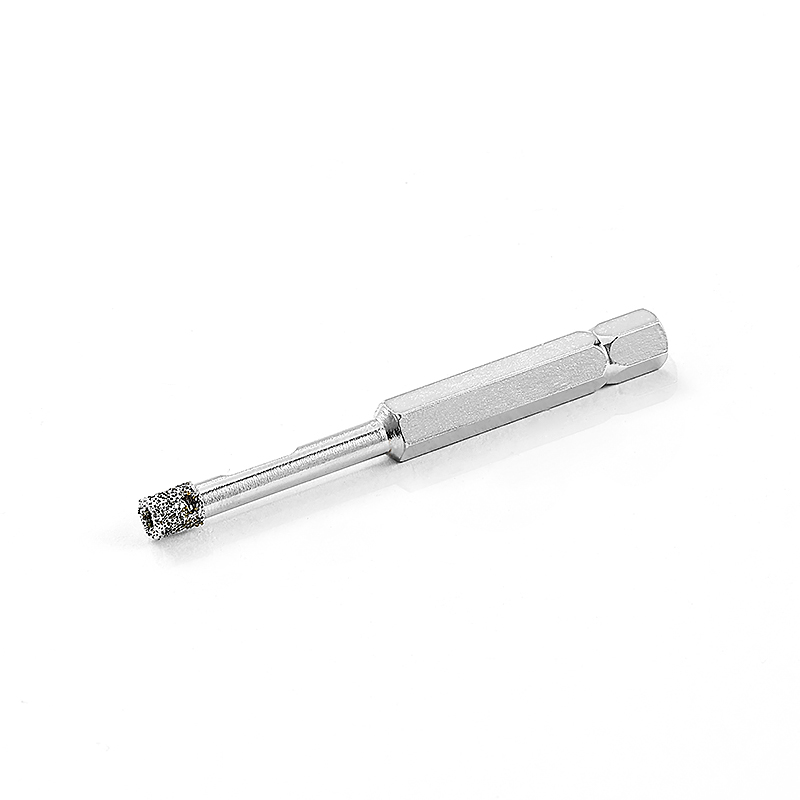
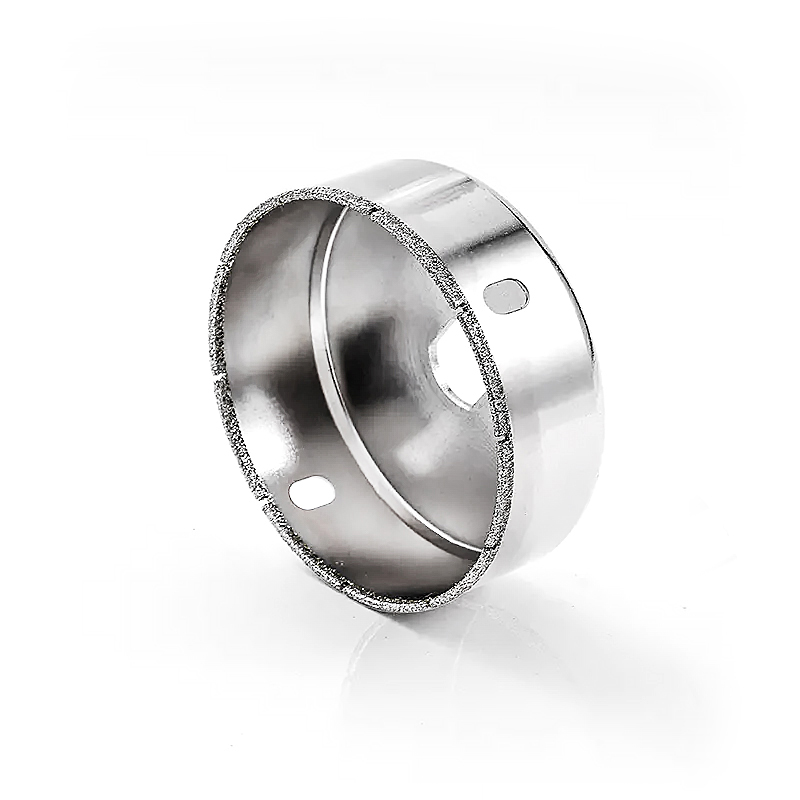
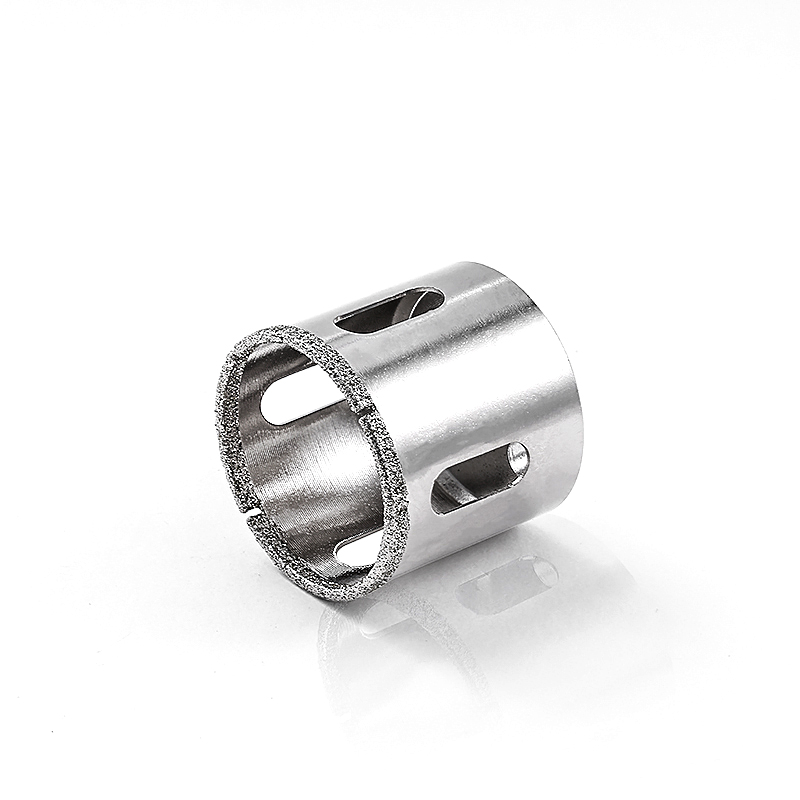
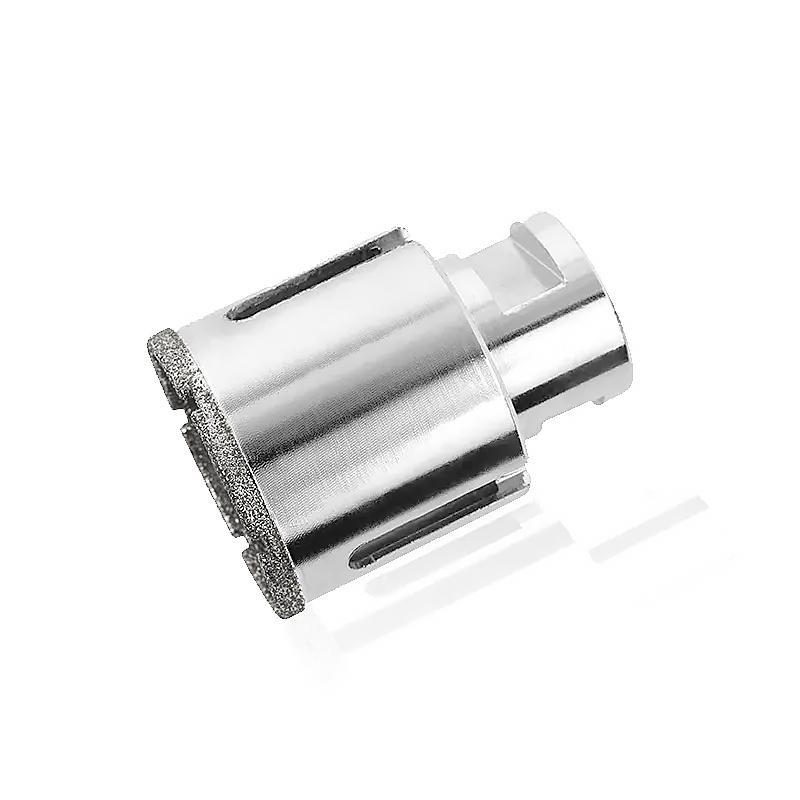
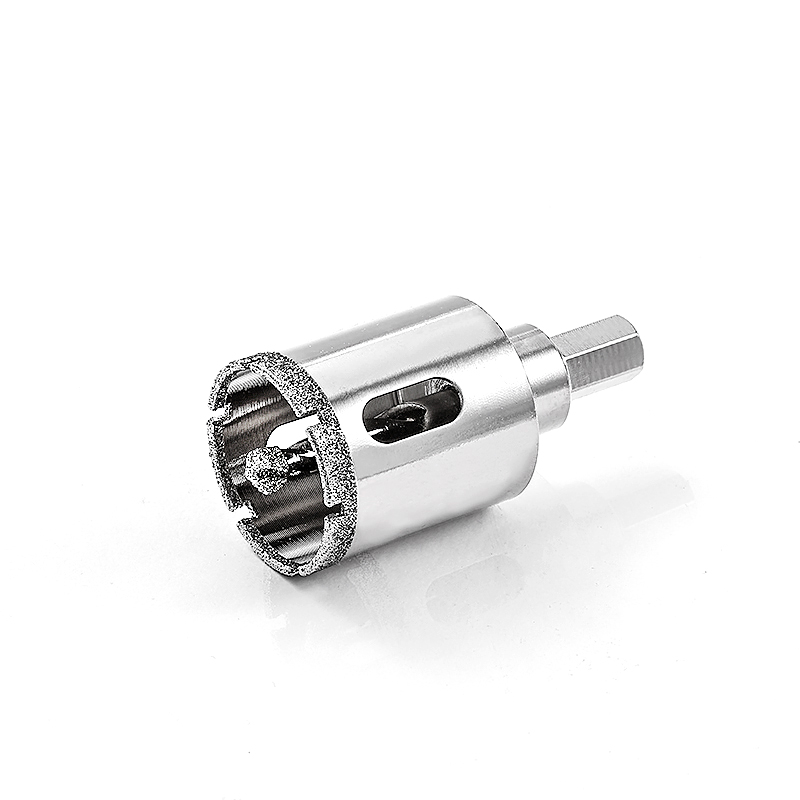
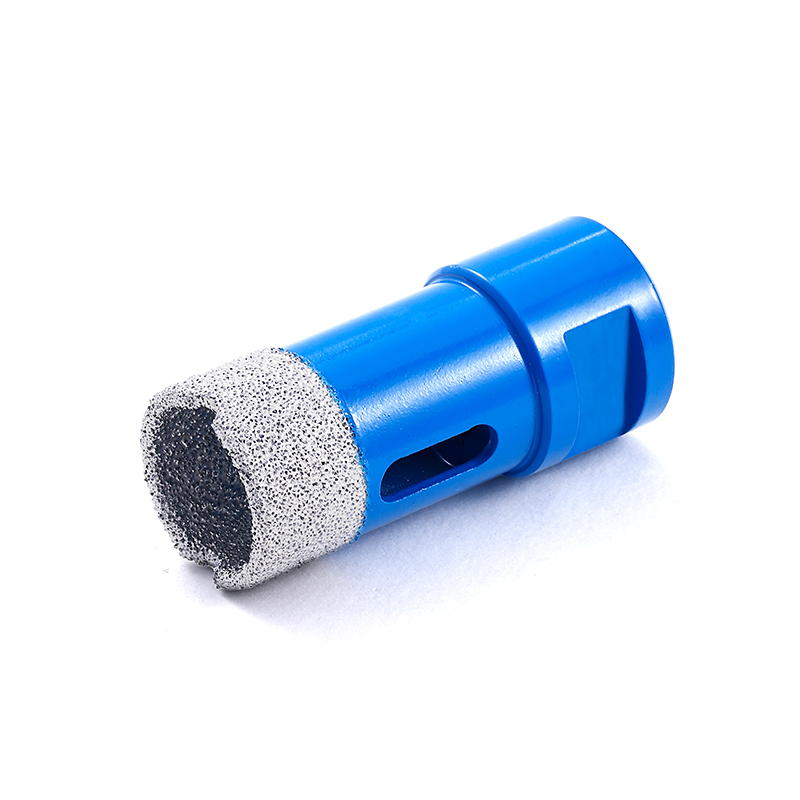
A Vacuum Brazed Diamond Hole Saw is produced through a vacuum brazing process, where diamond particles are bonded onto a steel core using high-temperature metal alloy bonding. This creates a strong connection between abrasive particles and the tool body.
In a Vacuum Brazed Diamond Hole Saw, the diamond layer is exposed, allowing direct cutting contact with surfaces such as ceramic tiles, granite, and masonry. The open structure of the diamond coating helps with material removal during drilling.
The steel body is designed to maintain stability during rotation, reducing unwanted vibration when working on harder materials.
Cutting Behavior on Different Materials
When used on tile or stone, the drilling action relies on abrasive grinding rather than slicing. A Vacuum Brazed Diamond Hole Saw gradually removes material as it rotates, forming a circular opening.
On harder surfaces like granite or engineered stone, cutting speed may vary depending on density and thickness. Operators often apply steady pressure instead of forceful pushing to maintain control during drilling.
Cooling is sometimes used during operation to reduce heat buildup. Water can help extend tool usability during continuous cutting tasks.
Applications in Construction and Installation Work
This type of tool is commonly used in plumbing, electrical installation, and bathroom renovation projects. It helps create openings for pipes, cables, and fittings in wall or floor surfaces.
A Vacuum Brazed Diamond Hole Saw is also used in kitchen installation work, especially when drilling through countertops made of stone or composite materials.
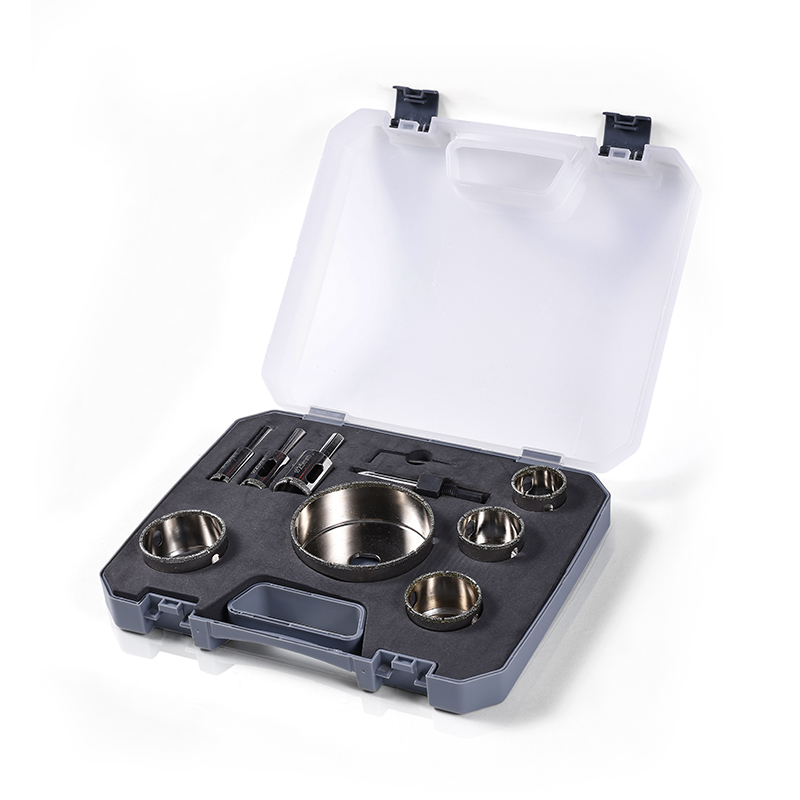
In field applications, workers often carry multiple sizes of hole saws to match different installation requirements. This reduces the need for additional finishing work after drilling.
Handling Techniques and Worksite Use
Proper handling is important when working with diamond-coated tools. A Vacuum Brazed Diamond Hole Saw performs better when aligned correctly with the surface before drilling begins.
Uneven angle placement can cause edge wear or irregular hole shapes. To maintain control, operators often start at a low rotation speed before increasing gradually.
Tool stability is also influenced by the drilling machine used. Hand drills and fixed machines may produce different results depending on rigidity and control.
Wear Patterns and Tool Maintenance
Over time, diamond particles gradually wear down depending on material hardness and usage frequency. In a Vacuum Brazed Diamond Hole Saw, exposed diamond edges may become smoother after repeated use.
Cleaning the tool after drilling helps remove debris buildup that can affect cutting efficiency. Some users store tools in dry environments to reduce surface corrosion on the steel body.
Regular inspection helps identify edge wear before starting new tasks, especially when working on precision installations.
A Focused Tool for Hard Material Drilling
In construction and renovation work, drilling tools need to handle a variety of dense materials while maintaining control during operation. The Vacuum Brazed Diamond Hole Saw supports this requirement by combining abrasive diamond cutting with a stable steel structure.
Its use in plumbing, electrical work, and surface installation reflects how specialized tools fit into modern building workflows, especially where precision openings are needed in hard surfaces.